





 Portuguese
  English
  Spanish
  5 min of reading
  0 comments


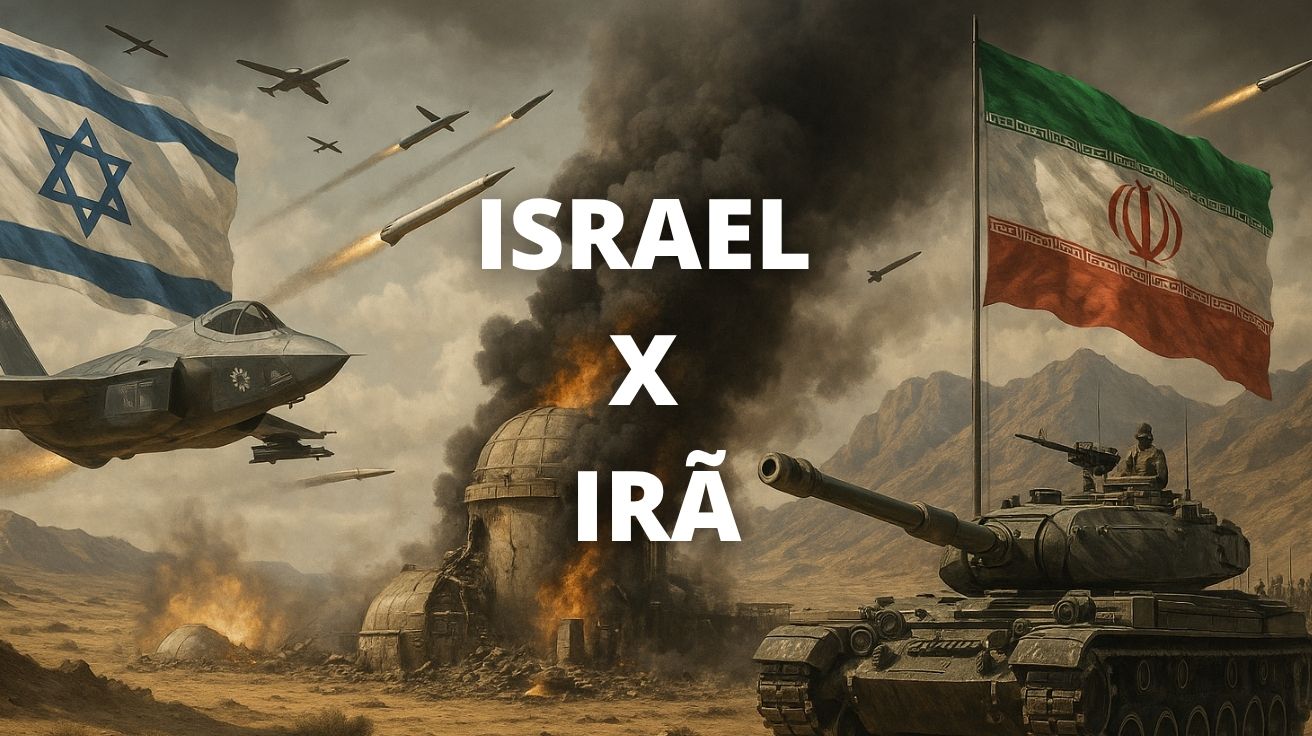
Israel x Iran in the Global Firepower 2025 Report, Historical of Cross Attacks and Updated Military Power, the Article Details Who Dominates in Aviation, Army, Navy and Technology Between Iran and Israel, Two Powers on a Collision Course
The Middle East is experiencing one of its most explosive moments in decades, with Israel and Iran exchanging direct attacks and nuclear threats in 2025. Behind the headlines, there is a decades-long arms race marked by espionage, sabotage, strategic alliances, and massive investment in defense. But after all, in the Israel x Iran conflict, who has the most powerful armed forces in the region?
Based on data from the Global Firepower 2025 report, historical analyses, and reliable sources such as the channel Behind the Aviation, this article presents a detailed comparison of the military power of Iran and Israel, revealing the strengths and weaknesses of each nation in a dispute that could determine the geopolitical future of the world.
-
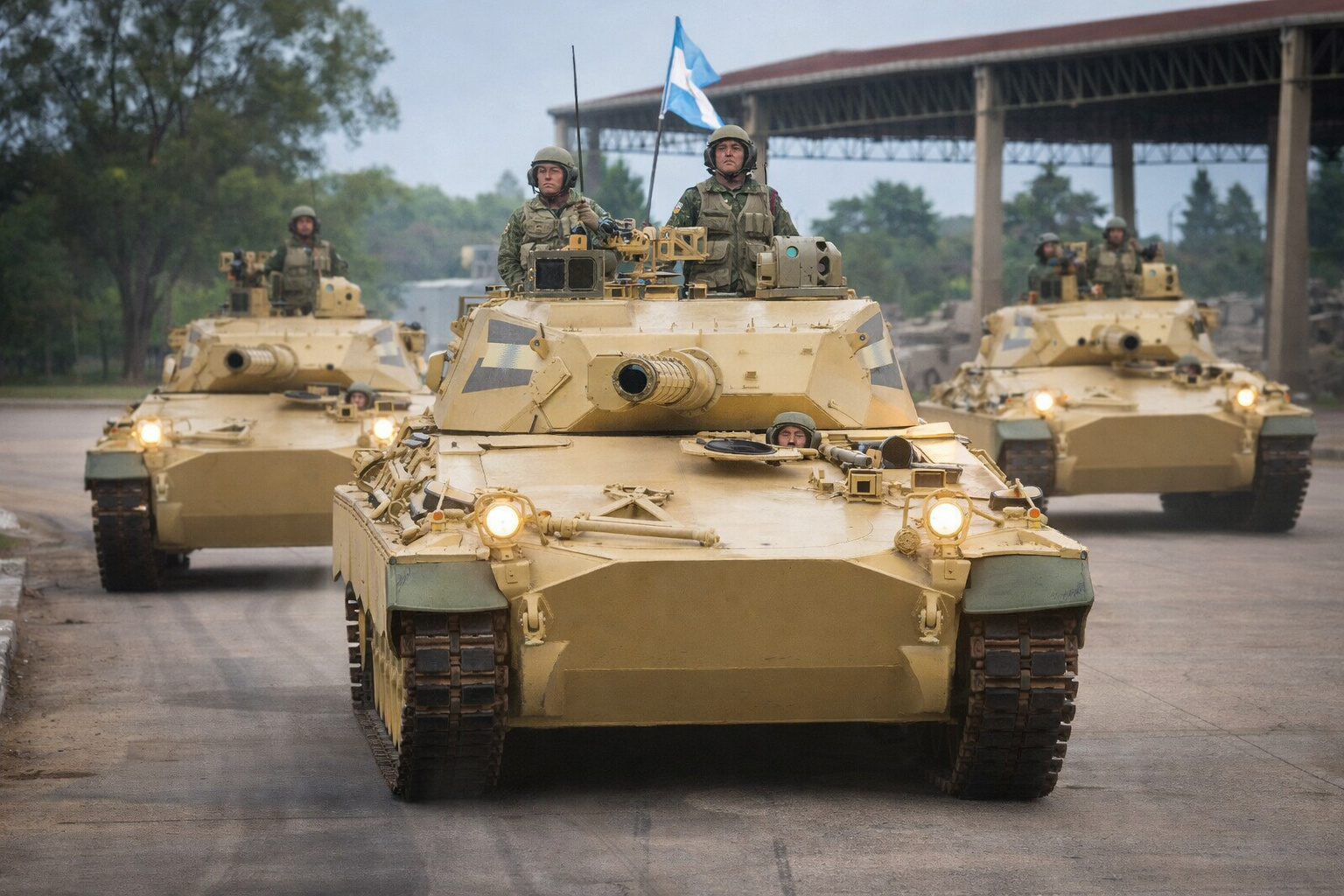
While no other country manufactures tanks in Latin America, Argentina activates the TAM 2C-A2 and raises a curiosity about the technological lag in the region.
-
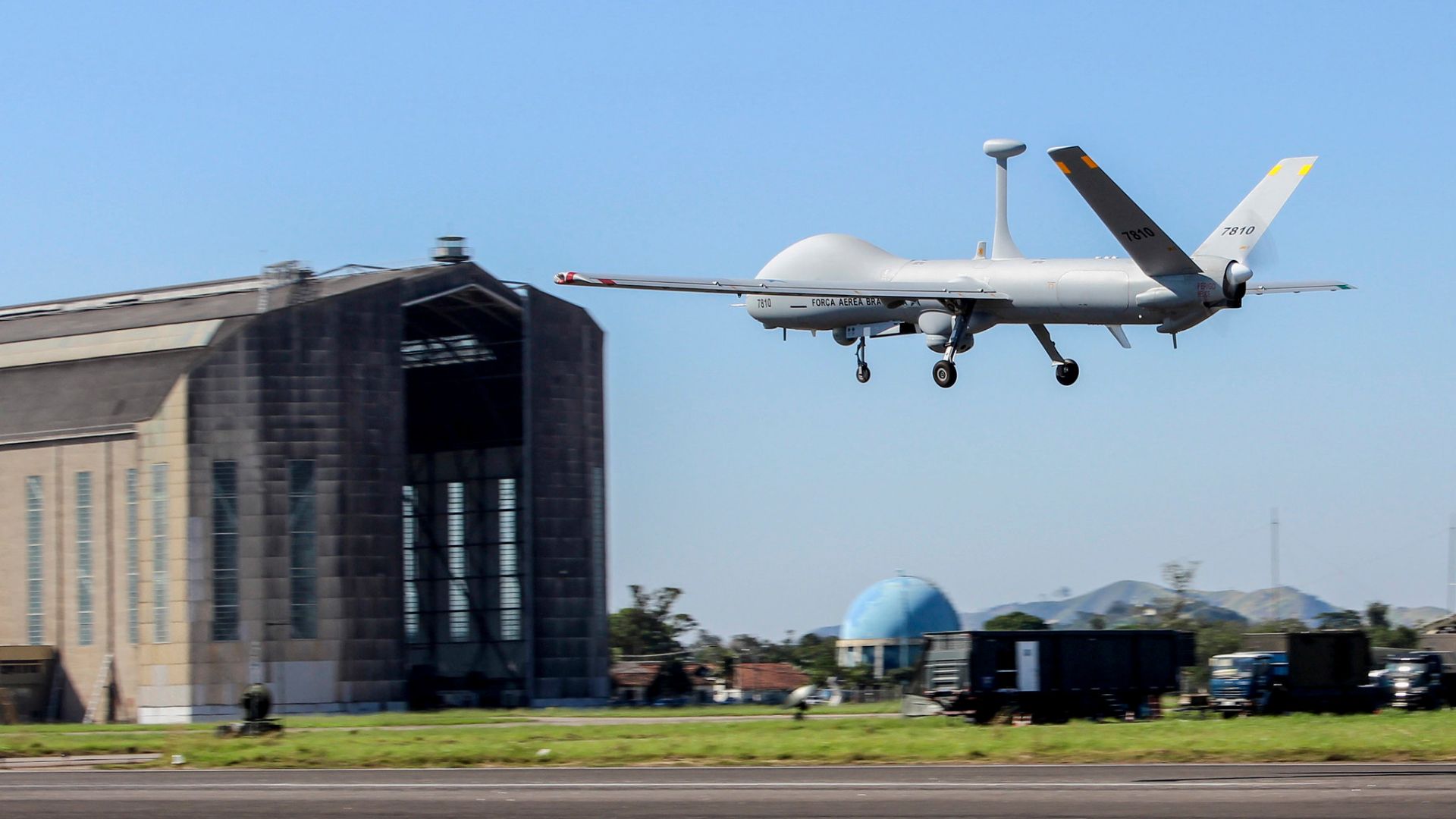
FAB loses Hermes 900 drone during multinational exercise in Mato Grosso do Sul and is left with only one active aircraft, raising concerns about operational fragility and strategic response capability.
-
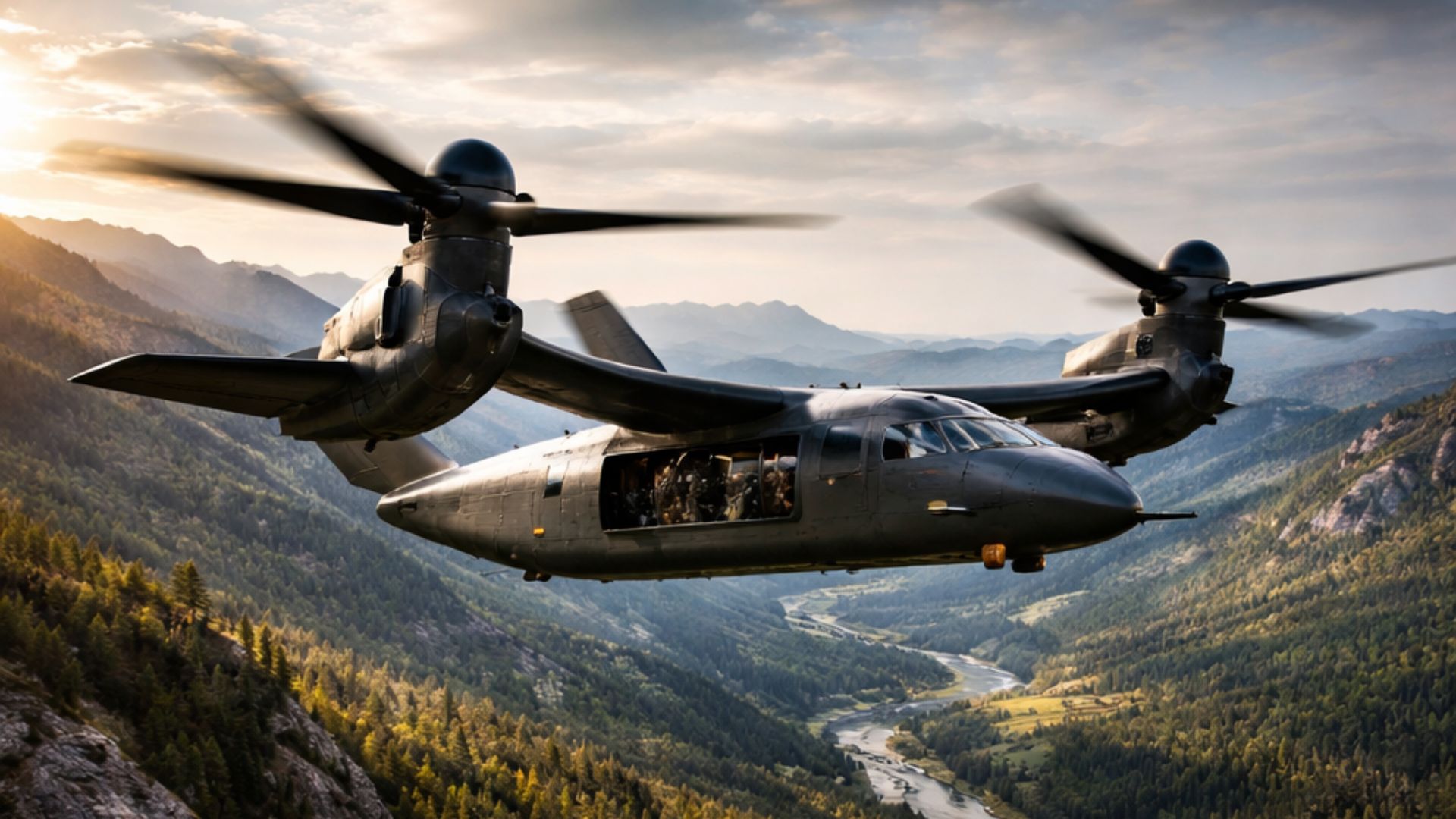
The U.S. Army bets on the multifunctional MV 75 aircraft with cutting-edge technology that promises to revolutionize modern warfare by combining extreme speed, greater range, and unprecedented operational efficiency.
-
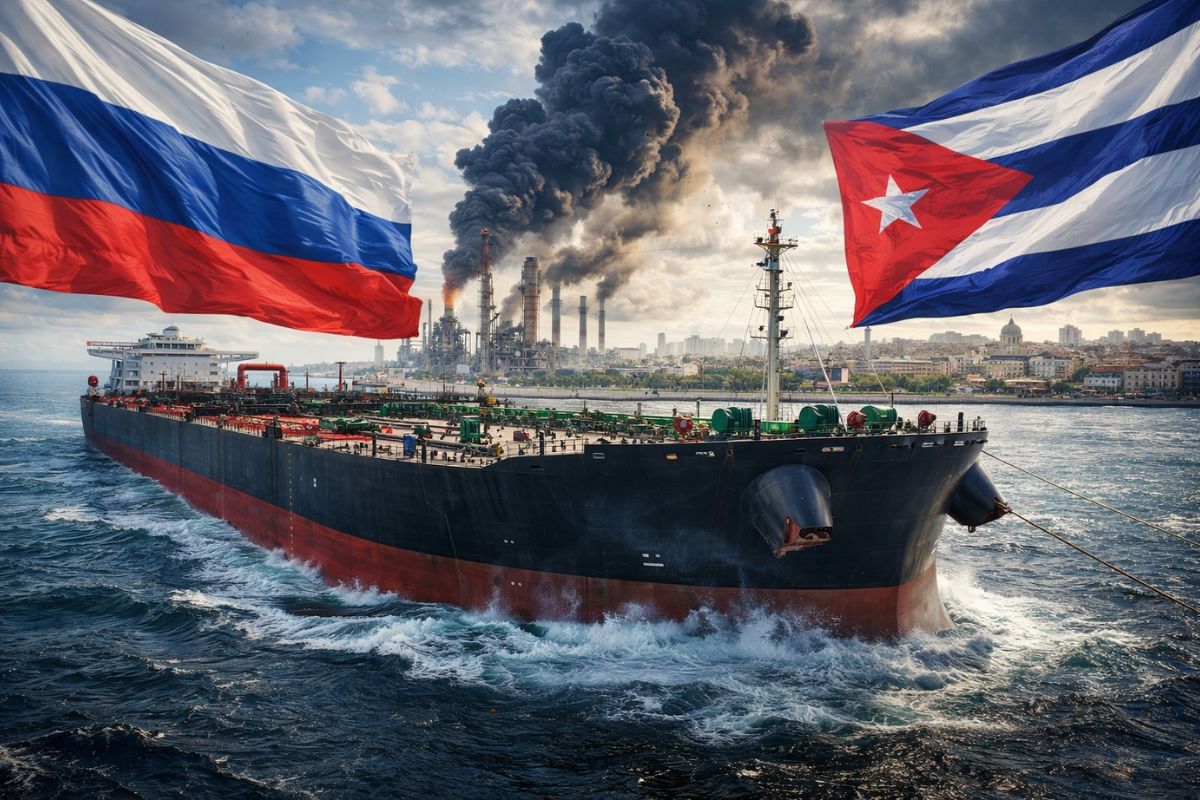
A Russian ship with 730,000 barrels of oil has just arrived in Cuba while Mexico negotiates fuel sales through private companies: the communist island is desperately seeking alternatives after losing its supply from Venezuela due to American military action.
Total Military Power: Who Dominates the Firepower Index?
The Global Firepower 2025 assigns Iran a military power index (PwrIndx) of 0.3048, placing it in 16th position worldwide. Meanwhile, Israel is a step above, in 15th position, with an index of 0.2661, indicating a slight technical and strategic superiority.

Despite Israel’s advantage in the index, Iran boasts a crushing human force, with over 88 million inhabitants and 610 thousand active military personnel. In contrast, Israel has only 170 thousand active personnel, but compensates with 465 thousand highly trained reservists and an almost instant mobilization system.
In terms of budget, Israel invests more than double: US$ 30.5 billion against US$ 15.45 billion from Iran. This is reflected in the quality and sophistication of weaponry, especially in the aerial sector, where Israel is vastly superior.
Air Force: Israel Dominates the Skies with American Technology and Indigenous Engineering
Israel maintains 611 aircraft compared to Iran’s 551, with a significant advantage in quality. The country operates models such as F-15 Eagle, F-16 Sufa, and F-35 Adir, all modified for its specific needs. The Israeli F-35s are equipped with locally developed sensors and weapons, making them extremely lethal and hard to detect.
Iran, on the other hand, has older aircraft, many inherited from the Shah era and some modernized with Russian and Chinese assistance. Its number of fighters is smaller, and its attack fleet is limited to less advanced models.
Israel also stands out in early warning and air refueling aircraft, with KC-135, KC-130, and the sophisticated EL/W-2085 system, while Iran has few capabilities of this kind.
In modern warfare, air dominance is decisive. And in this regard, Israel holds a significant advantage with its engineering, drone fleet, and integration with intelligence systems and satellites.
Ground Army: Iran Has More Tanks, But Israel Wins in Effectiveness and Doctrine
The Iranian ground army impresses with numbers: 1,713 tanks, 65,825 armored vehicles, and over 1,500 mobile rocket launchers. However, much of this equipment is considered obsolete, with low efficiency in real warfare.
Israel has 1,300 tanks, including the modern Merkava IV, developed locally with cutting-edge technology, active protection, and digital integration with infantry and drones. Its 35,985 armored vehicles are optimized for mobility in varied terrains, such as deserts and urban areas.
The Israeli military doctrine also stands out. Intensive training, tactical intelligence, and coordination between forces are hallmark traits of the Israel Defense Forces, while Iran still presents a more centralized and less agile structure.
Despite Iranian numerical superiority in artillery, Israel compensates with precision, logistics, and interoperability between units, crucial factors in modern combat.
Naval Power and Strategic Resources: Iran Bets on Numbers, Israel on Technology
At sea, Iran has a fleet of 107 ships compared to Israel’s 62, including 25 submarines, some of which are adapted to launch cruise missiles. The Iranian navy is focused on the Strait of Hormuz, with regional naval interdiction power.
Israel, despite having fewer vessels, invests in state-of-the-art corvettes and Dolphin-class submarines, which can operate with nuclear weapons, according to analysts. Its naval capabilities are integrated with aviation and intelligence, forming a highly effective maritime shield.
When it comes to natural resources, Iran has a huge energy advantage: it is the 3rd largest in oil reserves and 2nd in natural gas. Meanwhile, Israel, although with limited reserves, exploits its fields in the Mediterranean and compensates with technology, alliances, and strategic imports.
Both maintain a significant naval presence, but Israel bets on deterrence through technology, while Iran invests in regional presence and saturation tactics with drones, missiles, and fast boats.
Real and Historical Conflict: Combat Experience Makes a Difference
Israel has one of the most experienced armies in the world in real combat. Since its founding, it has faced wars with all its neighbors, low-intensity conflicts, counter-terrorism operations, and constant cyberattacks. Its doctrine is tested and adapted frequently.
Iran also has a history of war, such as the long conflict against Iraq (1980–1988), as well as support for militias in Lebanon, Syria, and Yemen. Its warfare is more indirect, through allies such as Hezbollah and the Quds Force, focusing on asymmetric wars.
In 2025, following the Israeli attack on the Natanz facility, Iran launched over 100 drones in retaliation. Even with this volume, most were intercepted by the Iron Dome, Israel’s state-of-the-art defense system.
The capacity for response, adaptation, and technological innovation puts Israel in a position of advantage in modern conflicts, even though Iran may maintain prolonged resistance in the event of total war.
Technical Superiority of Israel and Brute Force of Iran Raise Alarm Worldwide
The comparison reveals that, in terms of technology, efficiency, and military integration, Israel is superior. Its air dominance, missile defense, artificial intelligence, and rapid response capability are unmatched in the region.
On the other hand, Iran presents robust numbers, vast natural resources, a larger population, and influence over armed groups in neighboring countries, which gives it a different type of power.
Both are dangerous in their own way: Iran as a regional power of mass and persistence, and Israel as a power of precision and deterrence. The rivalry remains one of the greatest risks to global stability, especially in times of cross-attacks like those of 2025.









Seja o primeiro a reagir!