





 Portuguese
  English
  Spanish
  5 min of reading
  0 comments


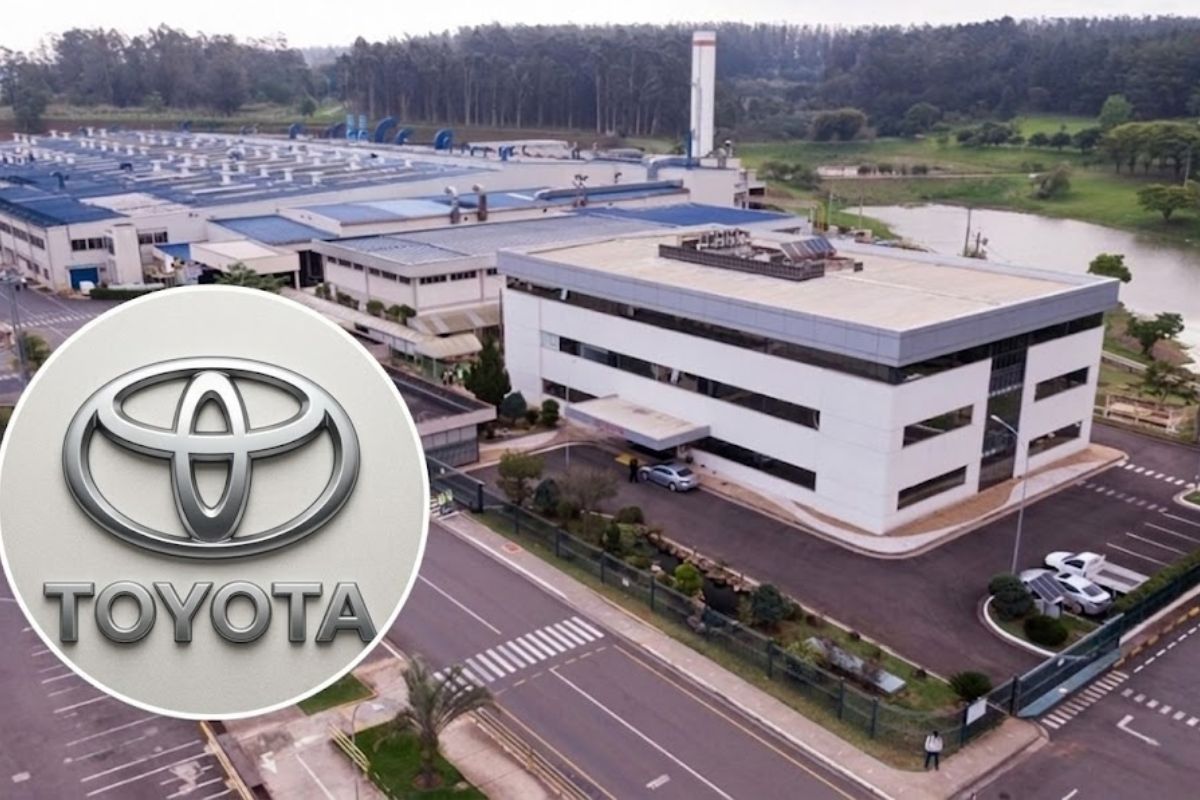
Toyota will transfer the production of the Corolla sedan from Indaiatuba to Sorocaba in the second half of 2026, maintaining the 1,500 employees and opening an additional 500 positions while investing R$ 11 billion by 2030 to concentrate all Brazilian operations in a single expanded factory in the interior of São Paulo
Toyota do Brasil confirmed that it will close its Indaiatuba factory, inaugurated in 1997, and transfer all production to Sorocaba in the second half of 2026. This is the second factory that Toyota has closed in the country in three years; in 2023, the automaker ended operations in São Bernardo do Campo, in the ABC region of São Paulo, which was the company’s first unit outside Japan. This time, however, the strategy is different: no one will be laid off, and the focus is on concentrating everything in a single plant with a billion-dollar investment.
According to the portal ndmais, the numbers reveal the magnitude of the change. Toyota will allocate around R$ 11 billion by 2030 to the new cycle in Brazil, expanding the Sorocaba factory to accommodate the production of the Corolla sedan moving from Indaiatuba, as well as the Corolla Cross, Yaris hatch, and Etios models that are already manufactured there. The approximately 1,500 employees from Indaiatuba will have the option to transfer to Sorocaba, and an additional 500 positions will be created for the production of new models, including a new generation of the Corolla. Toyota is closing factories but increasing production capacity.
Why is Toyota closing factories in Brazil instead of expanding?
Toyota’s logic is one of concentration, not contraction. Maintaining two separate factories in different cities generates logistical, administrative, and operational costs that the automaker wants to eliminate.
-
Latin America is switching from gasoline to electricity faster than anyone expected, with over 136,000 electrified vehicles sold in just two months, and Brazil accounting for almost half of that number, leading the transition uncontested.
-
Switzerland will get a chocolate park worth R$ 2.5 billion: Cailler’s megaproject in Broc will feature hotels, restaurants, and a pre-opening scheduled for between 2027 and 2028.
-
The government eliminates the tax on kerosene to try to curb the rise in airfares and includes a billion-dollar credit to airlines in a package against fuel prices, while diesel and cooking gas are also included in the crisis equation.
-
Buying a car may suspend Bolsa Família in 2026 and trigger automatic government oversight.

By consolidating all production in Sorocaba, Toyota gains scale, reduces redundancies, and creates conditions to invest more efficiently in a single modern and expanded plant. This strategy was already applied in 2023 when São Bernardo do Campo was closed for similar reasons.
In 2023, Toyota stated that “the concentration of operations in the interior of São Paulo offers growth and competitiveness opportunities in the face of challenges in the Brazilian market.”
This statement applies again now. Indaiatuba, despite its historical significance, operates with a structure that cannot accommodate the expansion that Toyota plans for the coming years.
Sorocaba, with available land for expansion and more recent facilities, was chosen as the hub that will centralize all of the Japanese automaker’s operations in Brazil.
What happens to Toyota employees in Indaiatuba?
Unlike many factory closures in the automotive sector, Toyota has assured that there will be no layoffs during this transition.
The approximately 1,500 employees from Indaiatuba will be given the option to transfer to Sorocaba, and those who accept will remain with the company under the same conditions. The two cities are about 90 kilometers apart, making the move logistically viable, although it will impact the daily lives of workers and families.
In addition to maintaining the existing workforce, Toyota will open an additional 500 positions in Sorocaba for the production of new models. The net result of the operation, therefore, is positive in terms of employment: the Sorocaba factory will have more workers than Indaiatuba had alone.
Among the new models planned is a new generation of the Corolla, the best-selling car in the brand’s history in Brazil, which justifies the need for additional production capacity.
The R$ 11 billion that Toyota will invest in Sorocaba by 2030
The investment of R$ 11 billion is the largest cycle of investments by Toyota in Brazil in years. The Sorocaba plant is already undergoing expansion; new facilities are being built to accommodate the production lines moving from Indaiatuba and to house the new models planned.
The factory is expected to be ready in the second half of 2026, coinciding with the end of operations in Indaiatuba.
For Toyota, transforming Sorocaba into the largest production hub for the brand in the country is a long-term bet on the Brazilian market.
The R$ 11 billion is not just to move production from one place to another; it is to modernize processes, increase capacity, and prepare the factory for a new generation of vehicles that the automaker intends to launch in Brazil. The investment signals that, despite closing units, Toyota is not retreating from the national market; it is reorganizing its presence to compete better.
What the closure of two factories in three years reveals about Toyota’s strategy in Brazil
The sequence of closures—São Bernardo do Campo in 2023, Indaiatuba planned for 2026—may initially seem like a sign of disinvestment. But the context tells another story.
Toyota is replacing a decentralized operation model, with multiple smaller units, with a concentrated operation in a single large factory, with heavy investment and capacity to absorb new models.
This strategy is not exclusive to Toyota; other global automakers have made similar moves, closing old plants and channeling resources to more modern and flexible factories. In the case of Toyota in Brazil, Sorocaba will concentrate all vehicle production of the brand in the country, including sedans, SUVs, and hatches, in an operation that promises to be more efficient, more productive, and better prepared for the changes that the automotive sector demands in the coming years.
The remaining question is whether R$ 11 billion and an expanded factory will be enough to maintain Toyota’s competitiveness in an increasingly competitive market against Chinese and European manufacturers.
What do you think of Toyota’s strategy to close factories to concentrate everything in Sorocaba? Does the R$ 11 billion ensure the brand’s future in Brazil? Leave your opinion in the comments.






Seja o primeiro a reagir!