





 Portuguese
  English
  Spanish
  4 min of reading
  0 comments



Detailed handmade production gains digital highlight, generates high demand, and changes the routine of entrepreneurs on the coast of São Paulo
A creative activity based on realistic miniatures has begun to attract attention and, at the same time, changed the life of a couple in Praia Grande, on the São Paulo coast. With scenes that include frozen explosions, planes in mid-flight, and detailed battles, the work quickly transformed into a source of income.
According to published data, growth occurred consistently, while demand increased month after month. Currently, the couple has their order schedule closed until August 2026, which highlights the progress of the business.
Handmade production gains value and scale in the market
The dioramas are produced on demand and vary according to the level of complexity, while the execution time directly impacts the final result. Therefore, the price follows the degree of detail of each piece.
-
Artisanal well erupts with water in the sertão of Bahia, revealing a surprising flow with six active fissures underground and changing the landscape in the Bahian semi-arid region.

-
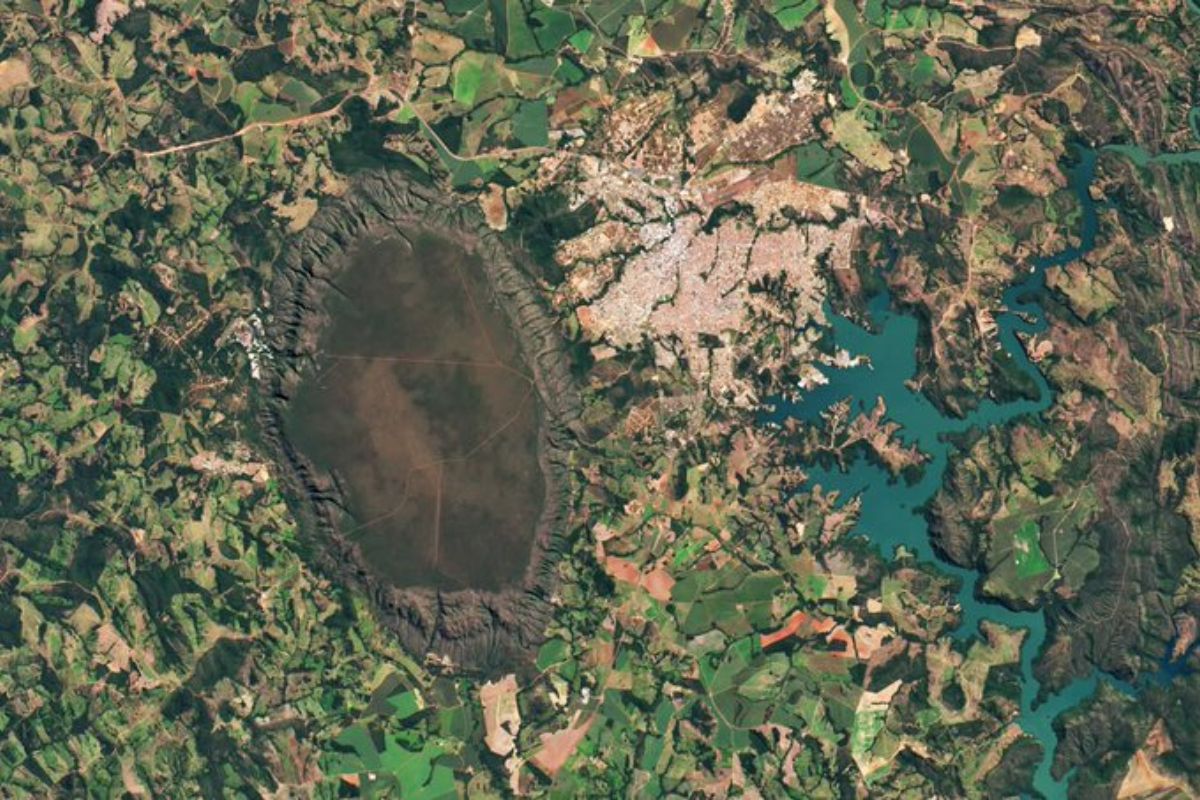
NASA published a photo taken from space of a mountain range in the interior of Goiás, and the whole world wanted to know what it was: beneath it lies the largest hot water spring on the planet, with temperatures reaching 70 degrees in the middle of the Cerrado.
-
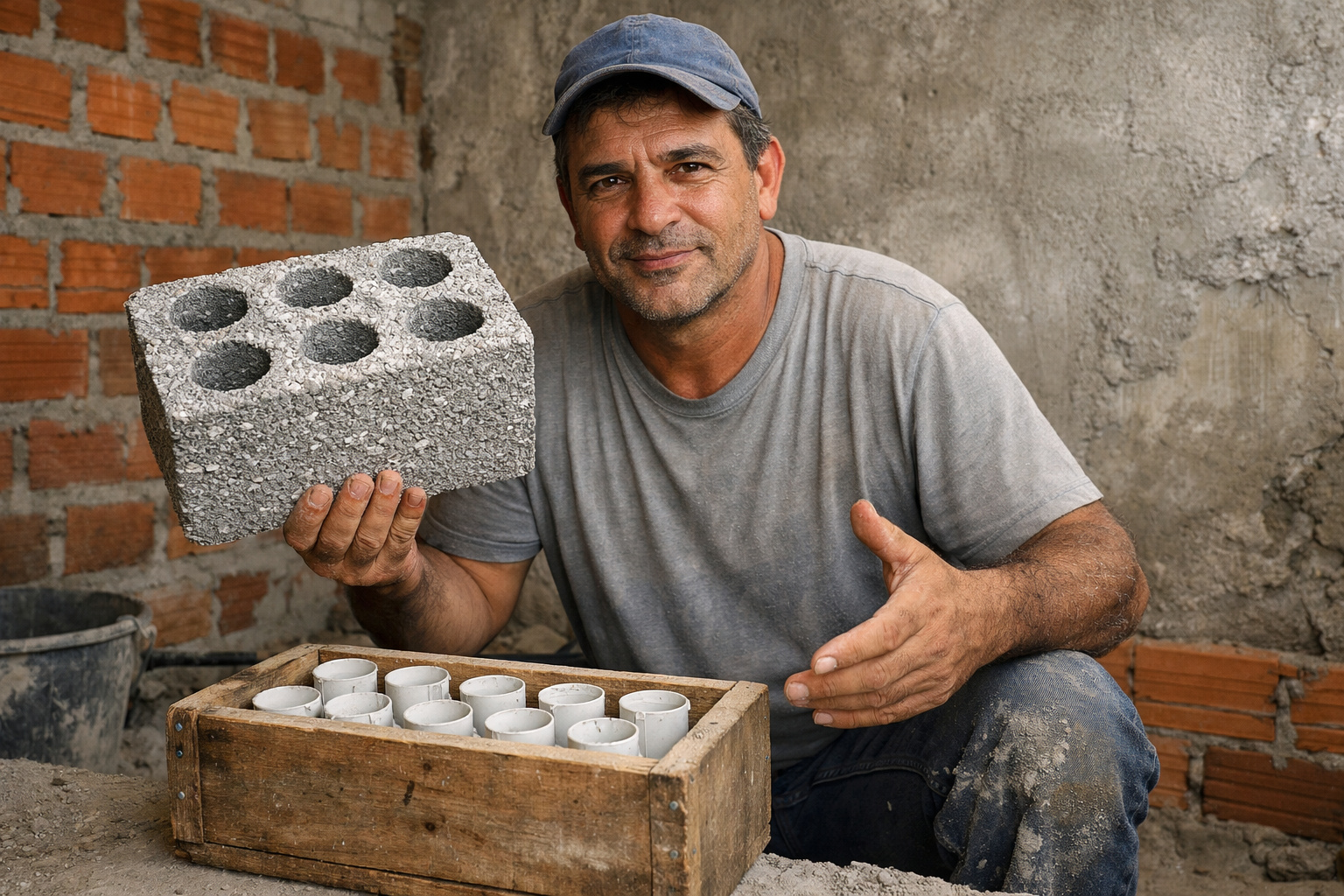
A thermal block costing only R$ 0.40 catches attention by reducing heat by up to 80% using recycled styrofoam, a common kitchen ingredient, and a manual technique capable of producing 50 blocks from a single bag of cement.
-
The item in the house that consumes the most water is not in the kitchen; it is in the smallest room of the house and can account for up to 30% of the expenditure on its own.


According to the disclosed information, prices start at R$ 500, although there is no maximum limit. One of the cited examples was an aircraft carrier measuring 1.5 meters, sold for around R$ 6,000, which reinforces the potential appreciation of this type of work.
Additionally, each piece takes between 4 and 10 days to complete, while the deadline varies according to the requested model. Thus, the process combines artisanal precision with productive planning.
Growing demand drives the business
The advancement of the business occurred gradually, as interest in dioramas increased. As a result, the couple began to receive more orders and organize production in a structured manner.
According to Ludmila Bernades Graça Fachina, one of the decisive moments involved the creation of an aerial battle scene from World War II. From that point on, the work gained more recognition and expanded the customer reach.

As a result, the brand Smallworld began to be recognized outside the region, contributing to the business expansion. Consequently, there was technical evolution and an increase in the quality of the produced pieces.
Journey begins in childhood and evolves over time
The interest in miniatures began in the childhood of Jones Aparecido Félix da Silva, when he lived in the Catiapoã neighborhood in São Vicente. According to reports, he closely observed every detail of the pieces and sought to understand how they were made.
Additionally, he showed constant curiosity while nurturing the desire to create his own models. However, financial limitations prevented access to toys, leading to the development of creative solutions.
Therefore, he began to draw and invent his own versions while improving his manual skills. With encouragement from his mother, Rosemira, he developed skills early on, which structured his professional journey.
Strategic turning point transforms hobby into business
The change occurred when Ludmila identified commercial potential in the creations, leading to the decision to test the market. Thus, she suggested selling a diorama, initiating a new phase.
To do this, Jones acquired a plane kit and created a dynamic scene that included missile launches and low-flying over the sea. While he handled production, Ludmila took charge of marketing and negotiation.
Even with initial uncertainties, the couple decided to move forward, betting on the product’s potential. In less than two days, the first diorama was sold, confirming the business’s viability.
The delivery was made to a customer in São Paulo, while the financial return validated the adopted model. Thus, this moment marked the beginning of the consolidation of the activity.
Consolidation and full dedication to the project
With growth, the roles were well defined between the couple, bringing more organization to the process. Currently, Jones is responsible for producing the pieces, while Ludmila manages recording, marketing, and sales.
According to the report, the constant search for realism raised the standard of creations, while technical improvement strengthened the business. Just over two years after starting commercialization, an important decision was made.
Jones left his formal job to fully dedicate himself to the activity, reinforcing the transformation of the project into the main source of income. Thus, what started as a hobby became a structured business.
Now, with high demand and continuous production, the enterprise continues to expand, raising a relevant question: do you think that diorama production can evolve as a business opportunity in Brazil?







Seja o primeiro a reagir!