





 Portuguese
  English
  Spanish
  4 min of reading
  0 comments


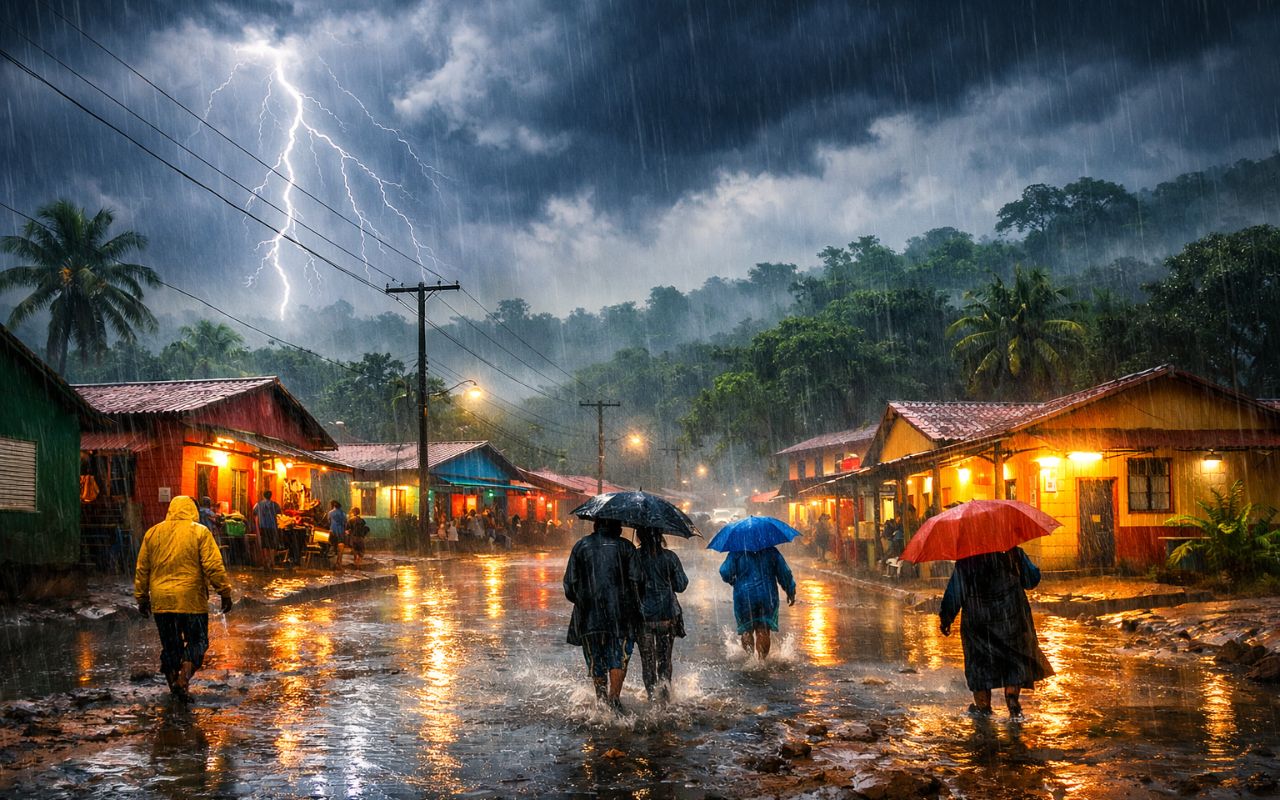
Calçoene, the city that rains the most in Brazil, records high rainfall levels and stands out for its climate, culture, and location in the Amazon.
Located in the far north of the country, the city that rains the most in Brazil is Calçoene, in the state of Amapá, according to data from the National Water Agency (ANA) in partnership with Embrapa. The municipality records an annual average of 4,165 millimeters of precipitation, a figure that surpasses other regions known for high rainfall volumes.
Situated in the microregion of Oiapoque, near the border with French Guiana, Calçoene faces this climatic scenario due to a combination of geographical and atmospheric factors. The constant presence of humidity, combined with the influence of specific climatic systems, explains why the region concentrates so much rain throughout the year.
Why is Calçoene the city that rains the most in Brazil?
The main factor that explains why Calçoene is the city that rains the most in Brazil lies in the influence of the Intertropical Convergence Zone (ITCZ). This phenomenon is a belt of dense clouds that forms near the equator and causes frequent rains.
-
The water crisis that could change everything this year has already begun; it’s not just about the climate, it affects technology, raises product prices, and can halt entire companies without warning.

-
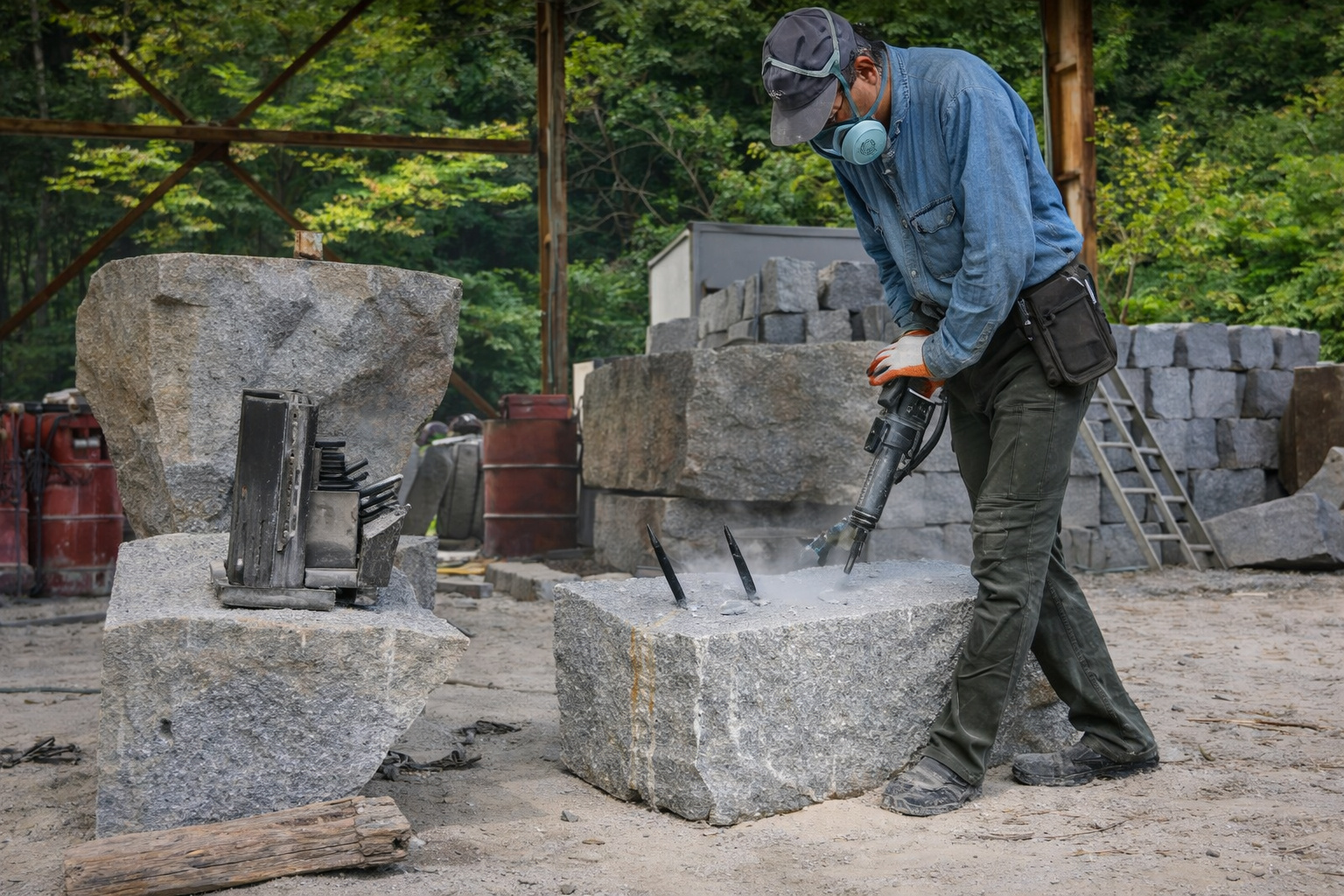
A Japanese mason transforms raw granite into small cups and handcrafted utensils, collects giant stones, cuts with precision, and impresses with detailed manufacturing and finishing.
-
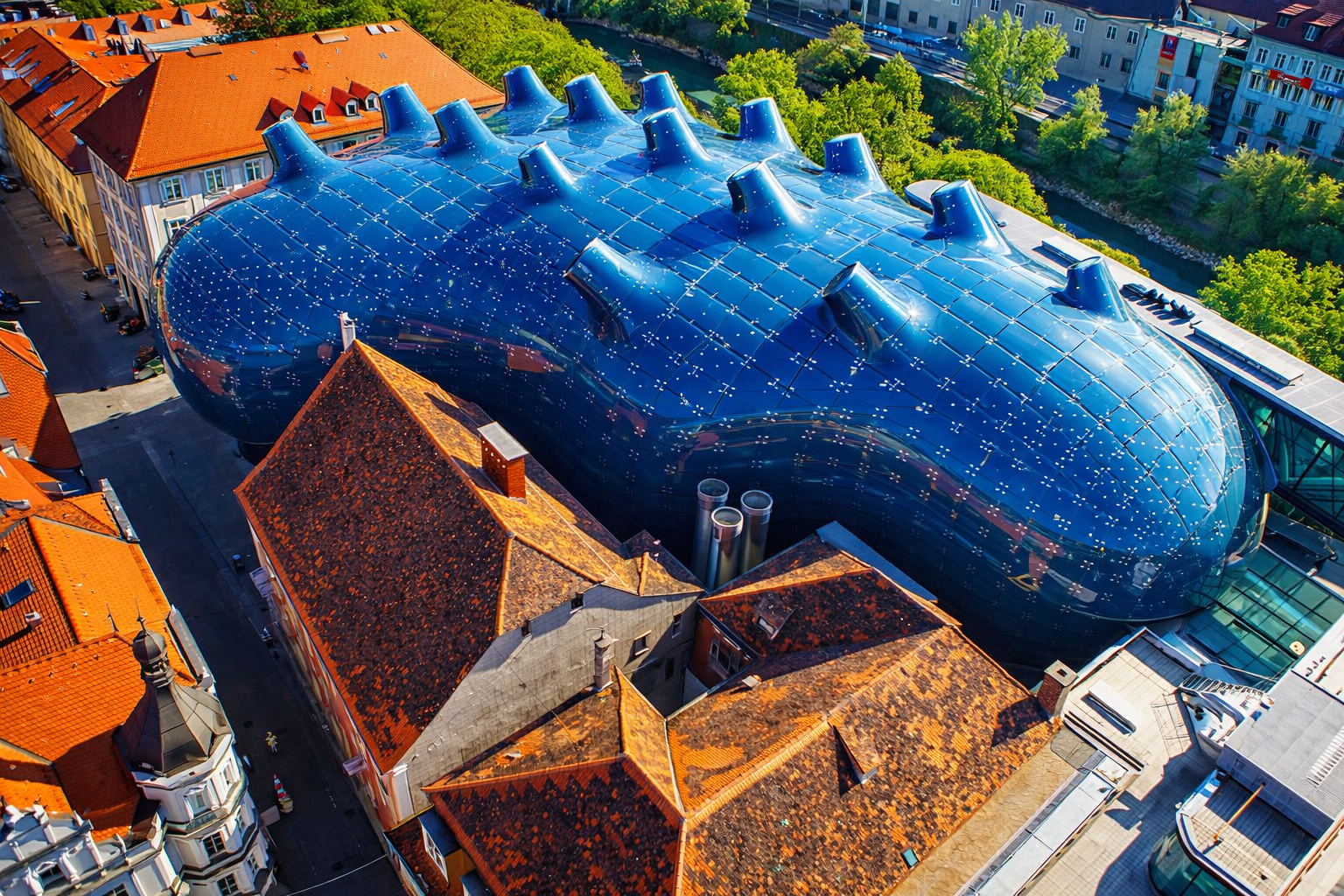
With 1,066 acrylic panels, the building known as the friendly alien is supported by a steel skeleton, has a façade that functions as a giant screen, and impresses the world without any internal columns.
-
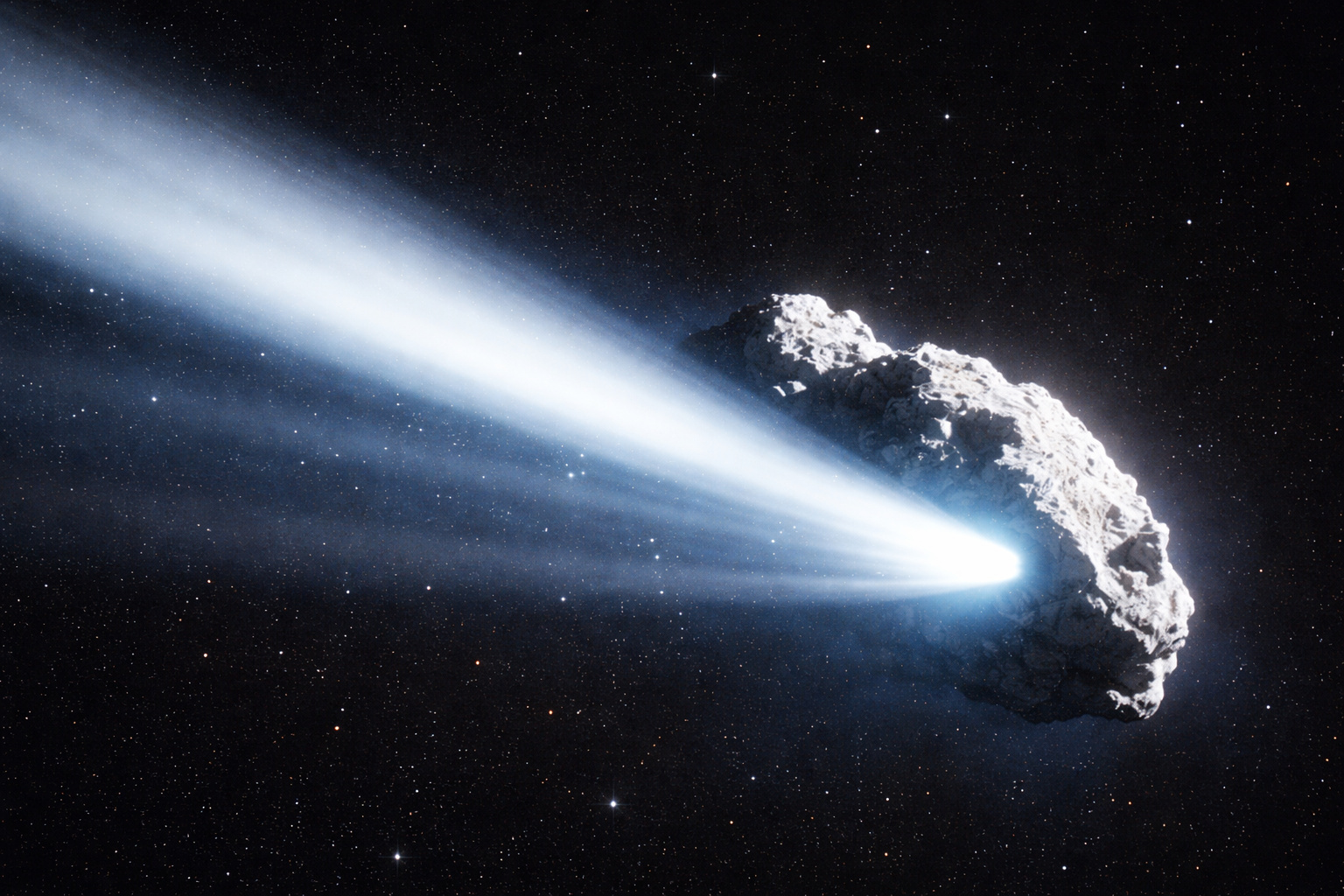
Scientists warn that a comet about 1 km in size that has started to release gases may actually change direction in space. It was spotted by NASA and surprises with potential impacts near Earth.

Additionally, the trade winds coming from the Atlantic Ocean carry large amounts of moisture to the region. Upon encountering the Amazon rainforest, this moisture transforms into heavy clouds.
As a result, constant and intense rains occur. This cycle is reinforced by evapotranspiration, a process in which trees release water vapor into the atmosphere.
Strategic location in the Amazon intensifies rains
The climate of Calçoene is classified as humid tropical (Af), according to the Köppen-Geiger classification. This climate type is characterized by abundant rainfall throughout the year.
According to data from the São Paulo Research Foundation (Fapesp), between January and June, the city records more than 25 rainy days per month. In other words, there are practically no prolonged dry periods.
Furthermore, the proximity to the Atlantic coast and the presence of rivers from the Amazon Basin further intensify this scenario. These factors make the water regime of the region extremely high.
The geographical position of Calçoene is one of the main elements that explain its climate. The municipality is located within the Legal Amazon, a region known for its high humidity.
Moreover, its proximity to the equator favors the constant influence of tropical climatic systems. This contributes to the continuous formation of rain clouds.
On the other hand, the Amazon rainforest plays an essential role in this process. The vegetation helps keep the water cycle active, reinforcing the frequency of precipitation.

City that rains the most in Brazil maintains an economy adapted to the climate
Despite the high volume of rainfall, Calçoene has developed economic activities adapted to the local reality. The municipality has about 10,612 inhabitants, according to the 2022 census.
The population primarily relies on fishing, agriculture, extractivism, and the public sector. Artisanal fishing, for example, is one of the main sources of income.
Additionally, activities such as forestry and gold mining are also part of the economy. These practices adjust to the natural environment and climatic conditions of the region.
Beyond the climate: Calçoene houses a unique archaeological site
The interest in Calçoene is not limited to the fact that it is the city that rains the most in Brazil. The municipality also has an important historical and cultural heritage.
One of the highlights is the Solstice Archaeological Park, discovered in 2006. The site consists of granite blocks up to three meters high arranged in a circle.
Researchers believe that the space was used by ancestral indigenous peoples to mark astronomical events, such as solstices. Excavations have also identified ceramics and human bones, indicating possible funerary use.
City that rains the most in Brazil contrasts with other regions
While Calçoene naturally copes with high volumes of rain, other regions of Brazil face different challenges. In the south of the country, for example, recent storms have caused floods and structural damage.
This contrast highlights the climatic diversity of Brazilian territory. Each region deals with rain in a distinct manner.
In the case of Calçoene, familiarity with the climate favors greater adaptation. In less accustomed areas, extreme events can have more severe impacts.
The case of Calçoene reinforces how natural factors directly influence the lives of populations. The combination of forest, ocean, and atmosphere creates a unique environment.
Moreover, it shows how communities can adapt to local conditions over time. The city that rains the most in Brazil is, therefore, an example of coexistence with the climate.
Finally, understanding this scenario helps to better comprehend the environmental dynamics of the country. This is essential for planning public policies and climate adaptation strategies.


With information from CrusoÉ





Seja o primeiro a reagir!