





 Portuguese
  English
  Spanish
 4 min of reading
  0 comments


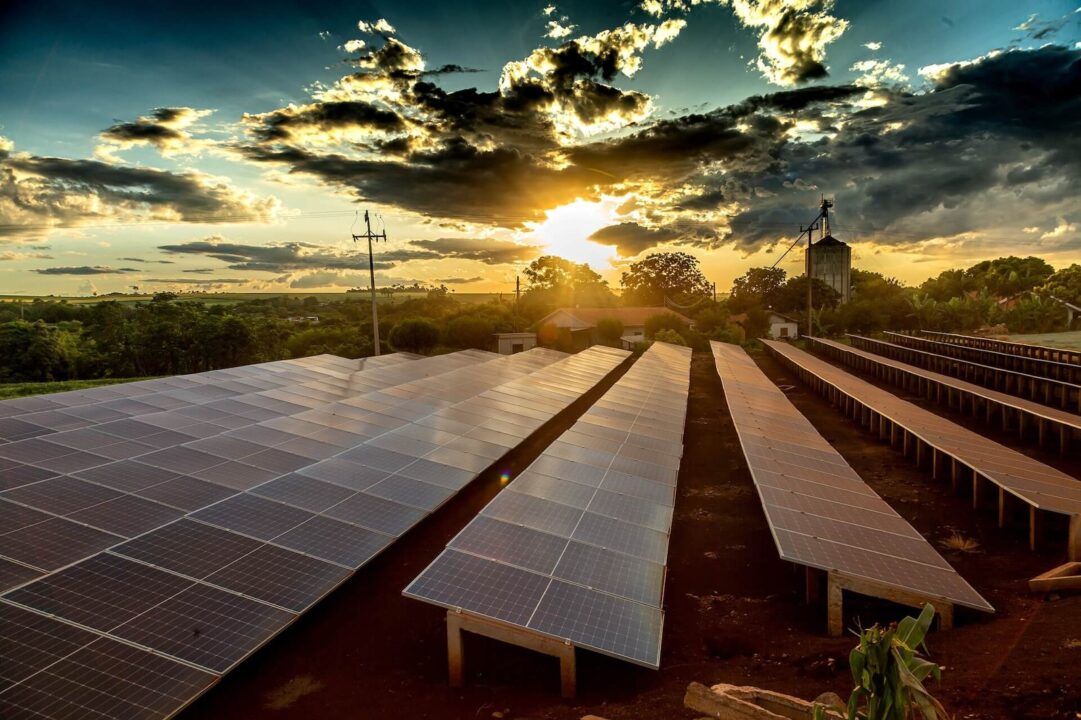
Itaipu Leads The Global Energy Transition With Investments In Hydropower, Solar And Biogas, Supporting Foz Do Iguaçu At The G20 And Mitigating Eutrophication.
Itaipu stands out as one of the leading organizations in the transition to sustainable energy worldwide. With a solid presence in hydropower, solar, and biogas segments, the entity not only supports the city of Foz do Iguaçu at the G20 but also works intensively to mitigate the impacts of eutrophication. The continuous search for innovative solutions positions Itaipu as a reference in the global energy sector.
The hydropower plant of Itaipu, co-managed binationally between Brazil and Paraguay, is not limited to being just the largest generator of clean and renewable energy in the world. The company also significantly invests in the development of emerging technologies, including green hydrogen and synthetic fuel production. This commitment to technological advancement reaffirms Itaipu’s relevance on the global sustainability agenda.
Brazilian Presidency And The Energy Transition
The Brazilian presidency of the G20 placed special emphasis on the energy transition, a topic that will be widely discussed in September at the Working Group on Energy Transitions in Foz do Iguaçu. A recent highlight from Itaipu, within this context, is the partnership to develop the first pilot plant aimed at producing synthetic oil from a combination of biogas and green hydrogen, aimed at creating sustainable fuel for aviation, known as Sustainable Aviation Fuel (SAF). This collaboration resulted in the installation of a Renewable Hydrocarbon Production Unit. The initiative was carried out with Itaipu Parquetec, on the Brazilian side, in collaboration with the International Center for Renewable Energies – CIBiogás, founded by Itaipu in 2013, which manages biogas projects, and with the H2Brasil project, supported by a German institution to promote green hydrogen in Brazil.
-
China bets on the Fishery-PV model and transforms fish farms into giant solar plants, covering ponds with panels that generate energy while utilizing the same space for large-scale aquaculture production.

-
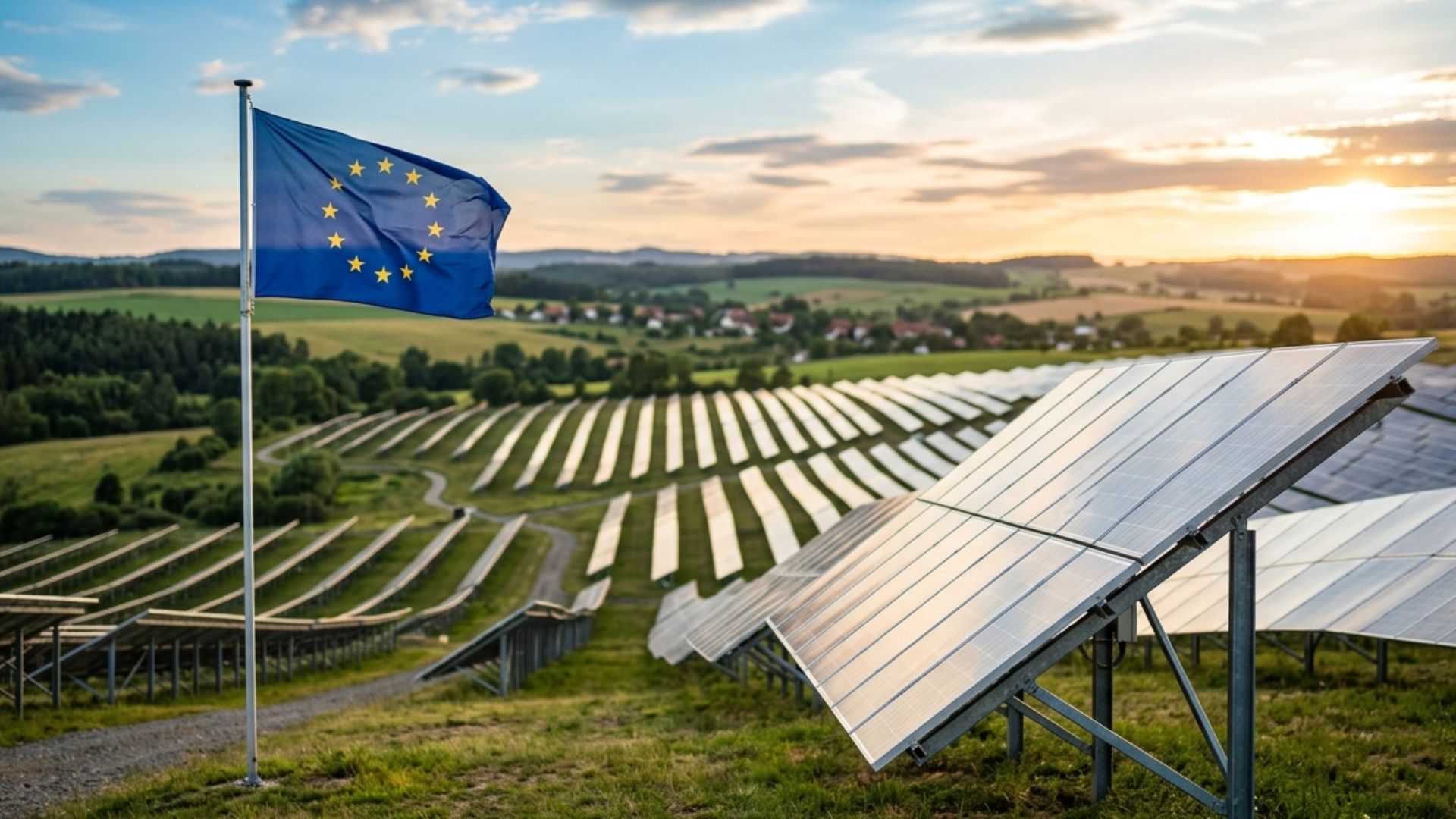
Europe records strong euro economy with solar energy in March and sparks curiosity about which country leads growth that redefines the energy market and reduces costs.
-
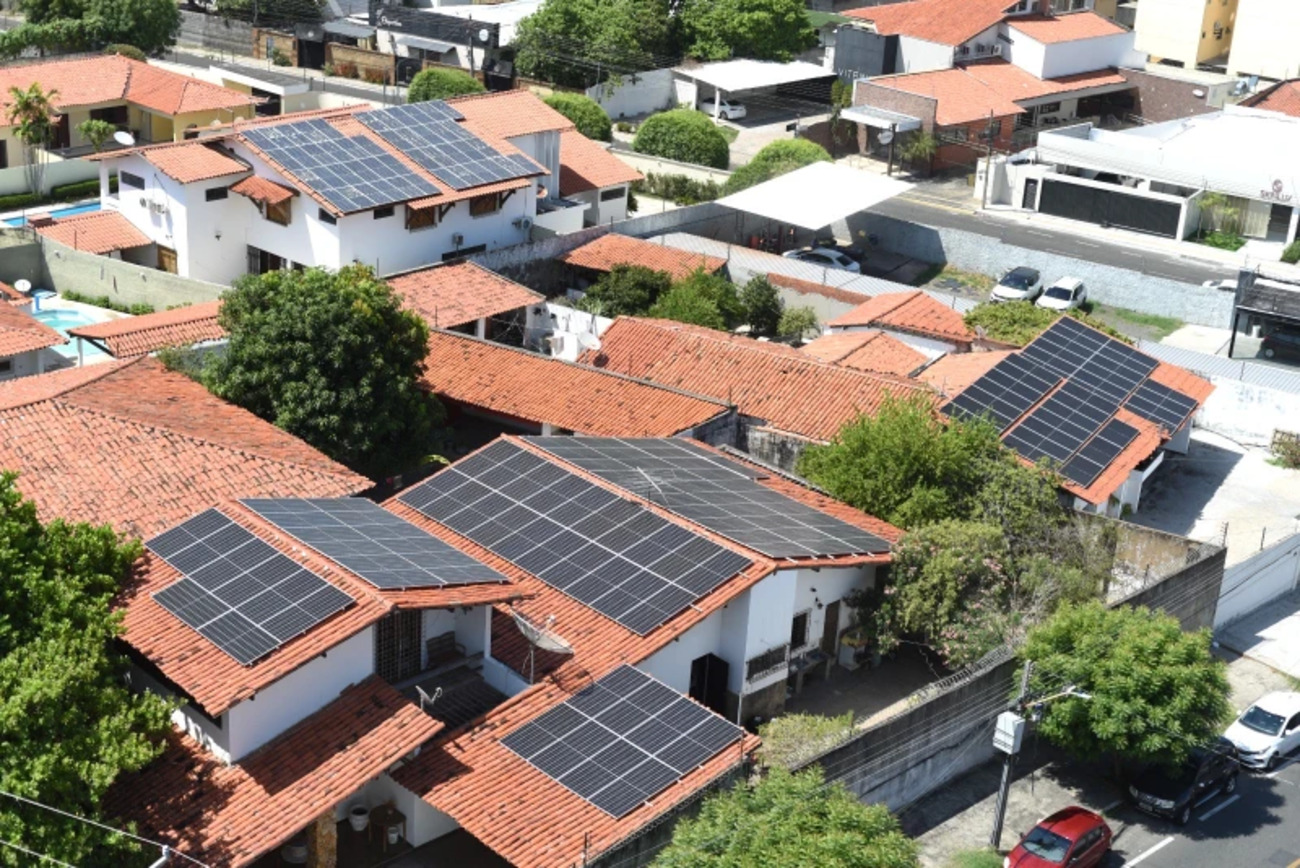
Piauí reaches a historic milestone in energy transition: State records nearly 160,000 households powered by solar energy and leads growth in the Northeast.
-
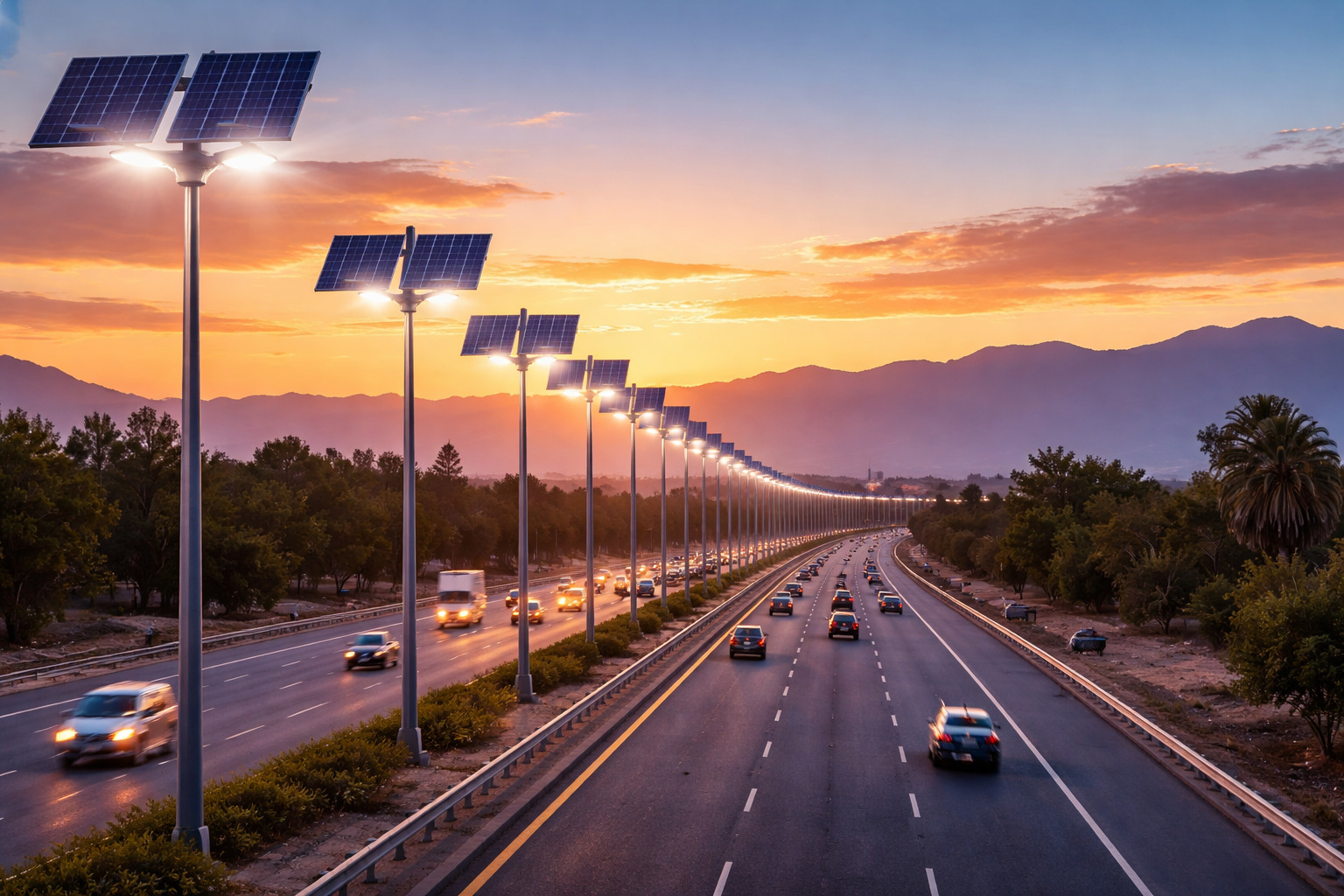
Argentina debuts its first 100% solar-powered highway and transforms an entire road into a showcase of clean energy.

Itaipu And The Reservoir Conservation
Itaipu’s concern about eutrophication, that is, the significant increase of nutrients such as phosphorus and nitrogen in the reservoir of the hydropower plant, led the company to focus on the energy transition since 2006. This phenomenon of eutrophication results from the discharge of animal waste on properties surrounding the reservoir, which negatively affects the quality of water used by the plant and the adjacent municipalities. Itaipu understood that it was essential to transform this environmental problem into an economic advantage: biogas. With poultry and pig waste, biogas is produced that supplies rural properties with electricity and can also be integrated into the surplus electrical grid.
Benefits Of Itaipu Energy Transition
In addition to addressing eutrophication, Itaipu initiated a robust energy transition process in rural properties, providing not only environmental improvements but also economic benefits to agricultural producers, increasing their incomes and introducing a new source of wealth and renewable energy into the production chain. By ensuring access to electricity in Brazil and Paraguay, the hydropower plant of Itaipu helps avoid large volumes of greenhouse gas emissions, thanks to its production from a clean energy source.
Impact On The Energy Matrix
In 2023, Itaipu was responsible for supplying 88% of all energy consumed by Paraguay and 10% of electricity consumption in Brazil. Additionally, the binational plant has invested in other renewable sources like thermal solar, photovoltaic solar, biogas, and green hydrogen. Only on the Brazilian side, Itaipu invested 170 million reais in 184 municipalities, installing photovoltaic solar systems in hospitals and schools. The plant also supports the installation of small biodigesters in rural areas, helping to prevent soil and water contamination.
Commitment To Sustainability
Itaipu’s role in the energy transition in Brazil is crucial, with investments in cutting-edge technology, actions for the conservation of water resources, and support for the most vulnerable communities. This leadership places Brazil at the forefront of the global green agenda, in its ongoing effort for the decarbonization of the planet. At the 2023 Energy Forum held in Foz do Iguaçu, the Minister of Mines and Energy, Alexandre Silveira, highlighted that nearly 90% of the Brazilian energy matrix is composed of clean and renewable sources. He also mentioned the global expectation that Brazil will be a leader in relations with industrialized countries, promoting the monetization of the energy matrix of developing countries to reduce social inequalities.
Itaipu As A ‘Battery’ Of The Electric System
In addition to developing new renewable sources, Itaipu provides security to the electric system, especially in the context of growing solar and wind energies. The hydropower plant has the capacity to compensate for the natural fluctuations in the production of these intermittent renewable sources. In moments of absence of sun or wind, Itaipu operates like a battery, providing energy quickly and securely to meet demand.
Synergy With Other Energy Sources
This function of Itaipu, similar to the physical batteries used in other countries, is efficiently performed due to the configuration of the Brazilian hydropower park. The massive integration of solar and wind energies was facilitated by the existence of hydropower plants, especially Itaipu. With the expansion of solar and wind energy plants, there have been changes in the system load profile, with increased energy consumption in the late afternoon. On many days, Itaipu contributed approximately 30% of this increase. This highlights the importance of the binational plant for the security and stability of the electric systems in Brazil and Paraguay, reinforcing its essential role in the regional energy matrix.
Source: Itaipu Press







Seja o primeiro a reagir!