





 Portuguese
  English
  Spanish
  5 min of reading
  0 comments


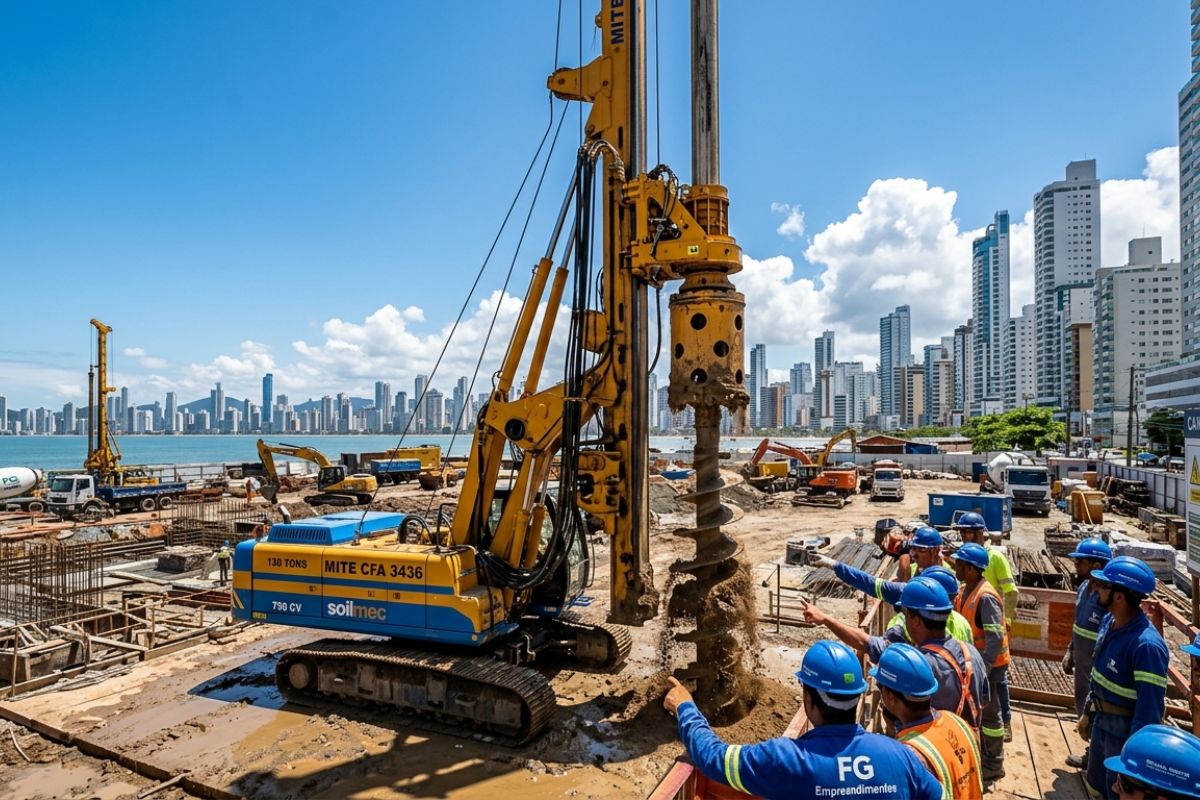
At Senna Tower, the Mite CFA 3436 executes piles with in-hole concreting and rebar insertion to accelerate the foundations of the site
The Senna Tower site has received a significant boost for the foundation phase: a new Italian pile machine, presented on-site as the Mite CFA 3436. The operation takes place within the construction site, with concreting done directly in the hole and rebar inserted shortly after, in a process closely monitored by the team.
According to reports from the Senna Tower site, the foundation is already over 50% completed and the schedule is ahead of time. The arrival of the equipment serves as support to maintain pace, increase drilling capacity, and enhance productivity in this stage that defines the base of the project.
What is the Mite CFA 3436 and why does it stand out at Senna Tower

The machine presented at the Senna Tower site is described as a CFA drill with an unusual size, weighing over 120 tons and nearing 130 tons when equipped with the auger.
-
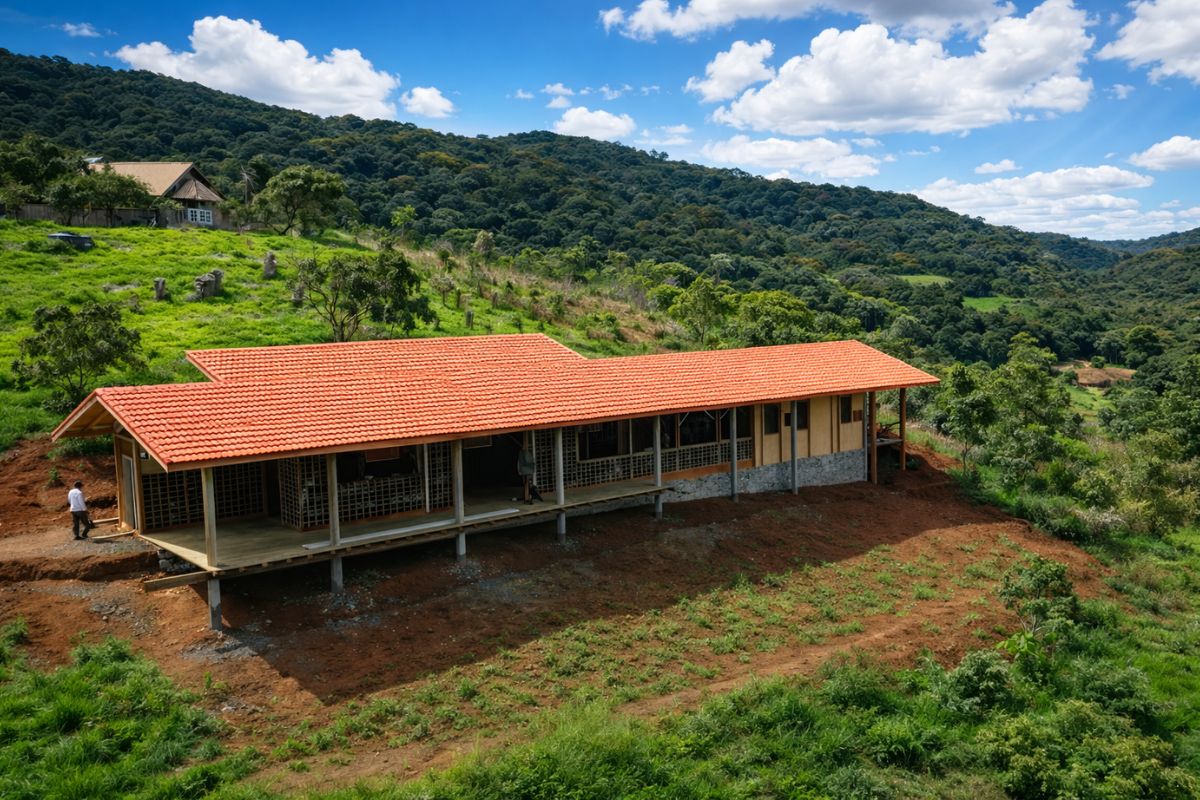
The adobe house in Monteiro Lobato takes shape with bamboo and clay from the land, a stone foundation, and a roof for the wind; cracks are normal, and finishing with lime turns it into a “common house.”
-
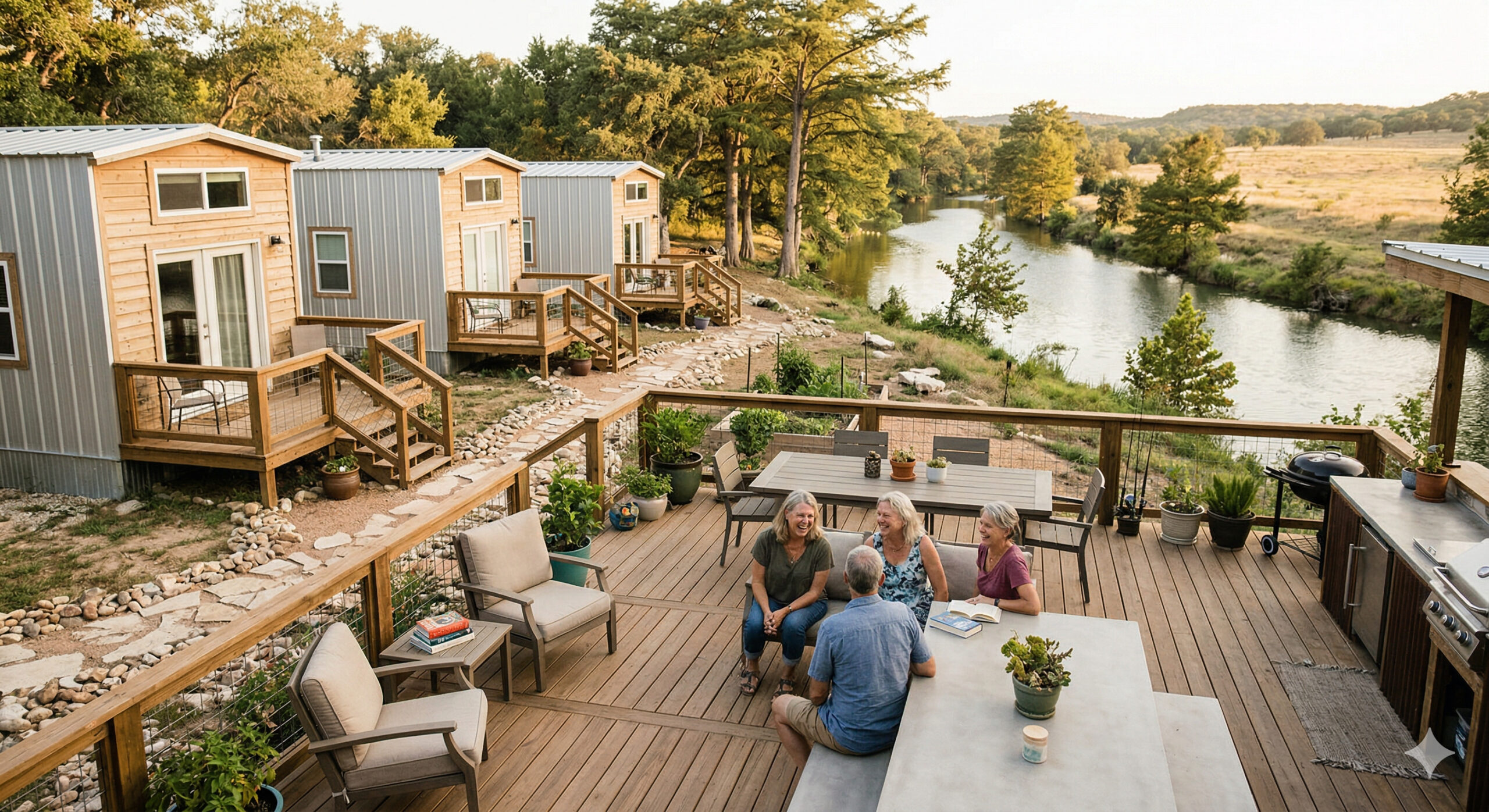
Four friends with over 30 years of friendship built a “mini village” by the banks of a river in Texas to grow old together, with houses of just 32 m² and a shared common space. The Bestie Row project has become a model of alternative living that is starting to spread around the world.
-
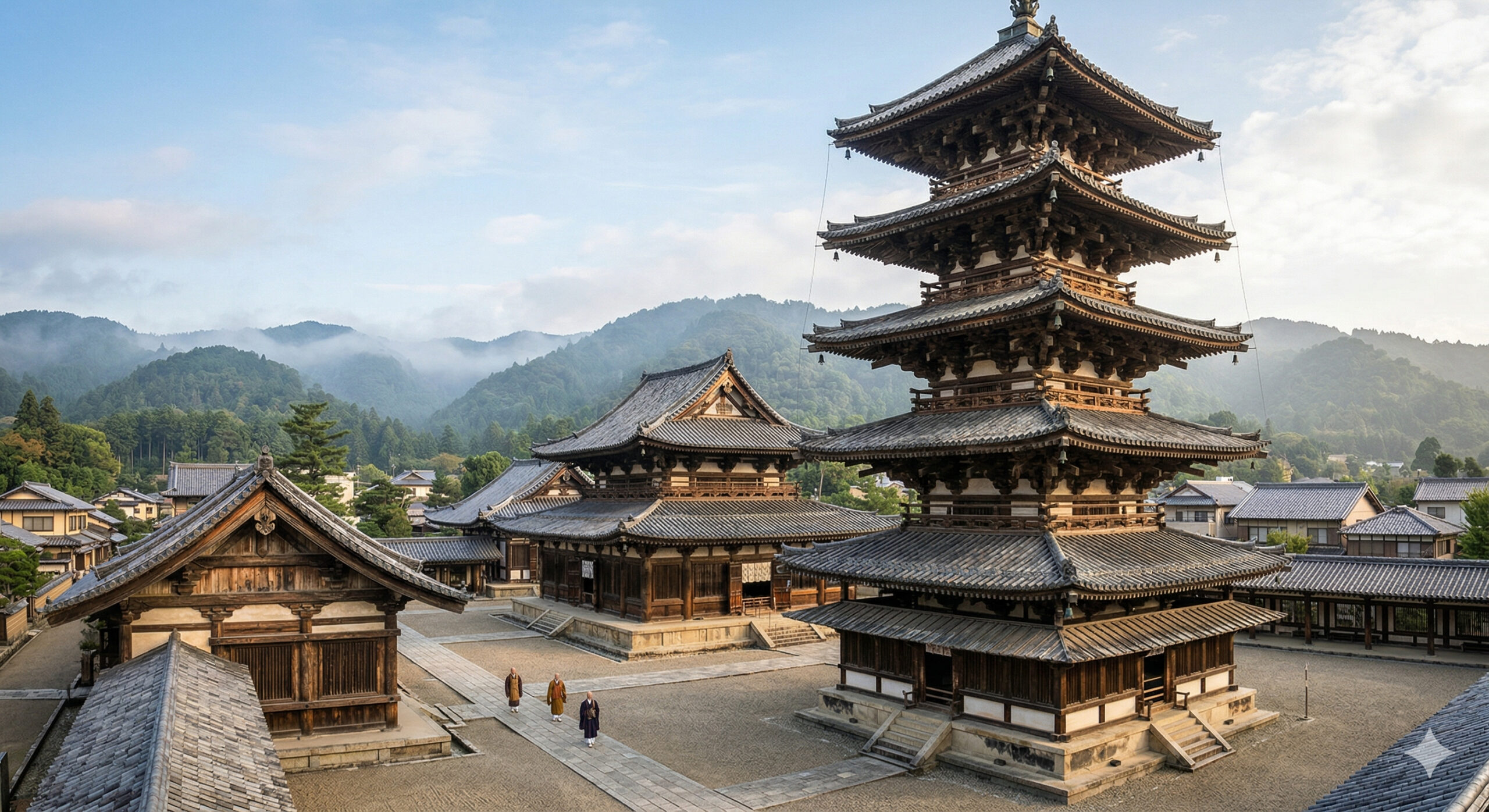
The ancient Japanese capital, planned over 1,200 years ago, still withstands earthquakes with colossal wooden temples and palaces, built without concrete or modern steel, by masters who created engineering capable of enduring centuries.
-
The lack of welders, electricians, and operators becomes a structural threat in 2025, with the construction industry and manufacturing already suffering from delays, cost pressures, and labor shortages in Brazil.
It is a large, wide, and stable structure, with a track widening system to further increase the base during operation.
Another highlight is the telescopic tower, which extends to gain height and increase drilling capacity. This also facilitates assembly and transportation on the Senna Tower site, as the tower can be retracted when necessary.
Drilling up to 50 m and 60 cm piles at Senna Tower

In the operation shown, the drilling indicated for the Mite CFA 3436 reaches up to 50 meters deep. In the monitored hole, the diameter used is 60 cm, and the process follows a practical sequence: drilling, removal of the auger, concreting through the hose, and then insertion of the rebar.
The very terrain of the Senna Tower is described with varying depths, with rock references in ranges approximately from 38 to 42, reaching up to 45 m, depending on the point. This causes the piles to vary and requires constant technical reading during drilling.
750 hp engine, seven pumps, and computerized operation

The Mite CFA 3436 presented at Senna Tower is described as a 100% computerized machine, with an operator’s cabin and monitoring of parameters during execution.
The engine is noted to have about 750 horsepower, positioned at the rear of the equipment, with two air filters visible in the structure.
During the explanation at the Senna Tower site, it is mentioned that the machine operates with seven pumps, and the operator discusses the dynamics of pressure and operation as the material changes.
A minimum torque of 300 bar is also mentioned, with readings varying according to soil conditions and the transition to rock.
When it reaches the rock: vibration, torque, and advancing centimeter by centimeter

One of the most striking moments of monitoring at Senna Tower is the transition from softer ground to rocky fragments and then to solid rock.
The operator describes that the machine starts to vibrate more, the speed decreases, and the advancement needs to be done carefully, at a much slower pace.
There is also a practical explanation of reading behavior: when the rock is smooth, the torque may decrease, and when there is relief, the torque tends to increase because the auger “nibbles” the irregularities. In the rocky section, drilling literally becomes a work of patience and control.
Concreting, “bubo,” and the pile profile at Senna Tower


After reaching the planned depth, concreting begins. The concrete is discharged and injected into the hole, with pressure readings in the system.
One point mentioned is the “bubo,” which in practice means allowing the concrete to settle and form a base at the bottom of the pile before pulling the auger.
In the monitored hole at Senna Tower, the panel shows the pile profile during concreting, and the final volume mentioned reaches 19.50 m³ of concrete in that cycle. This is the stage where the pile ceases to be just drilling and becomes a structure in fact.
Rebar insertion: crane, controlled zone, and spliced pieces

With the pile concreted, the insertion of rebar begins, done with the support of a crane, as the assembly is described as being over 30 meters long.
The rebar appears formed by spliced bars with clips, with variations in configuration depending on the pile.
At Senna Tower, it is also mentioned that the piles are fully reinforced and that the ground must undergo a lowering of about 9 to 10 m of excavation.
Therefore, the upper part of the pile is later leveled off, and the effectively utilized section is around 30 to 32 m.
Investment of around R$ 20 million and why it is unique in Latin America
The arrival of the Mite CFA 3436 at Senna Tower is associated with an investment described as around R$ 20 million to bring the equipment to Brazil.
The report states that it is the only machine of its kind in Latin America, with similar ones mentioned as being present in the United States and Europe.
The company responsible for bringing the equipment to the Senna Tower site is União Fundações, noted as being from the Santa Catarina region, with reference to Itapema.
What changes in the pace of the Senna Tower construction
In practice, the logic is productivity. A machine of this size allows for fast drilling in more favorable terrain, better control of the transition to rock, and keeps the pile cycle moving with concreting and rebar in sequence. For a project like Senna Tower, foundation means schedule. And schedule means cost.
By showing repositioning, stability pads, and the continuous operation of piles, the sensation conveyed is of a production line: while one pile receives rebar, the machine already starts drilling the next, keeping the Senna Tower site in motion.
Do you think a project like Senna Tower benefits more from giant machines like this or from more teams working in parallel with smaller equipment?




Seja o primeiro a reagir!