





 Português
  Inglês
  Espanhol
  3 min de leitura


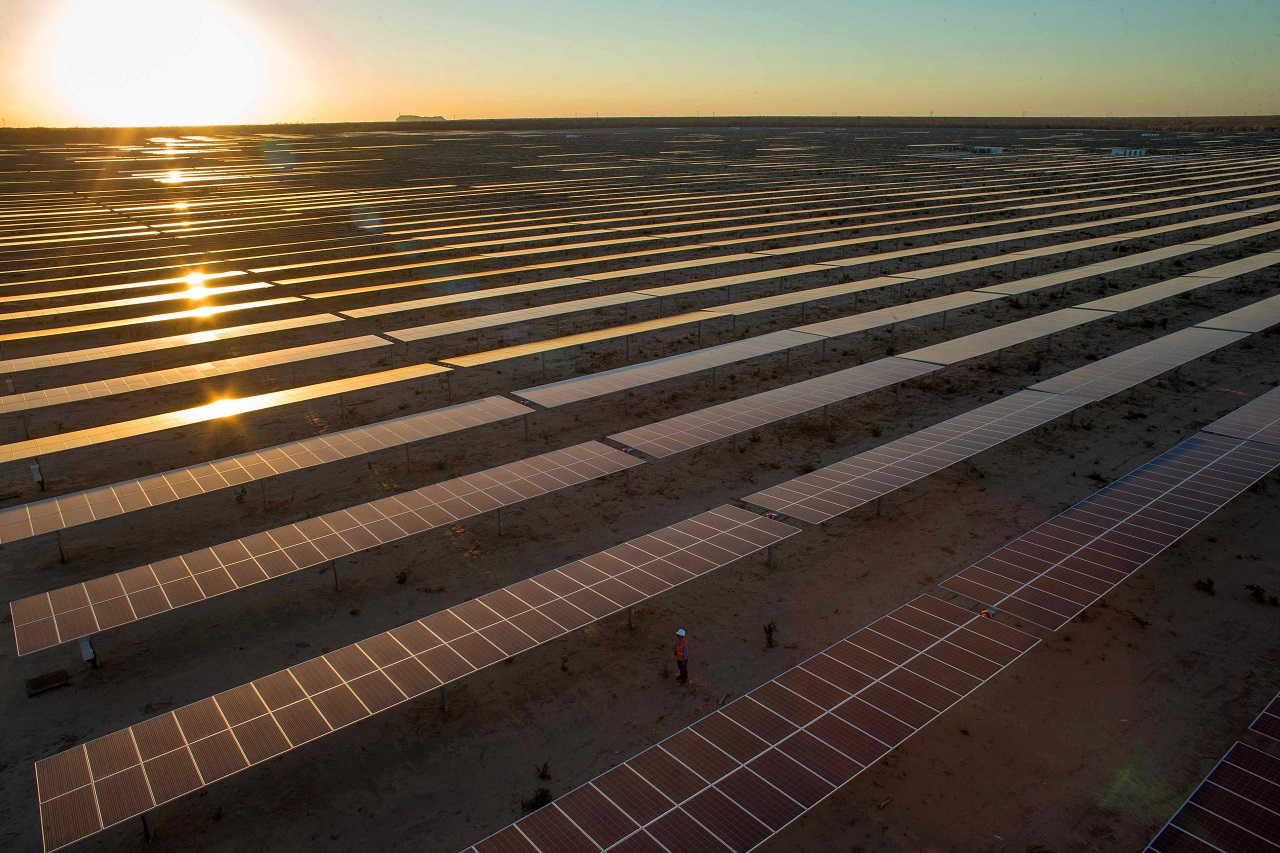
The Agreement Between Itaú and Enel Estimates That At Least €50 Million Will Be Invested.
It was announced this week that Itaú Unibanco and Enel Brazil signed an agreement for the supply of renewable energy to over 2,100 Itaú branches in Brazil. Most Itaú branches will be powered by solar energy generated by micro solar power plants developed by Enel X. Itaú also closed long-term contracts for the supply of nearly 1 terawatt-hour (TWh) for at least 564 branches. In addition to the announcement of the agreement, no further details about the negotiation or the value of the contracts were disclosed.
Itaú and Enel Strike Partnership to Provide Renewable Energy to Bank Branches
Itaú had already taken the first step in the distributed generation segment, with the aim of supplying around 200 branches of the bank in the state of Minas Gerais. However, now Itaú aims to significantly expand this segment to encourage the use of renewable energy.
According to the director of Itaú Unibanco’s Branches, Francisco Vieira, the branches had a much lower volume of renewable energy consumption, hovering around just 10%. However, with the new partnership with Enel, Itaú has reached a new level, where 80% of the consumption in the branches comes from renewable sources, marking a true milestone for Itaú’s ESG agenda.
-
Renewable energy advances over protected areas in Brazil, and a survey by the Energy Transition Observatory reveals silent impacts that challenge environmental conservation and pressure sensitive traditional territories.

-
Rio Grande do Sul accelerates energy transition: State invests in renewable technologies and consolidates decarbonization strategies and pathways to attract billions in new industrial investments.

-
With 160,000 m² of collectors, an area larger than 20 football fields, Silkeborg, in Denmark, hosts a solar thermal plant that heats 19,500 homes and could become the largest solar heating plant in the world.

-
A study reveals the expansion of renewable energy procurement in Brazil and shows how companies are taking advantage of opportunities to reduce expenses, ensure energy efficiency, and strengthen strategic environmental commitments.

Sustainability and Economy
Besides the fact that the agreement fulfills the commitment to sustainability, Itaú stated that there is also a significant economic benefit for the branches, although it did not reveal estimates of energy savings.
The director of Assets and Procurement at Itaú Unibanco, Claudio Arromatte, reported that the announced initiatives will also ensure greater predictability in energy costs, avoiding tariff fluctuations. Energy will be supplied to branches with load below 500 MW and served at low voltage, having characteristics that do not allow participation in the free market.
For branches with energy loads exceeding 500 MW, energy will be purchased in the free market, processes that will be handled by the trading company Enel Trading. In this specific case, contracts will have a term of up to 8 years, which may be renewed.
Investment in New Enel Plants
Not only will Itaú benefit from the closure of the partnership. For Enel, the contract with Itaú Unibanco also guarantees reaching a new level, as the agreement initially provides for the installation of at least 46 photovoltaic power plants for distributed generation, with a capacity of 54.7 megawatts-peak (MWp), which will meet about 80% of the consumption of at least 1,557 Itaú branches across 14 regions of Brazil.
The contract can already be considered the largest in distributed solar energy generation closed by Enel X worldwide. The model of the agreement is “Energy-as-a-Service” (EaaS), with a term of 10 years, which may be extended. Thus, all investment will be the responsibility of the utility. Analyzing current market values, it is estimated that the new ventures will receive at least €50 million.
The new Enel X plants will be installed in the following states: Rio de Janeiro, Paraná, São Paulo, Goiás, Minas Gerais, Bahia, Pernambuco, Ceará, Pará, Santa Catarina, Rio Grande do Sul, Espírito Santo, Mato Grosso, and the Federal District. Operations are expected to start in approximately 12 months.









Seja o primeiro a reagir!