





 Portuguese
  English
  Spanish
  4 min of reading
  0 comments


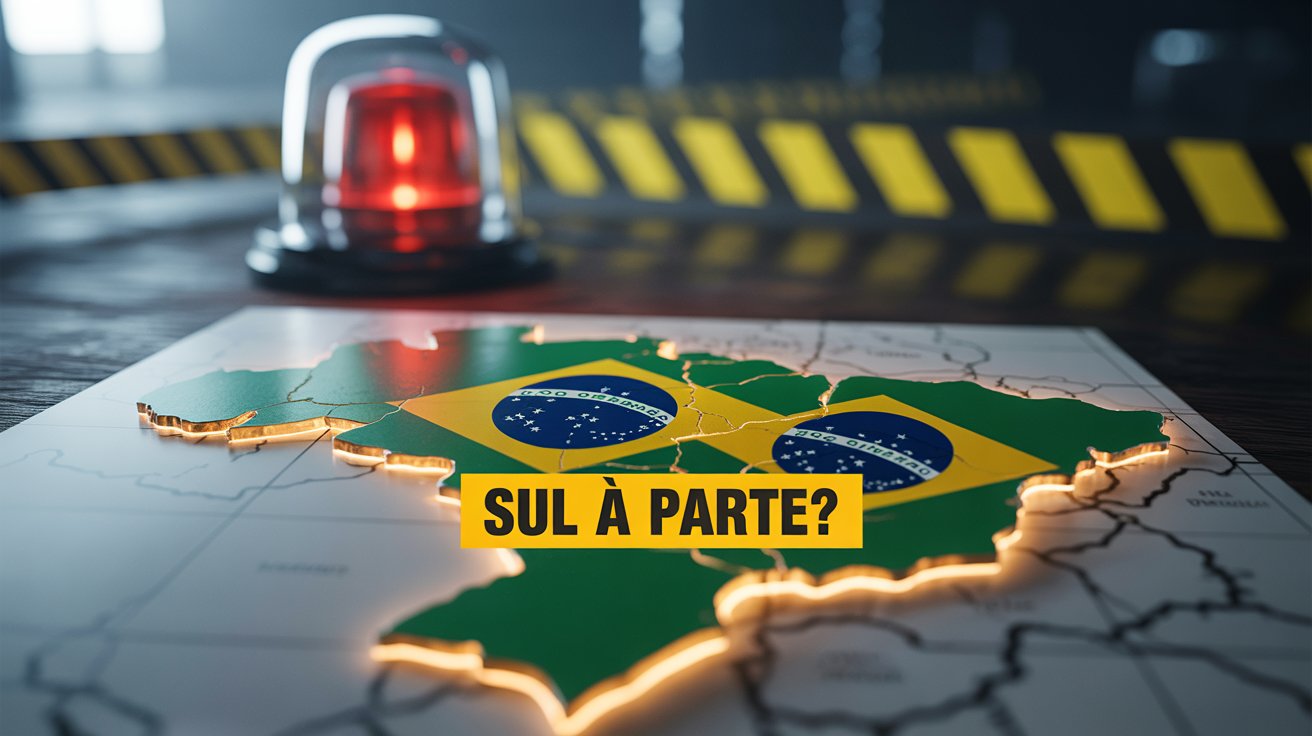
Debate About the Separation of the Southern States Returns to the Spotlight After Controversial Comments from a Governor at an Official Event.
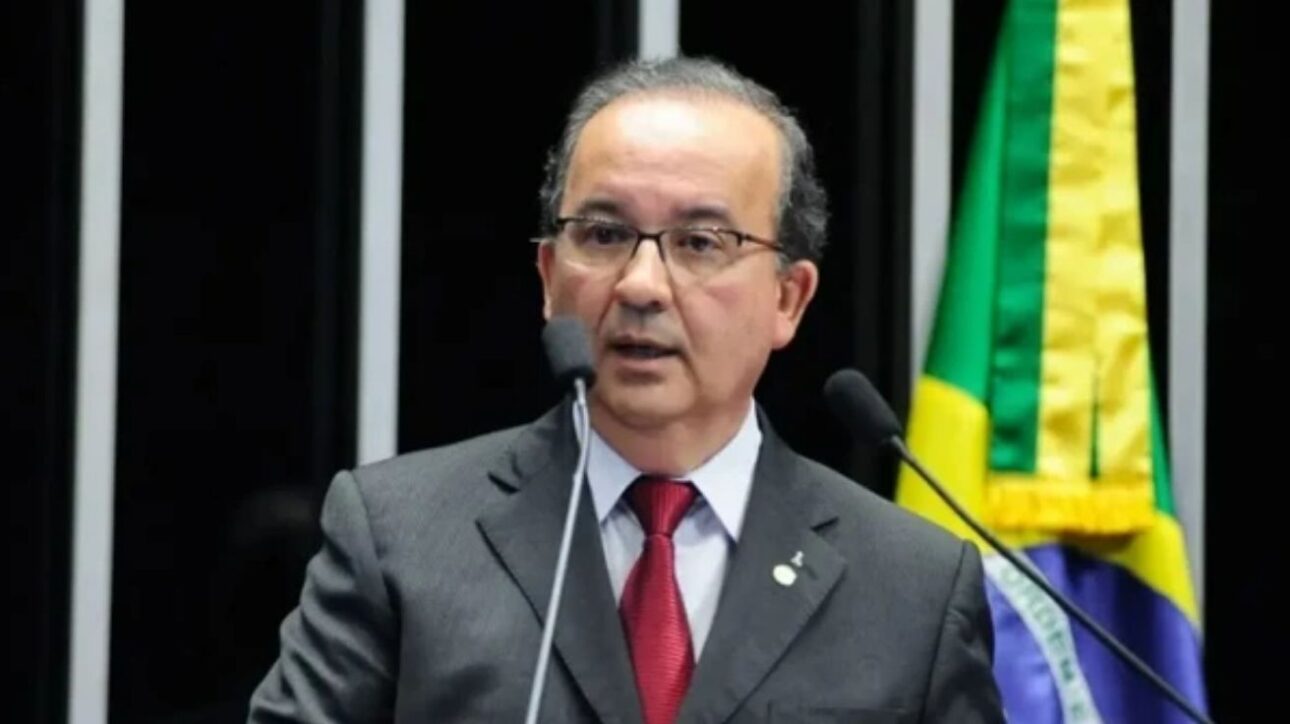
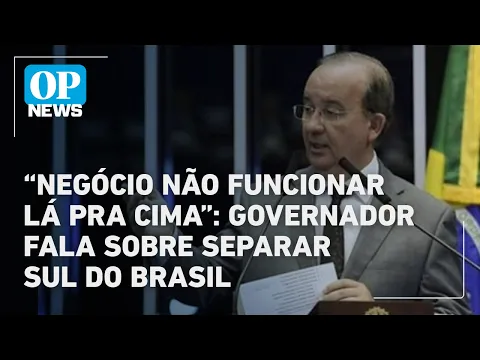
During the Construa Sul event, held in Curitiba (PR) on June 12, 2025, the governor of Santa Catarina, Jorginho Mello (PL), humorously suggested the separation of the Southern states from the rest of the country.
The comment was made in the presence of the governors of Rio Grande do Sul, Eduardo Leite (PSD), and Paraná, Ratinho Júnior (PSD).
While discussing the presence of two potential candidates for the Presidency of the Republic, Jorginho Mello stated: “We have two candidates for the Presidency of the Republic here. Soon, if things don’t go very well up there, we’ll measure from this side and make ‘the South is our country,’ right?”
-
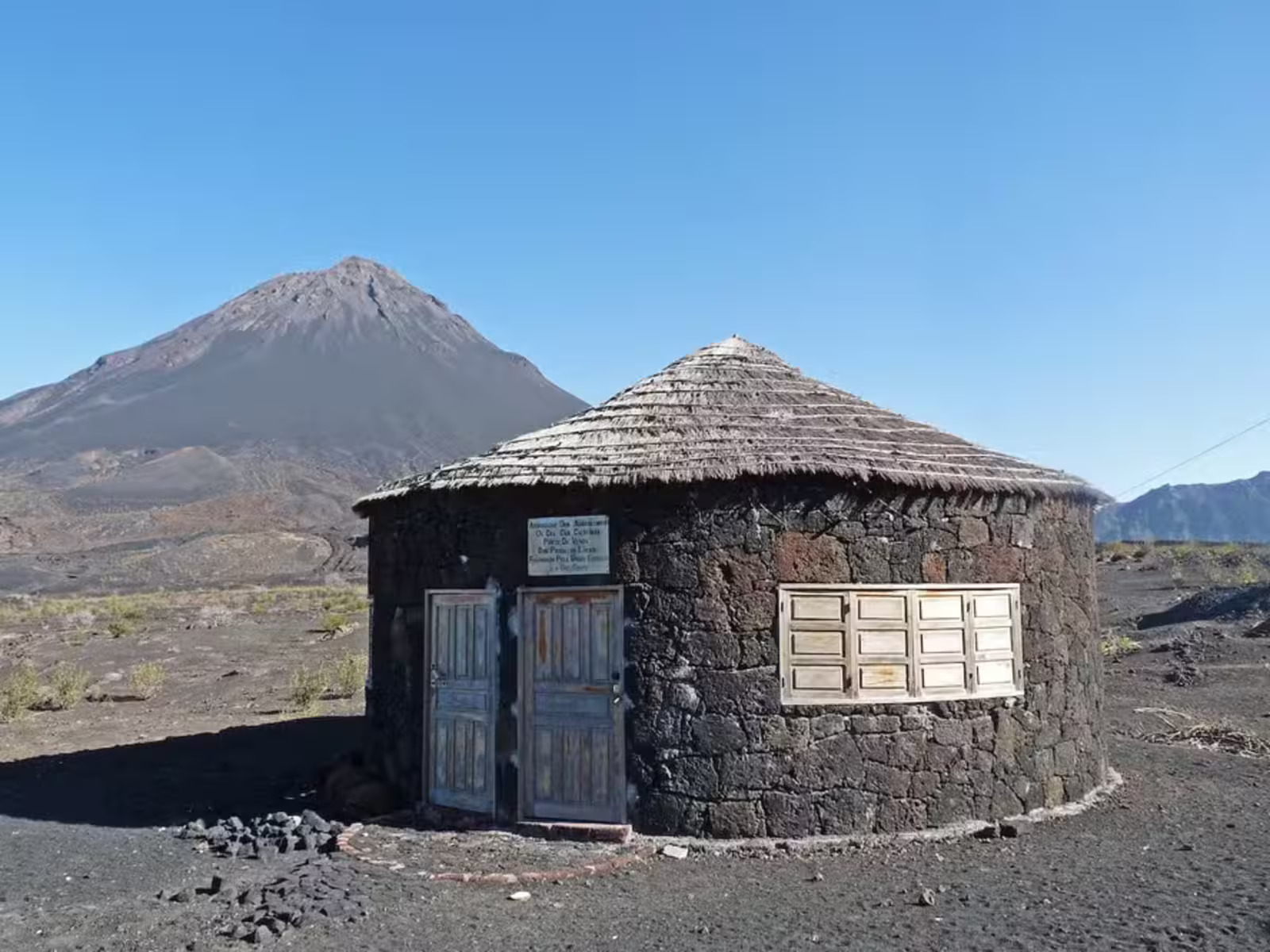
Inside an active volcano in Africa, residents use volcanic rocks to build houses in an impressive setting.
-
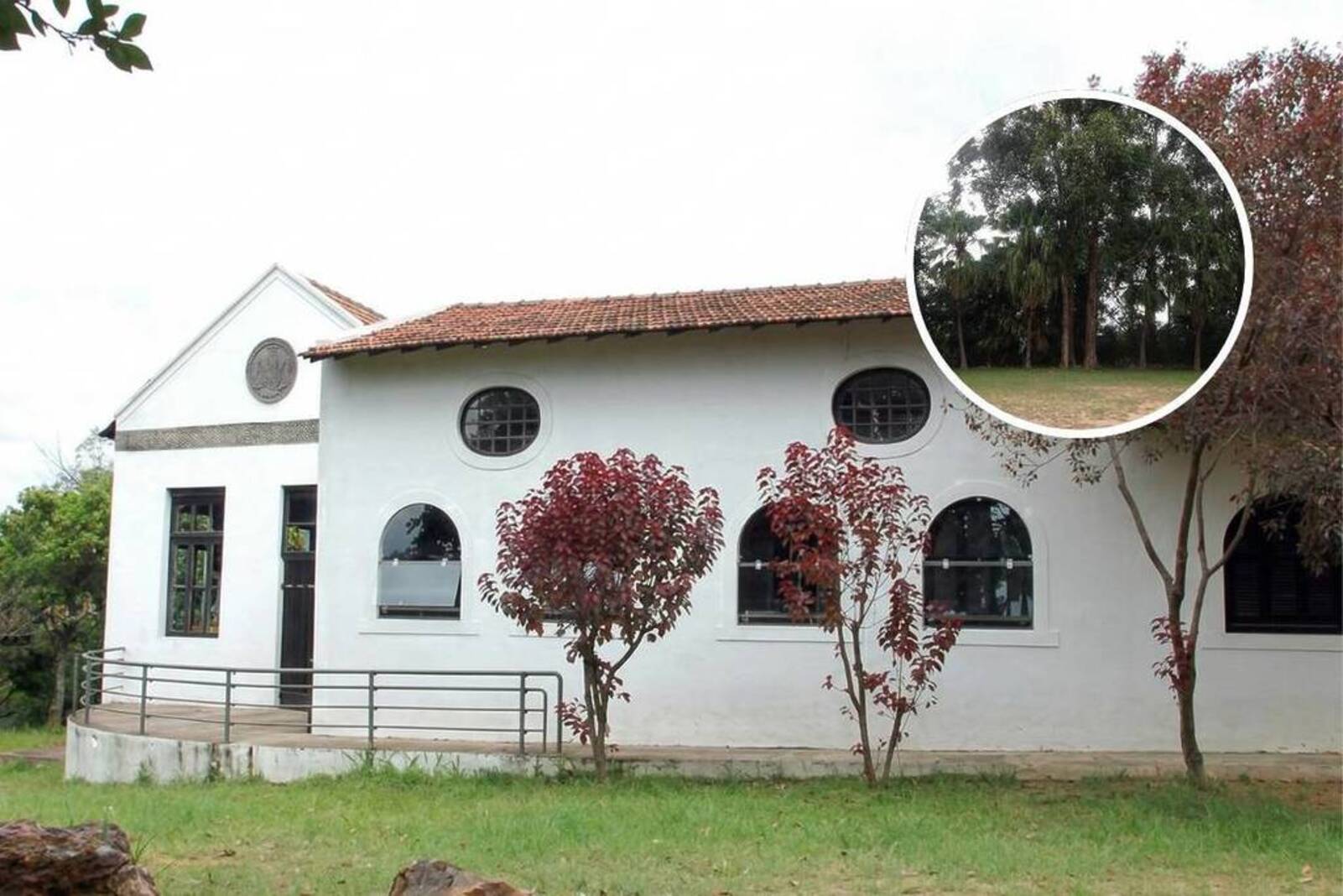
After 14 years of waiting, a rammed earth mansion built in 1702 in the North Zone of São Paulo will become a park with leisure facilities and green areas, with a million-dollar investment.
-
With 2 unfinished nuclear reactors, up to 25 billion in costs, and proven fraud, the Nukegate case has left 800,000 consumers still paying today for energy that will never be produced.

-
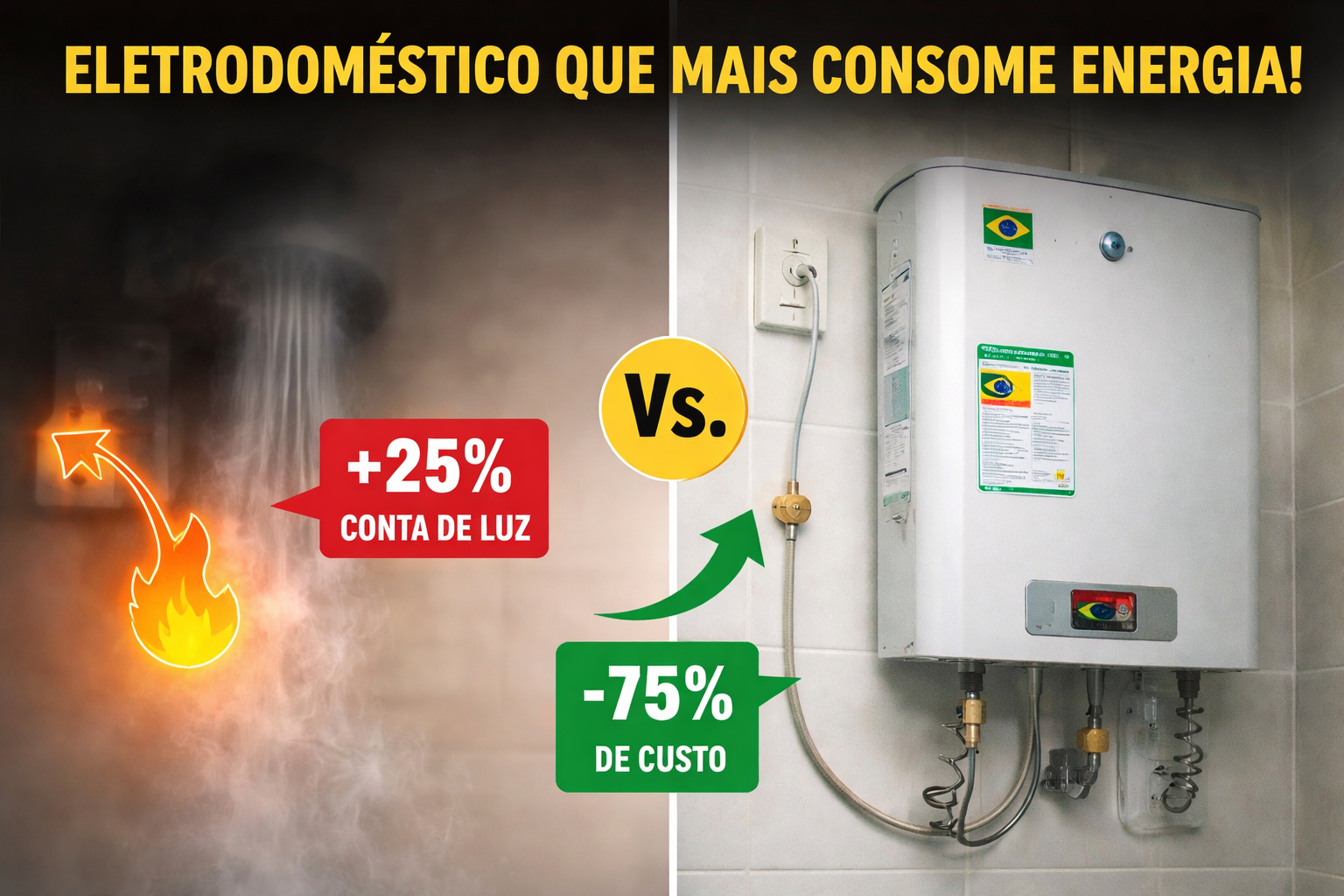
The household appliance that consumes the most energy in Brazilian homes is not the air conditioner; it is located in the smallest room of the house, is used daily, and can account for up to 25% of the electricity bill, while an alternative in the same outlet can reduce this cost by up to 75%.

The statement refers to the separatist movement called “The South is My Country”, which advocates for the separation of the states of Paraná, Santa Catarina, and Rio Grande do Sul from the rest of Brazil.
In addition to the comment about the “measuring tape,” Jorginho Mello also casually mentioned a territorial dispute involving the states of Paraná and Santa Catarina, related to the redefinition of state boundaries.
According to him, a measurement error revealed that an area equivalent to approximately 500 soccer fields, previously considered part of Paraná, actually belongs to Santa Catarina.
Mello stated: “The borders were a bit off, then we passed the ruler, he was generous and let us take it. But there wasn’t much good stuff up there, though.”
Reaction to the Separation of the Southern States on Social Media
The governor’s comment received widespread attention on social media, generating criticism from users and public figures.
Journalist Guga Noblat, for example, posted: “Joke from people in the South who think they are superior to the North and Northeast.”
Other users pointed to the historical tensions in the country.
Meanwhile, some members of the public treated the statement as a typical joke at political gatherings.
After the backlash, Jorginho Mello released a video on his social media on June 17, 2025, reiterating that his comments were meant in a light-hearted manner and that there was no real intention to propose the separation of the Southern states.
In the video, the governor stated that the dissatisfaction in the region is related to the federal resource distribution model.
According to him, “Our money goes to Brasília and comes back as crumbs. Here in Santa Catarina, we get back 10% of what we send… Brasília drains our resources. That’s the South’s frustration.”
History of the Southern Separatist Movement
The Southern separatist movement, known as “The South is My Country”, was created in 1992 in the city of Laguna (SC) by Adílcio Cadorin.
Currently, it is headquartered in São Sepé (RS) and has committees in different cities in the region.
The main objective of the organization is to promote the separation of the three states, citing historical, economic, and cultural differences from the rest of the country.
Since 2016, the movement has been conducting the Plebisul, an informal popular consultation with no legal value to gauge local public support for the separation proposal.
According to the organizers, the results have shown high support for the idea, although the percentage of participation in the plebiscite is low compared to the total electorate in the region.

Constitutional Issues Regarding the Southern Separatist Movement
According to the Federal Constitution of 1988, Brazil is a federation formed by the “indissoluble union of the States and Municipalities and the Federal District”.
The legislation does not allow the separation of states or territories by unilateral decision or popular consultation.
Constitutional law experts, such as Eduardo Carrion (Federal University of Rio Grande do Sul), emphasize that even if there is popular support, any change in that direction would require an amendment to the Constitution and consensus in the National Congress.
The Southern separatist movement also references the principle of self-determination of peoples, recognized in international law, but there are no precedents for applying this concept to economically developed regions in democratic countries with rigid constitutions.
Economic Arguments for the Separation of the Southern States
Among the main arguments presented by the Southern separatist movement is the difference in tax collection and the return of federal resources to the Southern states.
According to data from the Brazilian Institute of Geography and Statistics (IBGE) and the Federal Revenue Service, the states of Paraná, Santa Catarina, and Rio Grande do Sul contribute high percentages of tax revenue to the Union, receiving back, in direct investments, a proportion lower than what they contributed.
However, official data also show that in emergency or disaster situations, such as the floods in Rio Grande do Sul in 2024 and 2025, the region received significant amounts in federal transfers, exceeding the state’s regular budget.
Adherence to the Southern Separatist Movement
The Southern separatist organization has about 30,000 members and 300,000 supporters, according to the movement’s own records.
In editions of the Plebisul held in 2016 and 2017, the percentage of votes in favor of separation reached 95%, considering only the votes cast.
However, participation was limited to less than 5% of the electorate in the three states.
Do you believe that the discussion on the separation of the Southern states could gain momentum in the upcoming elections or will it remain restricted to regional debate? Share your opinion!






-

2 pessoas reagiram a isso.