





 Portuguese
  English
  Spanish
  5 min of reading
  15 comments


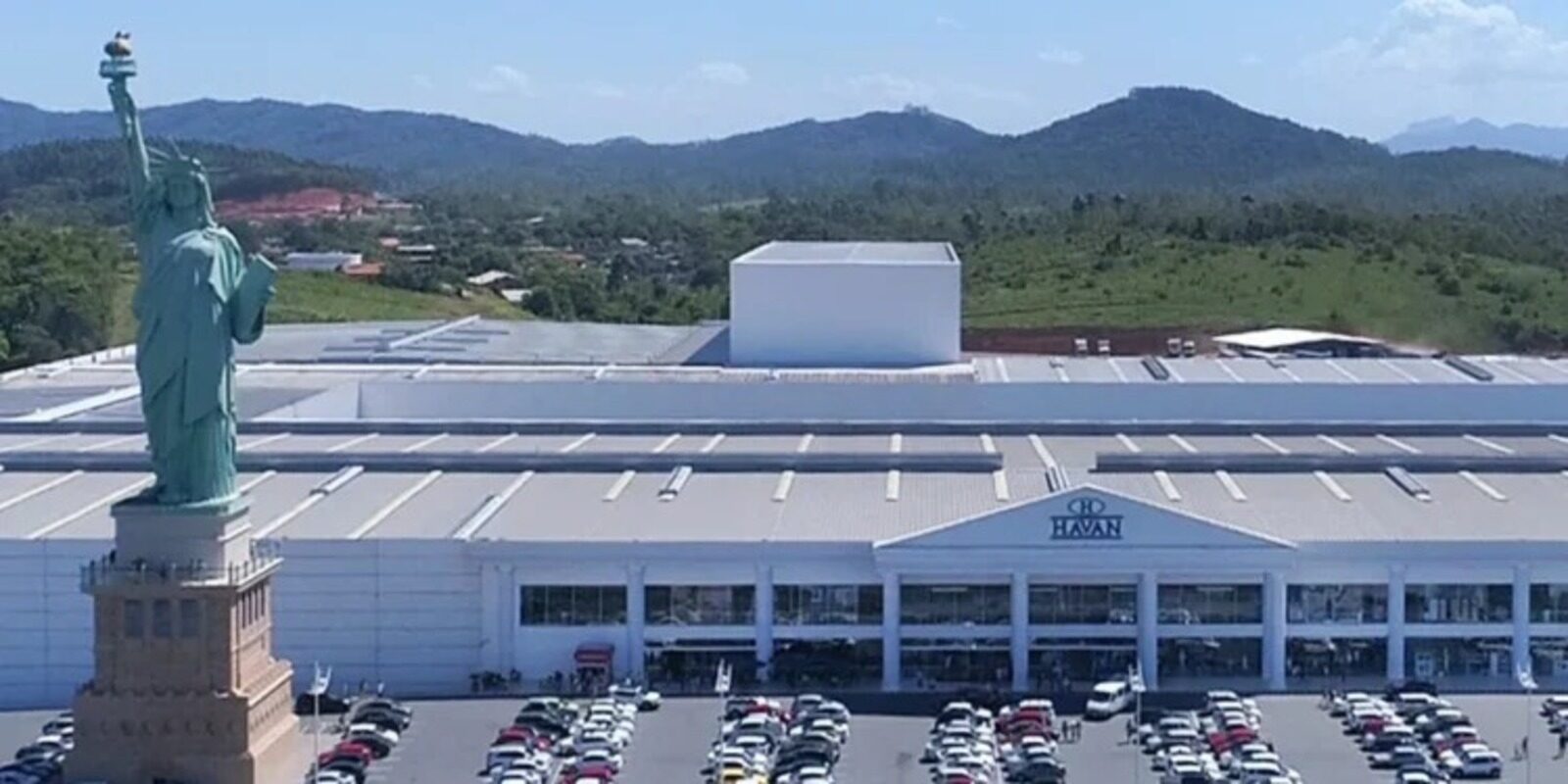


Replicas of the Statue of Liberty Have Accompanied Havan Since 1995, Reinforcing the Identity of the Retail Chain and Sparking Curiosity Among Customers and Tourists
Havan, one of the largest retail chains in Brazil, adopted an unusual symbol to mark its presence: replicas of the Statue of Liberty. Each of these pieces costs approximately R$ 1.5 million and has become part of the company’s visual identity since 1995, when the first one was erected in Brusque, Santa Catarina.
The idea was born in 1994, when a child suggested to Havan’s founder, Luciano Hang, the installation of a statue similar to the one in New York.
The proposal was accepted, and in the following year, the company’s headquarters received the monument. For the chain, the symbol represents the “freedom of choice,” offering customers variety and competitive prices.
-
He started running at 66 years old, broke records at 82, and is now a subject of study for having a metabolic age comparable to that of a 20-year-old, in a case that is intriguing scientists and inspiring the world.

-
Oldest tree on the planet reappears after 130 years of searches: Wattieza, 385 million years old, was 10 meters tall and had no leaves or seeds; Gilboa fossils in New York solved the mystery in 2007.

-
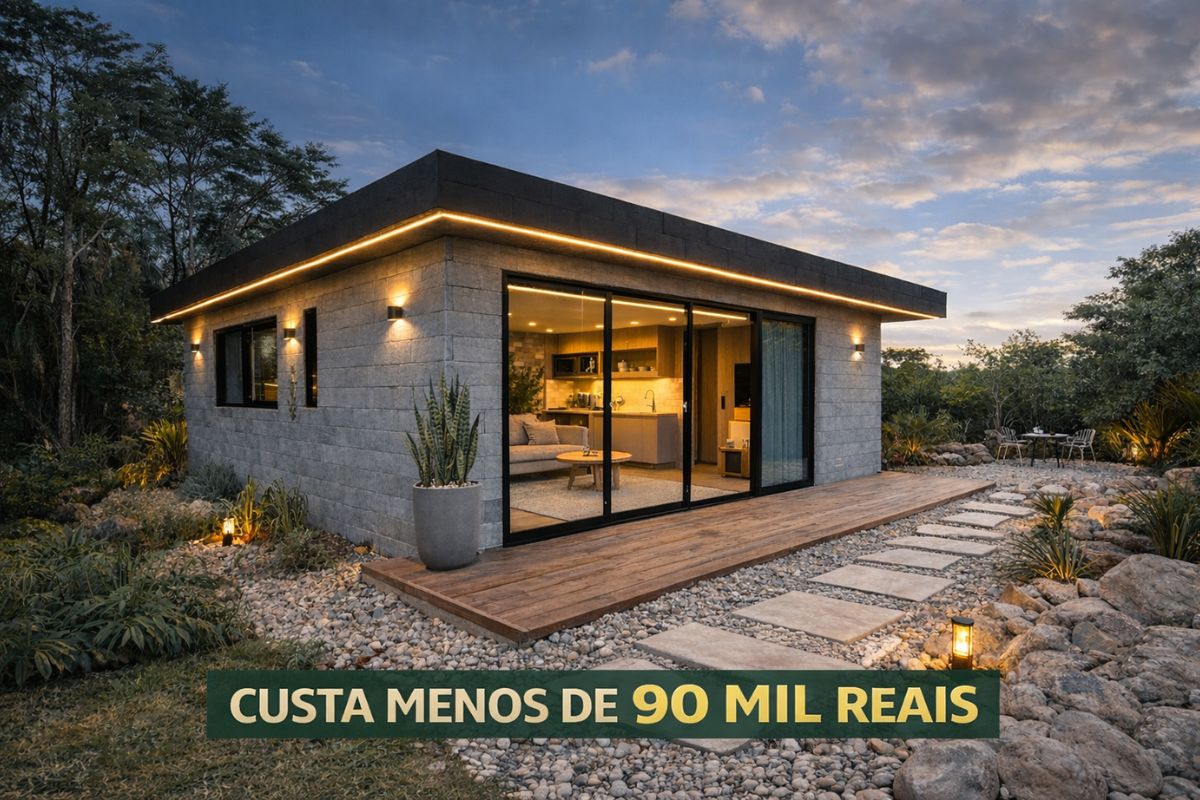
A 48-square-meter house assembled in hours with 4,000 bricks made of recycled plastic that does not absorb moisture, has natural thermal insulation, and costs less than 90,000 reais in a complete kit.
-
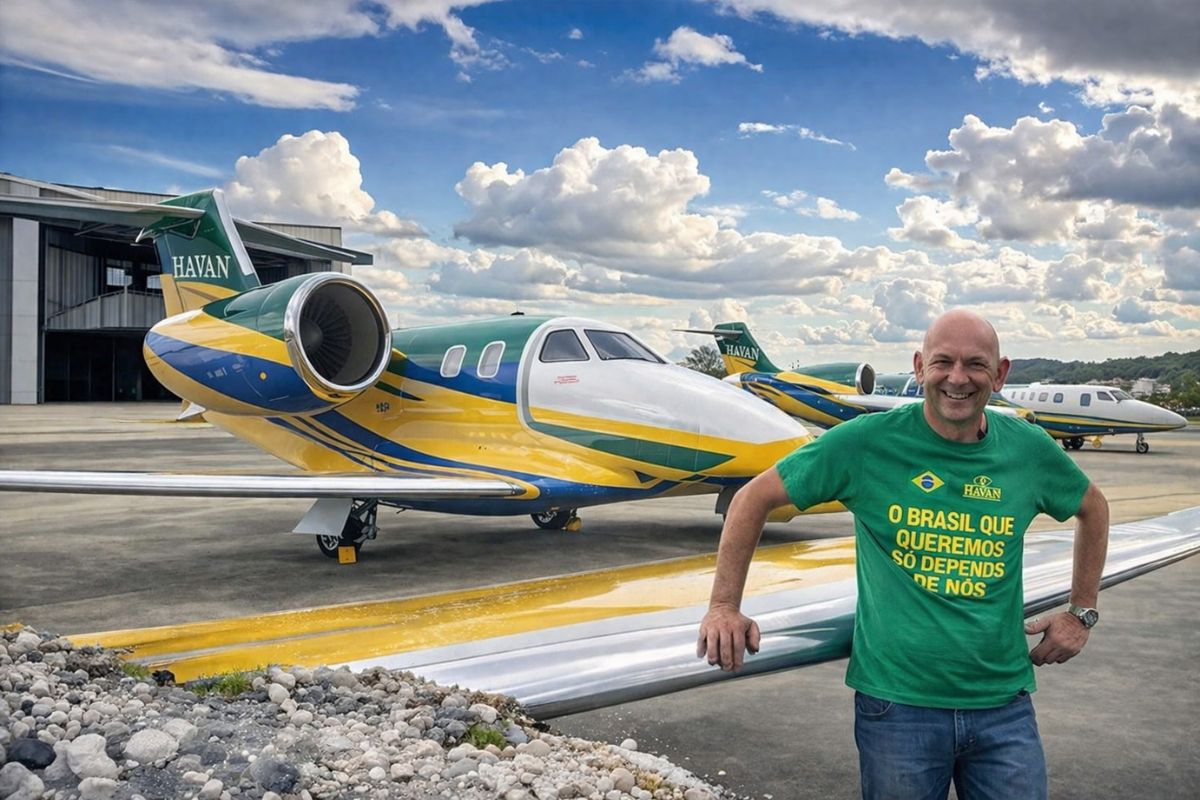
Luciano Hang revealed that Havan’s air fleet has already accumulated more than 20,000 landings, 10,000 flight hours, and 6 million kilometers traveled, and he says that without the planes, the company would never have grown so quickly.

Most importantly, these replicas impress with their size. Each one is made of fiberglass, stands 40 meters tall, and weighs about 3.6 tons.
The process requires the participation of six companies and around fifty professionals. The execution takes about a month until final installation.
Therefore, this is not just an architectural detail, but a carefully designed project to reinforce the brand and attract attention.
The statues are positioned in high-traffic areas, usually near highways, which enhances visibility and also sparks interest from tourists.
In addition, these monuments face challenges from the passage of time and human actions. In Rio Grande do Sul, a strong wind of 80 km/h knocked down one statue.
In Porto Velho, the monument was the target of arson, highlighting the risks that accompany such large structures.
However, not always is the presence welcomed. In São Luís, the installation of a replica raised cultural and heritage questions, revealing that the symbol can divide opinions even while carrying the weight of a consolidated brand.
With information from Correio do Estado.
You Might Also Like: Bars in Japan Decided to Sell Slaps in the Face for 500 Yen
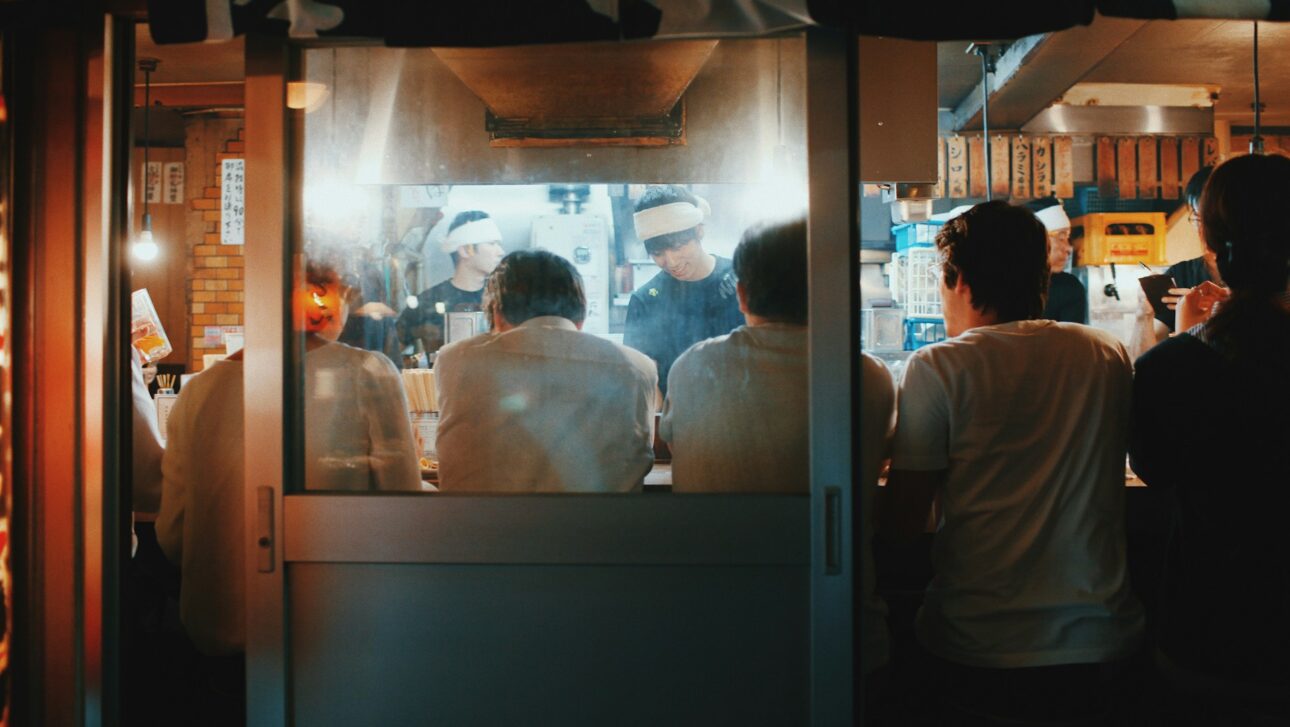
In bars, people seek different experiences. Some just want to drink, others prefer to meet friends, and there are those looking for love. In some places, there was an unexpected option: pay for a slap to “recover sobriety.”
This was the proposal of a traditional Japanese chain until recently. For a small fee, around three euros, waiters offered loud and memorable slaps. The idea seemed eccentric but found its place on the menu of izakayas, typical bars in the country.
Slaps à la Carte
On a typical bar menu, you find soft drinks, beers, and some snacks. Therefore, it is curious to imagine a list with slaps à la carte. Yotteba, famous for its chicken wings and beer, offered exactly that.
According to reports from the Independent and South China Morning Post (SCMP), until two months ago, the chain allowed customers to pay to receive a “binta,” the term used for a slap in the face.
The news generated surprise, but it was not fiction. There were even videos on social media showing people sitting still, waiting for waitresses to deliver the slap, while colleagues applauded and laughed.
A Slap, 19 Reais
The prices were well defined. To receive a slap from any attendant, you just had to pay 500 yen, equivalent to R$ 19.
There was also the option to choose who would deliver the slap. In that case, the cost increased by 100 yen, about R$ 4 extra.
Thus, for less than R$ 25, the customer could leave the bar with their favorite waiter’s handprint on their cheek.
The reason, according to the company itself quoted by SCMP, was simple: to provide a method to regain sobriety after overindulging in sake or beer.
Tracing Back to the 19th Century
The term “binta” has its history. The Independent explains that its origin traces back to the Kagoshima region in southern Japan.
It initially meant “head.” Over time, between the 19th century and the early 20th, during the Meiji era, it came to be associated with blows delivered by police to criminals.
Despite these roots, the term gained new ground in lighter contexts, such as hospitality. In videos, the slaps are given amidst laughter, in a relaxed environment, as part of a curious scene in bar culture.
A Business with Weak Points
The unusual idea, however, did not succeed. Yotteba decided to end the slap service in October. The chain justified the change due to issues of demand and image.
“We’ve been doing this for over two years in our restaurants, but it didn’t seem very popular”, a spokesperson told This Week in Asia. Furthermore, they explained that the company is growing and wishes to change its image.
According to outlets like SCMP, there was even a report of injuries. This may have hastened the end of the practice, even though the tone was described as “playful.”
Other Similar Experiences
Yotteba was not the only one to explore this curiosity. Before the pandemic, the Shachihoko-ya chain also offered slaps to its customers.
The initiative gained traction on social media, with viral videos of people receiving slaps amid laughter.
The company discontinued the service, but in 2023, the videos resurfaced and circulated even in outlets in Europe and the U.S.
The management needed to reinforce that the current menu includes only food and drinks, nothing involving slaps.
Another example was Nagoya Lady’s Slap. In this case, the cost was 300 yen, about R$ 11. The customer received the slap from a waitress dressed in a kimono.
If they preferred who would deliver the slap, they paid an extra fee, following the same logic as Yotteba.
Curious Yes, Strange No
The practice generated astonishment outside of Japan, but it was not exactly a novelty within the country. Amid applause and laughter, many customers recorded the moments in videos shared on social media.
However, industry companies eventually abandoned the service. The bars decided to preserve their image, opting for more traditional menus.
The case of “binta” shows how even the simple act of drinking can take on eccentric versions. Slaps on demand are now out of the picture but left reminiscences of a curious trend in Japanese bars.
With information from Xataka.








Se o Brasil, está desmoralizado perante o mundo, então, é melhor seguir caminhos diferentes.
ESSAS ESTÁTUAS POLUEM!
NIMGUEM MERECE VER O SIMBOLO DA SUBSERVIENCIA TRAVESTIDA DE LIBERDADE!
PORQUE NÃO UM SIMBOLO QUE NOS REPRESENTA?
POUCA CRUATIVIDADE ESSA RÉPLICA!
Quantas estátuas dessas da comprar com apenas um relógio do lula ?