





 Portuguese
  English
  Spanish
  5 min of reading
  0 comments


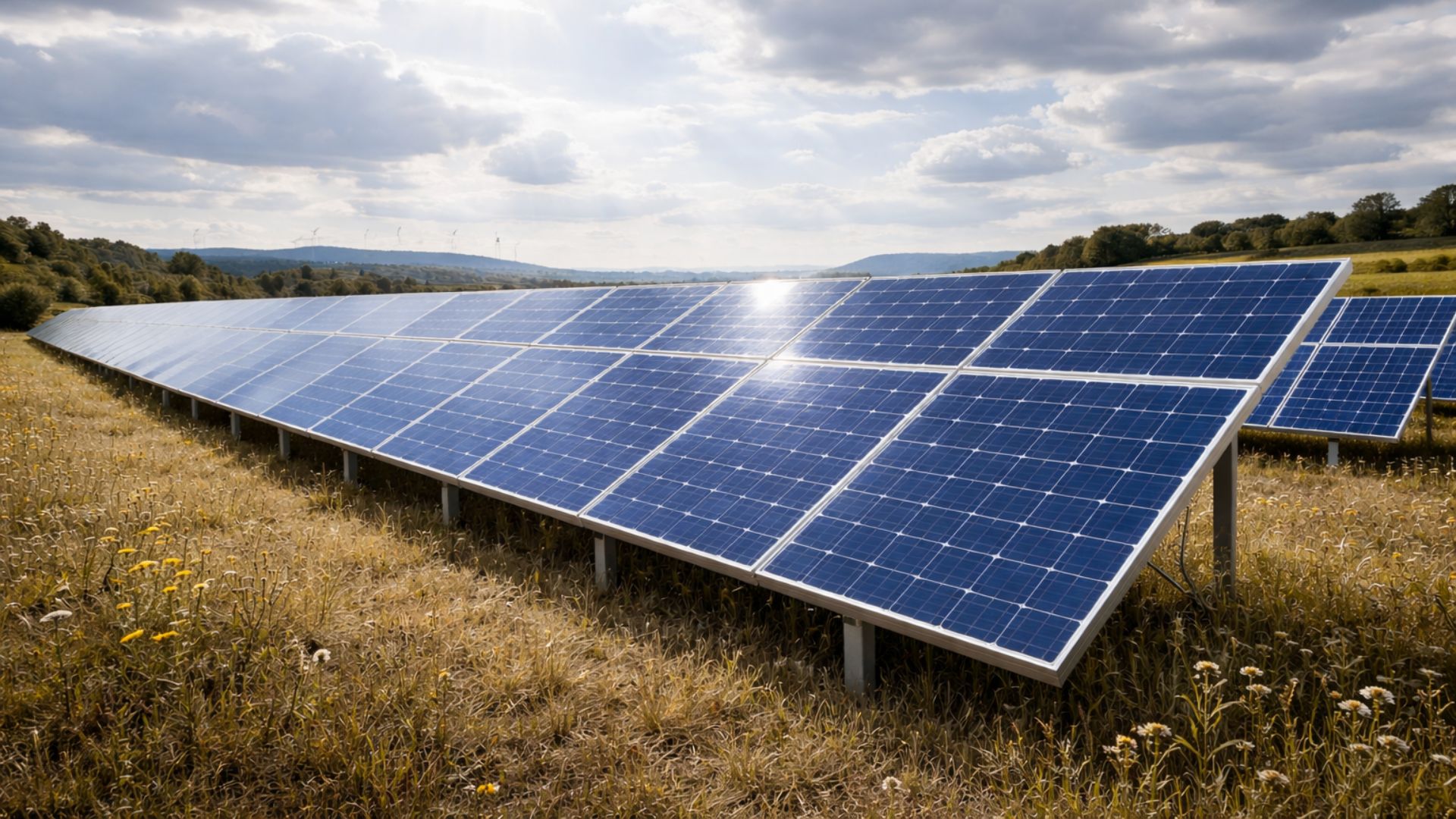
Jacareí invests in solar energy with a new photovoltaic plant to expand sustainability, reduce public expenses, and modernize management with energy efficiency in essential municipal services.
Jacareí has initiated a strategic project aimed at changing the way public administration consumes energy. The implementation of a photovoltaic plant represents an advance in sustainability and efficient management, with a direct impact on municipal finances.
With an estimated investment of R$ 7.8 million, the initiative anticipates an annual savings of at least R$ 1.5 million. This amount, although dependent on the system’s performance over time, indicates the potential for reducing expenses on electricity, one of the most relevant fixed costs for any municipality.
According to the city hall, the construction is already in the earthworks phase and is part of a set of actions aimed at modernizing public management. The expectation is that the system will start operating by 2026, reinforcing Jacareí’s role as a city aligned with new demands for sustainability and energy efficiency.
-
Maricá transforms Risca-Faca into Leonel Brizola Neighborhood with solar energy and promises to reduce costs for families while promoting dignity, urbanization, and social development in a historically vulnerable community.

-
The future of the electrical grid: How Virtual Power Plants (VPPs) are revolutionizing the monetization of solar energy and creating new income sources for consumers in 2026.

-
Revolution in the electric sector: ANEEL approves the operation of the first BESS project co-located with a solar plant in Brazil to stabilize the grid and optimize renewable generation in 2026.
-
Sustainable culture in motion: Cine Céu travels through Brazilian cities and promotes free and clean entertainment through the use of solar-powered cinema.

Structure of the photovoltaic plant in Jacareí and the functioning of solar energy in practice
The photovoltaic plant is being installed on a public land of approximately 19,000 square meters, located along the Geraldo Scavone Highway. Before the start of construction, the project went through essential stages, such as environmental licensing, land clearing, and area preparation.
The system operates through the photovoltaic effect, a technology that allows the conversion of sunlight into electrical energy. Solar panels capture solar radiation and convert it into usable electricity.
The maximum expected capacity for the plant is 1 MWp (megawatt-peak). In practice, this means that the generated energy can be converted into energy credits, which will be used to offset the consumption of different public units.
Among the main anticipated uses are:
- Supply of municipal public buildings
- Offsetting expenses with public lighting
- Reduction of expenses in essential services
This model allows for a more intelligent management of consumption, making solar energy a strategic asset within the public administration of Jacareí.
Sustainability takes center stage with solar energy in the public management of Jacareí
The adoption of a photovoltaic plant strengthens Jacareí’s commitment to sustainability. More than just an economic solution, the project represents a paradigm shift in how the municipality deals with natural resources.
Solar energy is a clean and renewable source that does not generate greenhouse gas emissions during its production. This directly contributes to reducing environmental impact and meeting global decarbonization goals.
According to the International Energy Agency, the expansion of solar energy has been one of the main drivers of the global energy transition, especially in countries seeking more sustainable alternatives.
By investing in sustainability, Jacareí not only reduces costs but also improves its institutional image and positions itself as a city committed to the future.
Resource economy and energy efficiency with the photovoltaic plant
One of the most relevant points of the project is the positive financial impact on public coffers. The estimated savings of at least R$ 1.5 million per year can represent a significant difference in the municipal budget over time.
This reduction occurs because the energy generated by the photovoltaic plant decreases dependence on the conventional power grid. As a result, the administration will spend less on energy tariffs, which tend to undergo frequent adjustments.
In addition to direct savings, there are other important benefits:
- Greater predictability in energy spending
- Reduction of exposure to tariff increases
- Possibility to reallocate resources to priority areas
Energy efficiency is also enhanced, as consumption is offset strategically. This allows for a more balanced and sustainable management of public resources.
Urban planning and innovation allied to sustainability in Jacareí
The implementation of the photovoltaic plant also reflects a more modern and integrated urban planning. The choice of land, with about 19,000 square meters, demonstrates the intelligent use of public areas for structuring projects.
The investment of R$ 7.8 million should not be viewed merely as a cost, but as a long-term investment. Solar energy systems typically have a long lifespan and require low maintenance, which enhances the return over the years.
Moreover, the project contributes to:
- Modernization of energy infrastructure
- Encouragement of technological innovation in the public sector
- Stimulus to similar initiatives in the private sector
This approach reinforces Jacareí’s role as a city that seeks innovative solutions to traditional challenges, such as the high cost of energy.
Steps of implementation and expected operation of the photovoltaic plant
The project follows a structured timeline, with completed stages and others underway. So far, environmental licensing, land clearing, and area preparation have been carried out.
The current earthworks phase marks the effective start of physical construction. Next, the solar panels will be installed, and necessary tests will be conducted to ensure the proper functioning of the system.
The expectation is that the photovoltaic plant will begin operations by 2026. When fully operational, the structure will have the capacity to generate enough energy to offset a significant portion of the public administration’s consumption.
This advancement consolidates solar energy as a permanent public policy in Jacareí, with benefits that are expected to extend for many years.
A concrete step toward a more efficient and sustainable city
The implementation of the photovoltaic plant represents more than just an infrastructure project. It is a strategic decision that combines sustainability, innovation, and fiscal responsibility.
By investing in solar energy, Jacareí transforms a recurring cost into an opportunity for savings and efficiency. The expectation of saving at least R$ 1.5 million per year reinforces the direct impact of the initiative on public management.
Furthermore, the project helps reduce environmental impacts, improve the use of public resources, and strengthen the municipality’s energy autonomy.
With this initiative, Jacareí demonstrates that it is possible to align urban development, sustainability, and energy efficiency in a practical and consistent manner, serving as a reference for other Brazilian cities seeking intelligent solutions for the future.









Seja o primeiro a reagir!