





 Portuguese
  English
  Spanish
  6 min of reading
  0 comments


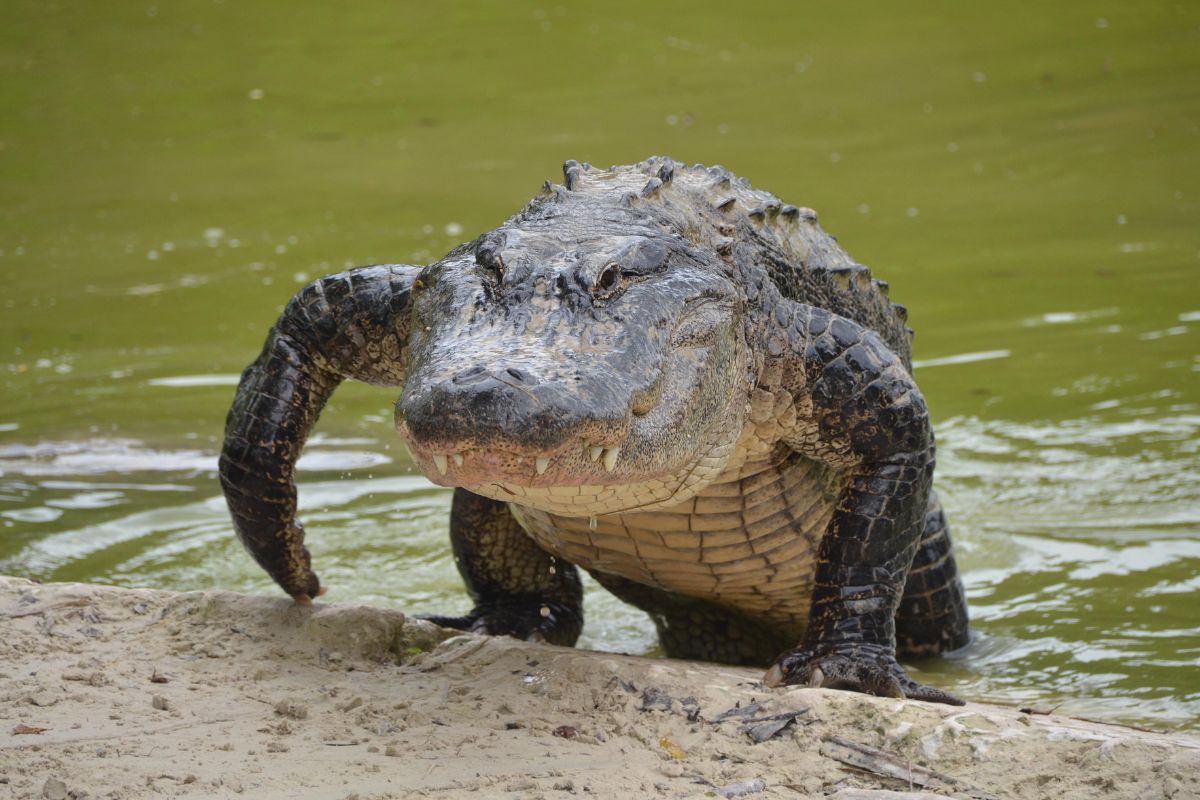
In Florida And Coastal Swamps In The Southeastern USA, American Alligators Alligator Mississippiensis Dig Deep Holes And Open Trails That Hold Water During The Drought Of January 2026. These Refuges Keep Fish, Amphibians And Birds, Help Contain Turf Fires And Elevate Carbon Stocks In The Soil For Decades
In Florida, Especially In The Everglades, Alligators Began To Be Treated By Scientists As “Ecosystem Engineers” In 2026, Especially When The Region Faces Conditions Of Extreme Drought. The Central Role Is In The Way These Animals Reshape The Land And Alter Water Circulation In Flooded Areas.
In The Southeastern United States, From Coastal Swamps To Large Wetlands, The Recovery Of Populations After Decades Of Conservation Has Become A Practical Strategy To Maintain Regional Hydrological Health. Deep Holes, Open Trails And Preserved Microhabitats Form A Survival Network That Sustains Biodiversity, Reduces Fire Risk And Reinforces Carbon Stocks In The Soil.
Where Does This Happen In The Southeastern United States In 2026

In Florida, The Phenomenon Is Most Emblematic And Closely Observed In The Everglades National Park, Where The Alternation Between Dry And Wet Seasons Is Marked And The Dry Season Runs From October To May.
-
Expedition 501: Scientists drill into the ocean floor and discover a giant reserve of fresh water hidden beneath the sea, extracting nearly 50,000 liters and revealing an invisible system that could reshape the map of water scarcity.

-
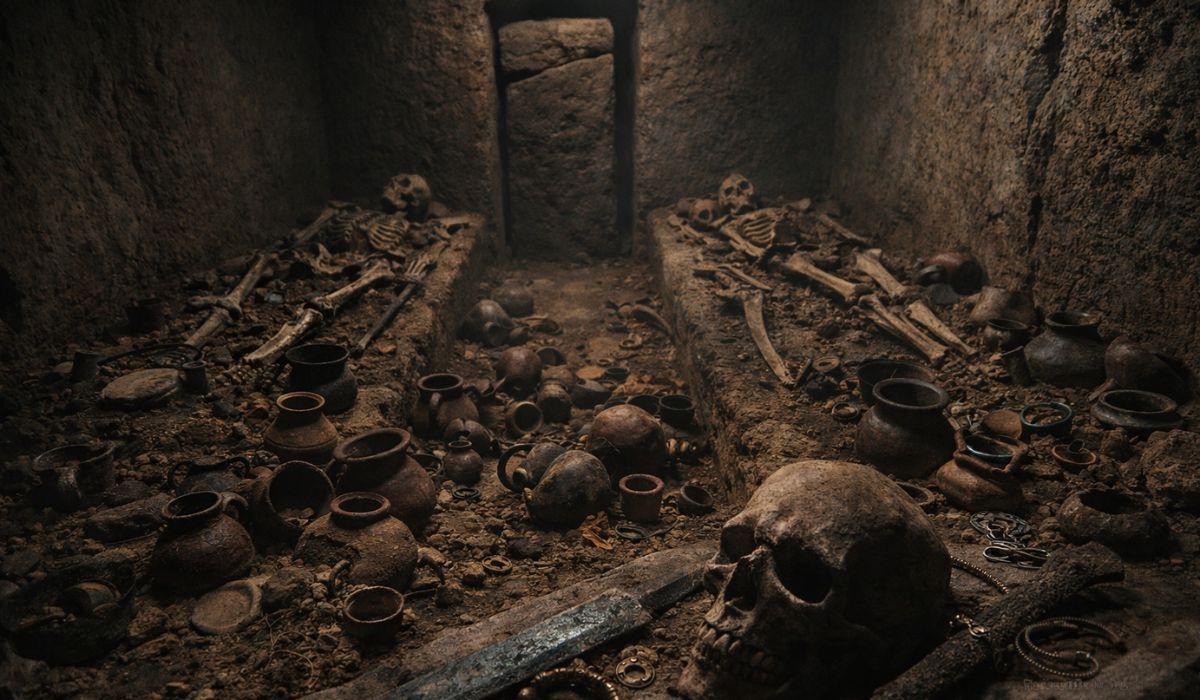
Archaeologists find an intact tomb over 2,500 years old, with more than 100 preserved objects, weapons, jewelry, and human remains never touched.
-
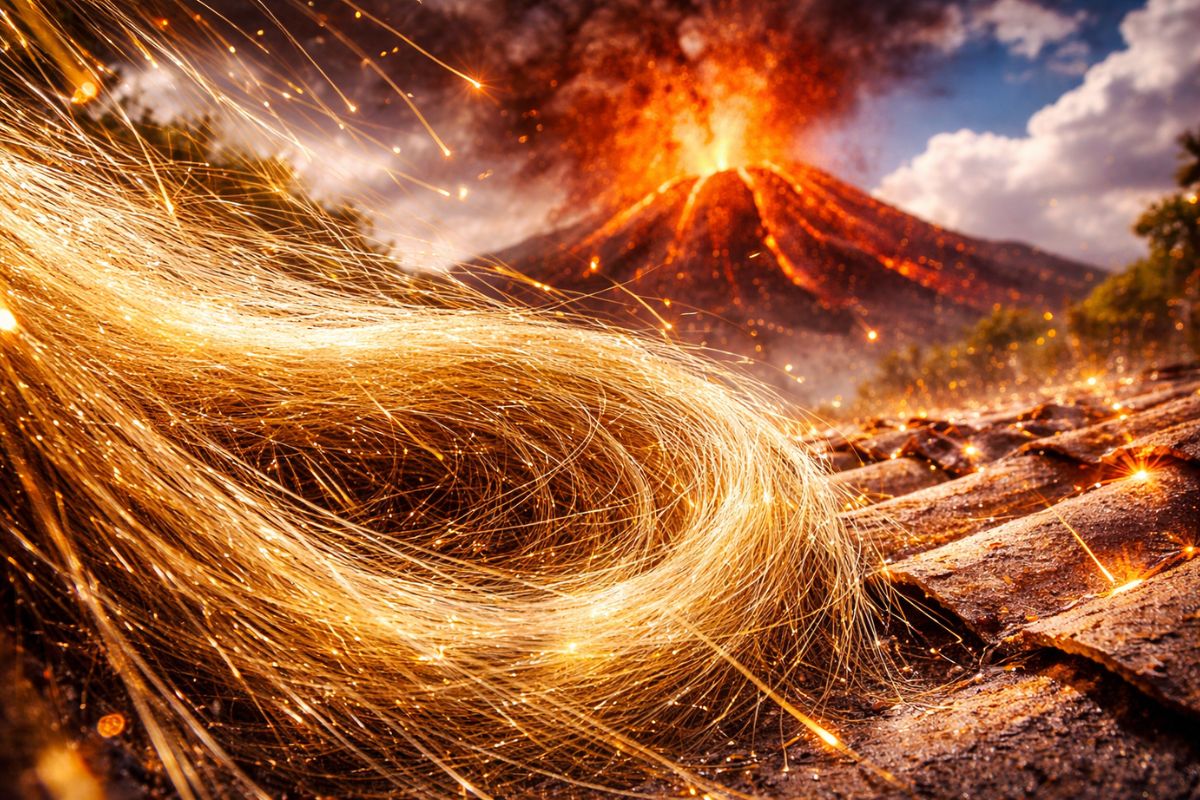
Volcanic lava transforms into threads as fine as human hair that travel over 30 kilometers by wind and fall like cutting rain on roofs and backyards in Hawaii and Iceland.
-
NASA issues a warning for the feared Godzilla El Niño that could change the planet’s climate in 2026 with extreme warming of the Pacific capable of causing devastating droughts in some regions and historic floods in others simultaneously.


In 2026, The Intense Drought Recorded At The Beginning Of The Year Positioned The Dug Refuges As Critical Points Of Water Retention.
The Activity Of Alligators Also Appears In Other Highlighted Points Of The Southeastern USA, With Studies And Observations In Areas Such As The Swamps Of Louisiana, The Lowcountry In South Carolina, The Okefenokee Swamp In Georgia And Florida, The St. Johns River Basin In Florida, In Addition To Records Along The Atlantic And Gulf Coastal Plain, Covering States Such As Alabama And Mississippi, And Extending In The Regional Cut To Texas.
In 2026, The Dynamics Of These Refuges Are Monitored As An Indicator Of Hydrological Resilience.
How Alligators Dig Holes And Hold Water During Drought

The Most Known Mechanism Is The “Alligator Holes” And It Is Physical, Repetitive And Cumulative.
Alligators Use Their Snouts, Legs, And Tails To Remove Sediments And Dense Vegetation From The Bottom Of The Swamp, Opening Depressions That Can Deepen Over Time.
The Result Is A Deeper Area That Retains Water Longer Than The Surroundings.
During Droughts, Such As The One Recorded In January 2026, These Holes Act As Local Reservoirs.
While Adjacent Areas Dry Out Faster, The Depressions Maintain A Persistent Water Layer And, In Some Cases, Reach The Water Table, Increasing Retention Capacity.
This Detail Transforms A Hole Into Ecological Infrastructure: It Is Not A Temporary Puddle, But A Permanent Refuge.
Critical Refuges: Oases For Fish, Amphibians And Birds In 2026
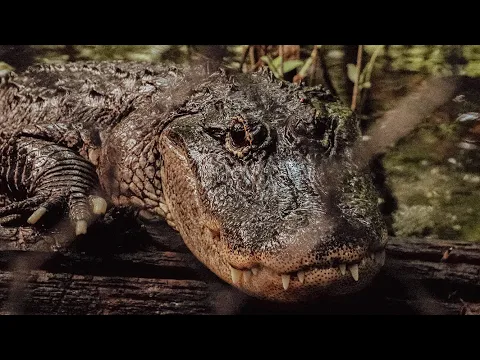

During Drought, The Holes Dug By Alligators Turn Into What Researchers Call “Oases” In The Swamp.
Fish, Amphibians And Birds Concentrate Their Survival In These Points Because Water Lasts Longer There When The Rest Of The Environment Loses Moisture.
This Retention Has A Chain Effect.
By Preserving Microhabitats, The Holes Prevent The Complete Drying Of Essential Areas And Allow Fish Populations To Survive To Repopulate The Swamp When Rain Returns.
The Dynamics Are Not Just About “Saving Individuals,” But Maintaining The Minimum Biological Stock That Ensures Rapid Recovery Of The System.
Trails And Channels: When Movement Becomes Flow Engineering
In Addition To Digging, Alligators Also “Draw Paths.”
As They Move Repeatedly Between Their Holes And Hunting Areas, They Keep Trails Free Of Floating Vegetation, Creating Wet Routes That Function As Micro Channels.
This Facilitates Water Flow, Reduces Stagnation And Can Delay The Drying Of Sections Of The Swamp.
In 2026, This Effect Appears With Another Practical Function: These Wet Trails Can Act As Natural Firebreaks, Helping To Contain The Spread Of Wildfires In Dry Turf Areas.
The Logic Is Simple And Technical: Where There Is Continuous Moisture And Interruption Of Fuel Material, Fire Finds It More Difficult To Advance.
Nutrient Cycling: Mixed Sediments And Concentrated Productivity
The Movement Of Sediments By Alligators Not Only Alters The Depth Of The Water, But Also The Local Chemistry And Fertility.
By Removing Organic Matter, Displacing Mud, And Opening Space, They Create Points With A Greater Mixing Of Sediments, Which Enriches The Soil And Can Increase The Biological Productivity Of Wetlands.
Another Associated Effect Is The Creation Of Areas Of High Nutrient Concentration Around The Refuges.
These “Hotspots” Accelerate The Recovery Of Local Flora When The Wet Season Returns, Because Vegetation Finds More Favorable Conditions To Regrow And Recolonize The Edges And Margins Of The Hole.
Carbon In The Soil: The Correlation That Elevated The Climatic Weight Of Alligators
Recent Studies From 2025, Monitored In 2026, Indicate A Positive Relationship Between The Presence Of Alligators And Higher Carbon Stocks In The Soil Of Coastal Swamps.
The Interpretation Presented Is That The Physical Activity Of These Animals Helps Bury Organic Matter And Reduces Rapid Oxidation During Dry Periods, Retaining More Carbon In The Sediment.
In Addition, There Is An Indirect Effect Described By Trophic Control: By Regulating Populations Of Herbivores That Degrade Vegetation, Such As Nutria And Coypu, Alligators Favor The Growth Of Plants.
More Vegetation Means More Carbon Fixation And Greater Potential For Organic Accumulation In The Soil Over Time. It Is Not Just Water, But Climate And Soil Working Together.
Monitoring And Restoration: Holes Become Official Metrics In Everglades
In 2026, The Abundance And Occupation Of Holes Dug By Alligators Have Been Treated As Metrics Of Success In Restoring Wetlands, Especially In The Everglades, Florida.
The Reading Is Operational: If There Are More Alligators Maintaining Active Holes, It Signals That The Local Hydrology Is Recovering Functionality.
This Monitoring Also Appears Linked To Technological Tracking: In 2026, The Effectiveness And Distribution Of These Refuges Have Been Observed Via Satellite To Support Decisions For Recovering Degraded Wetlands.
The Hole Stops Being Just A Mark On The Ground And Becomes An Environmental Management Data.
Persistence For Decades And The Function Of “Biodiversity Insurance”
Cited Research From August 2025 Indicates That These Depressions Can Persist For Decades, Becoming Permanent Features Of The Environment.
This Is Crucial In A Scenario Of More Frequent And Intense Droughts: The Refuge Does Not Need To Be Recreated Every Season, It Remains As Natural Infrastructure.
Therefore, The Holes Dug By Alligators Are Described As A Biological “Insurance Policy.”
In Severe Droughts, They Can Prevent Local Extinctions Of Fish And Amphibians By Keeping Water Available When The Surrounding Swamp Collapses Hydrologically.
It Is Resilience Built With Animal Behavior.
Emerging Risks: Mercury, Temperature And Habitat Fragmentation
Despite The Positive Role, New Alerts Have Been Associated With Threats That Could Compromise This Natural Engineering.
Research From June 2025 Identified Alarmingly High Levels Of Mercury In Alligators From The Southeast, With The Potential To Affect Reproductive Health And, Consequently, The Long-Term Maintenance Of The Ecosystem.
Another Risk Comes From Warming: The Determination Of Sex In Nests Depends On Temperature, And Climate Change May Disrupt The Ratio Between Males And Females, Pressuring Future Population Viability.
On Top Of This, There Is The Advancement Of Human Installations And Containment Centers In Wetlands, With Explicit Concern About Habitat Fragmentation In 2025 And 2026, Including Controversies Related To A Project Called “Alligator Alcatraz” In Florida.
Why Alligators Became The Last Barrier Against Ecological Collapse In 2026
In 2026, The Array Of Functions Assigned To Alligators Fits As A System: Holes That Hold Water, Trails That Maintain Flow, Refuges That Save Fauna, Sediments That Activate Nutrients, And Soil That Retains More Carbon.
In Regions Such As The Everglades In Florida And Coastal Swamps In The Southeastern USA, This Natural Engineering Prevents Wetlands From Rapidly Turning Into Dry And Vulnerable Landscapes.
When Drought Tightens, The Swamp Does Not Depend Only On Rain. It Depends On Structures That Hold Water In The Ground.
And In This Scenario, Alligators Become Living Infrastructure, Monitored As An Indicator Of Health, Resilience And Survival Of The Regional Ecological System.
Do You Think Protecting Alligators Should Become An Explicit Priority In Drought Combat Plans In Florida In 2026?





-

Uma pessoa reagiu a isso.