





 Portuguese
  English
  Spanish
  3 min of reading


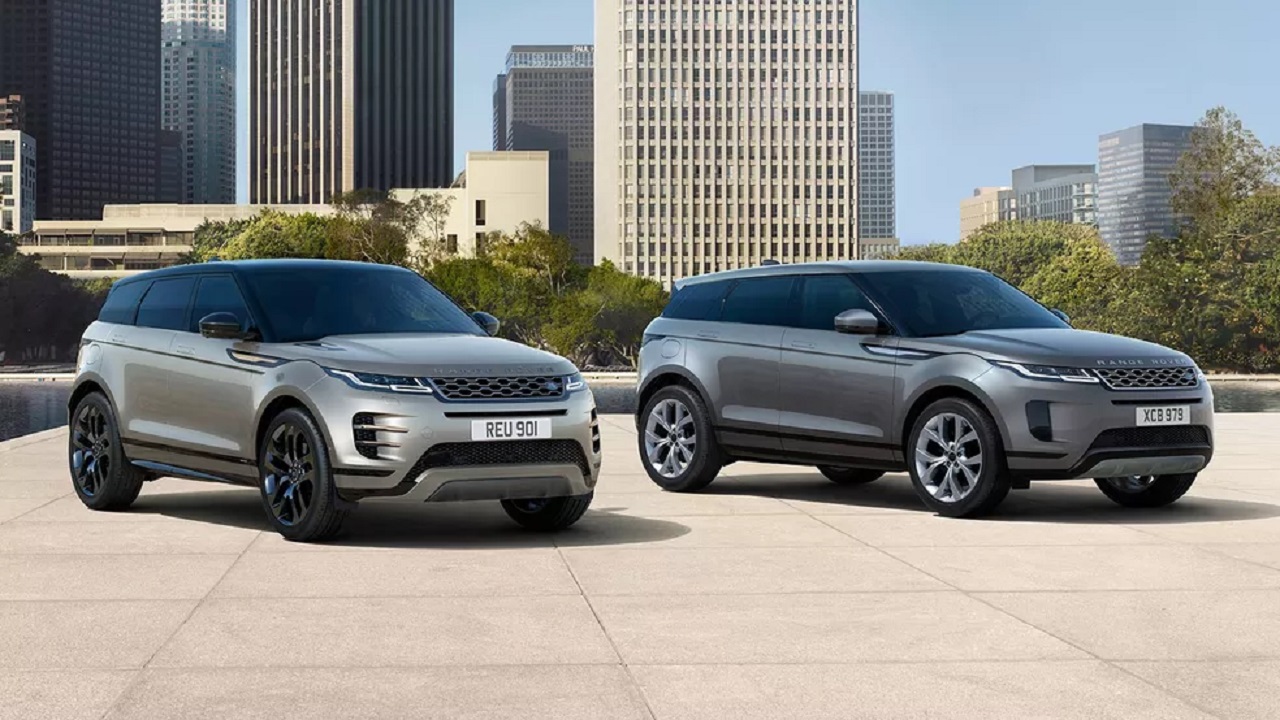
Beyond The Electric Car Models That Will Arrive In Brazil, Jaguar Promises That It Will Also Manufacture Electric Cars At Its Manufacturing Plant, Located In Rio De Janeiro
Jaguar Land Rover is planning to electrify its entire line of cars over the next 5 years, and Brazil is also included in the company’s plan to receive new investments. During an event held last Tuesday, the 26th, in the city of São Paulo, Jaguar Land Rover provided some details of its planning for the future, particularly regarding corporate issues and sustainability (electric cars), but did not hesitate to talk about its products.
Jaguar Land Rover Plans To Launch Its First Electric Car In 2024
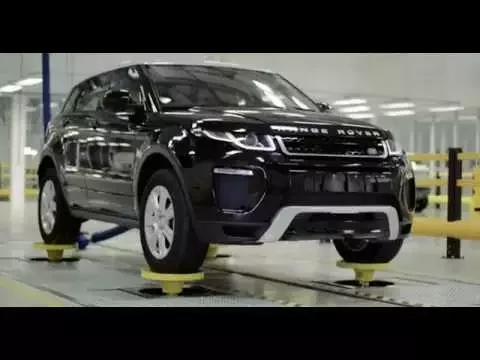

According to François Dossa, the executive director of strategy and sustainability at Jaguar Land Rover, the first electric car from Land Rover will be launched in 2024. Additionally, the executive director of Jaguar assured that, within two years, the brand will become 100% electric.
Dossa also discussed various changes that Jaguar Land Rover will implement across all its headquarters, offices, and manufacturing plants, aiming to significantly reduce CO2 emission levels. For Brazil, the executive director of Jaguar Land Rover promised various investments, considering it is one of the few Jaguar factories located outside the United Kingdom.
-
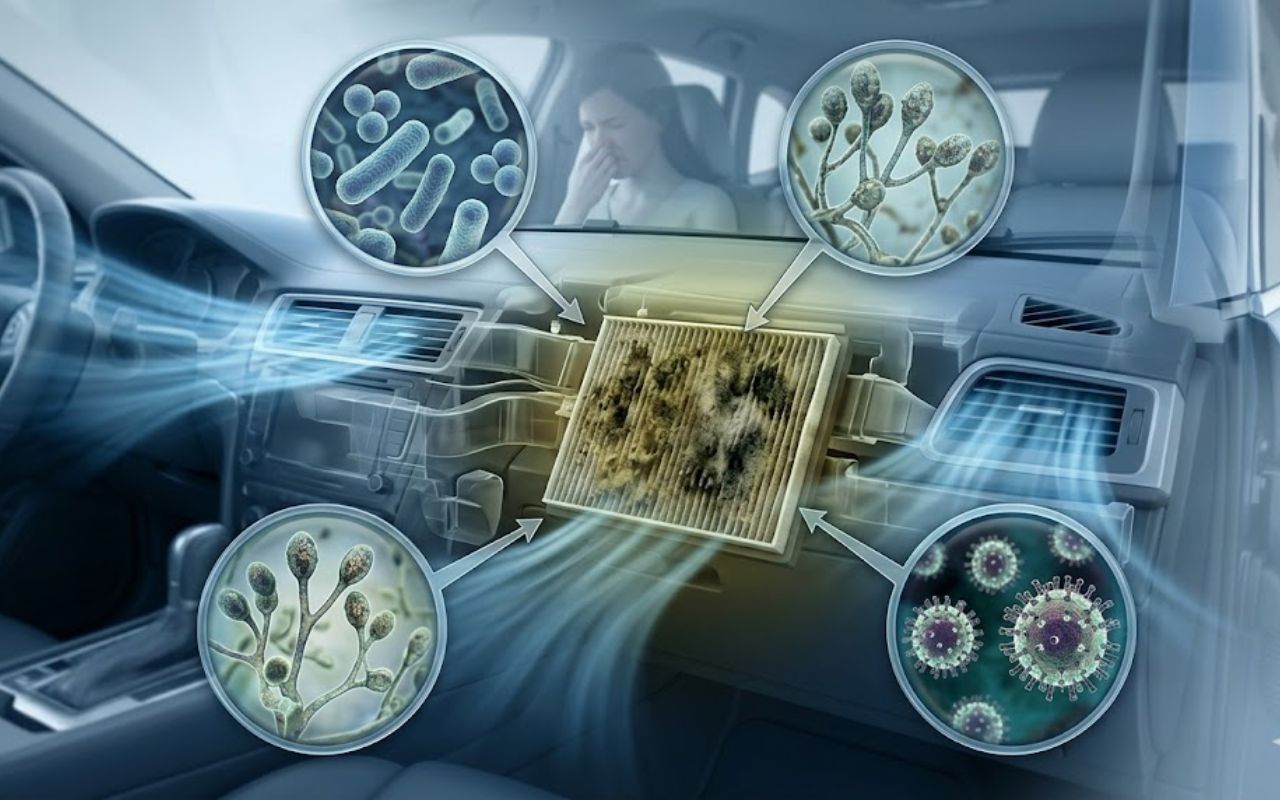
Experts warn: a dirty car air conditioning filter in winter can accumulate fungi and bacteria, causing allergies, fatigue, and even loss of attention while driving.
-
Owners of Chevrolet Agile discover a problem with the catalytic converter that can lead to a bill of up to R$ 4,000, steal engine power, increase fuel consumption, trigger the injection light, and worsen quickly when the first signs are ignored.
-
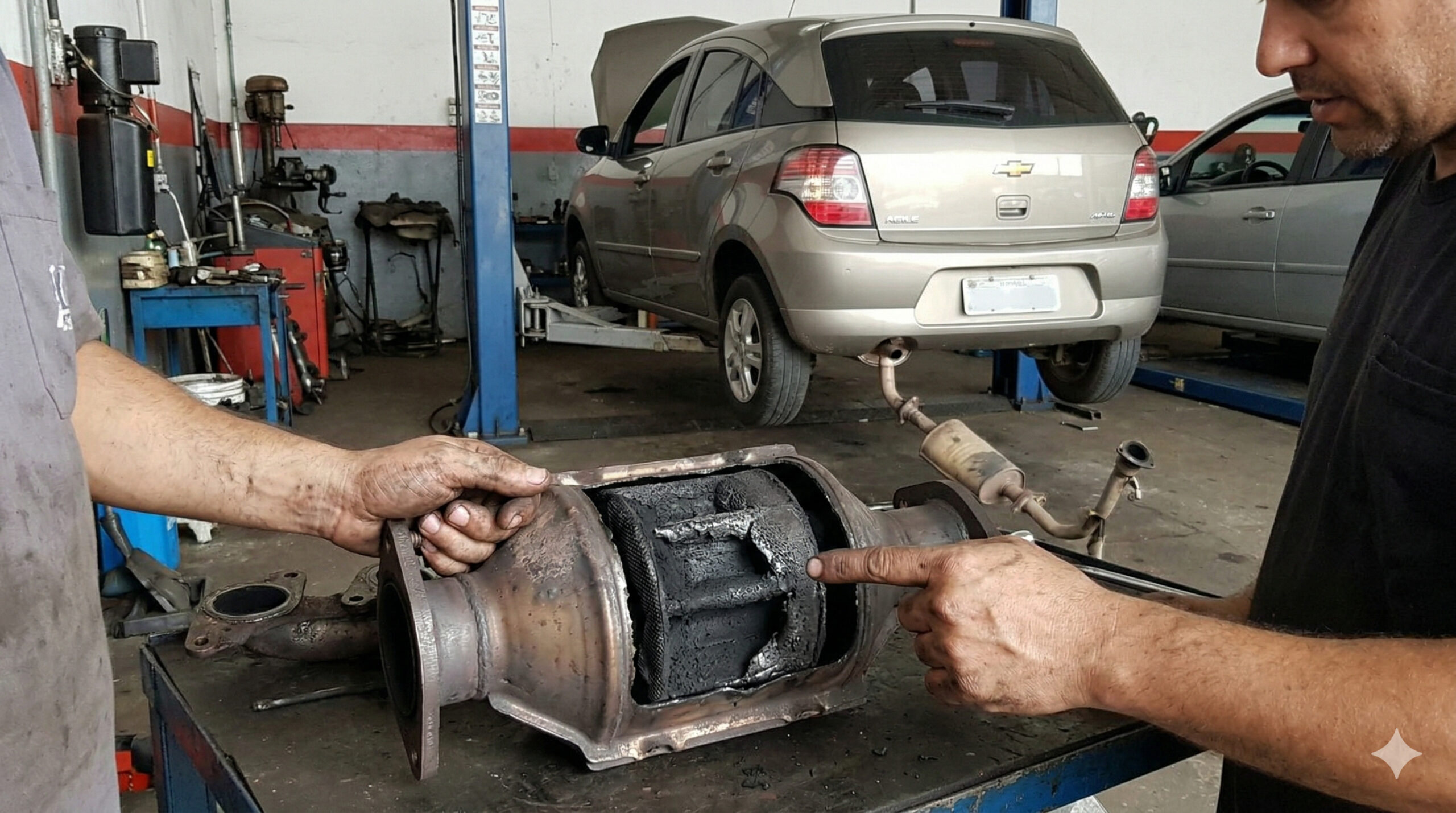
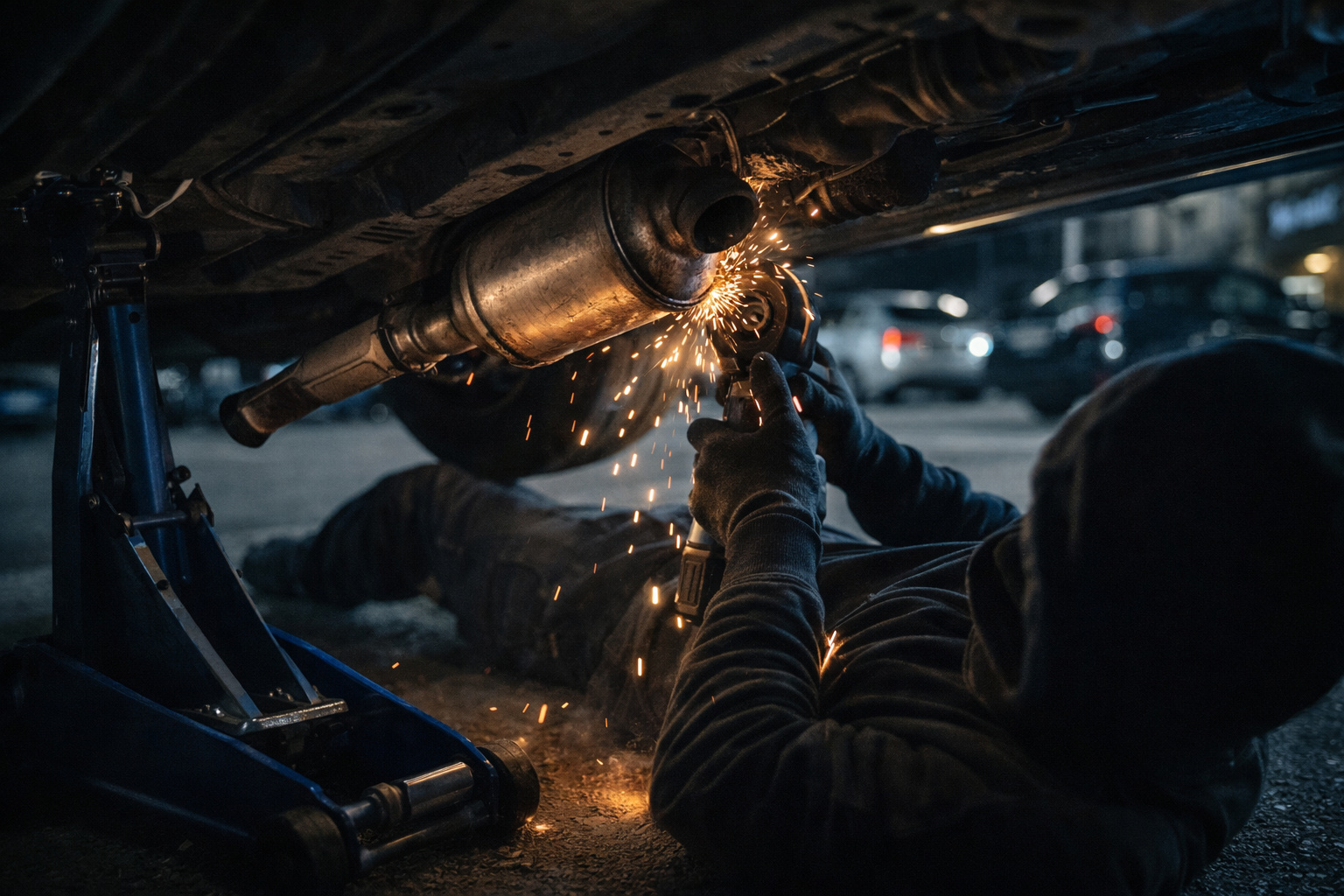
Thefts of catalytic converters are increasing in Brazil, a component that contains platinum, palladium, and rhodium, metals that can be worth more than gold, and can be removed from under a car in less than 2 minutes, causing losses of up to R$ 8,000 and only being noticed when the driver starts the vehicle and hears an extreme noise from the exhaust.
-
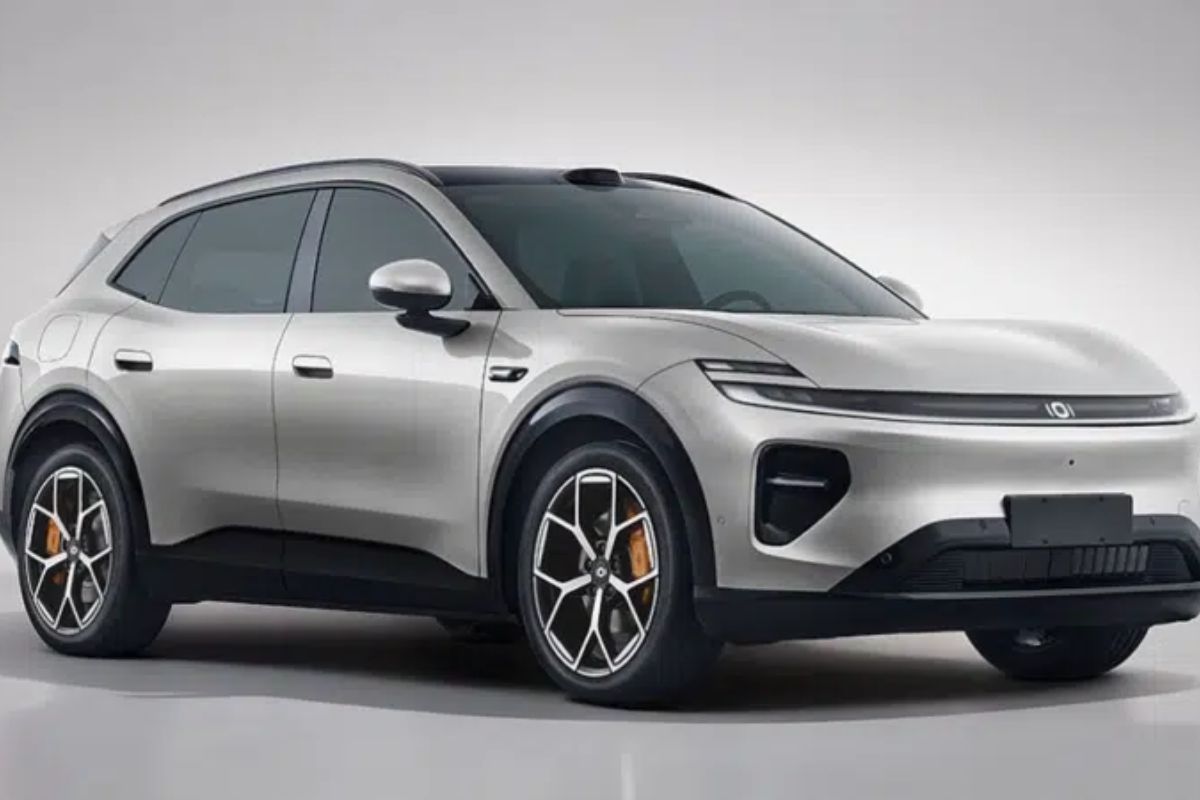
Changan launches Nevo Q06 with 800V architecture and 6C ultra-fast charging, AWD option with two rear motors, EV and EREV versions, LiDAR on the roof, and up to 14 different wheels now.
Therefore, according to Dossa, Jaguar plans to make some adaptations to the plant located in Itatiaia, Rio de Janeiro, an investment aligned with the global strategy of the automaker. François Dossa also stated that Brazil cannot be left out of anything, precisely for the reason already mentioned, which is due to the fact that the manufacturing unit in the country is one of the few factories outside of England.
Next Steps For Jaguar Land Rover
In terms of Jaguar products, François Dossa assured that the next lineup of cars from the Jaguar Land Rover group to land here in Brazil will be entirely made up of electric cars. Furthermore, the executive director of Jaguar also promised that the next models of electric cars will be manufactured exclusively in Brazilian territory.
According to Dossa, from the company’s perspective, if the future models of electric cars are not manufactured here, Jaguar could face serious issues with currency fluctuations, in addition to other matters that could ultimately influence the final price. Dossa also mentioned that the Jaguar factory has the full capacity to safely accommodate these products.
Currently, Jaguar Land Rover has only one electric car for sale in Brazil, which is the Jaguar i-Pace model. The other cars sold here in Brazil are all from a specific lineage of hybrid cars, such as the new Land Rover Defender model, which has a hybrid engine considered mild, designed to be much more economical and even more powerful than the traditional cars from the automaker.
About The Company
Jaguar Land Rover is the holding company of Jaguar Land Rover Limited, a multinational English automobile company based in Coventry, West Midlands, and a subsidiary of the Indian automotive company Tata Motors. The main activity of Jaguar Land Rover Limited is the design, development, manufacturing, and sale of vehicles under the Jaguar and Land Rover brands.
Both brands have long and complex histories prior to their merger — Jaguar dates back to the 1930s and Land Rover to the 1940s — first coming together in 1968 as part of the ill-fated British Leyland conglomerate, later again becoming independent from each other as subsidiaries of BMW (in the case of Land Rover) and Ford Motor Company (Jaguar). Ford acquired Land Rover from BMW in 2000, following the breakup of the former Rover Group, which effectively consisted of the remaining automobile manufacturing companies from British Leyland.







Seja o primeiro a reagir!