





 Portuguese
  English
  Spanish
  4 min of reading
  0 comments


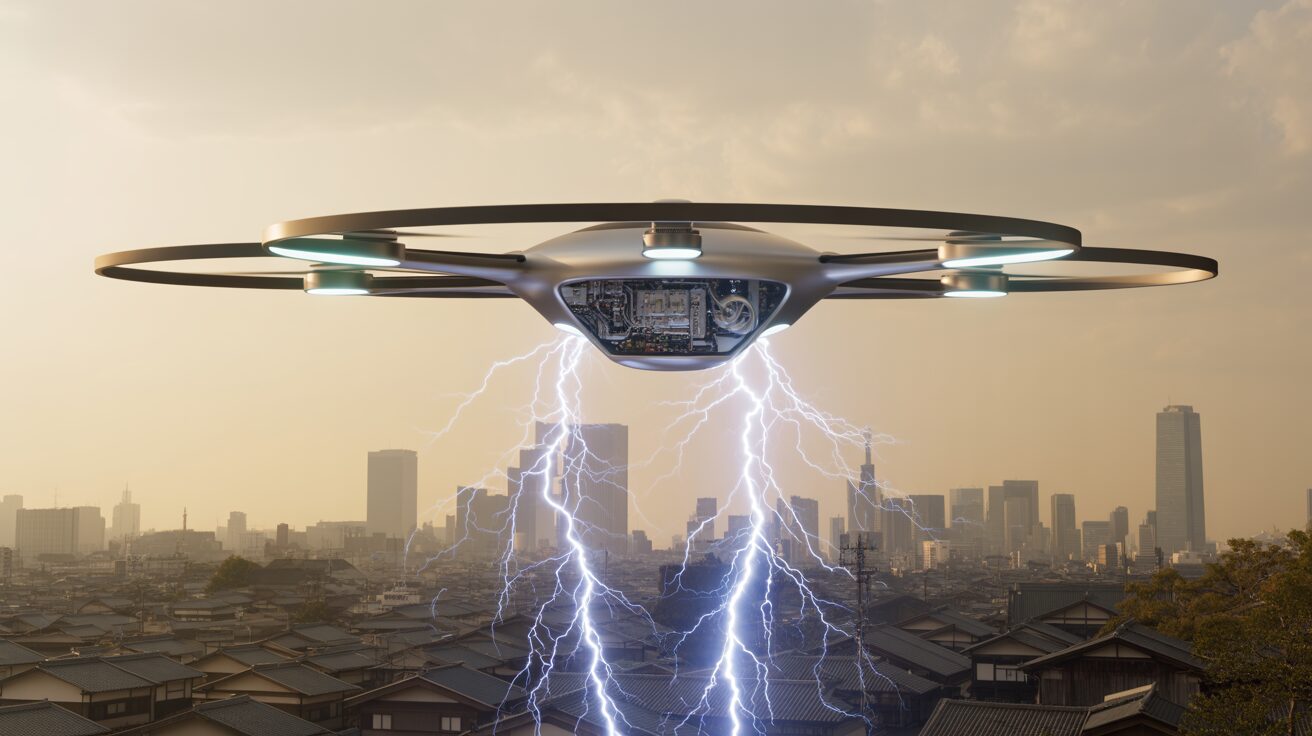
Japan At The Forefront Again: Company Creates Drone Capable Of Guiding Electric Discharges From Clouds Without Suffering Damage. Understand How It Works And The Main Benefits Of The Equipment!
Japan, globally recognized for its leadership in technological innovations, has surprised the world again by revealing, on April 18, a drone with a unprecedented capability that resembles the powers of mythological gods. Developed by NTT (Nippon Telegraph and Telephone Corporation), the equipment was presented as an experimental drone capable of inducing and guiding electric discharges — a technology that harkens back to the legends of deities like Zeus from Greek mythology and Thor from Norse mythology, both known for manipulating lightning.
Although its appearance does not catch attention at first glance — resembling a conventional drone with some extra antennas — its functionality is revolutionary. According to the engineers responsible, the system uses laser beams to create an ionized channel in the air, directing rays in a controlled manner. The technology, still in the experimental phase, represents a significant advancement in research on climate control, safety in areas with a high risk of storms, and even technological defense.
Understand How The New Drone From Japan Works


The robot was announced on April 18 by the Japanese group Nippon Telegraph and Telephone (NTT), and the use of its special abilities does not have destructive purposes. In fact, it is quite the opposite, as the drone was developed to ensure the safety of people, equipment, and resources that are often destroyed by lightning strikes.
-
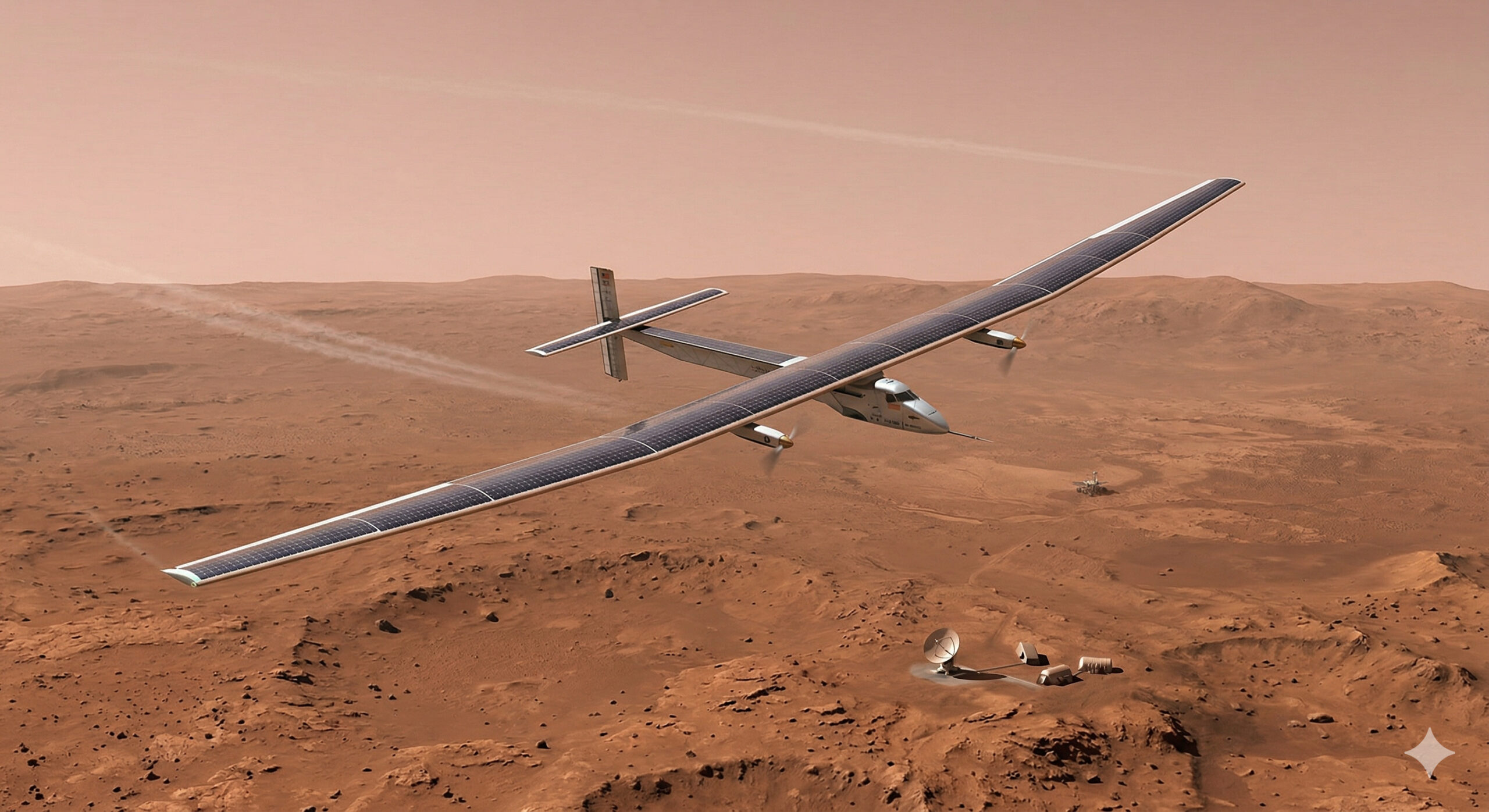
An engineer designs a solar plane to fly on Mars at an altitude of 1,000 meters and a speed of 300 km/h, covering 16,000 kilometers in a Martian year, 900 times the distance traveled by the Ingenuity helicopter in three years on the planet before experiencing a rotor failure, and NASA is already funding the feasibility study.
-
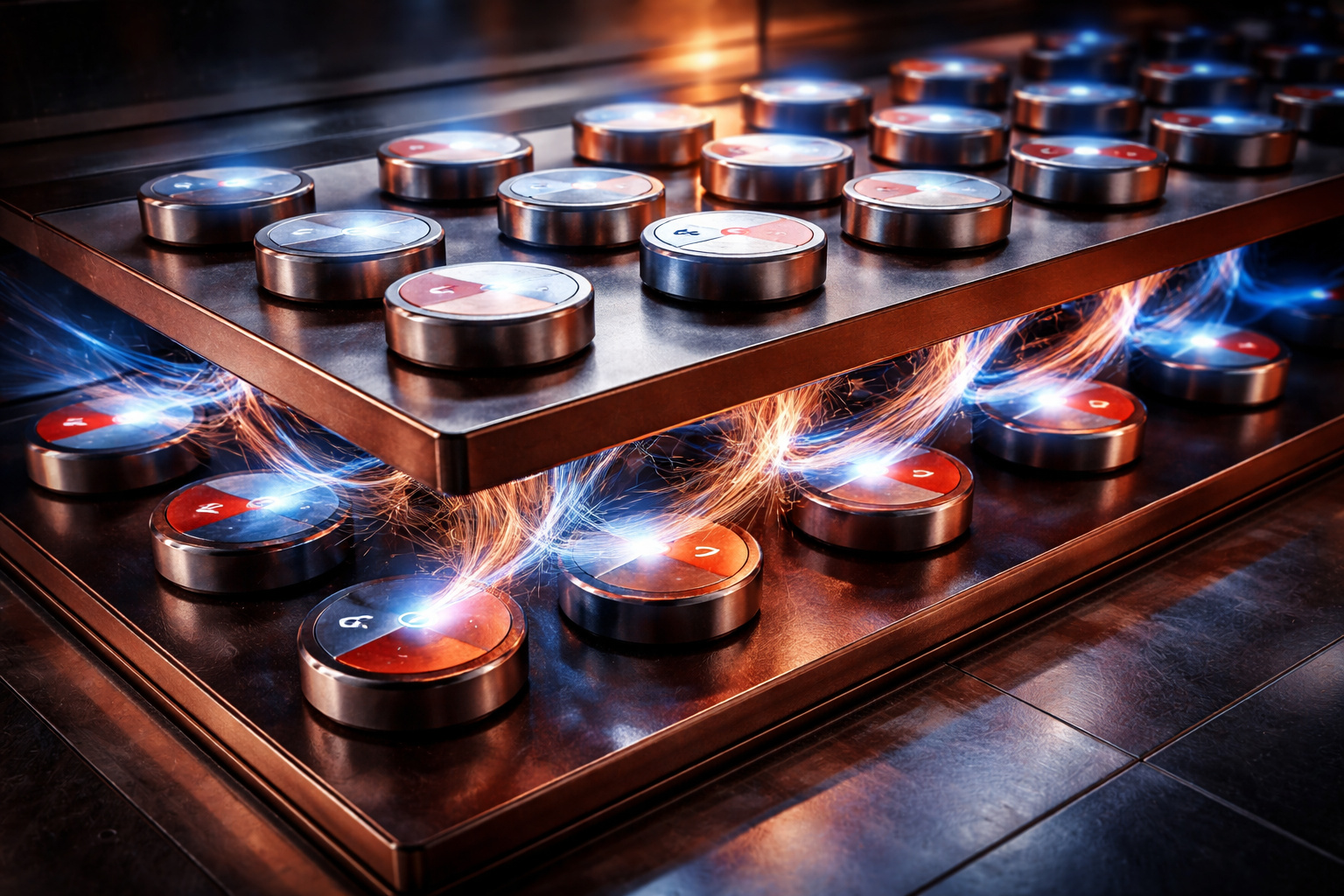
A new phenomenon of contactless magnetic friction intrigues scientists and questions a theory that has been valid since the 17th century.
-
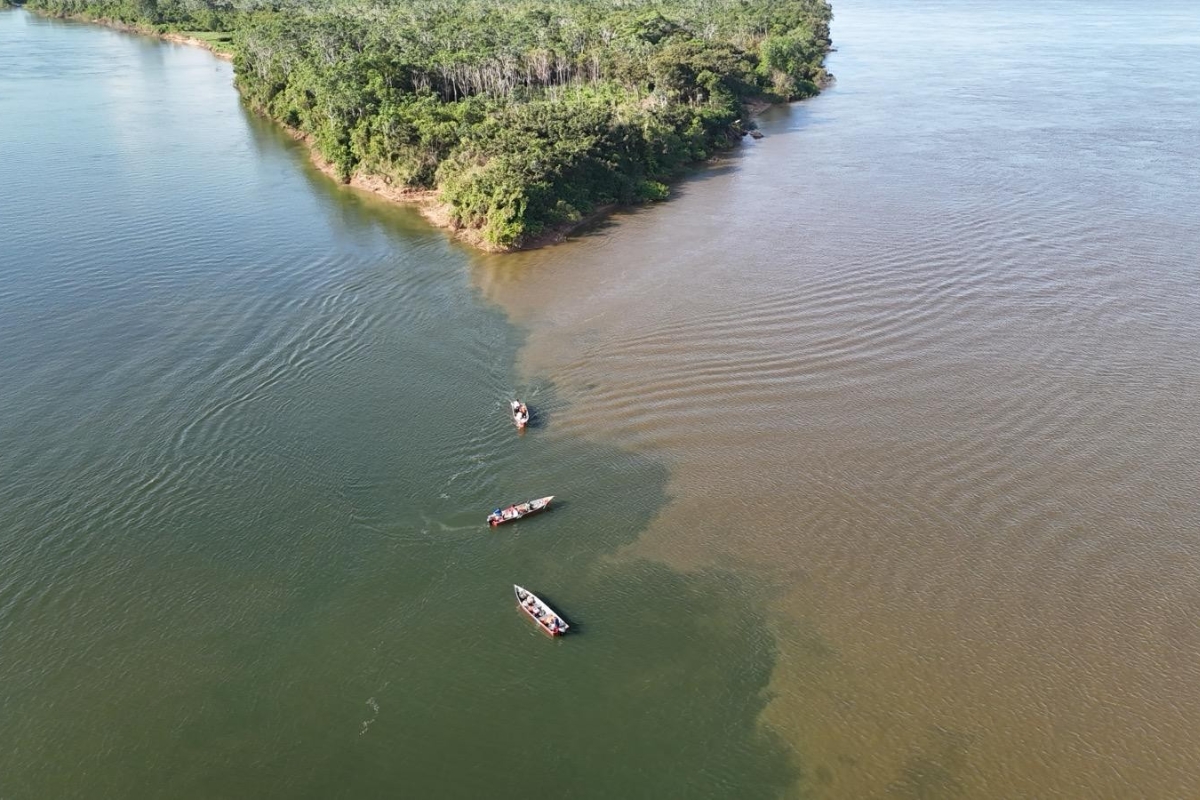
An impressive phenomenon in Northern Brazil causes rivers of different colors to flow side by side, revealing secrets about sediments, currents, and biodiversity.
-
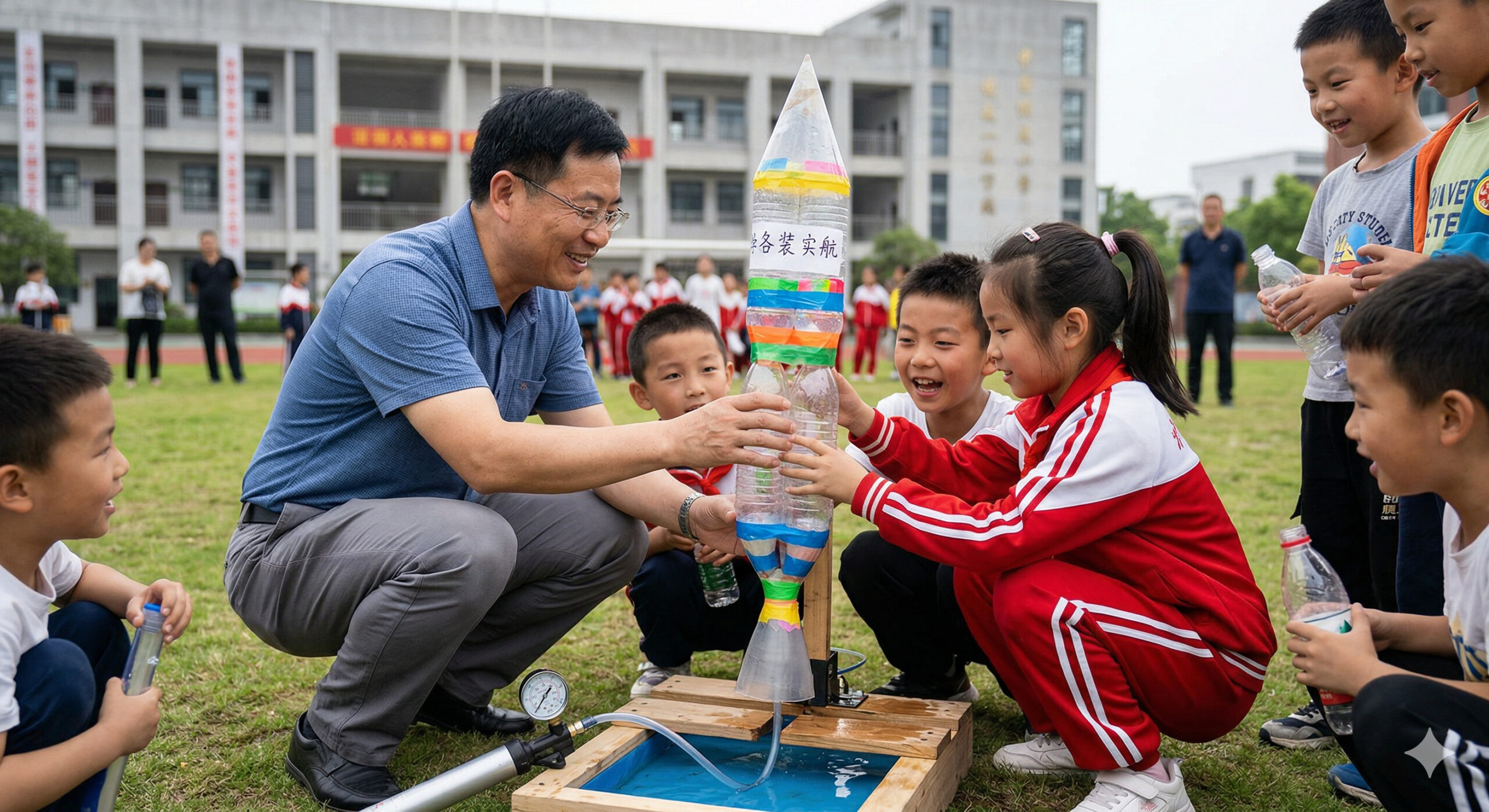
While many schools are still struggling with the basics, a teacher in China went viral for having elementary school students build a two-stage rocket using plastic bottles, water, and pressurized air in a science class that caught the attention of the entire world.

The company claims to have conducted two successful tests so far with the drone capable of guiding electric discharges. The robot operated flying at an altitude of approximately 300 meters, carrying a conductive wire. One of the tests was conducted as a storm approached a mountainous area of Shimane Prefecture, Japan, on December 13, 2024.
The key is that the wire connects it to a switch that is added before the lightning strikes, and this performs an electrical grounding of the drone with the ground, further increasing the intensity of its electric fields and the opportunity for it to induce the path of a lightning bolt coming from charged clouds.
When a lightning bolt finally struck, the equipment was able to safely redirect the electric energy to the ground. The equipment did not suffer significant damage while conducting this electricity. According to NTT in a statement, only part of the equipment’s protection experienced partial melting; however, it continued flying stably.
Understand Japan’s Goal With This Type Of Drone
The equipment’s protection was achieved using conductive materials that allow the electric discharge to pass outside and not inside the robot, a phenomenon known as Faraday cage. In addition to tests conducted during real rain, the Japanese drone underwent evaluations in laboratories and withstood electric discharges up to five times more powerful than most natural lightning.
However, it is worth mentioning that all this investment is not just a more sophisticated lightning rod. This lightning-inducing method, according to the manufacturer’s speculations, could generate predictable storms that allow for electricity storage.
It seems like a great idea, however, at this moment, it is entirely theoretical. The batteries to capture such large amounts of energy and release them slowly into current power systems do not yet exist.
Idea Used In The Drone Is Not So New
According to a recent press release from the company regarding drone technology, NTT aims to protect people and cities from the damage caused by this action of nature by using the drone capable of guiding electric lightning to accurately predict lightning-prone locations, actively triggering discharges and safely guiding them away.
It is worth mentioning that this is not the first time scientists have used something beyond a lightning rod to trigger and attract an electric discharge from charged clouds.
Recently, other researchers discovered that it would be possible to divert lightning from critical infrastructures by firing lasers into the sky. This laser lure was first proposed in the 1970s, and it took many years of laboratory work and numerous failed attempts with real lightning to make it work.







-

Uma pessoa reagiu a isso.