





 Portuguese
  English
  Spanish
  2 min of reading
  0 comments


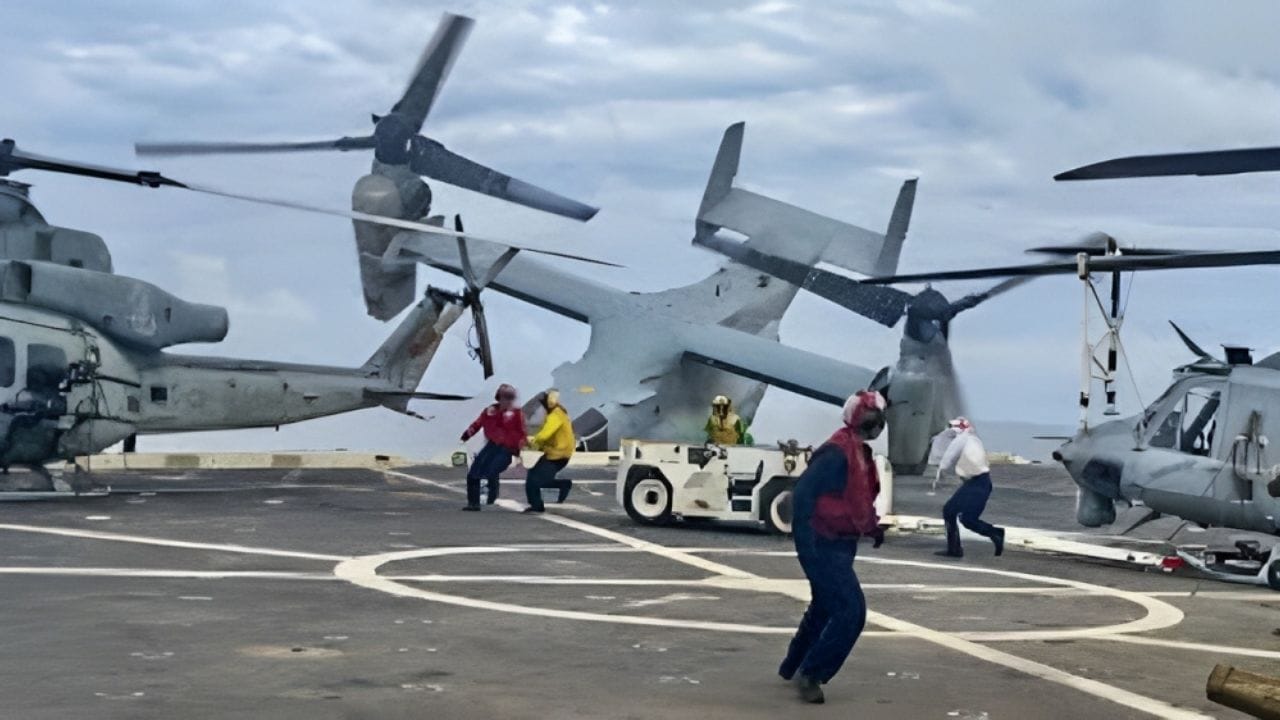
Japan Suspended Its Fleet of V-22 Ospreys on November 29, 2023, After a CV-22 Osprey from the U.S. Crashed in the Ocean Near Yakushima Island in Japan, With Eight People On Board.
This accident in Japan is just another in the series of problems that have marked the operational history of the Osprey, raising questions about the risks of tiltrotor technology. The V-22 Osprey, developed by Bell Helicopter and Boeing, is a technological leap in military aviation.
It combines the vertical takeoff and landing capability of helicopters with the speed and range of fixed-wing aircraft. However, this technological marvel has faced enormous challenges, especially in the complex aerodynamics of transitioning between helicopter and airplane modes.


The Challenges of the Osprey, Amidst Accidents and Mechanical Complexity
One of the biggest problems with the Osprey is the “vortex ring state” (VRS), which occurs during rapid descents and causes loss of lift. Additionally, the mechanical complexity of the tiltrotor system increases the potential for mechanical failures. Accidents during the testing phase were attributed to mechanical and design failures, necessitating revisions and improvements.
-
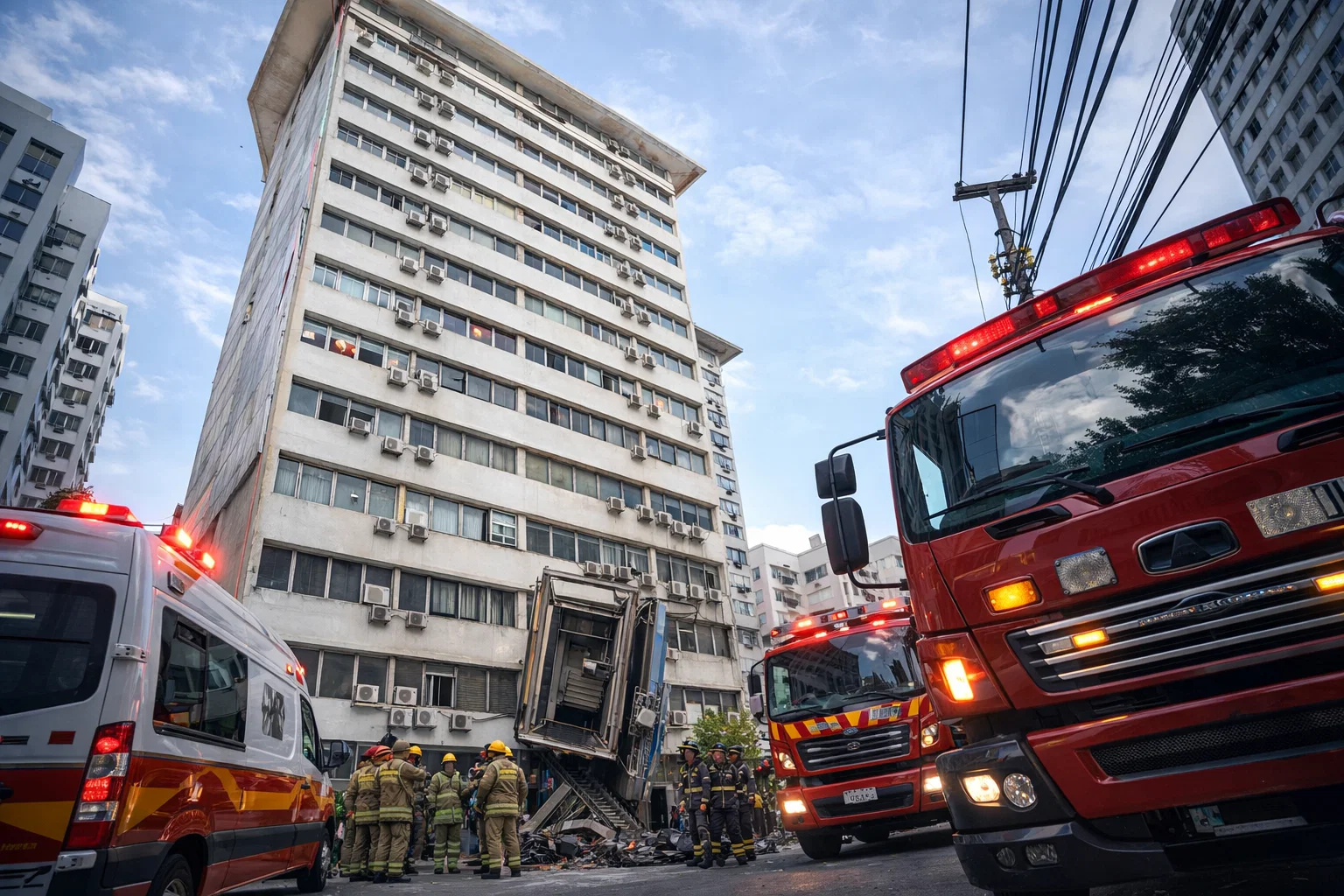
Elevator Plummets From Tenth Floor in Commercial Building in Recife, Raising Concerns About Safety and Engineering of Vertical Transport Systems Used Daily in Urban Buildings
-
Cyclist Hit by Car in Sobradinho, DF Is Rescued After Traffic Accident This Sunday

-
Civil Defense Issues Alert and Advises Evacuation in 51 Streets of Juiz de Fora After Risk of Instability; See the Complete List of Affected Neighborhoods

-
Military Plane With Money Crashes In Bolivia, Leaves 20 Dead And Leads Central Bank To Annul 10, 20, And 50 Bolivianos Notes After Chaos At Airport


Piloting an Osprey is no walk in the park; its unique handling characteristics required new training protocols. Initial accidents highlighted the need for extensive training, especially during critical flight phases such as takeoff, mode transition, and landing.
V-280 Valor, The Future of Tiltrotor Technology
Learning from the V-22, Bell developed the V-280 Valor for the U.S. Army’s Future Vertical Lift (FVL) program. The V-280 is the next generation of tiltrotor, with greater agility, speed, range, and payload capacity. It brings advanced technologies, such as fly-by-wire flight controls, which offer more precise handling and reduce the pilot’s workload.
The V-280 improves upon the Osprey’s design in terms of efficiency, maintenance, and safety. One of the main innovations is the improved agility. The V-280’s rotors do not spin as much as those of the V-22, simplifying mechanical complexity and reducing the potential for mechanical failures.
Despite a turbulent start, tiltrotors continue to be highly valued by armed forces for their unique capabilities. They represent a tremendous potential, combining the versatility of helicopters with the speed and range of fixed-wing aircraft. However, the big question is whether these innovative machines can achieve a level of safety and reliability that matches their ambitions.









Seja o primeiro a reagir!