






 Portuguese
  Spanish


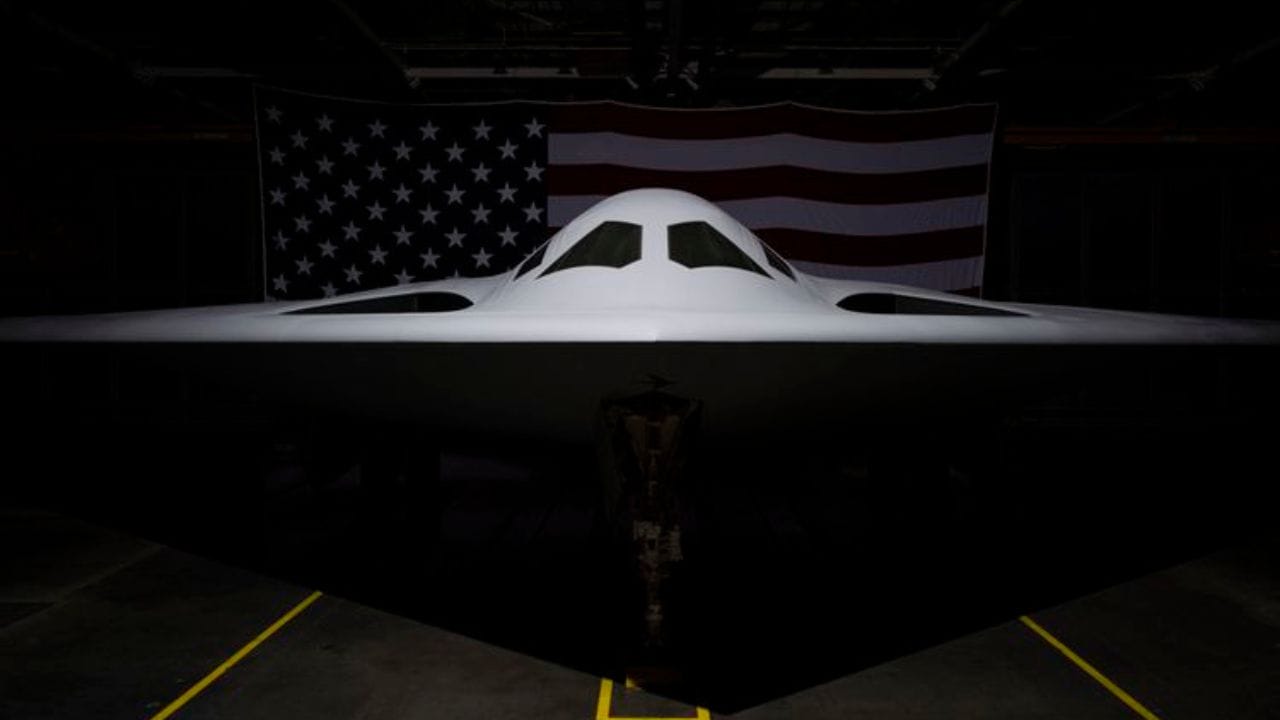

The B-21 Raider, The New Ace of The Skies, Completes Its Maiden Flight and Shows That The Future of Military Aviation Has Arrived
Hold on: the first bomber of the 21st century has just entered the scene and, wow, it’s making waves! On November 10, 2023, the world saw the B-21 Raider take flight for the first time, demonstrating that it’s serious business when it comes to innovation in military aviation.
Speaking of technology, the B-21 Raider is a real game changer. With a design focused on being nearly invisible on radar and infrared, it’s making a strong impression in the stealth game.
And check this out: its design features a brilliant feature with a secondary air intake on top of each nacelle, similar to the B-2, but with a key difference: it likely only has one engine in each nacelle. That’s pure strategy to optimize stealth.
-
A fossil kept for years in a small museum in Montreal concealed 450-million-year-old soft tissue, a discovery that has only happened once before in history.

-
Three teenagers transform cut cardboard into Japanese origami-style packaging that promises to retire styrofoam and bubble wrap, win a $12,500 prize, and target giants like Amazon, FedEx, and Home Depot after a robot motor arrived broken.

-
The large jar blender has a rival: Oster Ultra Power bets on 1,000 W, six stainless steel blades, and two portable cups with leak-proof lids.

-
Tesla injected an additional $250 million into the German factory, doubled the battery cell target, and opened its own production line for startups.




The Raider: Leaner and More Efficient Than Its Predecessor
Compared to the B-2, the Raider is more compact, with an estimated wingspan at least 15% smaller. But don’t be fooled: smaller doesn’t mean less lethal.
This size reduction, along with a payload capacity of about half of the B-2’s 60,000 pounds (27,000 kg), actually enhances its stealth and range capabilities. In other words, it becomes harder to detect on radar, ensuring top-notch survivability and operational flexibility in conflict zones.
From The B-2 to The B-21 Raider: An Evolution in Aeronautical Engineering
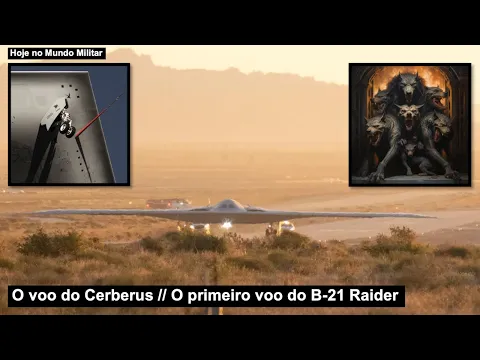

The B-21 design benefits from the lessons learned with the B-2. The advanced technologies and innovative manufacturing techniques used in the B-2 have been refined and applied to the Raider.
And that’s not all: the expertise of the B-2 technicians has been essential in the B-21’s production line. This knowledge exchange works both ways, with the advancements of the B-21 helping to keep the B-2 strong and operational.
When it comes to armament, the B-21 holds its ground. It is expected to carry a sophisticated arsenal, including the latest GPS-guided munitions, such as the Joint Direct Attack Munition (JDAM) series, and be compatible with B61-12 nuclear bombs. This guarantees its crucial role in the U.S. nuclear triad.
Cutting-Edge Technology for Modern Aviation
The Raider also stands out in terms of radar-absorbing materials (RAM), similar to those used in the F-35, which can absorb up to 70-80% of the electromagnetic energy reaching it. And it doesn’t stop there: the AN/ASQ-239 system, an advanced electronic warfare suite, drastically enhances its survivability and operational capabilities.
Last but not least, the B-21 embraces the trend of modularity and upgradeability in modern military aviation. And the price? 700 million dollars.
Unlike previous systems, the B-21 Raider’s hardware and software are not inseparable, making upgrades and expansions of capabilities easier. This means the Raider is prepared to adapt and evolve with future demands.


