





 Portuguese
  English
  Spanish
  4 min of reading
  0 comments


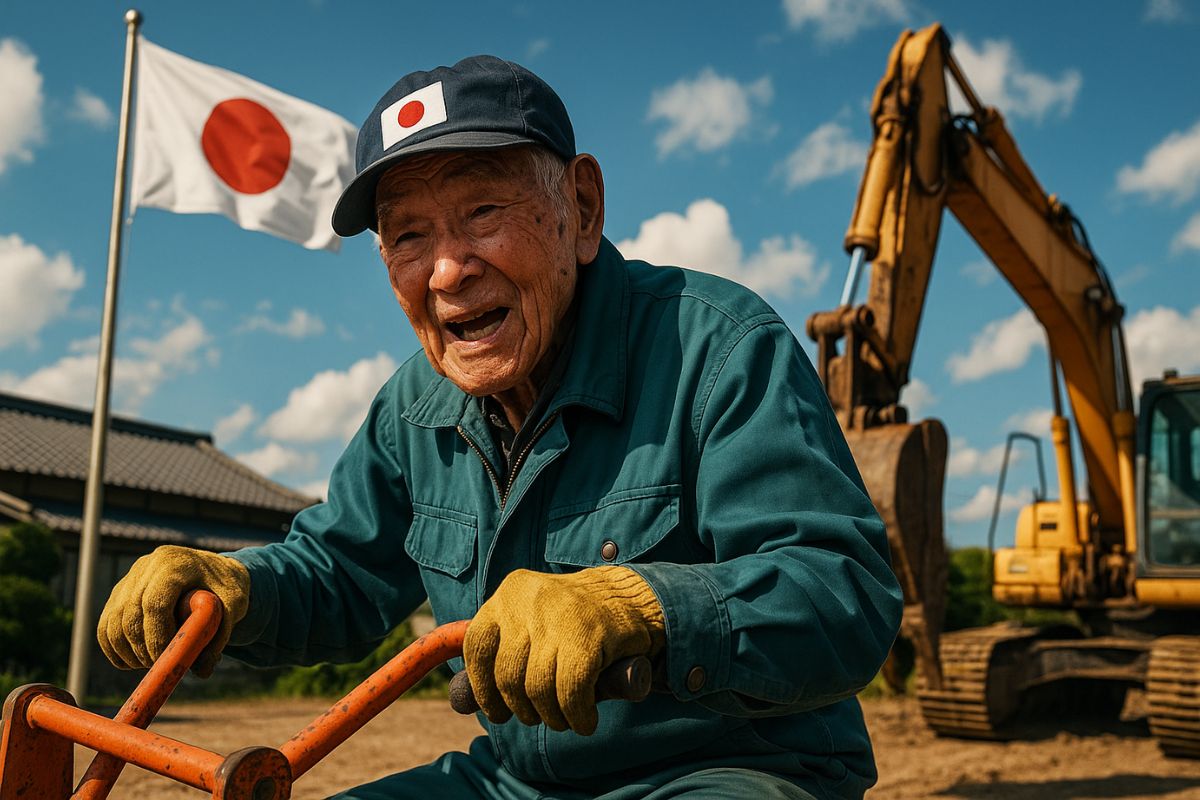
In A Country With More Than 100 Thousand People Over A Hundred Years Old, Real Stories Reveal How The Habit Of Working After 100 Has Become One Of The Secrets Of Japanese Longevity, Helping To Preserve Physical Health, Mental Clarity, And Purpose In A Society That Is Rapidly Aging.
Japan, which is home to the largest proportion of centenarians in the world, faces the challenge of balancing a growing elderly population with a declining active base. Still, many Japanese prefer to continue working even after turning a hundred. For them, working after 100 is a way to keep the mind active, the body moving, and the spirit useful to the community.
Japanese longevity relies on factors known as healthy eating, accessible healthcare, and strong family ties. But work, according to the centenarians themselves, is what gives meaning to their routine. The daily craft is seen as a mental and emotional exercise, not just a source of income.
The Mechanic Who Never Stopped
In Tokyo, mechanic Seiichi Ishii, 103 years old, continues repairing bicycles at the workshop where he started as a teenager.
-
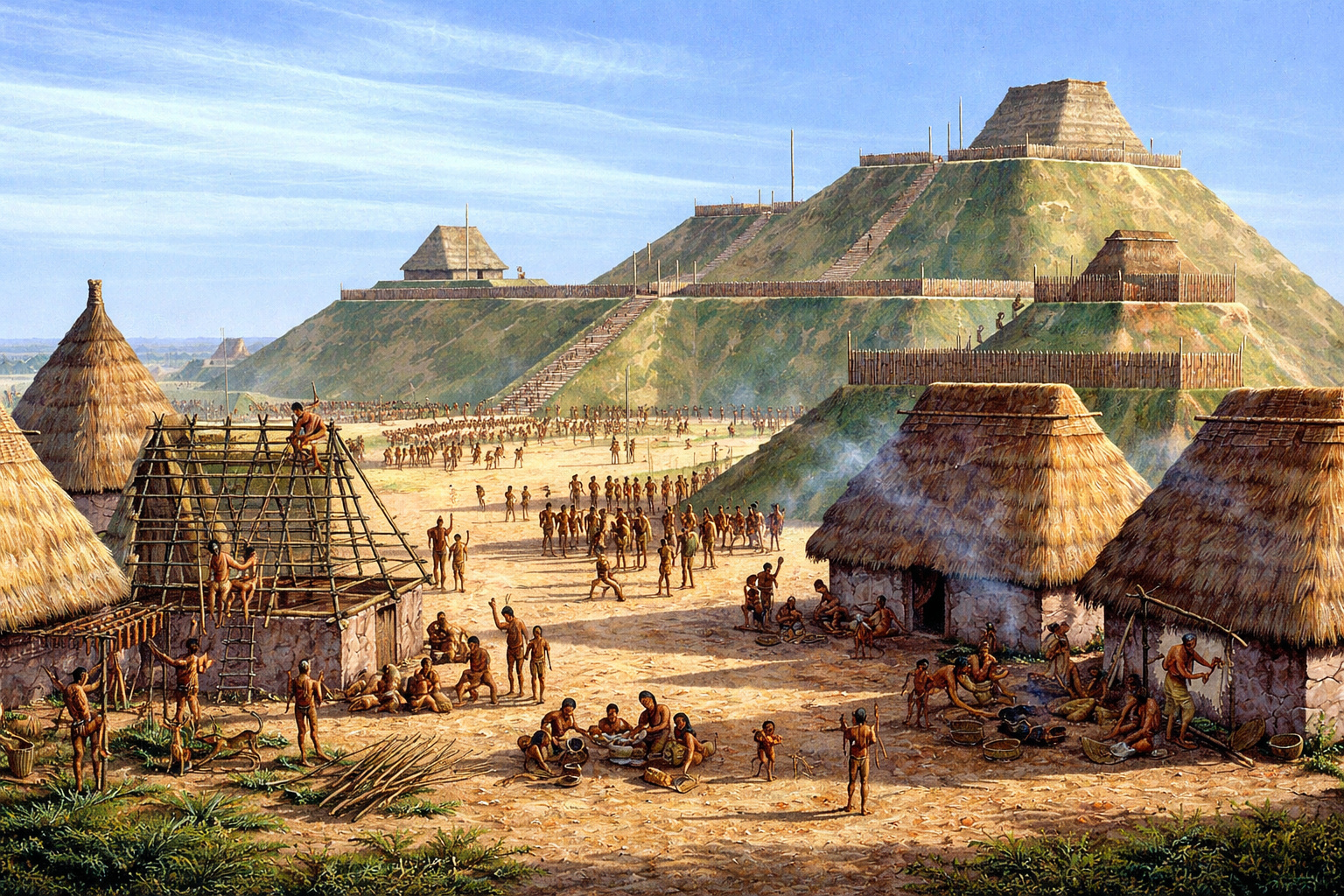
With over 14 million baskets of earth moved, an ancient North American metropolis built a monumental pyramid of 30 meters and established a city with 20,000 inhabitants nearly a thousand years ago.
-
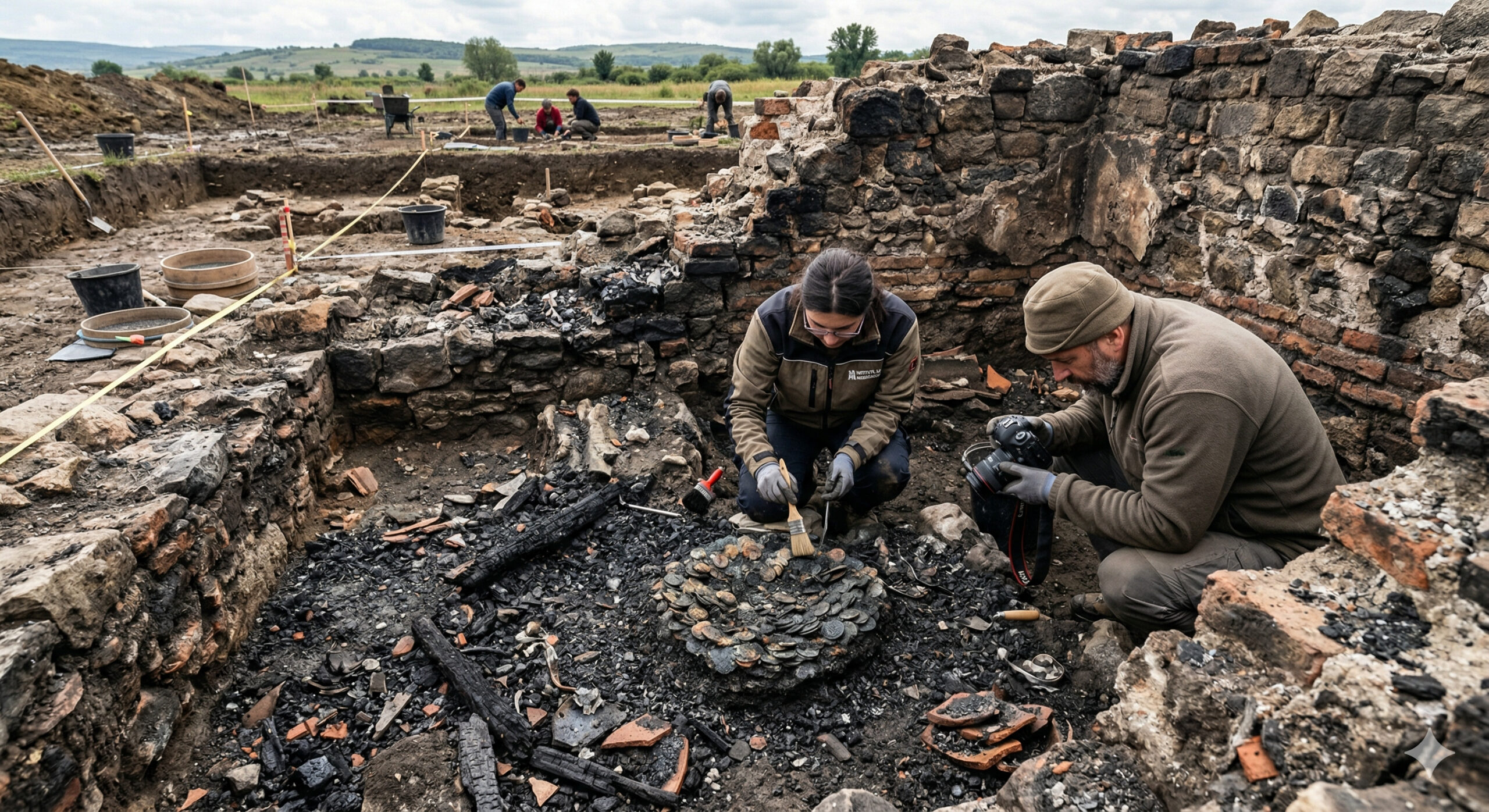
A 1,900-year-old treasure emerges from a Roman house destroyed by fire and sealed since antiquity in Romania, with coins and metals fused among the ashes.
-
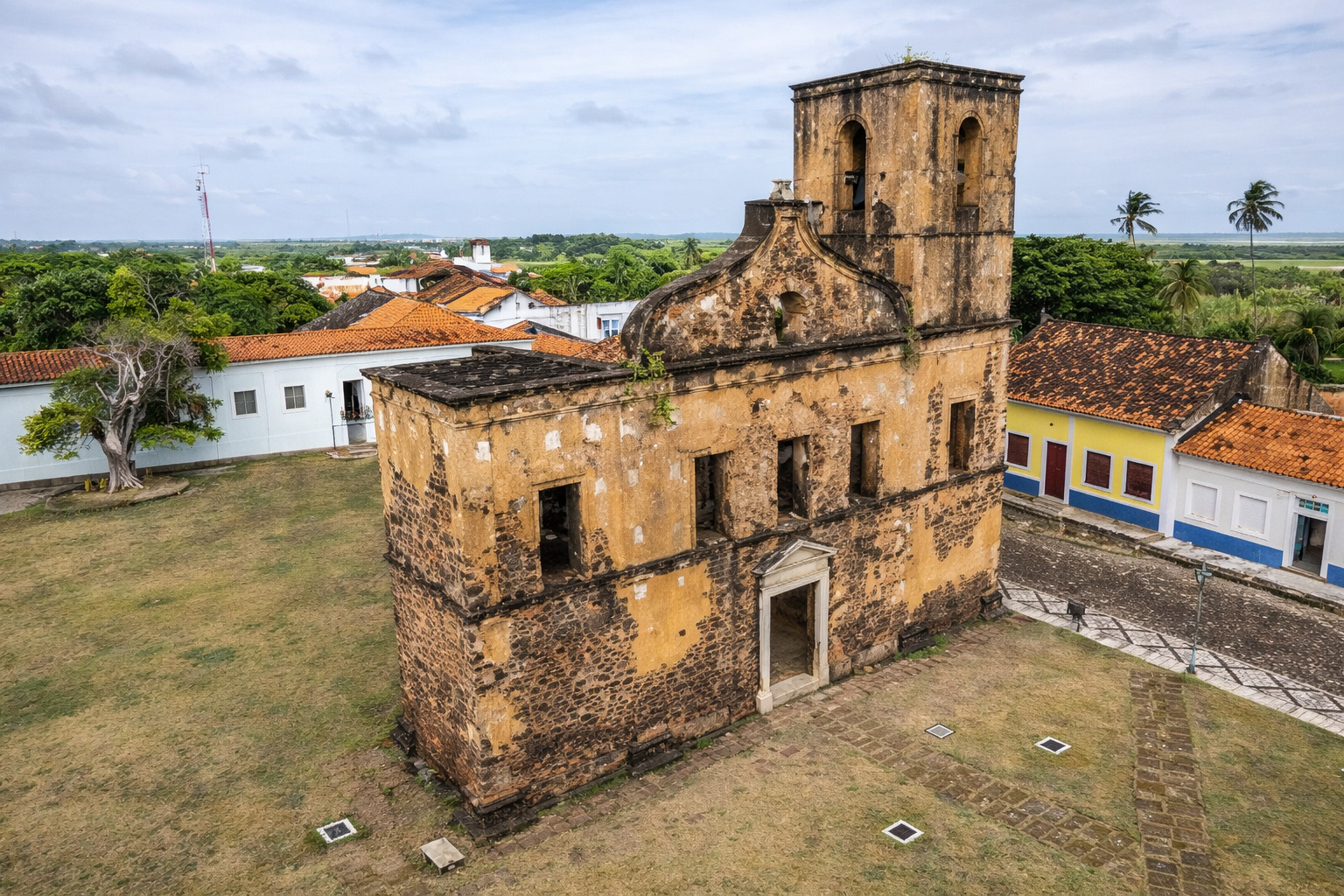
The Brazilian colonial city that stopped in time and shares territory with a rocket launch base.
-
79-year-old woman challenges limits, visits 193 countries in the world after 56 years of planning and reveals the behind-the-scenes of a global journey that few have managed to accomplish.


His blue overalls no longer fit like they used to, but the routine remains unchanged.
He wakes up excited, ready to serve customers and solve chain, brake, and rim problems with his usual precision.
Ishii says that “if I die in the workshop, I will die happy”, because work keeps him alive and connected to the world.
In addition to supplementing his retirement, he believes that disassembling and reassembling bicycles is the best training for the brain and hands.
In a country where discipline is a virtue, his daily commitment is also a form of meditation.
The Chef Who Finds Vitality in the Kitchen
In the city of Onishi, Fuku Amakawa, 102 years old, continues to run her ramen restaurant, which has been open for six decades.
She works five days a week, preparing broths, stirring noodles, and serving regular customers.
The warm environment and constant steam from the kitchen, she says, are good for the body and soul.
Amakawa says work is her therapy. Even after feeling muscle pain from lifting heavy pots, she does not think about stopping.
“What keeps me strong is movement,” she says as she organizes the steaming bowls. For her, each dish served is a victory against time.
The Farmer Who Transforms Routine into Longevity
In Bungotakada, in Oita Prefecture, Masafumi Matsuo, 101 years old, still plants rice, eggplants, and beans.
A widower and a survivor of cancer and Covid-19, he says that working in the field is what keeps him going.
Every day he brings a stool to the field and takes small breaks between planting and watering.
Working is his medicine and also a tribute to his late wife, for whom he dedicates offerings of fresh rice at a home altar.
“I work to stay healthy,” he says simply. The daily physical activity and contact with the earth symbolize a cycle of life he does not intend to interrupt.
The Seller Who Spreads Self-Esteem
In Fukushima, Tomoko Horino, 102 years old, continues selling cosmetics and offering beauty advice over the phone.
For her, makeup is more than aesthetics: it is a way to restore confidence to people.
Work, which began in her youth, has become her identity and her link to the world.
Now a widow living alone, she maintains a disciplined routine and a small circle of loyal customers. “Seeing someone feel beautiful makes me feel alive,” she declares.
Amid phone calls and conversations, she believes that working is the best way to fend off loneliness and maintain clarity.
The Storyteller Who Gives Voice to Memory
In Soma, also in Fukushima, Tomeyo Ono, 100 years old, is a storyteller of traditional Japanese tales.
She climbs onto small stages and narrates folk tales with energy and precision. She learned the art after turning 70, and since then has made work an act of cultural resistance.
After losing her home in the 2011 tsunami, Ono decided to include survivor stories in her narratives.
Writing and telling minwa has become her way of preserving memories and giving voice to those who lived through tragedies.
“I live to tell stories,” she asserts. Each performance is a reminder that the past remains alive through words.
The Biological and Cultural Value of Work
The stories of these Japanese individuals show that working after 100 is more than an individual choice.
It reflects a culture that values discipline, social utility, and the continuity of purpose. Work is not a burden but a way to remain physically and cognitively active.
Studies on aging confirm that maintaining productive routines reduces the risk of degenerative diseases and depression.
For Japanese centenarians, daily occupation is the balance between body and mind, where life and work become inseparable.
The example of Japan shows that aging is not synonymous with stagnation. On the contrary, working after 100 is a demonstration of vitality and purpose.
Whether in the workshop, the kitchen, or the fields, work keeps time moving and the spirit awake.
Do you believe that work can be a source of energy and meaning even after 100 years?







-

Uma pessoa reagiu a isso.