





 Portuguese
  English
  Spanish
  4 min of reading
  3 comments




Emergency Strategy Adopted After Floods in Australia Exposes How Rapid and Coordinated Actions Against Wild Boar Can Reduce Environmental, Sanitary, and Economic Damages.
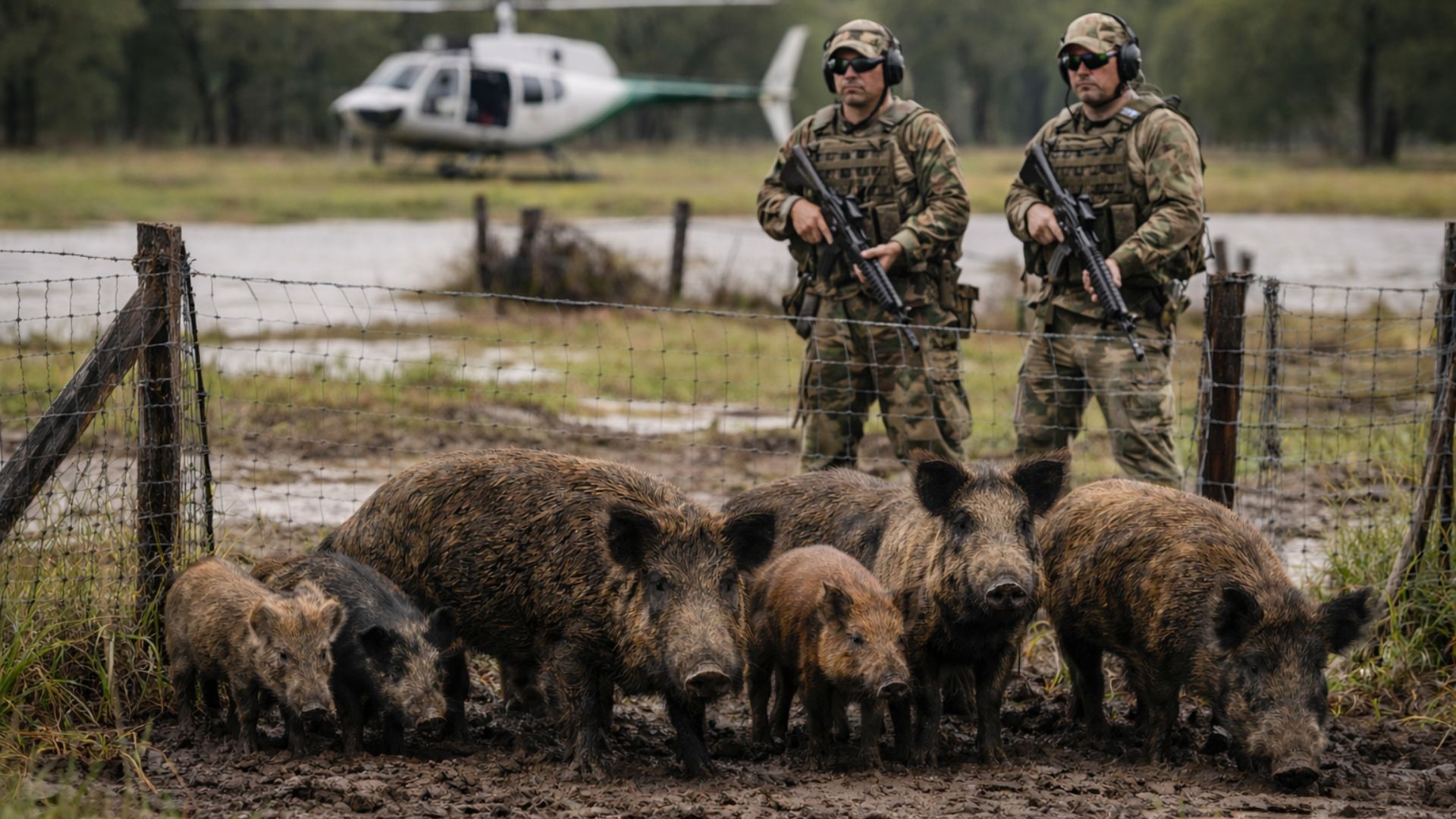
After floods that hit northwestern Queensland, Australia, specialized aerial hunters have been hired to reduce the wild boar population in severely affected rural areas.
The initiative aims to explore a “window of opportunity” created by the climate disaster, a period in which animal behavior changes significantly.
With large areas covered by water, wild boars tend to concentrate in higher ground areas, such as banks, natural elevations, and temporary islands.
-
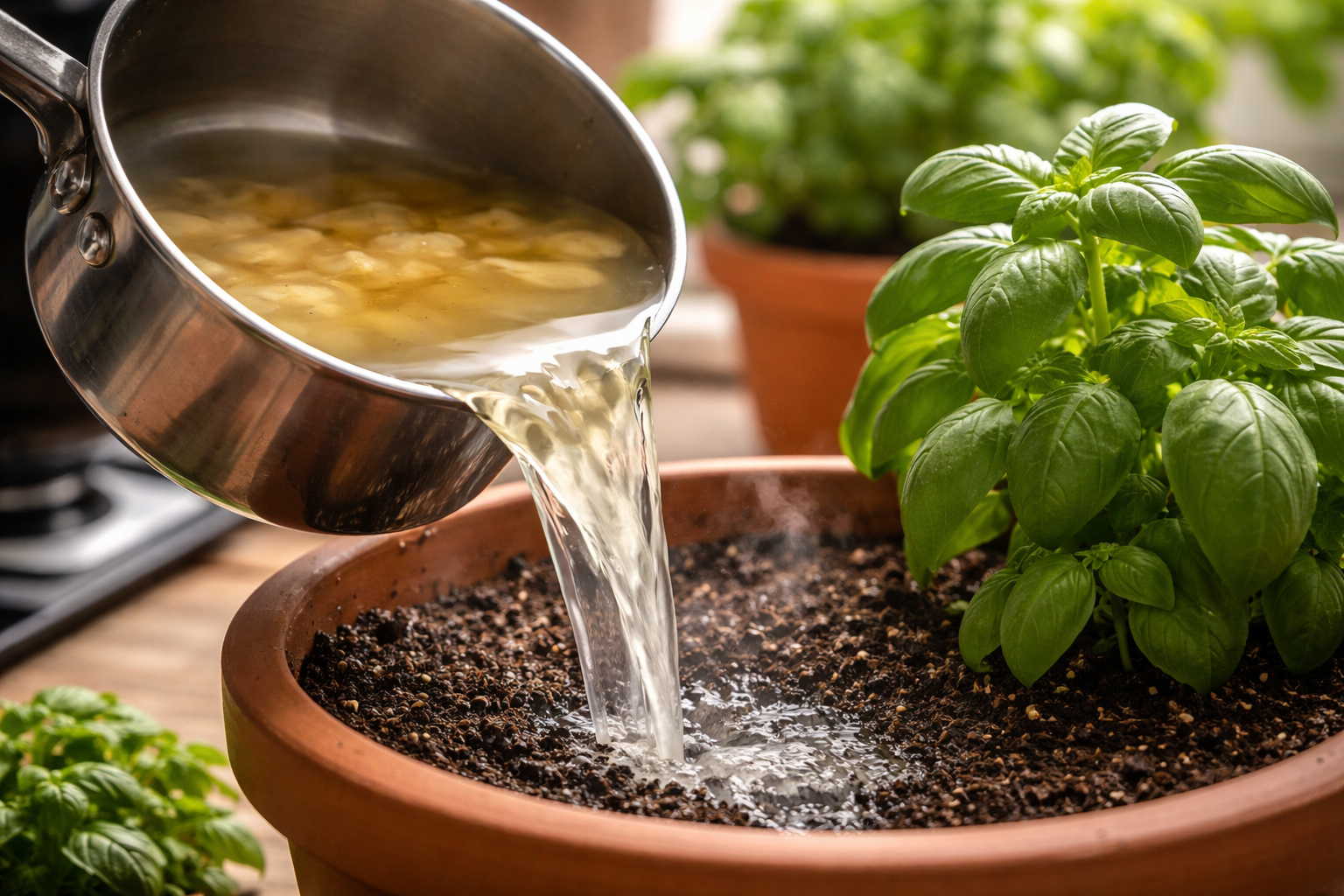
The water that almost everyone throws away after cooking potatoes carries nutrients released during the preparation and can be reused to help in the development of plants when used correctly at the base of gardens and pots, at no additional cost and without changing the routine.
-
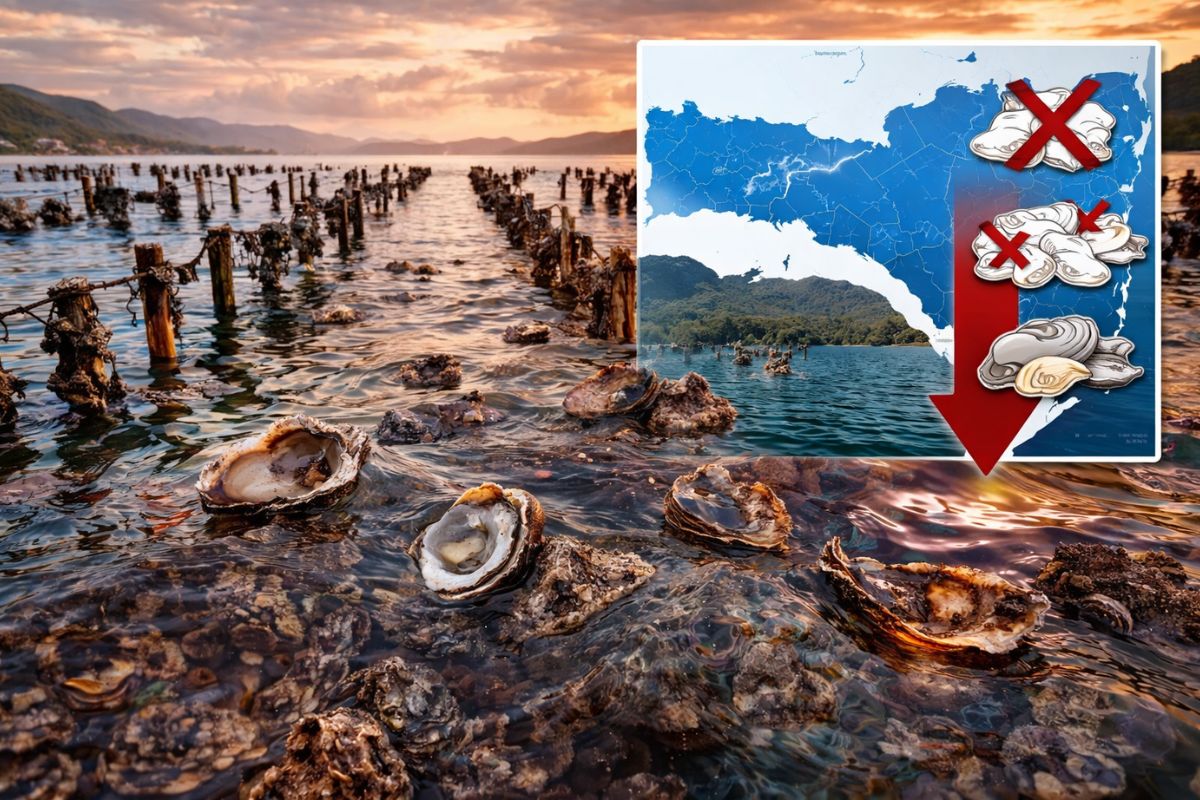
The sea water temperature rose from 28 to 34 degrees in Santa Catarina and killed up to 90% of the oysters: producers who planted over 1 million seeds lost practically everything and say that if it happens again, production is doomed to end.
-
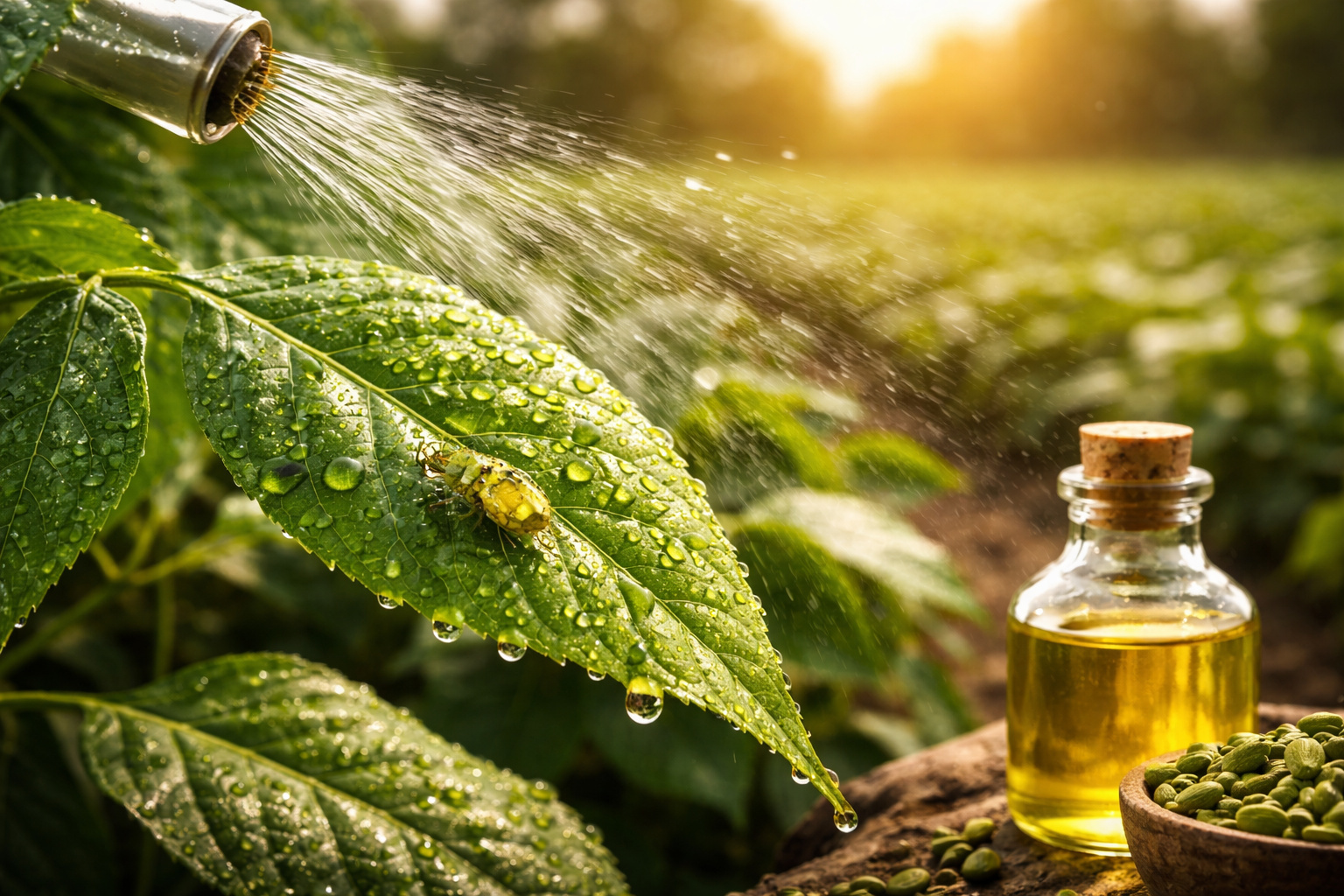
An Indian tree that grows in the Brazilian Northeast produces an oil capable of acting against more than 200 species of pests and interrupting the insect cycle, gaining ground as a natural alternative in soybean, cotton, and vegetable crops.
-
The rise in oil prices in the Middle East is already affecting Brazilian sugar: mills in the Central-South are seeing their margins shrink just as ethanol gains strength.

This forced displacement increases the exposure of groups and makes control actions more efficient than during normal periods.
The strategy was reported by Beef Central and confirmed in official statements from the Queensland government and the Australian federal government.
The publications position the operation within a broader effort of post-flood recovery and direct support to rural producers.
According to officials and industry representatives, the goal is to prevent the population of feral pigs from rapidly increasing again after the critical phase of flooding has passed.
The central concern is to prevent new damages from adding to those already caused by the flooding.
Operational Window Created by Floods
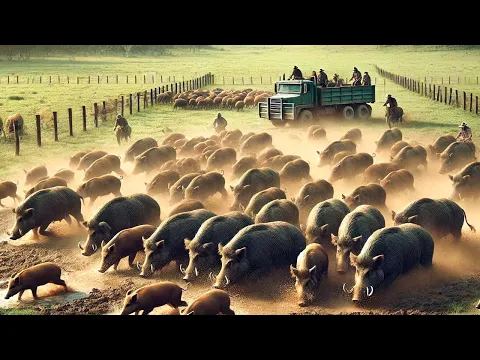

The logic behind the operation is straightforward and depends on timing. Under normal conditions, wild boars spread across large areas, utilize dense vegetation as shelter, and easily alter their routes.
This pattern complicates concentrated actions and reduces the effectiveness of control. However, during the flood, the territorial dynamics change.
With fewer shelter options, the animals become restricted to dry points and start to move along more predictable paths.
In many cases, these areas can be identified from above, which increases the efficiency of aerial actions.
In light of this scenario, AgForce informed that it communicated with the state government about the favorable moment to intensify control efforts.
The assessment presented is that acting quickly helps reduce future impacts, especially while properties are still vulnerable.
For the organization, missing this window could mean facing an even bigger problem in the following weeks.
Risk Increases When Water Recedes
The period just after the floodwaters recede is noted as especially critical. Australian authorities associate this phase with the risk of rapid population growth of wild boars.
As the soil starts to dry, the environment begins to provide available water and reopened areas for feeding and movement.
At the same time, many farms are still facing structural damage and operational limitations.
In livestock farming, this imbalance raises additional concerns.
Destroyed fences and teams concentrated on repairs reduce the response capability in the field.
In this interval, wild boars can intensify destruction in pastures, waterways, and sensitive areas.
As a result, costs increase, and recovery tends to take longer.

In an official statement, Australia’s Federal Minister for Emergency Management, Kristy McBain, stated that, with damaged fences, wild boars can cause “significant problems”.
According to her, additional losses may occur if there is no prompt response.
The Queensland Minister of Primary Industries, Tony Perrett, emphasized that the current moment is decisive.
In his assessment, intervention now reduces the chance of a “devastating” impact on the environment and livestock.
Support Package and Government Action
The control of feral pigs is part of a broader support package for producers affected by the floods.
According to official information, the hiring of specialized teams is part of the Primary Producer Support Package.
The program totals AUD 11.32 million allocated for the recovery of the rural sector.
These resources are activated within disaster recovery financing agreements.
The measures are associated with the climate event known as the North Queensland Monsoon Trough.
Impacts related to the former tropical cyclone Koji are also mentioned.
The government stated that activities will proceed as access and safety conditions permit.
In addition to wild boars, other pests may be included in the control actions.
Coordination with Environmental Areas
The operations are not limited to productive properties. The Queensland government informed that there is coordination with the Queensland Parks and Wildlife Service.
The coordination seeks to enable control also in protected areas.
In these locations, the presence of feral pigs affects sensitive ecosystems, river banks, and wet environments.
The integration between the productive sector and environmental agencies is treated as essential. The problem transcends property boundaries and requires a joint response.
While producers deal with direct damage to infrastructure, natural areas face ongoing degradation.
Alert Directly to Rural Brazil
The Australian experience directly relates to the Brazilian reality. In Brazil, wild boars and their hybrids are recognized as an invasive exotic species.
Population control is authorized throughout the national territory.
Federal legislation establishes rules for registration, monitoring, and oversight of actions.
In practice, the legal framework seeks to ensure responsibility and traceability.
In conservation units, the wild boar is treated as an environmental pressure factor.
Environmental agencies associate the impacts with the absence of natural predators and the species’ high adaptability.
More than the technique employed, the Australian case highlights the importance of response timing.
Extreme climatic events tend to concentrate animals in restricted areas.
This condition can create opportunities for more efficient actions, provided they occur with planning and speed.
When this window closes, control becomes more difficult, costly, and prone to failures. In Brazil, where climatic extremes also affect rural areas, the debate gains urgency.
How to structure integrated responses that do not depend solely on isolated actions.
And, in the face of a highly adaptable animal, to what extent will the country be able to act before a new cycle of damages consolidates.







Detalhe no futuro nossos filhos ou netos teram que ir num museu pra saber o que javali ou raposa
Vc tem propriedade rural?
porque não uma alimentação que o javali goste mais e colocar um produto quê estereliza tanto o macho como a fêmea . a reprodução é muito rápida, caçando não terminará com o javali