





 Portuguese
  English
  Spanish
 4 min of reading


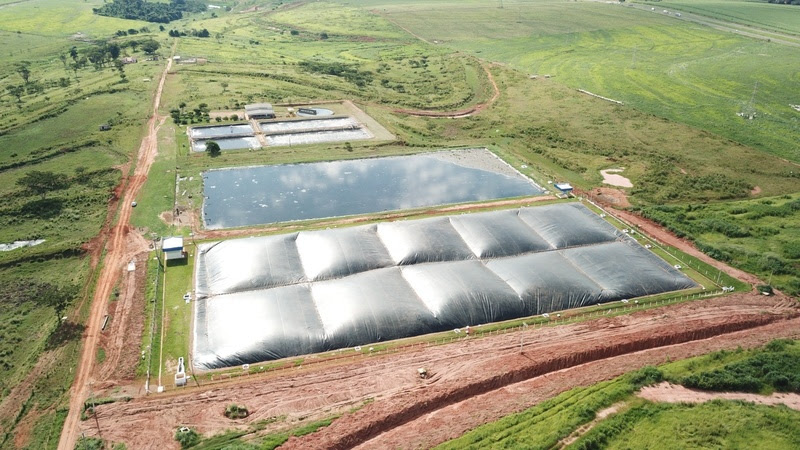
A Green Revolution: JBS Invests R$ 54 Million in Biodigesters for Biogas Production
São Paulo, May 31, 2023 – The energy future of JBS, one of the world’s giants in the food industry, presents an increasingly green face. The company is promoting a revolution in its industrial practices with the implementation of biodigesters. The intention is to transform the methane generated in its operations into biogas, a renewable and clean energy source. With an investment of R$ 54 million, the company aims to reduce Friboi’s scope 1 emissions by 65%, which corresponds to a 24.6% decrease in scope 1 emissions across all JBS activities in Brazil. This ambitious project represents the largest initiative of its kind in the country’s protein industry, minimizing the environmental impact of its production processes.
Biodigesters: The New Frontier in Methane Capture for Biogas Production
The biodigesters will be responsible for capturing the methane released by the company’s operations, converting it into biogas. This clean fuel is standing out in the global energy transition towards a low-carbon matrix. Following the principles of the circular economy, biogas can be used in three areas: to generate steam in the boilers of the units, replacing biomass; as a source for generating electricity; and as fuel for JBS’s transport fleet, replacing diesel or in a hybrid system. These applications contribute to the reduction of scope 1 (direct) and scope 2 (related to electricity use) emissions.
The first phase of the project will be implemented by mid-June 2023 in nine Friboi factories in the states of São Paulo, Mato Grosso do Sul, Mato Grosso, Goiás, Minas Gerais, and Rondônia. The units in Andradina (SP), Campo Grande I (MS), Lins (SP), Mozarlândia (GO), and Ituiutaba (MG) have already completed their works, while the others are in advanced stages of implementation.
-
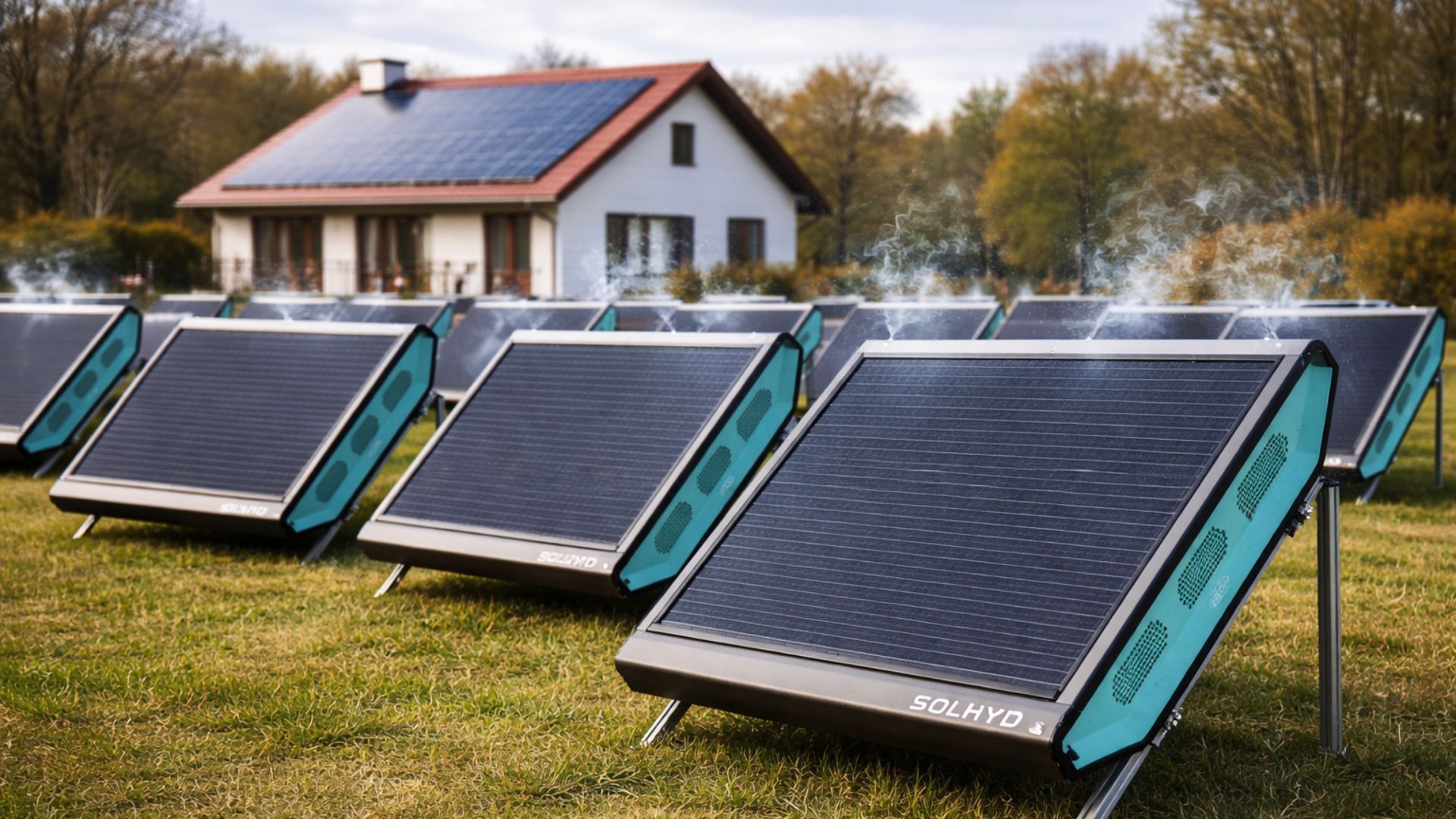
Green hydrogen at home: Belgium launches new technology that makes solar panels produce fuel from the moisture in the air, which could boost the energy transition.
-
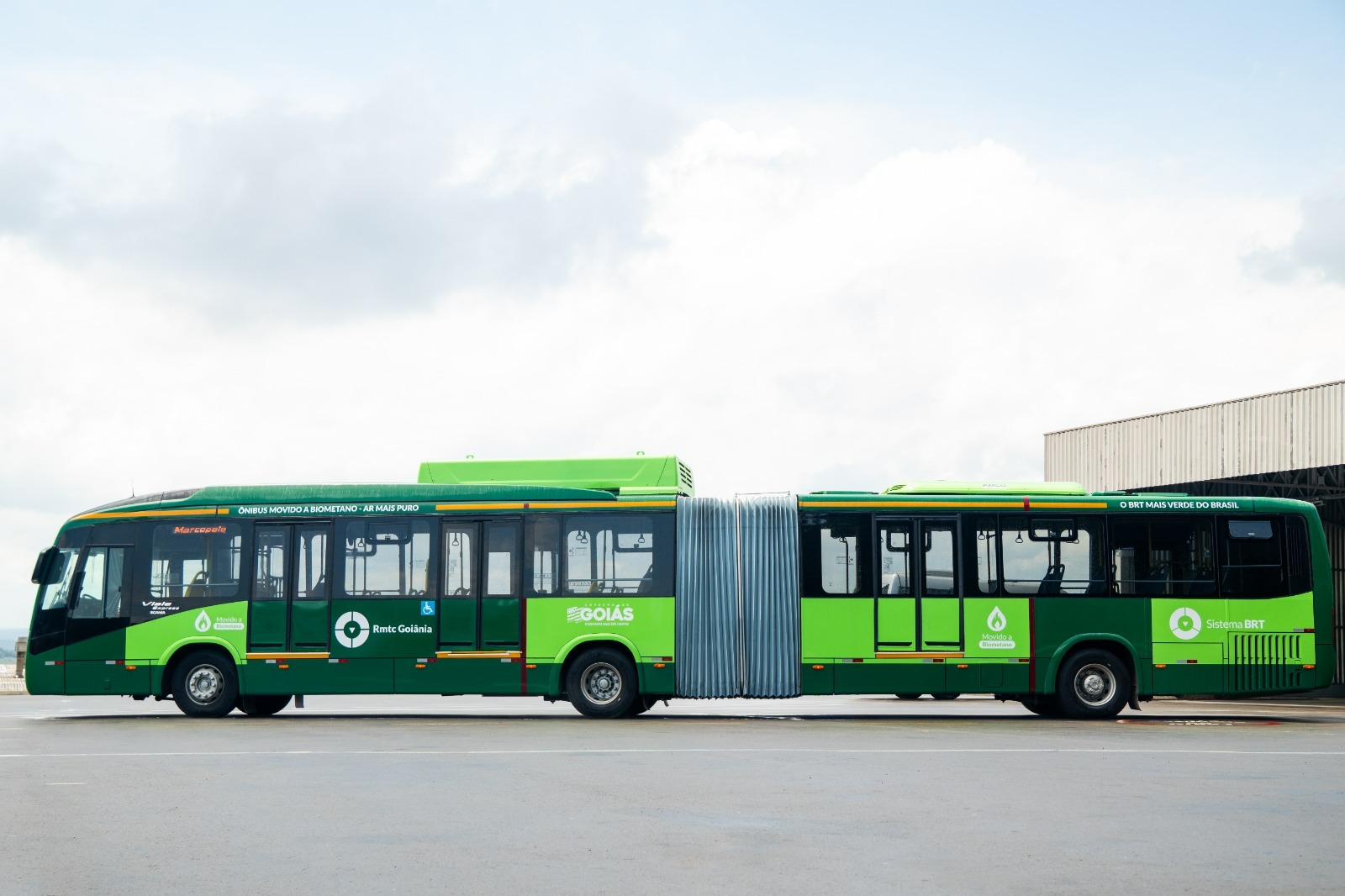
Revolution in public transport: Goiânia puts into circulation the first articulated buses powered by biomethane in Brazil and promises to drastically reduce pollution on the Anhanguera Corridor.
-
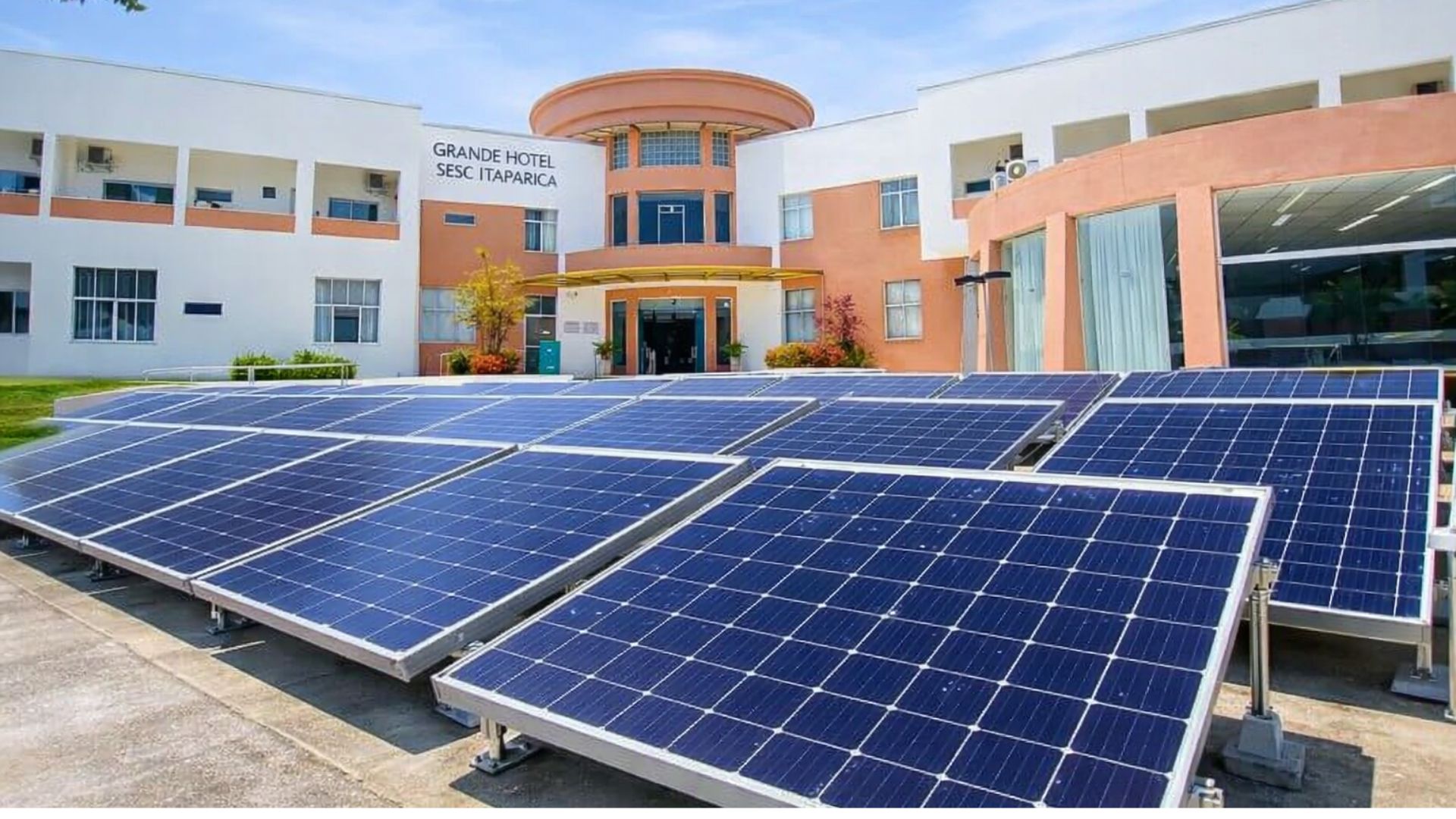
Sesc-BA bets on renewable energy with the support of EDP and drives the energy transition with a direct impact on cost reduction and the sustainability of its operations in Bahia.
-
Technology giant breaks global sustainability records: How Amazon’s leadership in renewable energy procurement transformed the global energy market in the past year.

JBS and the Vision of Sustainable Agribusiness
Maurício Bauer, corporate director of Sustainability at JBS Brazil, emphasizes that, aligned with the circular economy, the biodigesters will contribute to reducing the company’s methane emissions and begin the production of clean, renewable energy. Bauer highlights JBS’s vision that agribusiness is part of the solution to face the challenges of climate change. Currently, around 90% of the company’s electricity matrix in Brazil already comes from renewable energy sources.
This investment in biogas projects in Brazil reflects JBS’s commitment to becoming a Net Zero company by 2040, meaning zero net greenhouse gas emissions across its entire value chain. This goal involves reducing direct and indirect emissions and offsetting all residual emissions. Globally, JBS has been working on methane capture in its operations for decades.
In an international context, 14 factories in the United States and Canada already have biodigester systems, producing 190,000 m³/day of biogas. This clean energy fuels boilers and is used in electricity production at the company’s units, as well as being sold to gas companies. In North America, the company plans to expand biogas production projects and make new investments in Mexico. At the same time, JBS and Energy360 are investing in biogas projects in Australia, with the potential to eliminate 60,000 tons of CO₂ emissions and save AUD 2 million per year in natural gas expenses.
Biogas in Brazil: Potential and Perspectives
The capture of methane in the nine Friboi units will allow the production of approximately 80,000 m³/day of biogas. This volume can meet the natural gas consumption of over 190,000 families with an average monthly consumption of 11.7 m³/month (2021 data on residential gas consumption in the State of São Paulo). Additionally, it can fuel 31,000 natural gas vehicles (NGVs) that travel about a thousand kilometers per month or 300 NGVs that cover the equivalent of 100,000 kilometers per day.
Along with its use in JBS operations, biogas can also be sold to third parties, such as state gas distribution companies or industries that wish to produce products from natural gas in a more sustainable manner. Another possibility is the conversion of biogas into biomethane for use as fuel in NGV vehicles. A third alternative under consideration is the use of biogas as a source for distributed electricity generation projects to supply the Group’s facilities.
Through these new initiatives, JBS is enhancing its efforts to reduce the impact of methane emissions in its operations. Another action in this direction is the partnership with the Zootecnia Institute of the Secretary of Agriculture and Supply of the State of São Paulo for the development of feed additives for the cattle chain.









Seja o primeiro a reagir!