





 Portuguese
  English
  Spanish
  5 min of reading
  0 comments


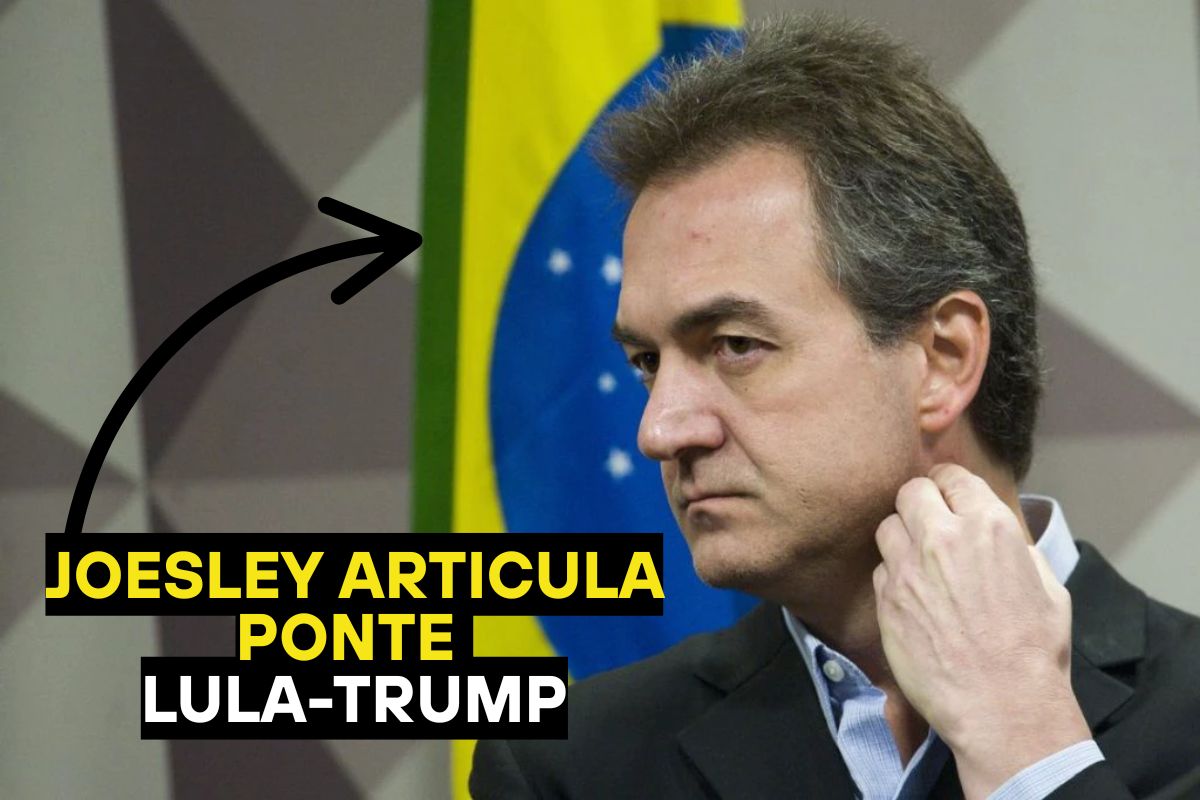
Brazilian Businessmen, Highlighting Joesley Batista, Act to Shift the US-Brazil Agenda from Political Conflict to Trade and Unlock Direct Dialogue Between the Presidents, According to MSN and Folhapress.
The movement of Joesley Batista and other major Brazilian businessmen in Washington opened space for a direct communication channel between Donald Trump and Luiz Inácio Lula da Silva, amid the stalemate over the “tarifaço” on Brazilian products. According to MSN and Folhapress, the private sector’s coordination favored the wing of the US government that advocates prioritizing business and competitiveness rather than escalating political tensions in the bilateral relationship.
The effort, described by interlocutors interviewed by Folhapress and reported by MSN, involved meetings in Congress and US trade agencies, as well as engaging lobbying structures. The practical result was a public gesture from Trump at the UN, a brief contact with Lula, and the scheduling of a video conference, which could reopen the negotiation bases for the tarifaço of 50%.
Who Moved the Pieces and Why
According to MSN and Folhapress, Joesley Batista, JBS, Embraer, and figures like João Camargo (Esfera Brasil) and Carlos Sanchez (EMS) worked to convince Trump’s team that tariffs on Brazilian items would raise prices for American consumers and politically strengthen Lula, producing the opposite of what the Republican staff desired.
The winning narrative among moderates was that trade should guide the relationship, preserving supply chains and industrial interests in both countries. This thesis gained traction in the Department of Commerce and at USTR.
-
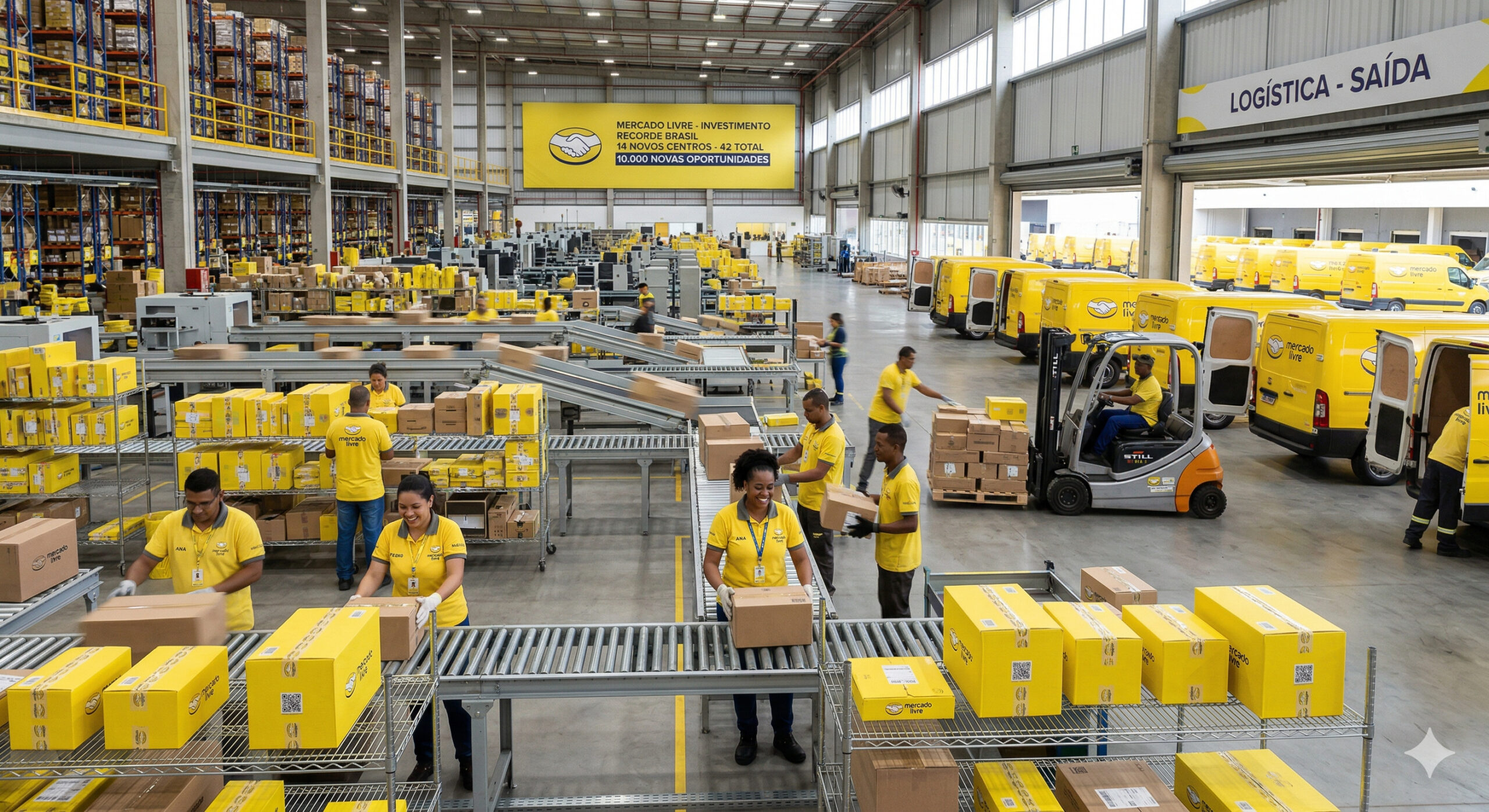
Mercado Livre “opens the vault” and announces a record investment of R$ 57 billion in Brazil in 2026, a value 50% higher than the previous year, with an expansion plan that includes 14 new logistics centers, totaling 42 units in the country and hiring an additional 10,000 employees.
-
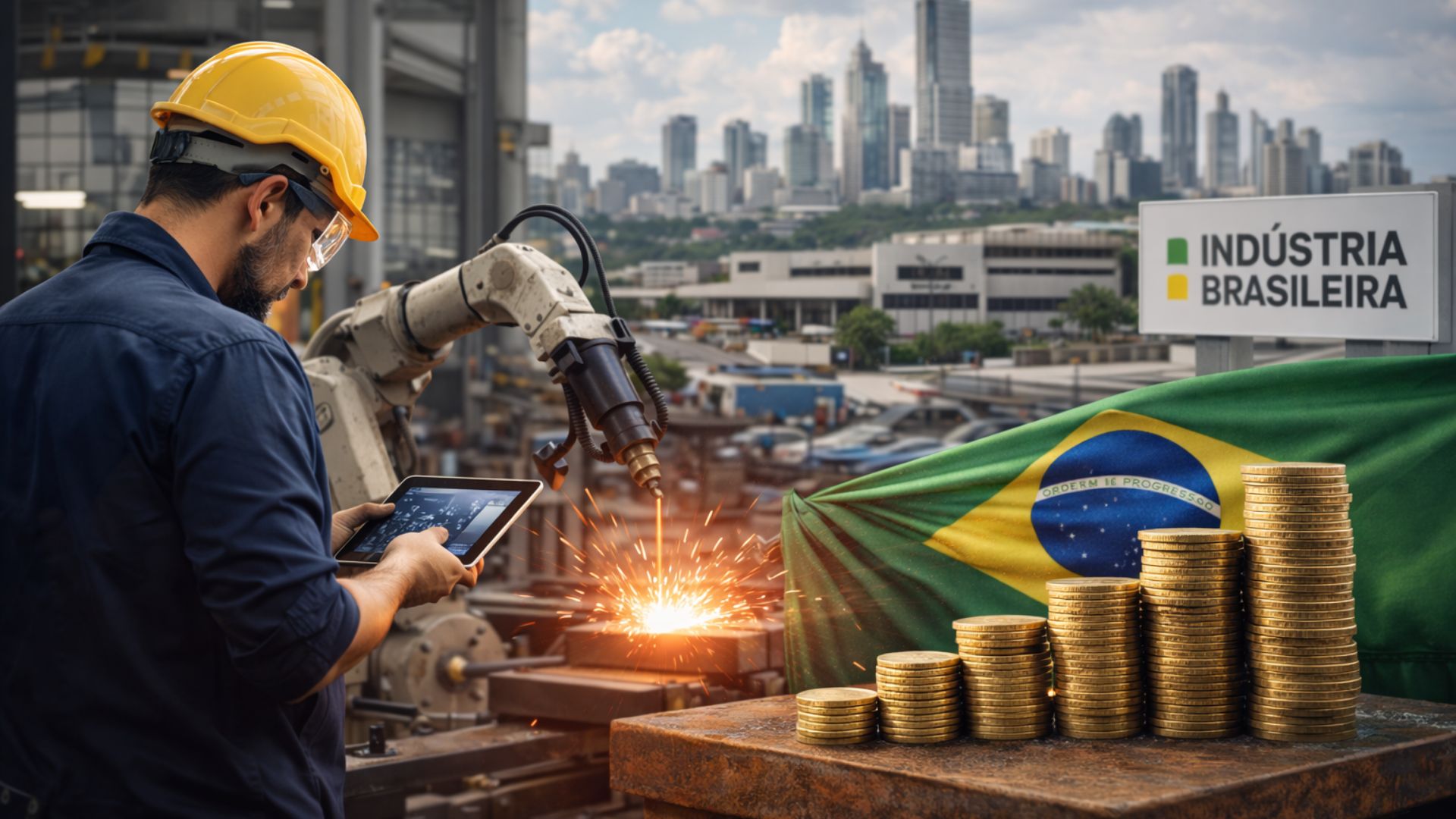
How investment in technology can revolutionize the national economy and enhance industrial gains, according to a study that highlights the direct impact on productivity, innovation, and wealth retention within Brazil.
-
The largest food company on the planet, JBS, has just opened a 4,000 square meter laboratory in Florianópolis to develop customized proteins that modulate muscle mass gain, immune response, and metabolic performance.

-
After nearly 30 bids and competition among industry giants, a Spanish company purchases one of the largest airports in Brazil for almost R$ 3 billion and takes over the management of Galeão in a concession that will last until 2039.


In the internal board of Trump, reported Folhapress, pro-business names linked to the US trade office (under Jamieson Greer) and the Department of Commerce (associated with Howard Lutnick), as well as concerns from the Treasury (Scott Bessent) about side effects of financial sanctions, positioned themselves. On the other side, voices in the State Department and former advisor Jason Miller advocated for maximum pressure, anchored in Jair Bolsonaro’s judgment in Brazil.
How the Coordination in Washington Happened

During the week of September 11, Joesley Batista and other businessmen were at the Capitol and in executive agencies, according to MSN and Folhapress. The delegation met with Republican lawmakers such as Maria Elvira Salazar and members of Trump’s team. There was also a meeting with Susie Willes, chief of staff to the President, considered one of the closest advisors to the Republican.
In parallel, CNI maintained an agenda with Undersecretary of State, Christopher Landau, and teams from USTR and the Department of Commerce, multiplying the points of contact below the radar and reinforcing technical messages about the sectoral impact of tariffs.
According to the reports, lobby groups were activated to reach the decision-making core more quickly. The central argumentative line: tariffs do not rehabilitate Bolsonaro, do not remove Lula, and raise the prices of coffee, meat, and other items, risking domestic political costs in the US. For the Planalto, the message was that there was room for dialogue, as long as the focus shifted from politics to trade.
What Came Out (and What Did Not) from the Sanctions
On the eve of Trump’s gesture at the UN, MSN and Folhapress report that the American government expanded personal sanctions. Viviane Barci, the wife of Minister Alexandre de Moraes, entered the Magnitsky Act, and the minister of AGU, Jorge Messias, had his visa revoked, a measure extended to other officials.
But there were no new tariffs against Brazil, nor exclusions from the exception list. On the contrary, interlocutors interviewed by the reports say they are optimistic about the possible inclusion of meat among the exempt products, a sign of de-escalating the trade conflict.
For sources cited by Folhapress, the combination of personal sanction and tariff truce allows Trump to maintain symbolic pressure while opening space to negotiate prices and deadlines with Brasília. In this scenario, Joesley Batista and other businessmen continued to serve as a technical bridge.
The Direct Channel: What Was Said and What May Come
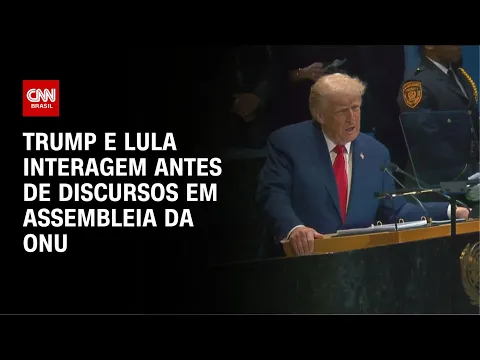
With the order of speeches at the General Assembly (Lula first and Trump next), the two were in the same room and exchanged greetings. Trump stated that the conversation lasted less than a minute, enough to arrange a video call for the following week, according to MSN and Folhapress.
The expectation, according to the reports, is to reopen parameters to discuss the tarifaço of 50% and protect sensitive sectors without inflating prices for American consumers. If confirmed, it will be the first direct dialogue between Lula and Trump and could relaunch commercial negotiations.
In the background, Lula’s aides are mapping convergences in the Department of Commerce and at USTR, where technical input and sectoral impact carry more weight than Brazilian political-judicial agendas. The reading is that there is room for segmented understandings, starting with proteins and coffee, as long as the public tone is moderate.
What Is at Stake for Brazil and the US
For Brazil, avoiding new tariffs is oxygen for exporters and an anchor against internal inflationary pass-throughs. Companies in protein, coffee, and manufacturing see the window as a chance to preserve markets and logistics routes. Joesley Batista and other business leaders, according to MSN and Folhapress, have served as cost-benefit interlocutors in this engineering.
For the US, holding consumer prices steady and shielding supply chains is a priority in an environment of geopolitical competition and electoral sensitivity. The political cost of raising shelf prices weighs heavily, and the economic argument has so far triumphed over the impulse for broad retaliation.
If the video conference advances in exceptions and timelines, the role of Joesley Batista and the business bloc is likely to endure, shifting the conversation to concrete metrics: how much it costs, where it hits, who pays, and how to communicate results without political noise in Brasília and Washington.
The business offensive led by figures like Joesley Batista has shown effectiveness in decompressing the US-Brazil axis and unlocking a direct channel between Trump and Lula, according to MSN and Folhapress. Without new tariffs and with personal sanctions as a safety valve, the coming days will test whether trade and technical can prevail over political symbolism and whether meat actually enters the exception list.
In your view, is the “shortcut” via businessmen, with Joesley Batista among the protagonists, healthy for diplomacy or does it create dependence on private lobbies? And if meat enters the exceptions, who wins and who loses in the production chain? Share in the comments; we want to hear from those who live this in practice.








-

Uma pessoa reagiu a isso.