





 Portuguese
  English
  Spanish
  7 min of reading
  1 comment


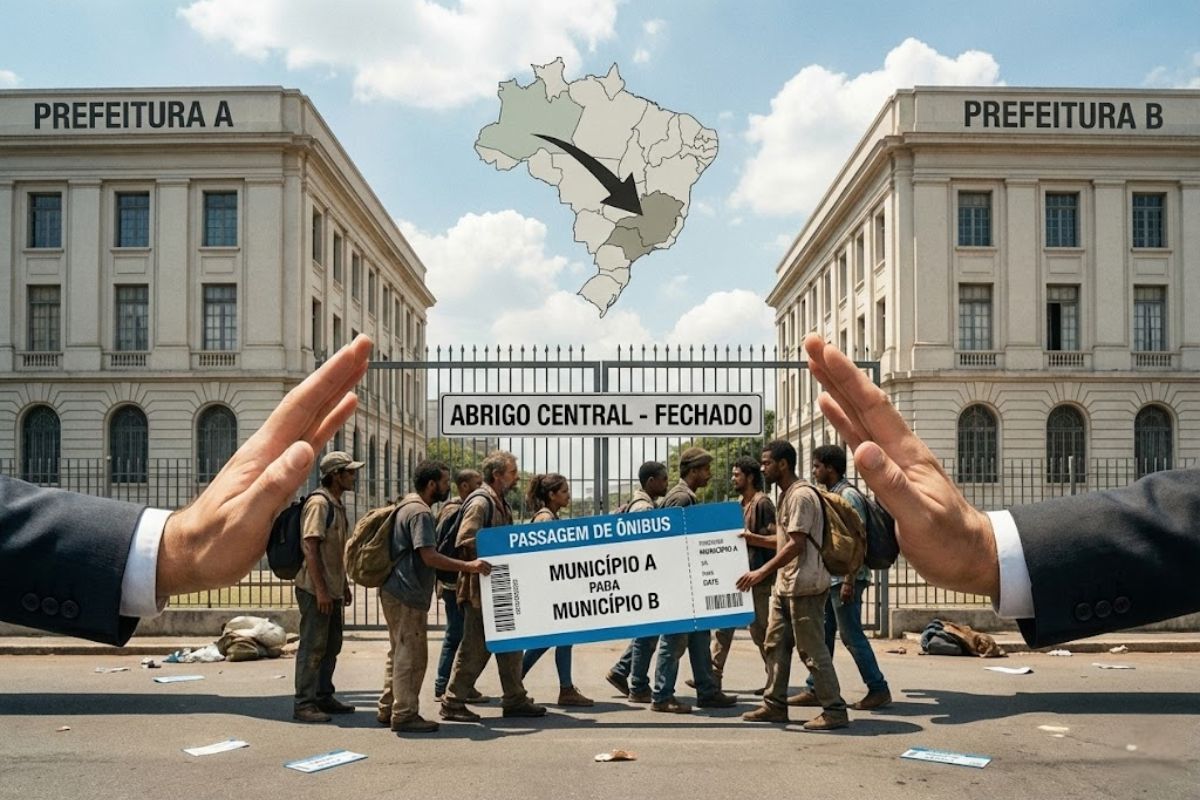


While Municipalities Buy Bus Tickets to Send People Experiencing Homelessness to Other Cities, They Close Central Shelters and Create Remote Units, Prosecutors and Advocates Speak of Urban Cleaning, Violations of Rights and Institutional Pushing Among Public Managers, with Decisions Questioned in the Supreme Court and Migrant Families Running in Circles.
In different regions of the country, municipalities have turned bus tickets into a tool for managing extreme poverty, using tickets to “reconvey” people to the supposed place of origin, even when family ties are not proven, according to a report from G1. In just a few months, the sum of Divinópolis and Florianópolis alone has exceeded 1,100 boardings funded by the government, while the perception grows that the problem has merely been displaced on the map.
At the same time that mayors record videos promising to “not accept” people in situations of homelessness in certain municipalities, central shelters are being closed, rural units are being opened kilometers from the center, and collection actions take on the contours of security operations, with participation from armed guards and involuntary hospitalizations under the generic justification of substance dependence.
Passing the Buck Between Municipalities and the Bus Ticket Policy
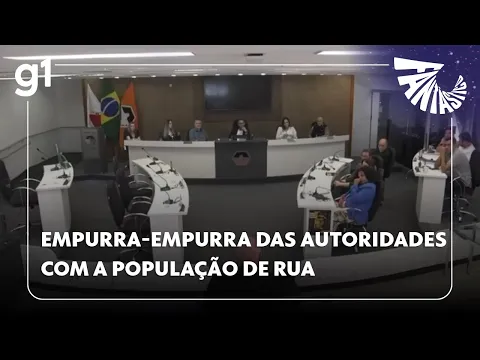

The use of bus tickets paid for by the government has always existed as an emergency instrument, intended to reunite families in situations of temporary vulnerability.
-
Brazil Ignores Trump’s threats to BRICS, Buys 42 tons of gold and reduces the Dollar’s share by 6.45% in international reserves.

-
Havan buys historic football land in Blumenau for a million-dollar amount protected by a confidentiality clause and is already planning to change even the layout of streets to build a megastore in half-timbered style costing 80 million reais.

-
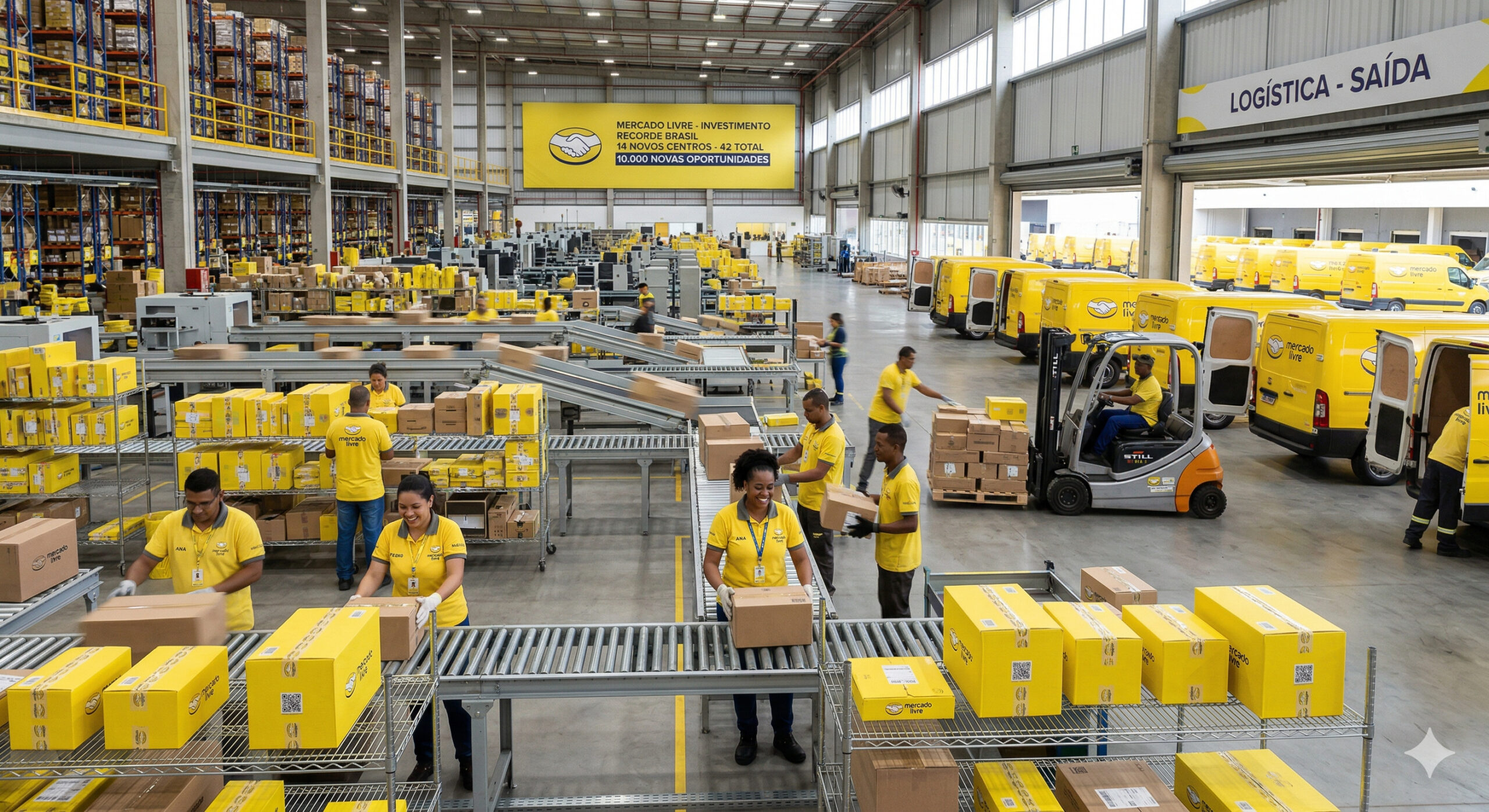
Mercado Livre “opens the vault” and announces a record investment of R$ 57 billion in Brazil in 2026, a value 50% higher than the previous year, with an expansion plan that includes 14 new logistics centers, totaling 42 units in the country and hiring an additional 10,000 employees.
-
How investment in technology can revolutionize the national economy and enhance industrial gains, according to a study that highlights the direct impact on productivity, innovation, and wealth retention within Brazil.


What has changed is the scale and context.
In Divinópolis, in Minas Gerais, social assistance agents report that they approach people experiencing homelessness daily and, after verifying ties, issue return tickets.
In the last six months, the municipality of Divinópolis itself has recorded 564 tickets funded for people experiencing homelessness, like the case of Cida, who left Nova Serrana, was assisted at the bus station, and on the same day received a ticket to Oliveira, over 70 kilometers away, without knowing exactly where she would stay upon arrival.
The city hall claims that she did not want to remain in the city, but the episode exposes the fragility of the model.
According to specialists interviewed in the original report, it is unlikely that a public manager could comprehend in a few hours the reasons that led someone to the streets and immediately decide on ‘reconveyance’ to another municipality, especially without ensuring structured accommodation at the destination.
The boundary between assistance policy and removal policy becomes tenuous when the main criterion is “not to stay here.”
The mayor of Divinópolis himself denounced that other municipalities were “dumping” homeless residents in his territory, using official health vehicles to leave them in the city.
This exposes a movement in which municipalities accuse each other of pushing invisible citizens along the roads, generating a permanent flow of buses full of vulnerable individuals, with no definitive solution at either end.
Santa Catarina, Balneário Camboriú and the Hardening on the Streets
In Santa Catarina, the tension between social outreach and repression gained face and voice in videos by local authorities.
In Balneário Camboriú, the mayor appears in recordings directly confronting people experiencing homelessness, making it clear that the municipality does not intend to accept that the streets are a place of permanence, especially for those arriving from other cities.
The official justification is always the same: alcohol, drugs, urban disorder.
The city hall claims to offer three main paths: treatment, social reintegration, or return to the municipality of origin.
When it identifies that someone was sent by another federative entity, it promises to contact the sending municipality to “ensure” that the process does not repeat itself.
In practice, however, those living on the sidewalks report removals, forced displacements, and even abandonments in stretches of road, like the Uruguayan who carries in his backpack the waiter’s uniform he hopes to wear again and describes being taken off the street and left far from the urban center, feeling treated like “discardable trash”.
The contradiction becomes even more evident when observing another front of public policies in the same state.
In Santa Catarina, there is a regulation that prohibits limiting the provision of water and food for animals like dogs and cats, but there is no similar protection for the distribution of food to people experiencing homelessness.
When municipal decrees attempt to restrict the delivery of meals in central areas, the Public Ministry reacts, calling for the revocation of the measures.
Florianópolis, Curitiba and the Venezuelan Family in the Middle of the Conflict
Florianópolis has become another sensitive point on this board between municipalities. A Venezuelan family, consisting of a woman, three children, and two men, was approached on the streets of the capital of Santa Catarina.
After initial referral to gender-separated shelters, the family received tickets to leave the city, under the argument that they had been sent earlier by the city hall of Curitiba.
The mayor of Florianópolis stated that he called the mayor of Curitiba to clarify the case, hearing that there had been an error from the Paraná social assistance when sending the Venezuelans to Santa Catarina.
The capital of Paraná, in turn, states that it has no record of providing assistance to the family after the supposed return.
The concrete result is that the migrant family became an object of negotiation between municipalities, with comings and goings determined more by administrative understandings than by the will of those directly involved.
Brazilian legislation guarantees freedom of movement within the national territory, and the right extends to refugees and migrants, which makes any movement decided without the effective participation of the affected individuals even more delicate.
In the same period, the mayor of Florianópolis released a video on social media questioning why municipalities would have transferred to the capital responsibilities for people who had not built their life trajectory there, while he also acknowledged having issued approximately 550 tickets for people experiencing homelessness to rebuild family ties or leave the city.
Closure of Shelters, Rural Units and the Criticism of Cleaning
Another movement that draws attention is the repositioning of the shelter network.
In Chapecó, in western Santa Catarina, the central transit house has been closed and replaced by a shelter located in the rural area, about 10 kilometers from the center, making it difficult for those who depend on services, job opportunities, and urban solidarity networks to access.
A surprise inspection by the Public Ministry identified a lack of psychosocial assistance professionals and reports from residents worried about possible political-electoral use of the unit, especially in light of the strong presence of the armed Municipal Guard inside the facility.
The city hall responded that it has reinforced the team after the inspection and that the goal is to provide shelter and treatment, not punishment.
At the same time, churches and civil society organizations report that municipal decrees attempt to restrict the distribution of food in areas where the homeless population concentrates, shifting solidarity to more remote locations, such as samba halls, away from the everyday view of the city.
For groups on the frontlines, this means moving the problem away from visible centers, without solving it.
It is in this context that prosecutors and public defenders have begun to use the term “cleaning,” describing a pattern in which municipalities reorganize urban space by pushing away those who visually disturb, either through tickets, closing central shelters, or forced displacement to remote units, instead of addressing the structural causes that led these people to the streets.
Supreme Court, Constitutional Rights and Practices on the Edge of Legality
From a legal perspective, there is a clear benchmark: in 2023, the Supreme Federal Court prohibited the forced removal of people experiencing homelessness, the collection of their belongings, and the compulsory transport to shelters without consent.
This means that any public policy needs to start, at least in theory, from the voluntary adherence of those involved.
In practice, however, the gap between the wording of the Supreme Court’s decision and the daily reality of municipalities remains wide.
When local authorities send messages in videos saying that someone “won’t stay here,” or when people report being taken at dawn to distant places and abandoned, the boundary between invitation and coercion becomes blurred.
The Public Ministry states that, in many cases, there are real advances: qualification programs, reinsertion in the job market, shelter with technical follow-up, and legitimate attempts to rebuild family ties.
At the same time, it acknowledges that in the eagerness to show quick results, some municipalities adopt rules and practices that collide with the Constitution, either by restricting circulation or controlling the distribution of food and the permanence in public areas.
While Cida, the devout Uruguayan with a waiter’s outfit in his backpack, the Venezuelan family, and so many others continue to cross bus stations with round-trip tickets, the country watches a game of passing the buck that turns basic rights into objects of dispute among local managers, directly impacting the lives of those who have already lost home, jobs, and support networks.
And you, faced with this scenario in which municipalities swap individuals experiencing homelessness for bus tickets and close central shelters, do you think these measures are a responsible solution or do you see them merely as a way to hide the problem from the eyes of the city?








Essa não é um primeira família que a prefeitura de Curitiba da passagens, isso é inadmissível