





 Portuguese
  English
  Spanish
  5 min of reading
  0 comments


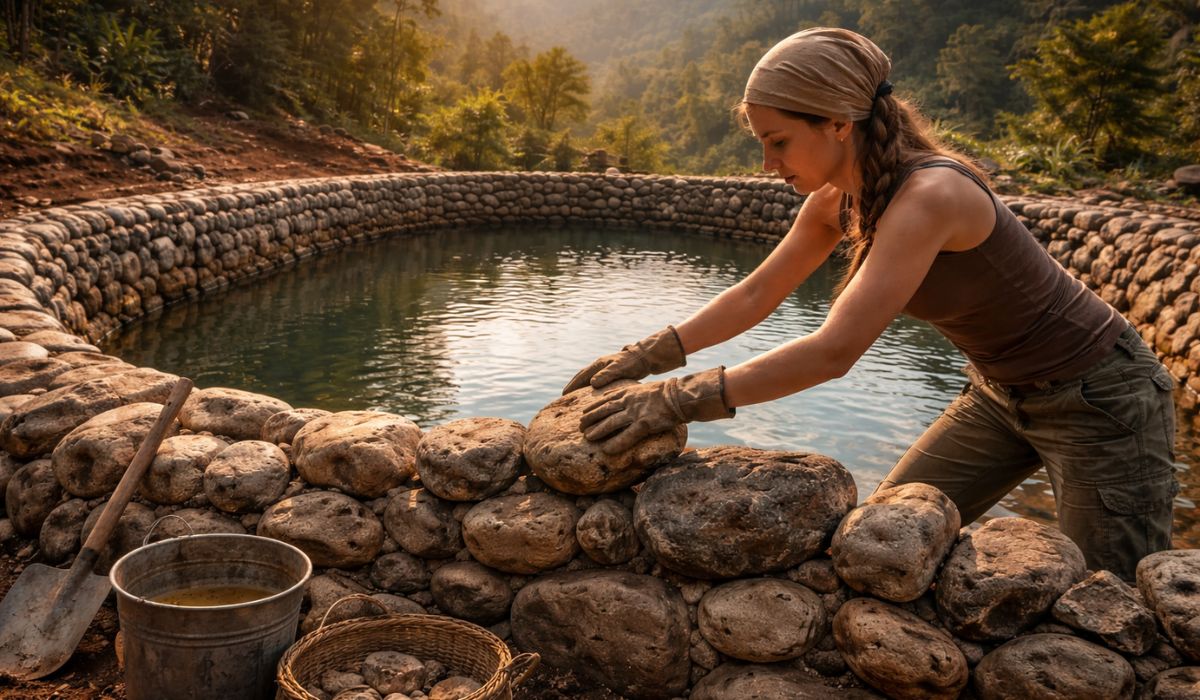
A Project Shown in Videos Brings Together Logistics, Manual Labor, and Local Materials to Create a Fish Farm.
The work exposes challenges of access, construction pace, and adaptation to the terrain, focusing on planning and task continuity.
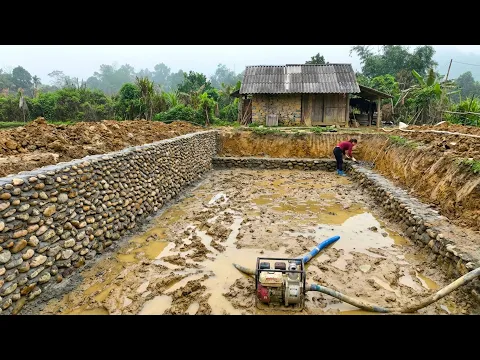
A young man gathered 10,000 stones to manually build the walls of a fish pond integrated into a self-sufficient farm in a remote mountain area.
The process is featured in videos from the channel Happy Farm and documents the steps of the work, from land preparation to reservoir assembly, using local materials and hand tools.
-
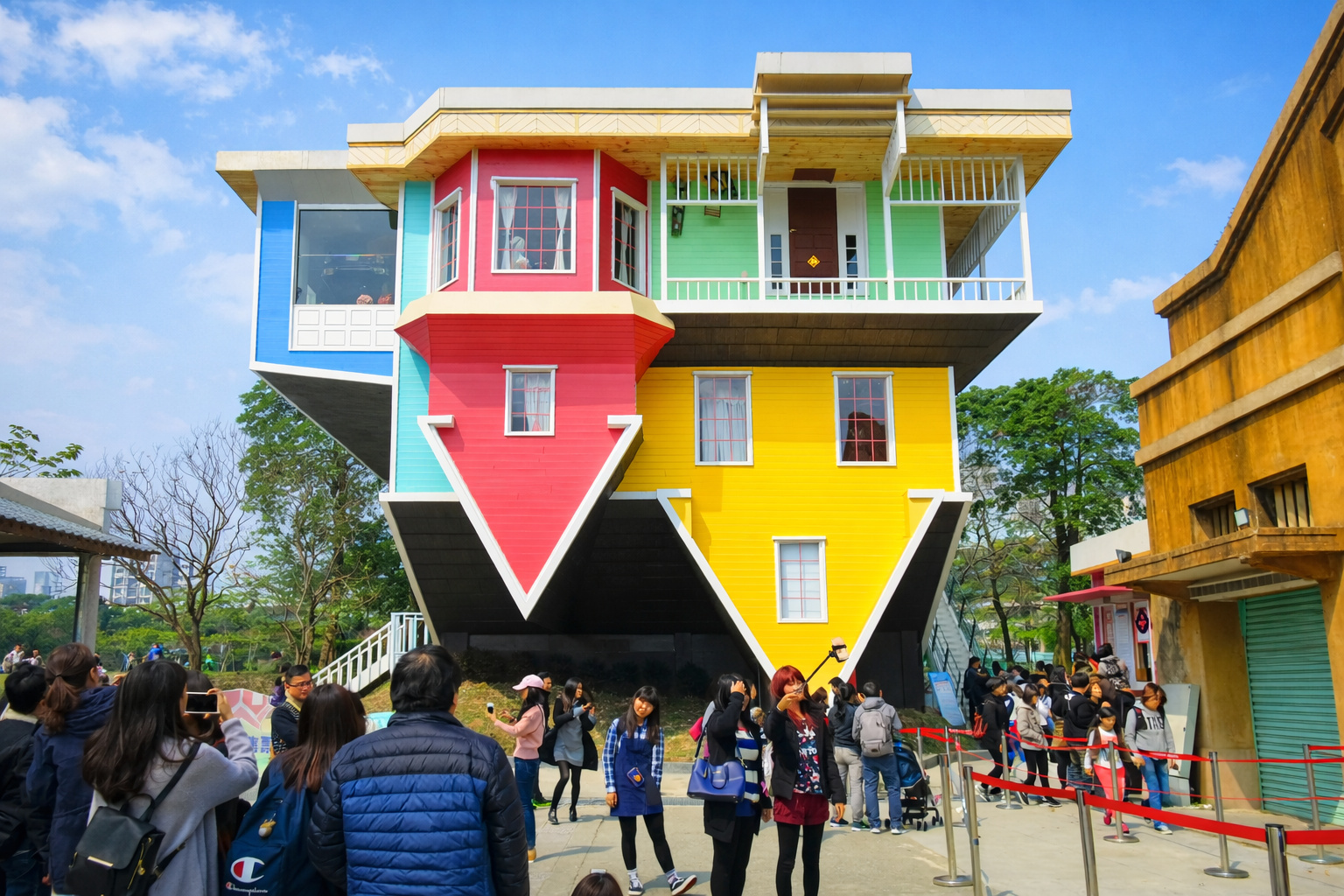
Upside Down House transforms abandoned warehouses from the 1970s, blending art with concrete and steel engineering, becoming a phenomenon in South Korea and impressing with a surreal experience that attracts tourists from around the world.
-
Brazil became 18 square kilometers smaller in the new official update from IBGE, which redrew the boundaries of 784 municipalities in 13 states and even changed the names of cities that you might know, such as Açu, which is now called Assú.

-
Stephen Hawking said that the worst enemy of knowledge is not ignorance but the illusion of knowledge, and he dedicated his entire career to proving that science dies when people act as if they already have all the answers.

-
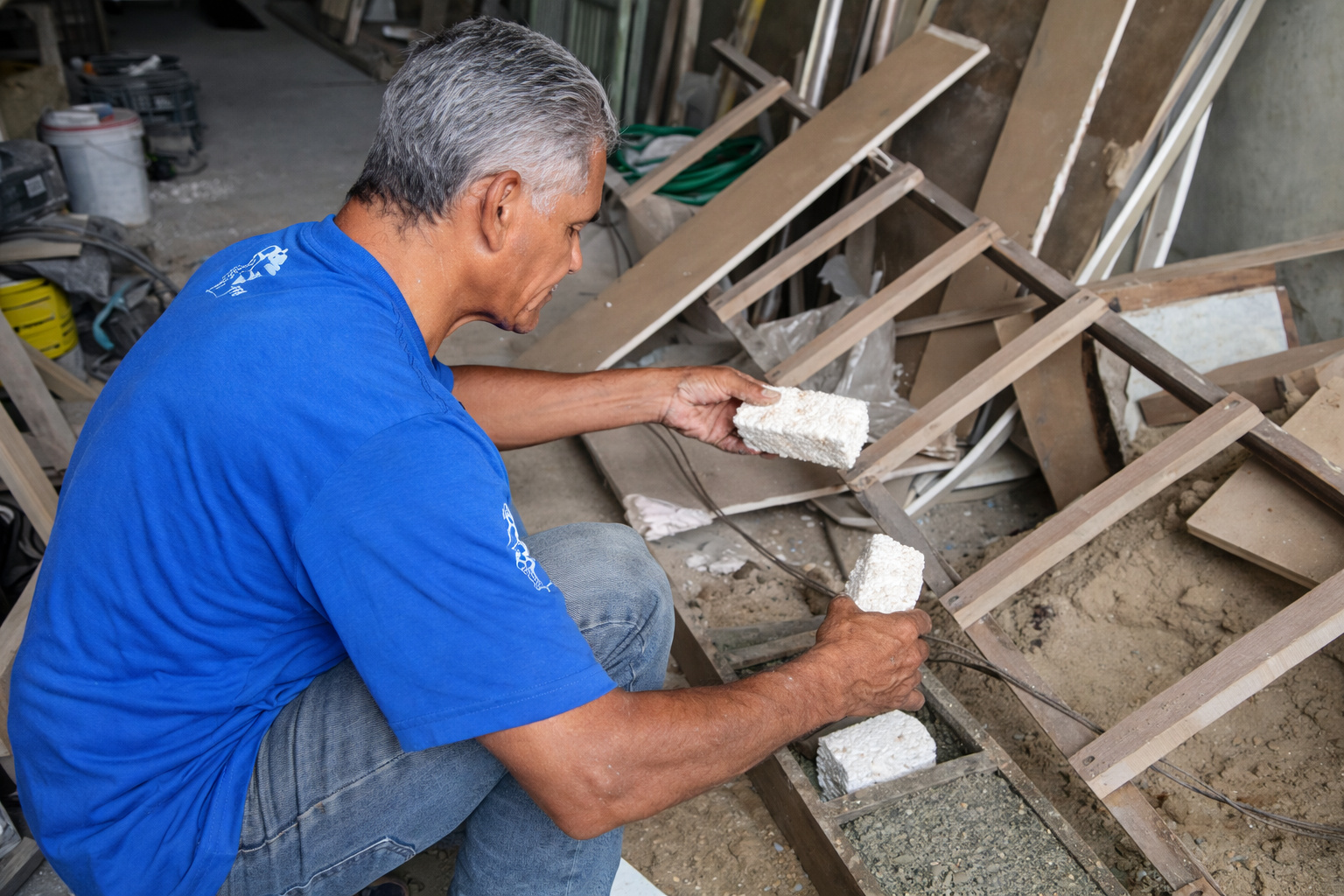
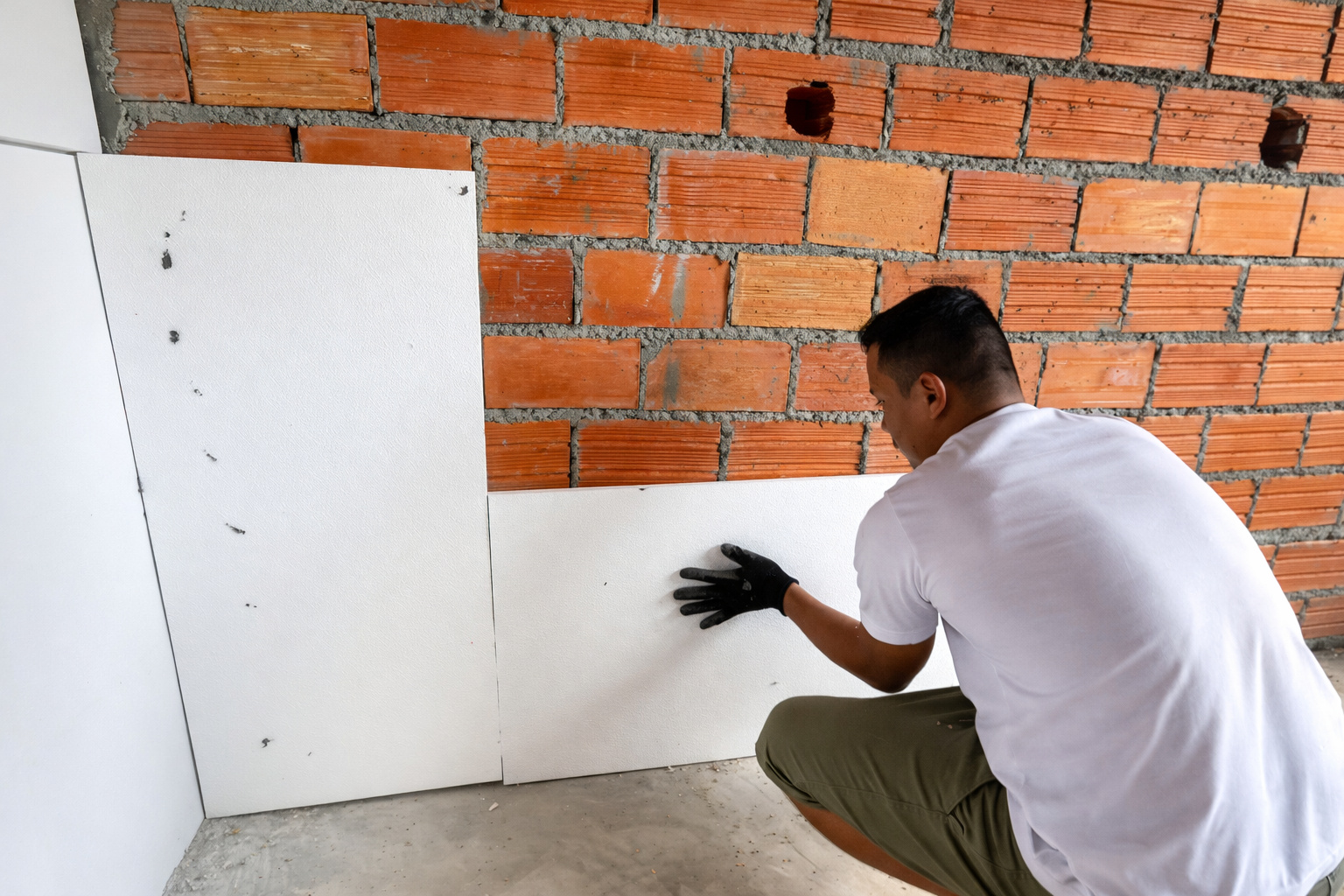
A man gathered Styrofoam, PET bottles, sand, and cement to build a recycled block using a mold made from an old board and a 50mm pipe to easily raise walls.

In addition to the fish farm, the content showcases the organization of the space to sustain a routine with less dependence on industrial inputs.
As access is limited, logistics come to the forefront of planning: tools, containers, and materials need to be brought to the site without support from trucks or heavy machinery.
Construction in a Remote Area: Logistics, Terrain, and Climate
In isolated areas, the order of priorities changes right at the start.
Before digging the first trench, it is necessary to observe the terrain, identify a site for implementation, and define how each item will be transported.
In the city, many solutions depend on budget, suppliers, and equipment; in the mountains, the route and weight of materials determine the pace.
The choice of inputs also changes.
Instead of cement, steel, and standardized blocks, the model shown relies on stones from the surroundings, clay, and available wood in the area.
Without a constant power supply and without motorized equipment, progress depends on manual labor and simple tools, which affects deadlines and the very sequence of tasks.
The climate becomes a permanent variable.
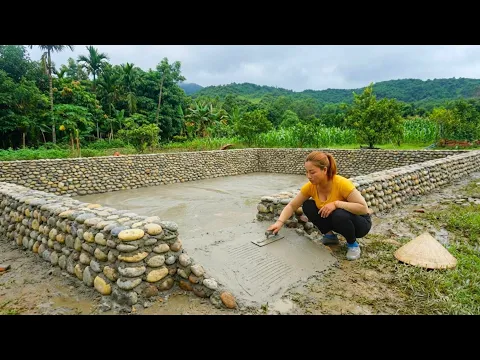

When it rains, the clay changes consistency and the soil may give way; on dry days, drying accelerates and alters the timing for applying layers.
At the same time, the daily pace follows the ability to transport loads on trails and slopes, in addition to the time spent bringing tools to the worksite.
Fish Pond on the Self-Sufficient Farm: Role of the Farm
In the videos, the pond is presented as one of the project’s axes, concentrating water and allowing fish farming on the property.
Therefore, the construction of the reservoir acts as a structural stage: it requires method, repetition, and leak control for the system to operate stably.
The initial step is manual excavation in an uneven terrain.
Then, the bottom and sides are prepared to reduce water loss, using clay as a sealing layer, as described in the channel’s content.
Next, the work enters the phase of greatest physical load: moving and positioning the stones that will form the pond’s walls.
Throughout the assembly, the fitting of the stones needs to maintain alignment and stability.
A poorly placed piece can create gaps, dislocate support points, and require corrections, especially when the structure starts to hold water.
For this reason, the “stone upon stone” wall tends to progress at a slower pace, requiring frequent adjustments.
10,000 Stones: Physical Effort and Routine Without Machinery
The mark of 10,000 stones, as presented by the channel, measures the volume of load repeated over weeks or months.
In a worksite without machinery, movement is part of the work: access trails, support points, and storage areas influence the time and effort of each stage.
Still, the lack of vehicles does not eliminate the need for organization.
On the contrary, it amplifies the importance of the work sequence and what needs to be available.
Essential tools require easy access, moisture-sensitive materials need protection, and lightweight items like ropes and containers can simplify stages and reduce rework.
The planning of the space, in this context, is also operational.
The position of the pond, the shelter, and the support areas define how many daily trips will be necessary and the distance covered carrying weight.
When implementation shortens displacements, execution tends to gain predictability and reduce risks along the way.
Bushcraft and Manual Techniques: Adaptation to Isolated Terrain
The content associates part of the solutions with bushcraft practice, understood as a set of skills to build and maintain simple structures using resources from the environment.
In the presented approach, the goal is to solve worksite problems with less reliance on industrial inputs, using what the surroundings offer.
Among the methods mentioned in the material are wood joints without the use of steel nails, rainwater filtration with layers of sand and charcoal, and cabin insulation with clay and dry vegetation.
These techniques, as described, aim to reduce the need for frequent purchases and enable adaptations with locally available materials.
However, adopting these solutions requires constant maintenance and attention to the limits of climate and material.
For example, infiltration may increase during rainy periods, and thermal comfort will depend on the quality of insulation and sealing.
Moreover, any structure made with local resources needs to be reviewed over time, especially in areas with temperature and humidity variation.
Manual Work Routine: Method, Repetition, and Continuity
Another recurring point in the channel’s record is the repetition of physically demanding tasks.
Carrying stones, preparing clay, adjusting fittings, and redoing sealing points form a routine sustained by continuity.
Without a daily rhythm, the work tends to stop; with method, execution progresses even with limited resources.
In this type of project, discipline appears as part of planning and not just as a personal characteristic.
When material transport is manual, efficiency depends on reducing unnecessary displacements and organizing what will be done each day.
Repetition, in turn, becomes an indicator of how much the schedule is conditioned by logistics and available effort.
From the Mountain to the City: Small-Scale Autonomy
Although the scenario is a challenging area, some practices cited in the original text can be adapted to urban daily life on a smaller scale.
Planting a garden at home, reducing food waste, and learning woodworking skills are examples of activities that can be carried out without changing address or undertaking complex construction.
Construction and DIY content are also referenced by those seeking to execute home projects, as long as safety evaluation and suitability to the environment are considered.
In any case, the comparison between urban life and an isolated worksite depends on context, available space, and each person’s goals.





-

-

-

-

-

16 pessoas reagiram a isso.