Portuguese
  Spanish


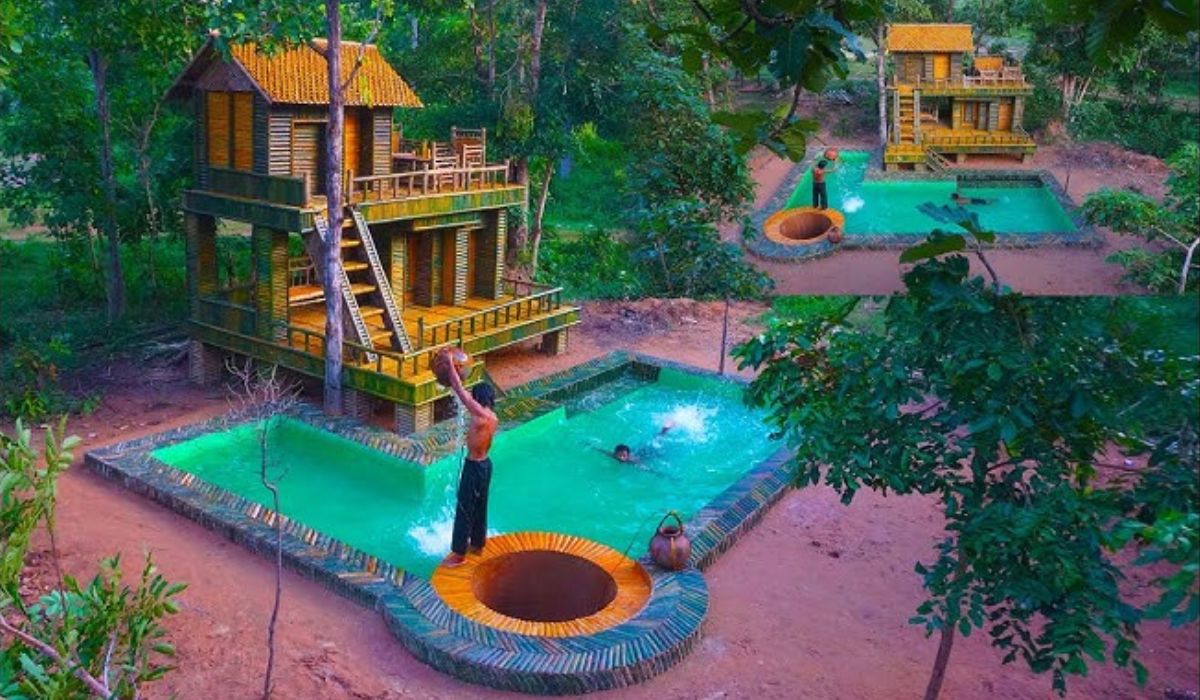


Video Shows Construction of Bamboo House with Pool in Forest Area, Built Only with Hand Tools and Traditional Techniques, Without the Use of Nails, Cement, or Electricity, and Documented by Channel Specializing in Rustic Projects.
A video circulating on social media shows the construction of a two-story bamboo house with an integrated pool, erected in a forest area without the use of power tools, nails, or cement.
The images attribute the work to a small group of builders who used machetes, axes, and natural fiber bindings to assemble the structure.
The footage was published by the channel Primitive Building, which has around 1.47 million subscribers and showcases projects based on manual techniques and the use of natural materials.
-
Restaurants Combat Frying Odors Before Cooking Begins: Here’s Why This Routine Matters

-
8-Year-Old Girl in Brazil Creates Care Kits for Over 5,000 Homeless People After Learning to Sew with Her Grandmother

-
A Simple Bar of Soap Could Be the Key to Effortlessly Cleaning Stubborn Oven Grease
-
Brazilian Woman Turns 1.3 Tons of Waste into Over 4,000 Sustainable Bags and Accessories


The content presents the execution of the work over 30 days, although there is no independent confirmation regarding the exact number of participants or the total timeline stated.
Elevated Structure and Intensive Use of Bamboo in Construction
The images show that the construction was supported on stilts, a common solution in wet areas as it reduces direct contact with the ground.
This type of elevation is adopted, according to construction manuals in tropical areas, to decrease exposure to moisture and promote ventilation under the floor.
Bamboo appears as the primary structural element.

Stems are used as pillars and beams, while smaller pieces serve as bracing and lateral closure.
The original text mentions the use of more than 5,000 rods, but this quantity could not be confirmed with external sources consulted.
In addition to the main structure, the video documents the execution of a open deck and a manually molded spiral staircase.
The pool was excavated in the ground and later lined with stones and bamboo, according to the images presented.
Bindings with Vines Replace Nails and Concrete
Without the use of screws or concrete, the stability of the construction depends on joints and bindings made with vines and natural ropes.
This type of technique is used in traditional construction systems and may allow for some structural flexibility, according to studies on lightweight bamboo buildings.

Experts in natural building point out that the performance of such structures varies depending on factors like bamboo species, prior treatment of the material, joint detailing, and climatic conditions.
Without detailed technical information in the video, it is not possible to assess the long-term structural behavior.
Vegetation Cover and Natural Ventilation in the Bamboo House
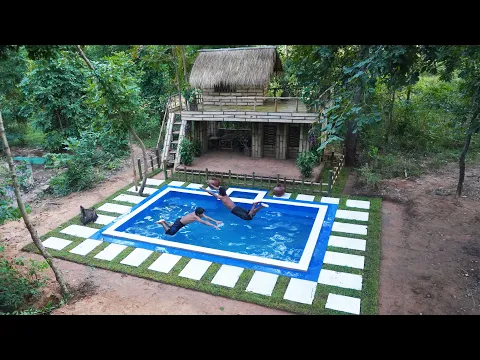
The roofing was executed with straw and dried leaves, according to the images released.
In vernacular constructions, this type of roof is used to create shading and promote internal ventilation, especially in hot climate regions.
The project prioritizes wide openings and integration with the surrounding environment.
The configuration suggests a proposal aimed at air circulation and maximizing natural light, characteristics often associated with buildings in rural or forested areas.
Off-Grid Concept and Requirements for Application in Brazil
The video describes the work as “off-grid,” a term used to designate buildings that operate outside conventional infrastructure networks.
In the material presented, the expression mainly refers to the use of resources available in the immediate surroundings and the absence of visible industrialized inputs.
Even so, the adoption of this model in permanent housing requires attention to technical standards and safety criteria.
In Brazil, ABNT NBR 15575 establishes performance parameters for residential buildings, including requirements related to structural safety, durability, and environmental comfort.
Although bamboo is used in different construction systems and is recognized for its relevant mechanical properties, its structural application depends on technical design and appropriate treatment.
Research and publications in the field highlight that the material can perform well when correctly specified but requires quality control and periodic maintenance.
Brazil has various species of bamboo distributed in different regions, which broadens the possibilities for use in civil construction.
However, the exact replication of the model shown in the video would depend on specific technical evaluation, local climatic conditions, and compliance with legal requirements.