





 Portuguese
  English
  Spanish
  5 min of reading
  0 comments


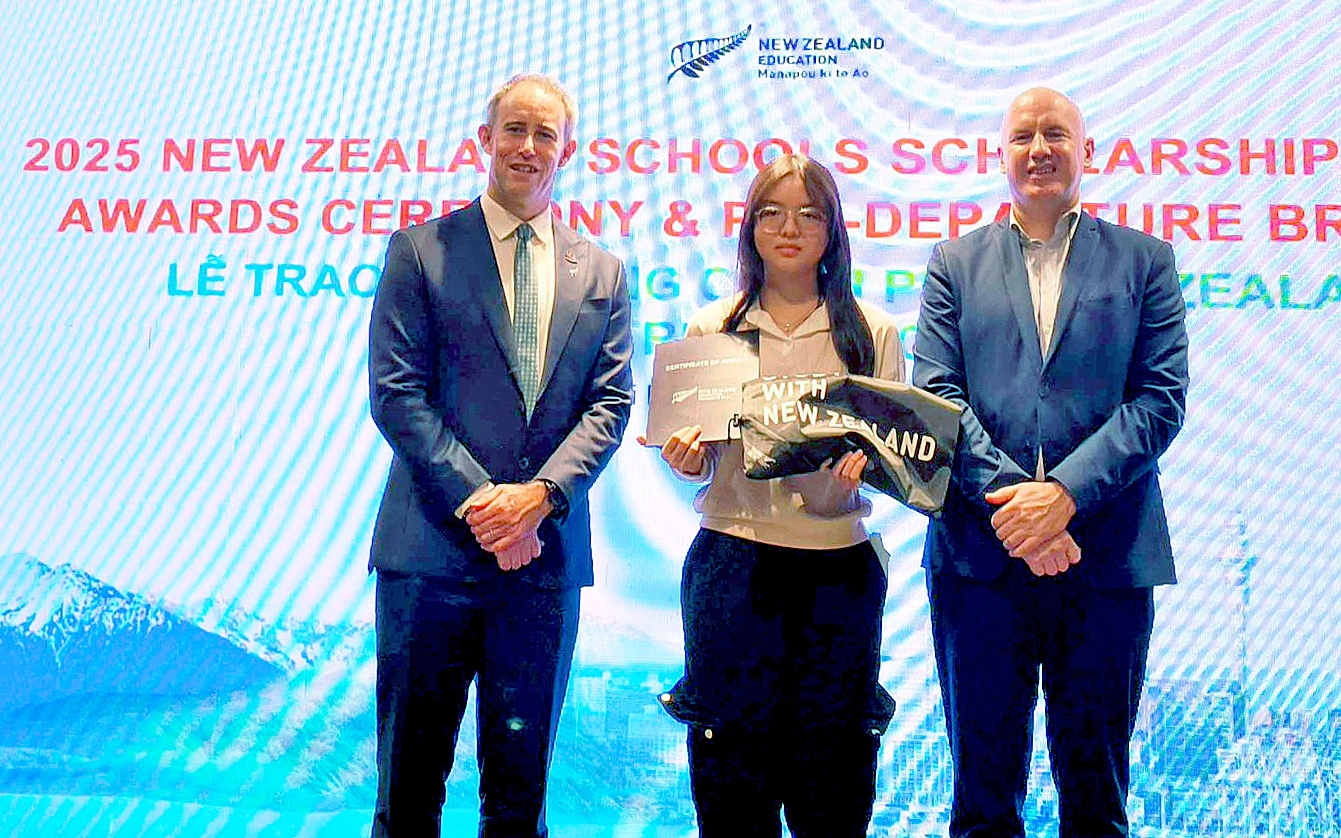
At just 14 years old, a young girl from New Zealand achieved a rare feat: she graduated in Computer Science and joined the group of the youngest graduates on the planet, attracting the attention of universities and scientists from around the world.
While most teenagers are still discovering high school subjects, a young girl from New Zealand has reached an extraordinary milestone: graduating in Computer Science at the age of 14. The case, confirmed by the University of Canterbury and reported by international outlets such as The Guardian and BBC News, has made Alisa Pham one of the youngest university students in the world. The daughter of Vietnamese immigrants, Alisa showed signs of genius from an early age. At 3, she was already reading and writing fluently; at 6, she understood advanced mathematical concepts and basic programming. Her curiosity for technology grew to the point that, at 9, she began taking online university courses — something that even impressed her teachers.
From Home Room to University Labs
According to information from the University of Canterbury, Alisa officially enrolled in the Bachelor of Science in Computer Science program at the age of 12, with special permission granted by the institution after an assessment of her cognitive and emotional performance.


She attended classes in a hybrid format — part in-person, part remote — and maintained academic performance superior to that of adult students. Teachers reported to the press that the teenager demonstrated an exceptional understanding of logic, algorithms, and software development.
-
Few people know about this Greek island with 6 ideal months for visiting, perfect winds for kitesurfing, a medieval village on a cliff, almost untouched beaches, and a cuisine featuring fresh fish that surprises travelers.

-
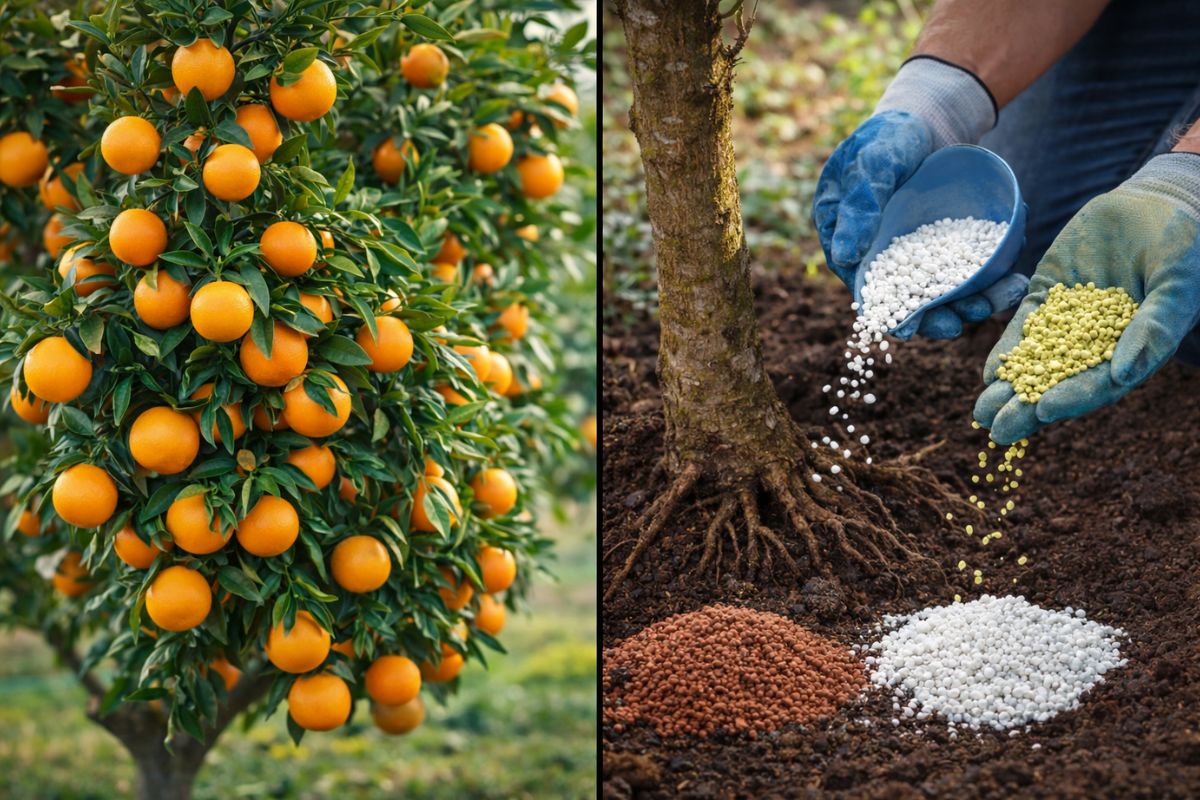
The secret to having a fruit-laden tree all year round is not luck or a green thumb, but rather a combination of three nutrients that most people do not know how to apply correctly.
-
A village with only 40 inhabitants in the interior of Spain is offering a renovated house for free, guaranteed employment, and school transportation for those willing to exchange the big city for the lavender fields of the mountains of Soria.

-
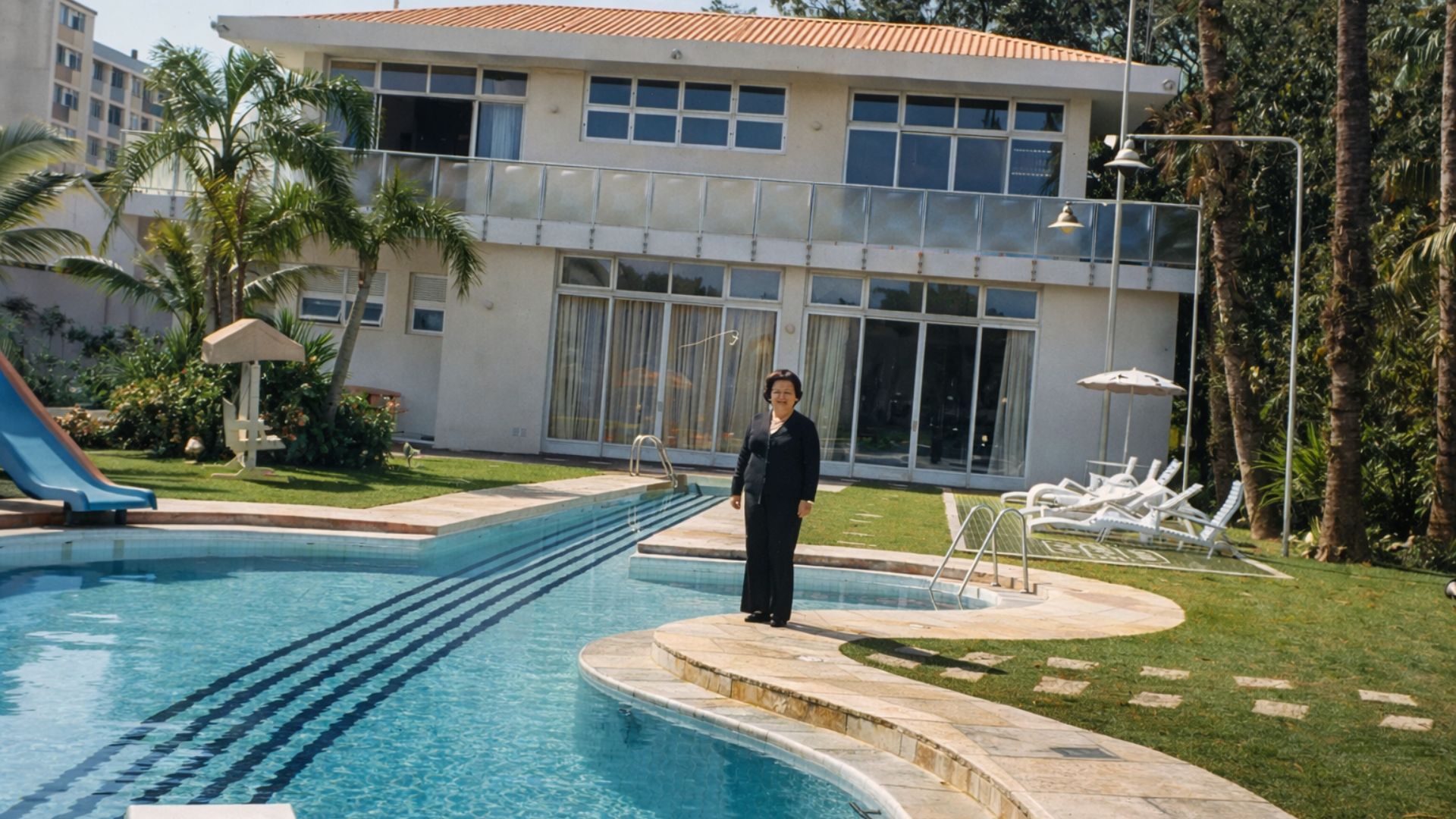
Mansion with a guitar-shaped pool facing the sea in Santos had 2 floors, suites with panoramic views, a lit fountain inspired by New York, architecture linked to Niemeyer, and was demolished in the 1990s to make way for a McDonald’s.
“She has a naturally analytical mind and a rare discipline. She is the type of student who absorbs and applies content instantly,” stated professor Tim Bell, a reference in computational education in New Zealand.
In addition to her degree, Alisa participated in research projects in artificial intelligence and machine learning, areas that sparked her greatest interest. Her final thesis addressed the ethical use of AI algorithms in decision-making systems, a topic of global relevance.
International Recognition
Her graduation, which took place in 2024, was widely reported by international media. Outlets such as The Guardian, NZ Herald, BBC, and VietnamNet highlighted her achievement as one of the most impressive milestones in modern education.
The government of New Zealand even mentioned her case at an education conference, citing Alisa as an example of the creative potential of new generations. International academic organizations, such as Mensa International, included her name among the 1% of young people with the highest IQ in the world.
Currently, the young prodigy collaborates with researchers at the Canterbury Human Interface Lab, developing AI applications focused on accessibility and digital inclusion.
The Routine of an Out-of-the-Box Mind
Despite all the attention, Alisa lives a simple life. In interviews with the press, she reported that she enjoys drawing, playing the piano, and gaming in her free time — hobbies that help balance her intense study routine.
She also revealed that she does not consider herself a “genius,” but rather someone very curious.
“I like to understand how things work. I think that curiosity has made me learn faster,” she told BBC News.
Her routine is divided between university research, postgraduate studies, and motivational speeches at technology and education events. She also collaborates with programs that encourage girls to pursue careers in science and computing.
Accelerated Education and the Debate on Giftedness
Alisa’s case has reignited discussions about education for gifted students. Psychopedagogy experts claim that the traditional educational system is often unprepared for minds with high abilities, leading many young people to feel demotivated.
In New Zealand, the Ministry of Education created specific policies to serve students with “high capabilities,” allowing for accelerated grade advancement, and it was precisely this legislation that enabled Alisa to enter university while still in her pre-adolescence.
Researchers highlight that family support was crucial: the girl’s parents have always encouraged learning for pleasure, not just for results. This combination of emotional support and cognitive freedom is, according to specialists, the secret behind many prodigy cases.
The Promising Future of the Young Scientist
After completing her degree in Computer Science, Alisa Pham does not intend to stop. The young woman has already been accepted into master’s programs focused on artificial intelligence and data science.
Her goal, as she stated to the local press, is to work with technology applied to health — especially in developing systems capable of diagnosing diseases based on machine learning.
“I want to use AI to improve lives. Technology should be made to serve people, not the other way around,” she stated.
She also participates in international forums that discuss ethics in the use of artificial intelligence, a central theme of her future academic research.
A New Generation of Brilliant Minds
Cases like Alisa Pham’s show how technological advancement and early access to information are creating a new generation of digital geniuses. Today, young people between 10 and 15 already program, create startups, and participate in scientific olympiads around the world.
Alisa’s story inspires educational institutions and reinforces the importance of identifying talents early in childhood by offering opportunities that transform curiosity into innovation.
At just 14 years old and with a Computer Science degree, young New Zealander Alisa Pham has joined the select group of the planet’s youngest minds.
Her achievement goes far beyond an academic record: it is a portrait of how modern education can reinvent itself to embrace exceptional talents.
From the classroom to the laboratory, she proves that age does not define intelligence and that curiosity, when nurtured, can move the world.







-

-

-

-

-

-

62 pessoas reagiram a isso.