





 Portuguese
  English
  Spanish
  3 min of reading
  0 comments


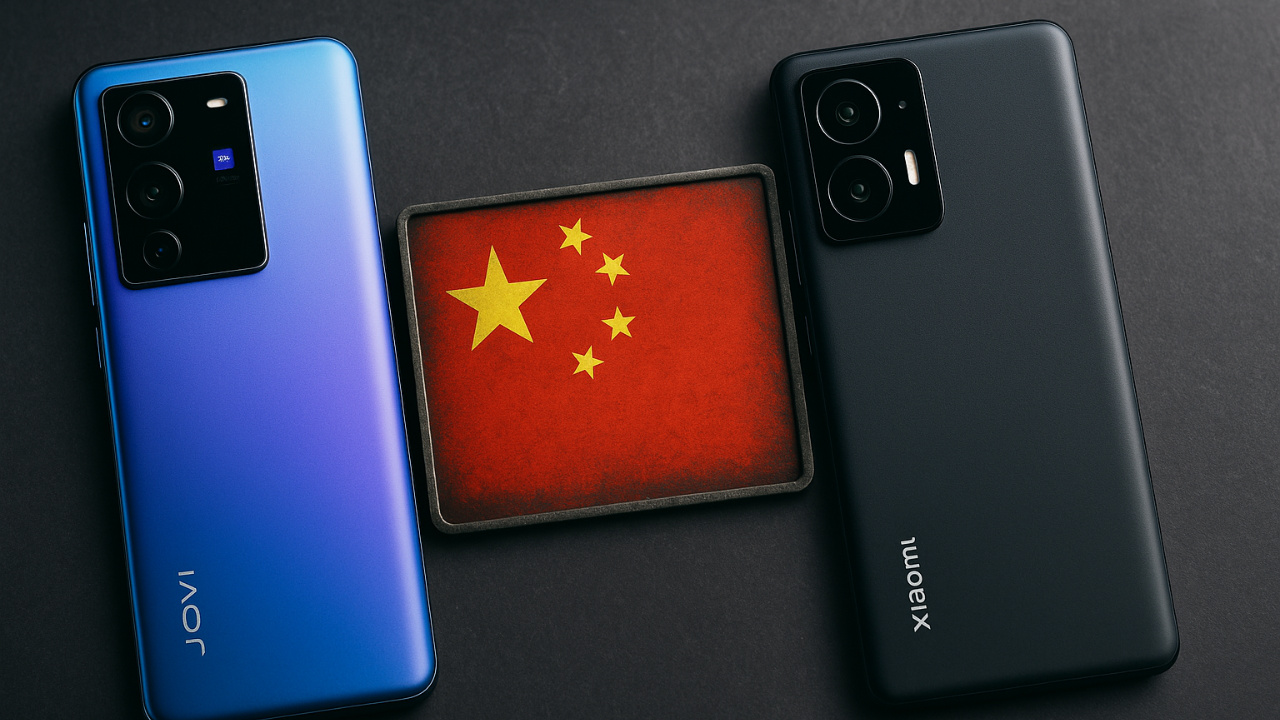


Compare JOVI and Xiaomi: Discover Which Chinese Smartphone Is Worth It More in 2025 by Analyzing Features, Cameras, Batteries, Interface, and Technical Support in Brazil.
The Brazilian smartphone market remains competitive in 2025, and two brands of Chinese phones have caught consumers’ attention: JOVI and Xiaomi.
On one hand, Xiaomi maintains its reputation for offering affordable and high-tech models, with options ranging from basic to premium.
On the other hand, JOVI focuses on local production, extended warranty, and differentiated after-sales support to gain ground among those looking for more security in their purchase.
-
How the terraforming of Mars can transform the planet: artificial aerosols can increase the temperature by up to 35°C in 15 years, creating conditions for liquid water.

-
Scientists drilled nearly 8,000 meters into the ocean floor above the fault that caused the 2011 tsunami in Japan and discovered that a layer of clay 130 million years old was responsible for making the wave much worse than any model had predicted.

-
Thousands of years after causing the largest eruption of the Holocene, one of the world’s largest supervolcanoes is rebuilding itself beneath the sea south of Japan, receiving new magma and alarming scientists with its transformation.

-
China has activated a magnet 700,000 times more powerful than the Earth’s magnetic field that operates for over 200 consecutive hours while consuming little energy, and now the world wants to know what Beijing plans to do with this technology in 2026.


But after all, which one delivers more benefits?
Local Production and Warranty: The Big Advantage of JOVI
One of JOVI’s differentiators is its production in the Free Trade Zone of Manaus. This facilitates maintenance and the replacement of parts in Brazil, making technical support faster and more efficient.
Additionally, the so-called 5-Star Package extends the warranty to two years, offers four years of battery coverage, protection against damage, and annual technical reviews for up to five years.
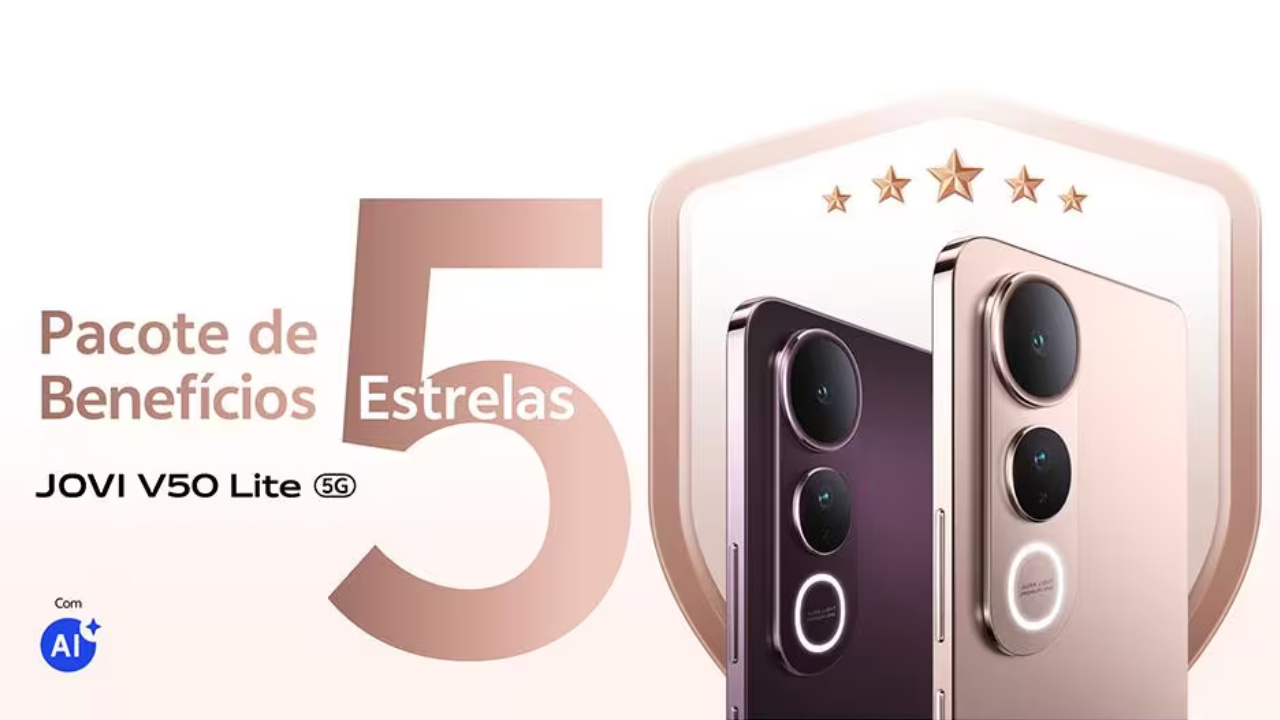
For those seeking peace of mind, it’s a benefit that’s hard to find in other phones within the same price range.
Meanwhile, Xiaomi, despite being well-established in the country, still brings its devices from abroad and offers only one year of warranty through official channels.
Models obtained through direct importation or unauthorized marketplaces may not even have assistance in Brazil, which increases the risk for consumers.
Variety of Models: An Advantage of Xiaomi
When it comes to diversity, Xiaomi stands out. Its portfolio ranges from basics, like the Redmi 14C, to mid-range models like the Poco X7 Pro and even high-end models like the Xiaomi 15 Ultra.
This variety makes it easier to choose for different profiles and budgets.
JOVI, for now, focuses its lineup on a few models from the Y and V series.
Prices are higher, but they include benefits like local production and long-lasting batteries, alongside a more comprehensive after-sales service.
Battery Life: Technical Tie
Both brands follow the Chinese tradition of offering long-lasting batteries.
JOVI heavily invests in this segment with the Y series, which includes models like the Y29, with 6,500 mAh and 44 W fast charging, and the Y29s 5G, with 6,000 mAh.
In Xiaomi, mid-range models like the Poco X7 Pro, with 6,000 mAh and ultra-fast charging of 90 W, remain favorites for those who need to stay away from an outlet all day.
Cameras: Advanced Features in JOVI
JOVI is gaining attention with the V50, which features a triple set of 50 MP developed in partnership with the German ZEISS.
The model includes professional portrait effects and Aura Light, which enhances lighting in nighttime photos.
Xiaomi, on the other hand, concentrates its most advanced cameras in its flagship models, such as the Xiaomi 15 Ultra, with 200 MP and 8K recording.
However, many of these models are not officially sold in Brazil, requiring importation.
Interface and Features: A Spotlight on Xiaomi
If the priority is a feature-rich system, Xiaomi has the advantage with HyperOS 2.0, which brings artificial intelligence, advanced personalization, and integration with other brand devices.
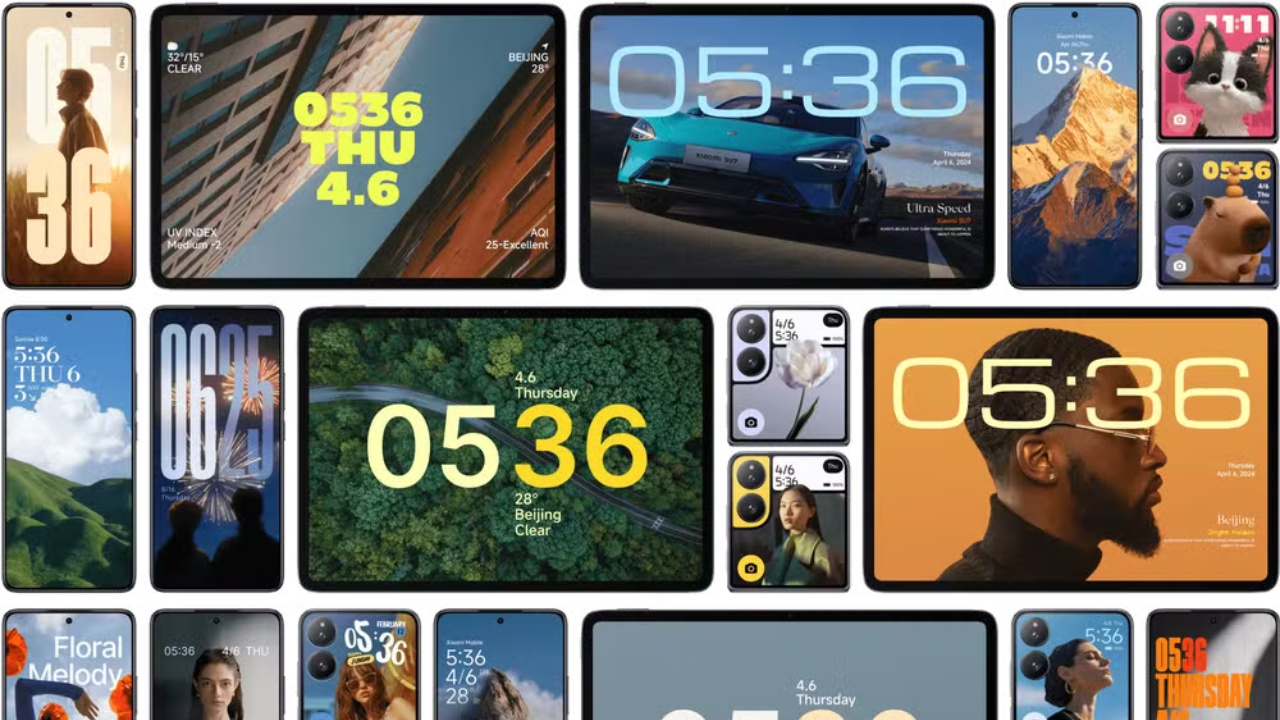
JOVI relies on Funtouch OS, which is closer to pure Android, ensuring speed and fewer pre-installed apps, but without as many additional tools as its competitor.
After All, Which Is Better: JOVI or Xiaomi?
There is no definitive answer to which brand is better — it all depends on your usage profile and priorities.
JOVI excels with a balance of durability, local support, and sophisticated design, while Xiaomi shines with innovation, diversity, and integration between devices.
Evaluating what truly matters to you in your daily life is the most important step in making a decision.
Whichever choice you make, both offer good experiences and demonstrate how the smartphone market is becoming increasingly competitive and focused on the needs of Brazilian consumers.
With information from TechTudo.










Ótima concorrência