





 Portuguese
  English
  Spanish
  3 min of reading
  0 comments


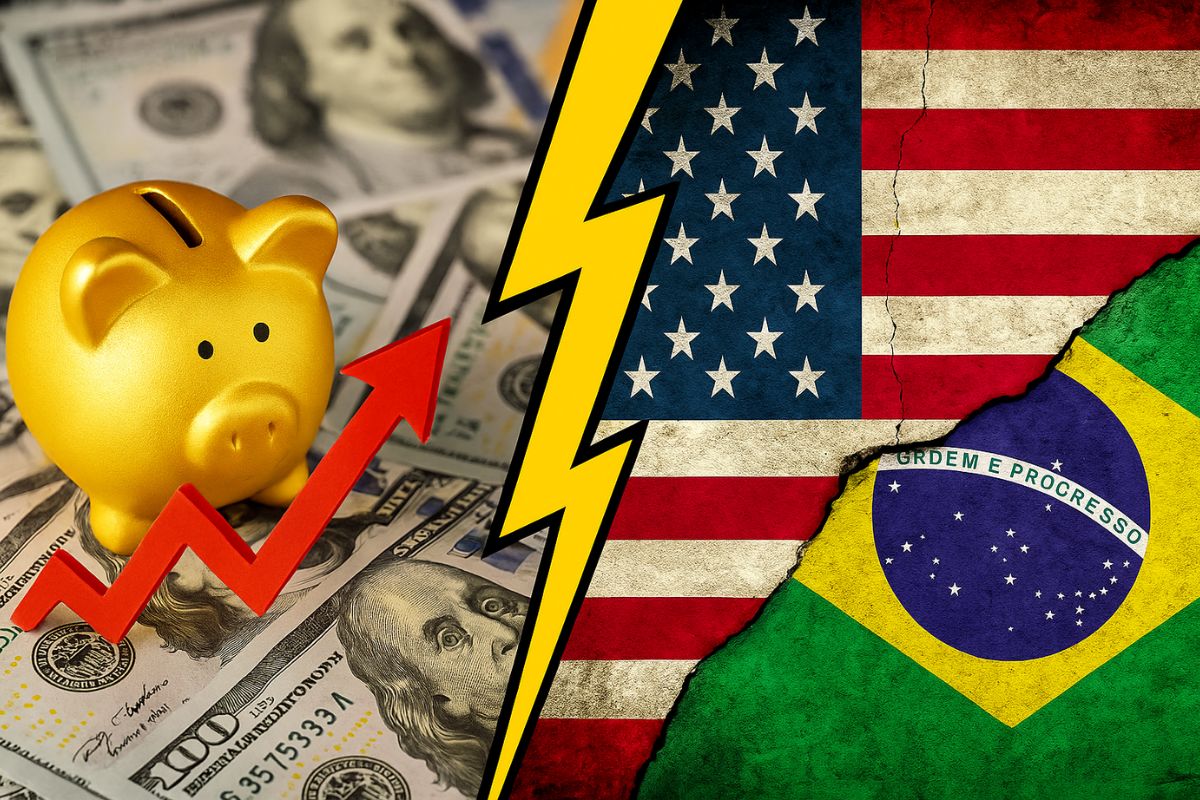
For The Rating Agency, High Selic Affects Corporate Cash More Than The New Import Tariffs Imposed By Trump
High Interest Rates Weigh More Than U.S. Tariffs For Companies, according to an analysis by Fitch Ratings published this week. The rating agency states that the Selic rate at 15% has a direct impact on the cash generation of Brazilian companies, surpassing the effects of the new 50% tariff announced by the United States.
In an interview with Valor Econômico, Fernanda Rezende, senior director of Corporate at Fitch in Latin America, highlighted that internal financial pressure tends to be more decisive in the coming quarters. The agency’s expectation is that interest rate cuts will only begin in 2026, keeping credit expensive until then.
High Selic Raises Debt Costs and Blocks Investments
The decision by the Central Bank to maintain high interest rates as a tool against inflation has increased the cost of capital for companies. Fitch assesses that, even with good liquidity at the moment, companies are anticipating the refinancing of debts, especially given the uncertainty of the electoral scenario for 2026.
-
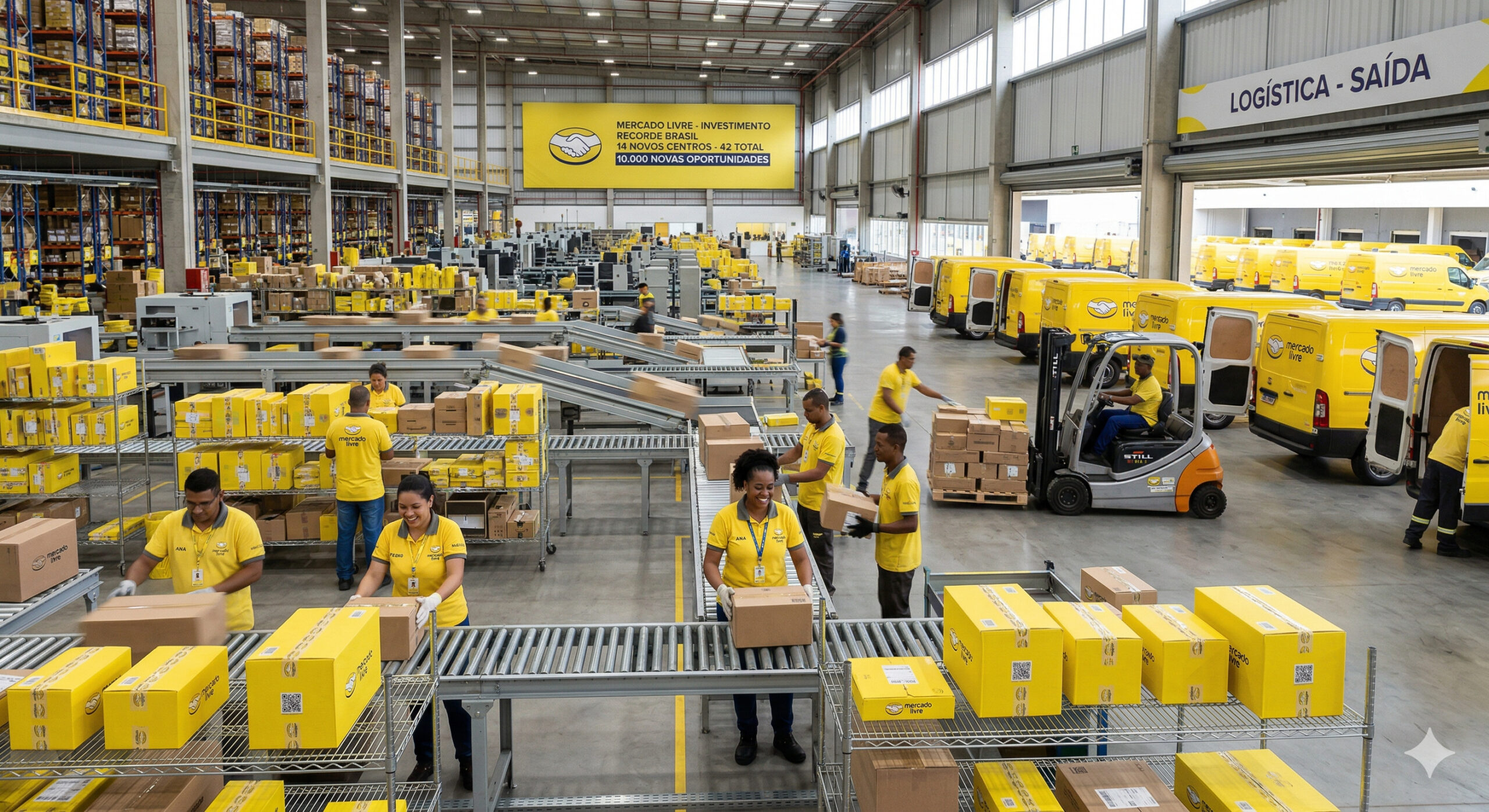
Mercado Livre “opens the vault” and announces a record investment of R$ 57 billion in Brazil in 2026, a value 50% higher than the previous year, with an expansion plan that includes 14 new logistics centers, totaling 42 units in the country and hiring an additional 10,000 employees.
-
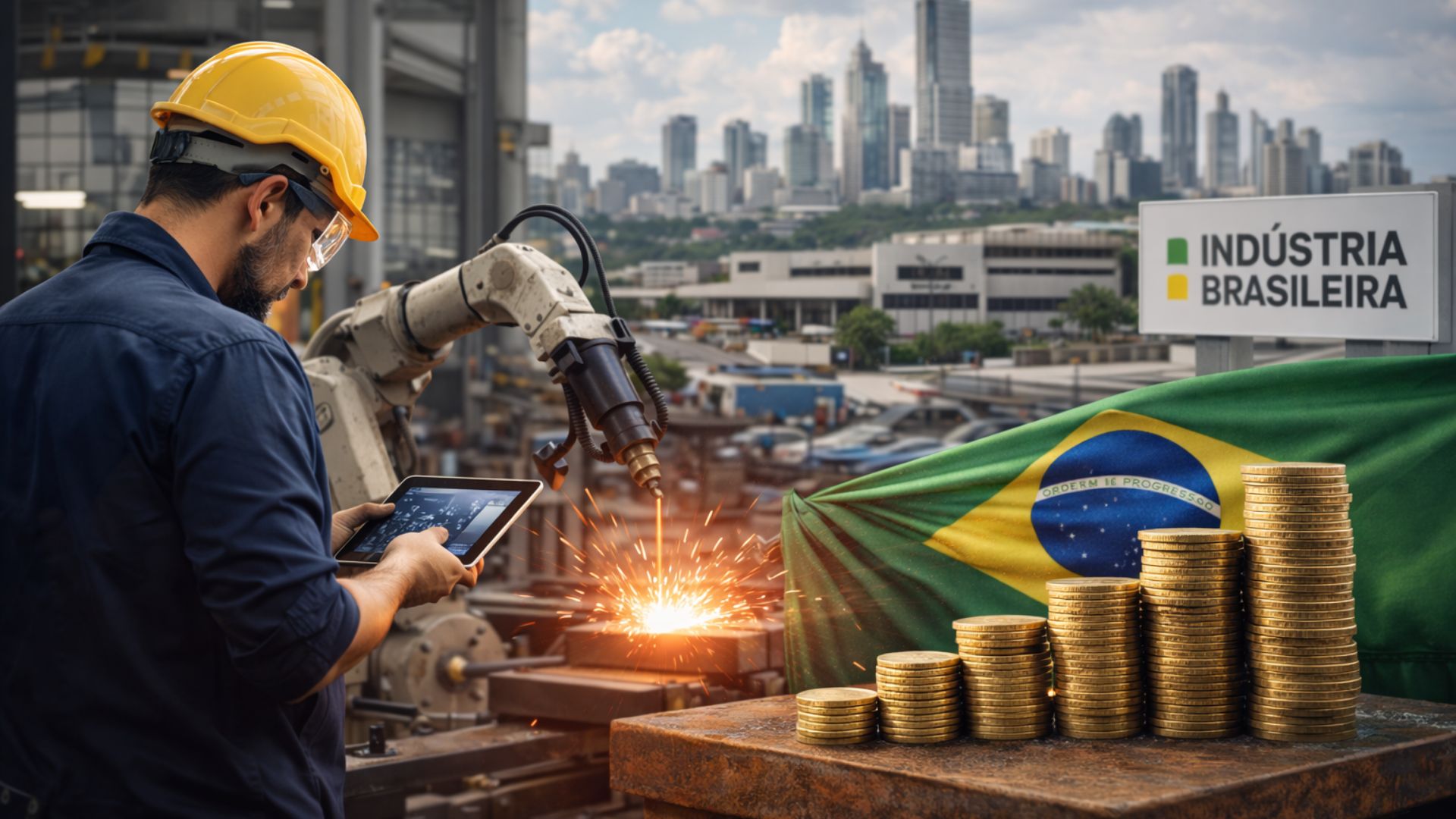
How investment in technology can revolutionize the national economy and enhance industrial gains, according to a study that highlights the direct impact on productivity, innovation, and wealth retention within Brazil.
-
The largest food company on the planet, JBS, has just opened a 4,000 square meter laboratory in Florianópolis to develop customized proteins that modulate muscle mass gain, immune response, and metabolic performance.

-
After nearly 30 bids and competition among industry giants, a Spanish company purchases one of the largest airports in Brazil for almost R$ 3 billion and takes over the management of Galeão in a concession that will last until 2039.


According to the report, 23% of domestic debts mature between 2025 and 2026. Meanwhile, the external obligations of Brazilian companies total about US$ 3 billion by the end of 2026, which also raises concerns about the global scenario.
U.S. Tariffs Hit Few Sectors Strongly

Despite the political impact of the measures announced by Donald Trump, Fitch considers that the 50% tariffs will have a limited reach on the credit profile of Brazilian companies. The agency analyzed 14 companies with exposure between 3% and 50% to the North American market.
Embraer is the most sensitive, with up to 50% of its revenues coming from the U.S. Other companies in the intermediate range (11% to 30%) include Suzano, Prio, and Eldorado Celulose. In the lowest range (3% to 10%) are names such as Petrobras, Vale, Minerva, Dexco, CSN, and Tupy.
Debt Structure Defines Who Suffers More
According to Fitch, the origin of the debt is a key factor in measuring the impact of interest rates. Suzano, for example, with predominantly dollar-denominated debt, is less affected by domestic credit. In contrast, Eldorado, with liabilities in reais, suffers more from high Selic.
The response from companies has been conservative: delaying investments, cutting dividends, and focusing on preserving cash. The net debt/Ebitda ratio remains stable at 2.5 times, but the drop in commodity prices threatens this stability.
Public Debt Prevents Investment Grade
For Todd Martinez, head of the sovereign area at Fitch in Latin America, Brazil will be the most indebted emerging country in the coming years. Public debt is expected to reach 79.3% of GDP by 2025 and continue to rise.
With no consensus between the Executive and Congress to implement fiscal reforms, Brazil remains distant from recovering the investment grade lost a decade ago. According to the agency, only after the 2026 elections will there be political space to resume structural adjustments.
Do you agree that high interest rates are currently the biggest obstacle for Brazilian companies? How does this affect the future of the economy?







-

-

3 pessoas reagiram a isso.