





 Portuguese
  English
  Spanish
  5 min of reading
  0 comments



A passenger who caused confusion on a flight from Perth to Sydney made the plane turn back and the trip canceled. Months later, the court determined he should pay for the fuel “thrown away” and also bear a heavy fine.
Flight canceled due to a ruckus inside the plane! If you think that causing trouble on a plane ends only with a reprimand from the crew, this story is a cold shower. In Australia, a passenger managed to make an entire flight go down the drain, forced the captain to turn back to the airport, and now will literally pay for the chaos.
The message is simple: when someone ruins the trip for everyone, they may end up paying for the damages alone.
What Happened on the Flight and Why It Was Canceled and Turned Back
The incident occurred about twelve months ago, on a flight from Perth to Sydney, Australia. The ruling describes that a 32-year-old man exhibited “rebellious” behavior on board, to the point that the captain decided to turn the aircraft around and cancel the trip for the remaining passengers.
-
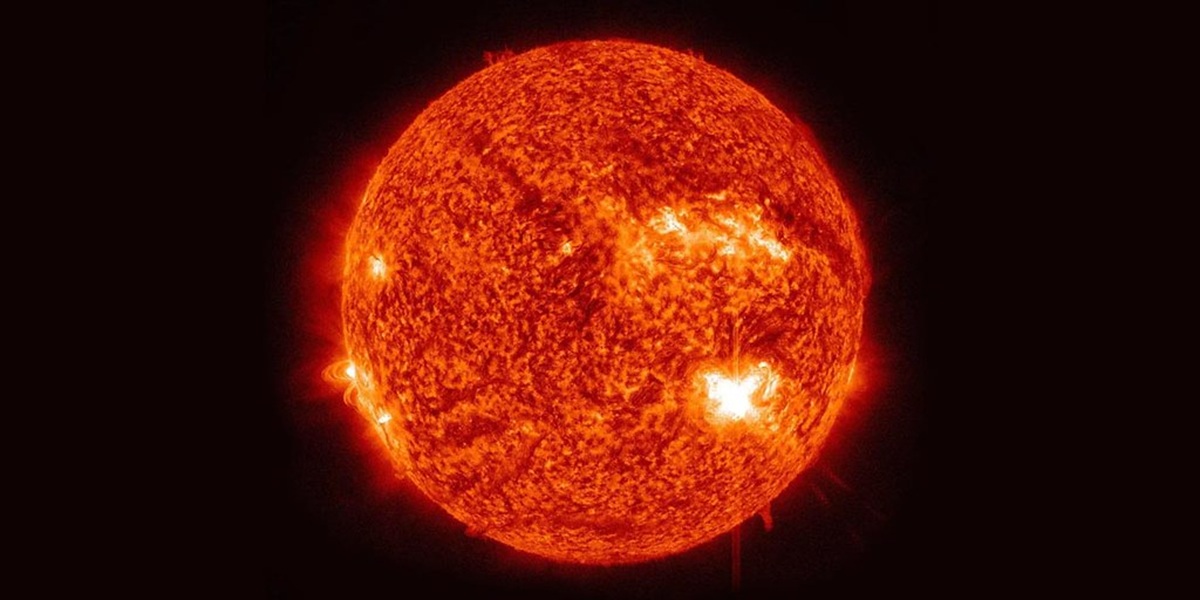
The Sun emits strange “voice” captured by a telescope and antenna, and radio signals from a solar spot the size of Earth are surprising.
-
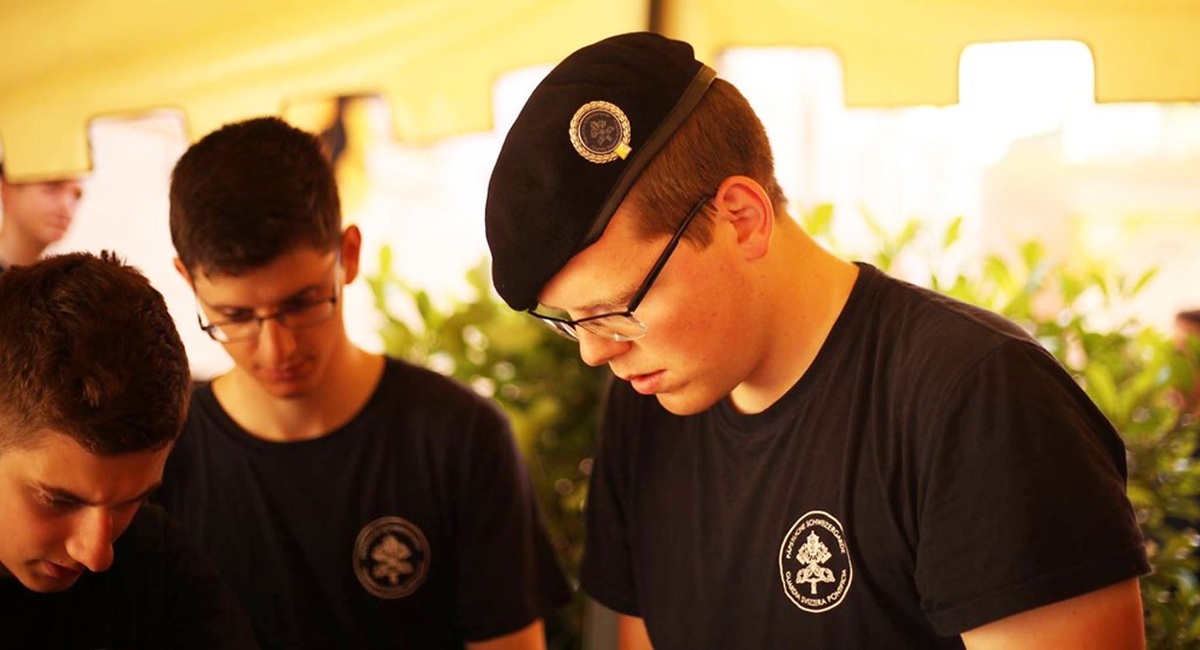
This is the weaponry that the smallest army in the world uses on a daily basis.
-
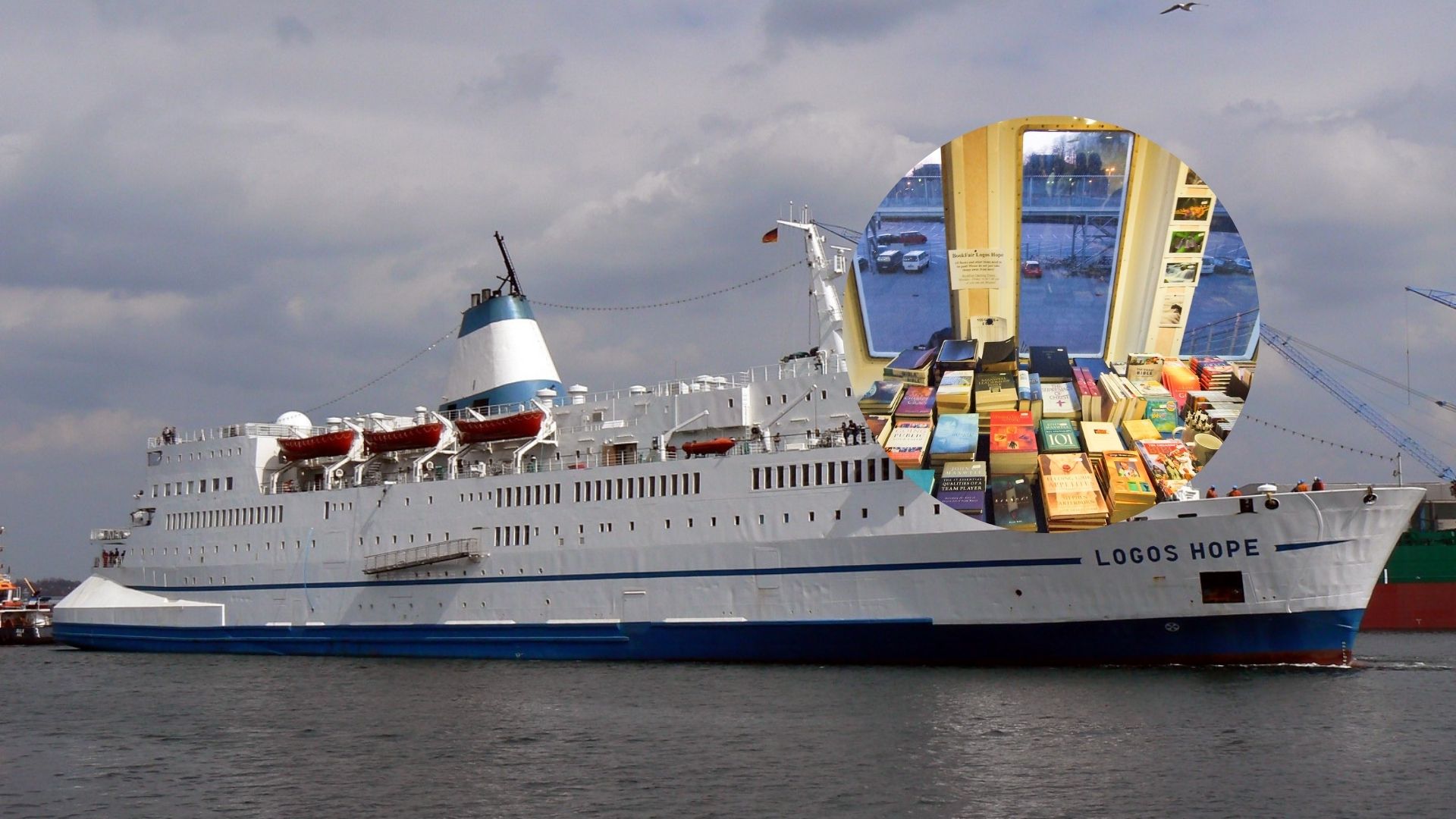
World’s largest floating library: at 132.5 meters long, Logos Hope is the largest floating book fair in the world, welcoming thousands of visitors each day and bringing over 5,000 titles to ports across various continents.
-
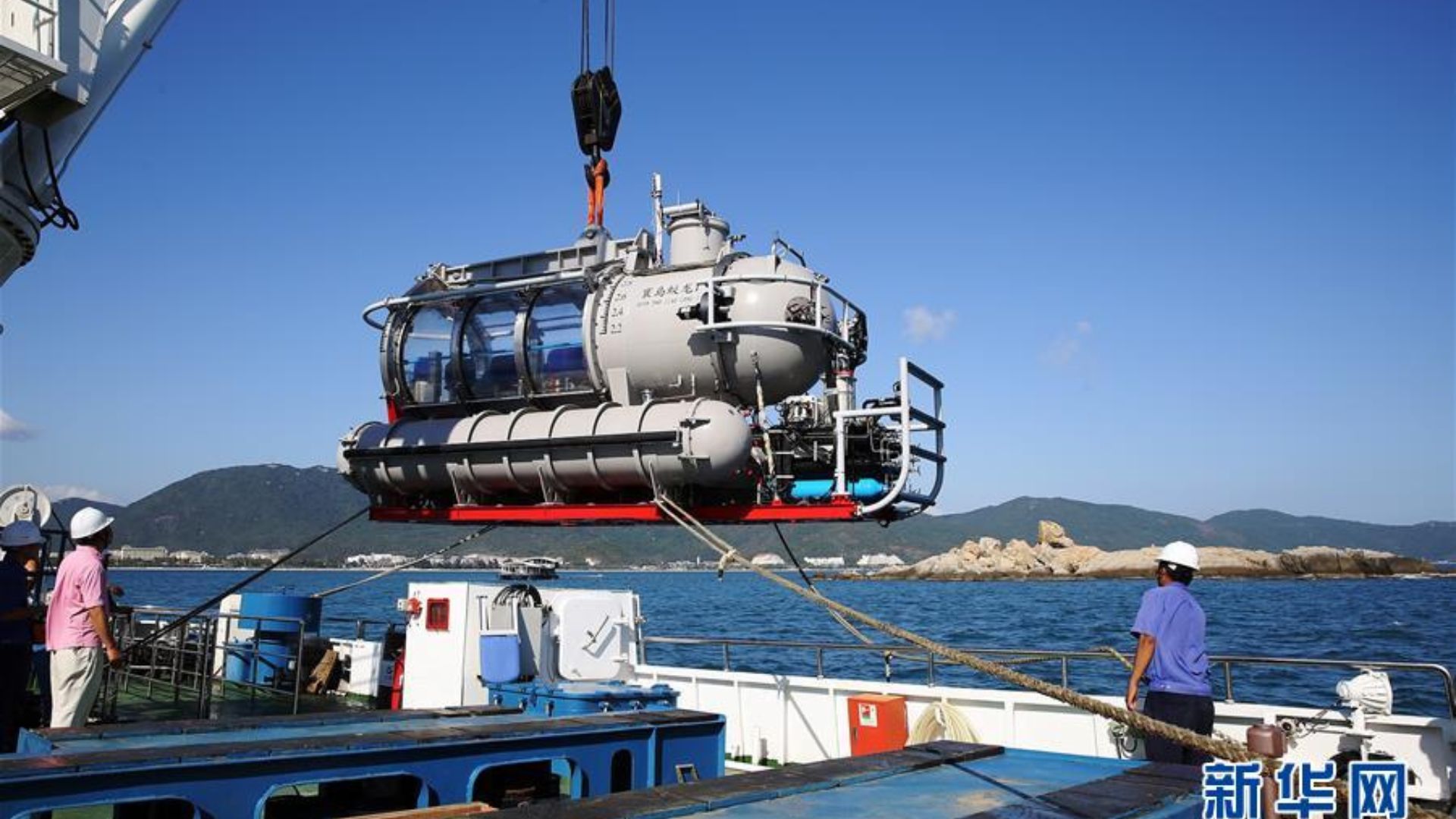
China has designed its first tourist submarine to take 3 passengers to a depth of 1,000 meters.
As the route was approximately four hours long, the plane was fueled for it. However, with the return, came the extra cost: the fuel that would be used on the journey had to be unloaded. When the aircraft returned to the airport, the passenger ended up arrested.
One detail that caught attention: neither the name of the passenger nor that of the airline was disclosed, nor the specifics of what he did exactly. His identity, therefore, remains a mystery.
The Court Decision: “You Caused It, You Pay”
After several hearings, the trial took place. The Australian Federal Police (AFP) accused the passenger, who pleaded guilty to disturbing the public order on a plane and failing to comply with safety instructions.
Flight canceled, “you caused it, you pay.” The court decided he would have to pay the total cost of the wasted fuel. And here comes the part that hurts the pocket.
Canceled Flight: How Much Did the “Mess” Cost
The cost of the fuel was just over 8,630 Australian dollars (about R$ 12,705), to be paid directly to the airline.
Additionally, the Perth Magistrates’ Court imposed an additional fine of 9,000 Australian dollars, bringing the total cost to nearly 12,000 Australian dollars (approximately R$ 68 thousand).
In practice, the decision creates a very clear precedent: confusion on board can turn into real reimbursement, not just “symbolic” punishment.
The “Warning” Embedded in the Sentence
The reading of the case is straightforward: it serves as a warning for similar situations in the future. In a statement, Superintendent Shona Davis summarized the spirit of the measure: “The fine and the reimbursement order will serve as a warning that criminal behavior on board can have a high cost for the offender.
It is much easier to follow the instructions of the airline staff than to create unnecessary problems that can end up being expensive.”
Canceled Flight Due to Passenger Arguments: It’s Rare, but It’s Getting More Common Than It Should
Videos on social media have helped to expose what used to happen “away from the cameras”: arguments that turn into ruckus, fights, and removal of passengers by security.
In some cases, alcohol appears as a trigger. In others, it’s pure disobedience. The worst scenario is when the plane is already in the air because then everyone pays with delays, returns, and cancellations.
Data reinforces the feeling of worsening in the post-pandemic. The International Air Transport Association, IATA, reported that the rate of incidents increased and, in 2022, there was one case of an unruly passenger for every 568 flights (down from one for every 835 in 2021).
By 2023, the organization points to an even higher incidence: 1 incident for every 480 flights, based on over 24,500 reports from more than 50 operators worldwide.
The IATA also describes well-known patterns: noncompliance with rules and instructions, verbal abuse, and intoxication appear as recurring categories.
When the Damage Turns into the Offender’s Bill and Why This May Spread
The Australian decision does not arise in a vacuum. Airlines have been trying to push the message that deviations and cancellations are not “details.”
A recent example was the case in which Ryanair defended alcohol limits at airports and cited damages after an incident that led to diversion and logistics costs, hotels, and delays, and the discussion gained international attention.
The point is the same: the operational cost of an incident can be enormous and is not limited to “losing patience.” It involves fuel, scheduling, crew, slots, passenger assistance, and ripple effects throughout the network.
A Parallel Outside Aviation: When Transport Becomes a Target and the Bill Explodes
This type of impact is not exclusive to the skies. In recent international news, attacks with drones in the Black Sea have been associated with logistical risks for oil tankers and tensions over oil and oil export.
In such scenarios, any disruption, whether due to route risk or effects on a refinery—tends to increase costs.
The logic is the same as the plane that needed to turn back: when the operation goes off track because of an avoidable action (or a risk factor), someone pays.
And, in the case of the Australian flight, the court decided with name and surname (even without disclosing who it is): the cost does not need to be diluted among the innocent.
The final message is clear. On a plane, rules are not a whim. They are for safety. And, as this decision makes clear, disrespecting instructions can turn into real financial loss, in addition to prosecution and conviction.
If you have seen a similar situation on a flight or believe that airlines should charge the costs to those who cause chaos, leave your opinion in the comments and share this publication with someone who needs to read this before boarding.






-

-

-

10 pessoas reagiram a isso.