





 Portuguese
  English
  Spanish
  3 min of reading
  6 comments


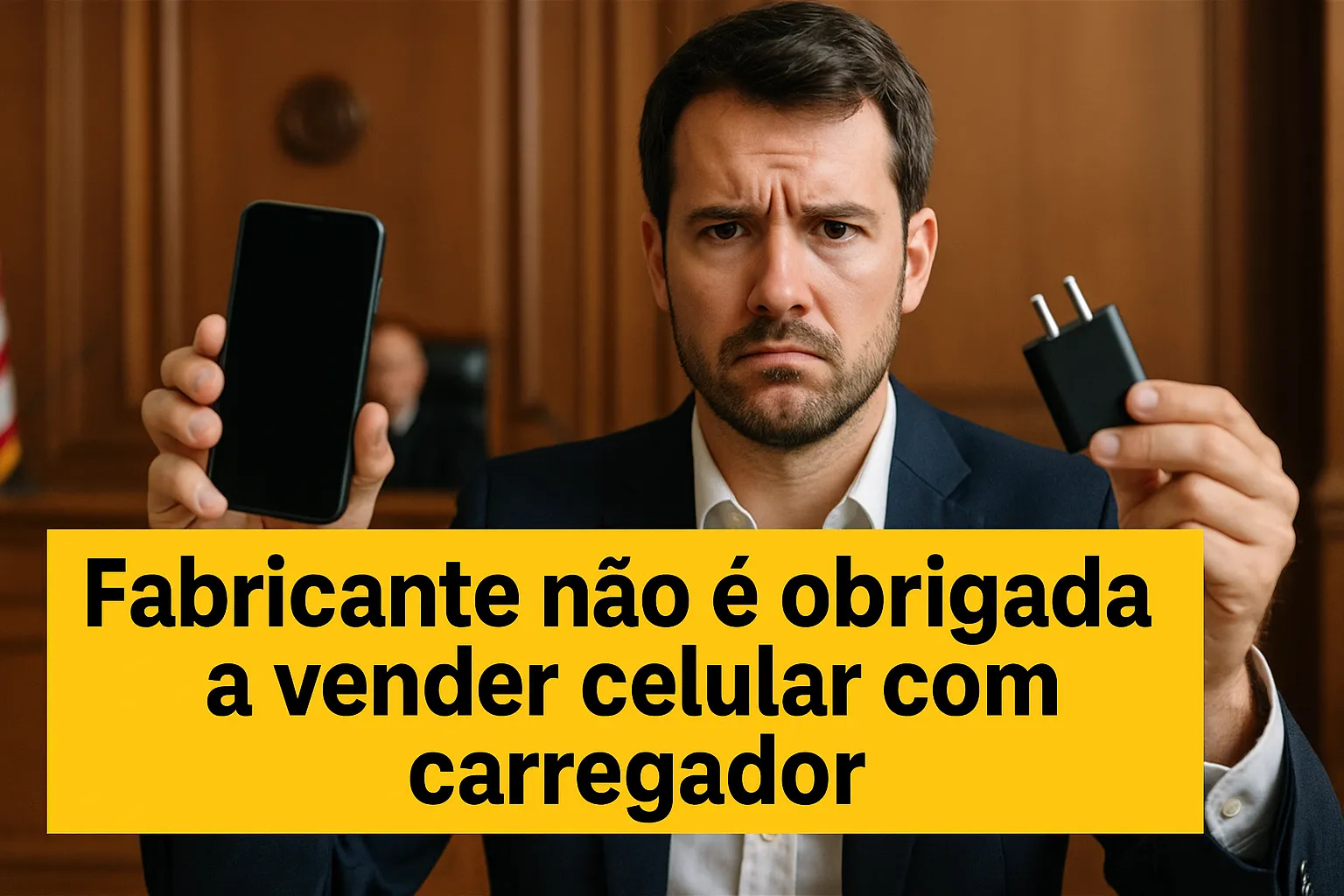


Second Special Court Decision of São Luís Removed Tied Selling, Denied Moral Damages and Refund, and Highlighted that the Consumer Was Aware that the Device Would Be Sold Only with a Cable, Without External Charger
Judge Alessandro Bandeira, from the 2nd Special Civil Court and Consumer Relations of São Luís, rejected a consumer indemnification action who purchased a cell phone without a charger, removed tied selling, and denied moral damages and refund, considering that there was no illegal imposition.
The magistrate analyzed the indemnification request presented by a consumer who acquired a cell phone without a charger included and, after the purchase, filed a lawsuit alleging tied selling practice and impossibility of using the device.
According to the records, the plaintiff stated that the cell phone became unsuitable for use as it did not have a compatible adapter with the device’s input, which would have compromised the functionality of the purchased product.
-
While the world looks at oil, the war with Iran is already disrupting helium supply from Qatar, affecting car and iPhone chips, threatening AI expansion, and putting pressure on aluminum packaging at the highest value in four years.

-
Global warming will expose a treasure hidden under the ice of Antarctica and may spark an international dispute over gold and valuable minerals.

-
A street vendor from Praia Grande built a robot made of scrap from scooters and washing machines that pulls his popcorn cart on the beach, emits sounds, and interacts with customers, becoming an attraction on the coast of São Paulo.

-
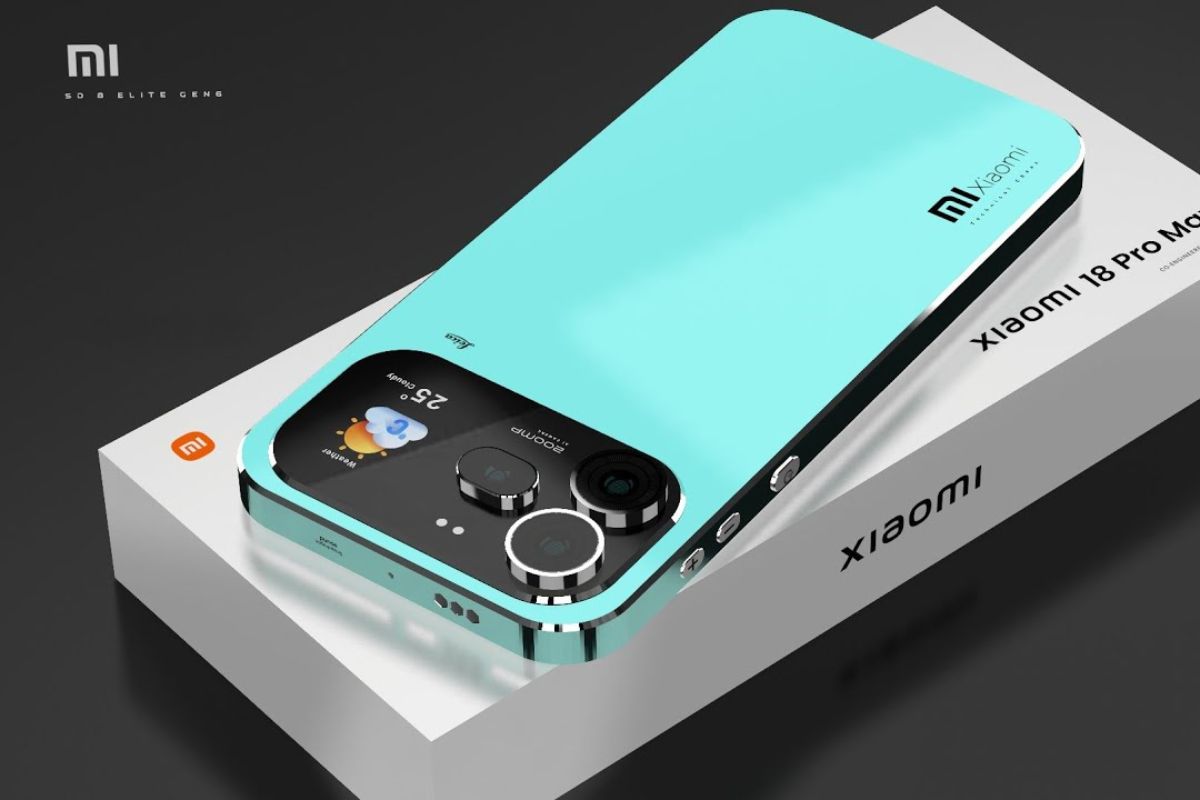
The specifications of the Xiaomi 18 Pro Max have been leaked, and the highlight is a dual 200 MP camera with a new 22-nanometer technology that promises to consume less energy and capture details in shadows and bright areas using LOFIC HDR.

The consumer also argued that he was forced to buy an original power adapter from the manufacturer, a piece used to connect the cable to the outlet, seeking compensation for moral damages and return of the amount paid.
Manufacturer and E-commerce Defense
In response, the manufacturer argued that there was no tied selling, as the information regarding the accessories that accompany the device was clearly described at the moment of purchase made by the consumer.
The e-commerce, in turn, claimed passive illegitimacy, asserting that it acted only as an intermediary in the negotiation, without direct responsibility for the composition of the items provided with the product.
Understanding of the Court
In judging the case, Judge Alessandro Bandeira rejected all requests made by the plaintiff, concluding that there was no coercion or imposition by the supplier in acquiring the adapter.
For the magistrate, charging the cell phone could be done without the need for a specific adapter, allowing the consumer to choose between products from different manufacturers available in the market.
In the decision, the judge highlighted that the device could operate normally without additional purchase and that the consumer maintained freedom of choice, ruling out the characterization of tied selling, according to the Court’s understanding.
“The consumer knew what he was buying,” stated the magistrate, noting that the purchase execution demonstrated awareness that the cell phone would not come with an external charger, but only with the cable.
The decision was issued in case no. 0802842-69.2025.8.10.0007 and released with information from the press office of TJ-MA, which confirmed the complete denial of the requests made by the consumer.








Certíssimo o juiz
Que entendimento de ****! Daqui a pouco vão vender bicicleta sem os pedais… Carros sem bateria,moto sem guidão etc… Com certeza essa decisão foi comprada.
A porr@ da justiça do Brasil sempre em favor dos ricos. Pois se o cara comprar um carregador paralelo e danificar o aparelho o fabricante vai alegar mau uso. 👎