





 Portuguese
  English
  Spanish
 4 min of reading
  1 comment


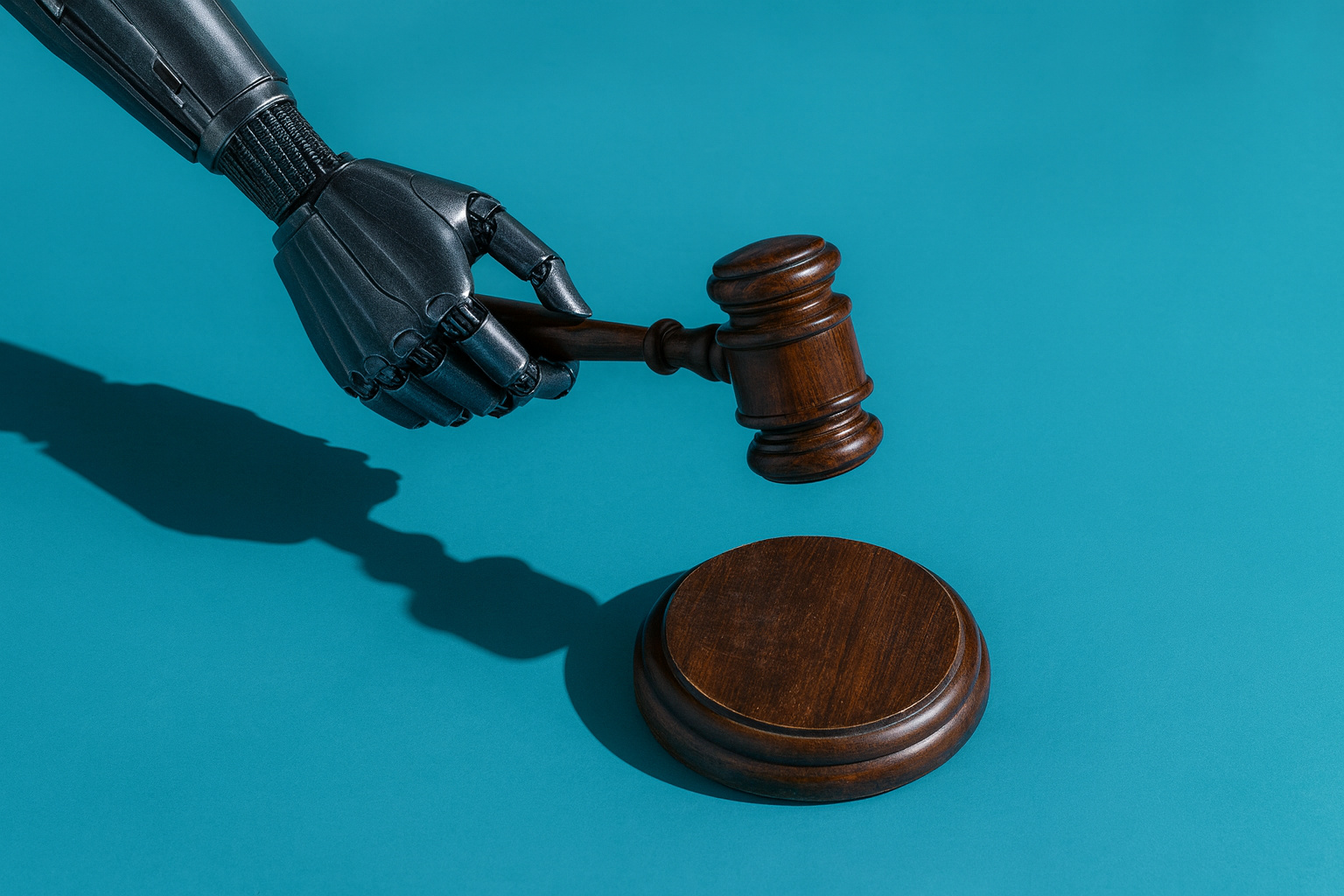

Worker Fined 5% Of The Amount In Dispute After Use Of Artificial Intelligence Generated False Decisions In Labor Lawsuit
The Misuse Of Artificial Intelligence (AI) In Judicial Proceedings Has Generated Controversy In Brazil. In September 2024, the Labor Court in São Paulo fined a former employee for bad-faith litigation. The decision imposed a fine of 5% on the amount in dispute, which corresponded to R$ 125,466.95. The case took place in the Regional Labor Court of the 2nd Region (TRT-2), and the defense still has the option to appeal to the Superior Labor Court (TST).
The Case That Led To The Conviction
The episode began when the worker’s lawyer presented false decisions in the appeal. These decisions, attributed to TST ministers and other courts, never existed. During the analysis by the Fourth Panel of TRT-2, in September 2024, the judges could not locate the referenced summaries. When questioned, the lawyer admitted that the excerpts were generated by a AI tool and confessed that she did not verify the information before filing the petition.
Reversing Just Cause In Brazil Can Restore Millionaire Rights And Turn The Tables In Labor Court
ARTICLE CONTINUES BELOWSee also
The new Civil Code could revolutionize marriages in Brazil with “express divorce” and changes that could exclude spouses from inheritance.
Banco do Brasil sues famous influencer for million-dollar debt and intensifies debate on delinquency, risks of seizure, and direct impact on Gkay’s credibility.

The Senate approves a bill that criminalizes misogyny, hatred, or aversion towards women, and includes the crime in the Racism Law with a penalty of up to 5 years.

Chamber Approves Bill That Allows Pepper Spray for Women Over 16 and Imposes Strict Rules for Purchase, Possession, and Use as Self-Defense
The former employee claimed moral harassment, unhealthy working conditions without protection, accumulation of functions, and requested what is called constructive dismissal. Additionally, she requested compensation for moral damages and payment for overtime. However, the judges denied all requests in the first instance. In the appeal, the lawyer reinforced the allegations using the material generated by AI, which worsened the situation.
Fine And Responsibility Of The Party
The rapporteur of the ruling, Judge João Forte Júnior, highlighted that “it is not reasonable to attribute blame to artificial intelligence when it relies on commands from human beings”. According to him, the lawyer tried to convince the panel that higher courts had previously decided in line with her appeal. However, under the law, the responsibility falls on the worker, who was a party to the proceedings.
The penalty was based on Article 793-B of the Consolidation of Labor Laws (CLT). This article provides for a fine of 1% to 10% on the corrected value of the dispute in cases of bad-faith litigation. TRT-2 set the sanction at 5%, but the TST may increase the percentage if the defense appeals and loses.
Risks Of Using Artificial Intelligence In The Judiciary
Lawyer Elisa Alonso, a partner at RCA Lawyers, explained that the Brazilian Judiciary uses artificial intelligence in administrative tasks. These activities include case screening, analysis of precedents, and data management. However, there is no specific regulation for the legal profession. Therefore, its use in petitions and appeals requires caution.
She warned that the greatest risk arises from what is called “AI hallucination”, when the technology creates false or nonexistent information. This type of failure can compromise the defense and result in sanctions for bad-faith litigation, as has already occurred in courts. Alonso emphasized that the National Justice Council (CNJ) permits the use of AI in courts such as the STF and TST, but always under supervision. In the legal profession, the tool is used only as support in legal research, without formal regulation. Therefore, lawyers need to verify the accuracy of the information before presenting it in court.
Possible Consequences In The Appeal
Expert Ronaldo Ferreira Tolentino, president of the Labor Law Commission of CFOAB, reminded that the Civil Procedure Code (CPC) defines bad-faith litigation as altering the truth of facts or using the process for illegal purposes. In this sense, even if the worker appeals to the TST, the chances of reversing the conviction are slim. Furthermore, the court may increase the fine already imposed.
If the TST maintains the understanding of the TRT-2, the former employee will have to pay not only the fine but also compensation for any losses to the opposing party, reimbursement of expenses, and attorney’s fees. Thus, the financial impact is likely to increase.
What This Case Represents
The episode shows that, although artificial intelligence is a useful tool, irresponsible use can have serious legal consequences. The decision of TRT-2, in September 2024, confirms that Brazilian Justice monitors abuses and holds those who litigate accountable. After all, the party and its representatives are responsible for the content of the petitions.
Thus, the conviction serves as a warning for legal professionals: technology should support the work, but never replace human verification. Whenever false information enters judicial proceedings, the consequences fall on the party, risking heavy fines, damages, and loss of professional credibility.










Your blog has become an indispensable resource for me. I’m always excited to see what new insights you have to offer. Thank you for consistently delivering top-notch content!