





 Portuguese
  English
  Spanish
  4 min of reading
  0 comments


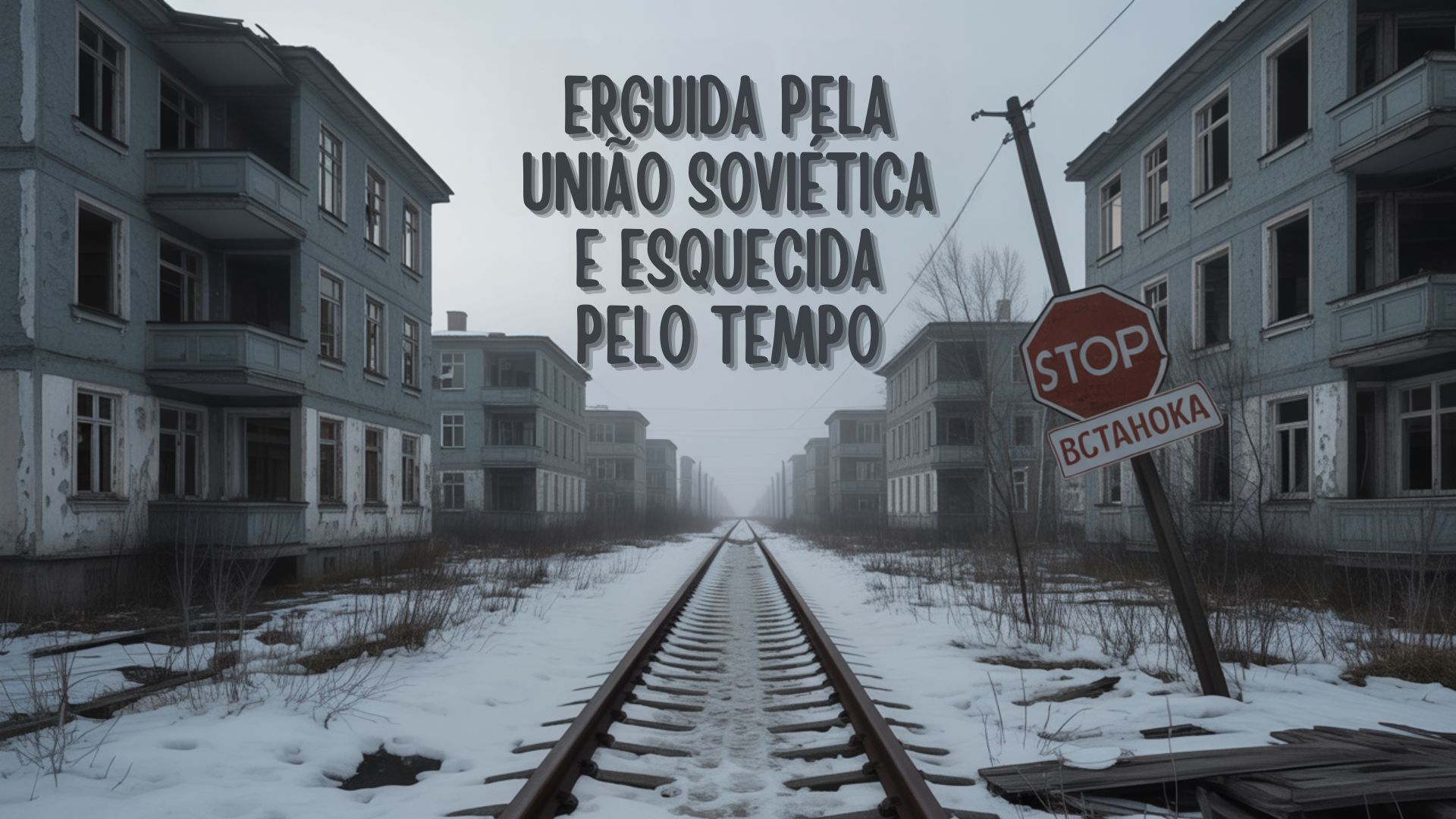
Built By Prisoners And Emptied After A Disaster, Kadykchan Reveals The Concrete Trace Of The Soviet Union: A City Frozen In Time In The Frozen Heart Of Russia.
In the heart of Russia’s Far East, surrounded by frozen forests and deserted roads, lies Kadykchan, a ghost town that seems to have stopped in time. Gray concrete buildings, schools with desks still aligned, hospitals with intact equipment, and homes with personal belongings left behind create a scene reminiscent of post-apocalyptic fiction films. But everything there is real.
Kadykchan was founded during World War II, stemming from the Soviet Union’s policy of industrial expansion. Its name, which means “small valley” in Evenki, is directly linked to coal mining, the main economic activity of the city for decades. What started as a workers’ settlement turned, in the 1980s, into a city of about 10,000 inhabitants — all connected to the exploration of mineral resources.
Ghost Town Built With Soviet Prisoner Labor
The origin of Kadykchan is linked to Soviet forced labor camps. Prisoners from the gulag system were used to build the first accommodations and mines in the region. The city was planned with basic infrastructure, including schools, health units, a market, central heating, and Soviet-standard residential buildings.
-
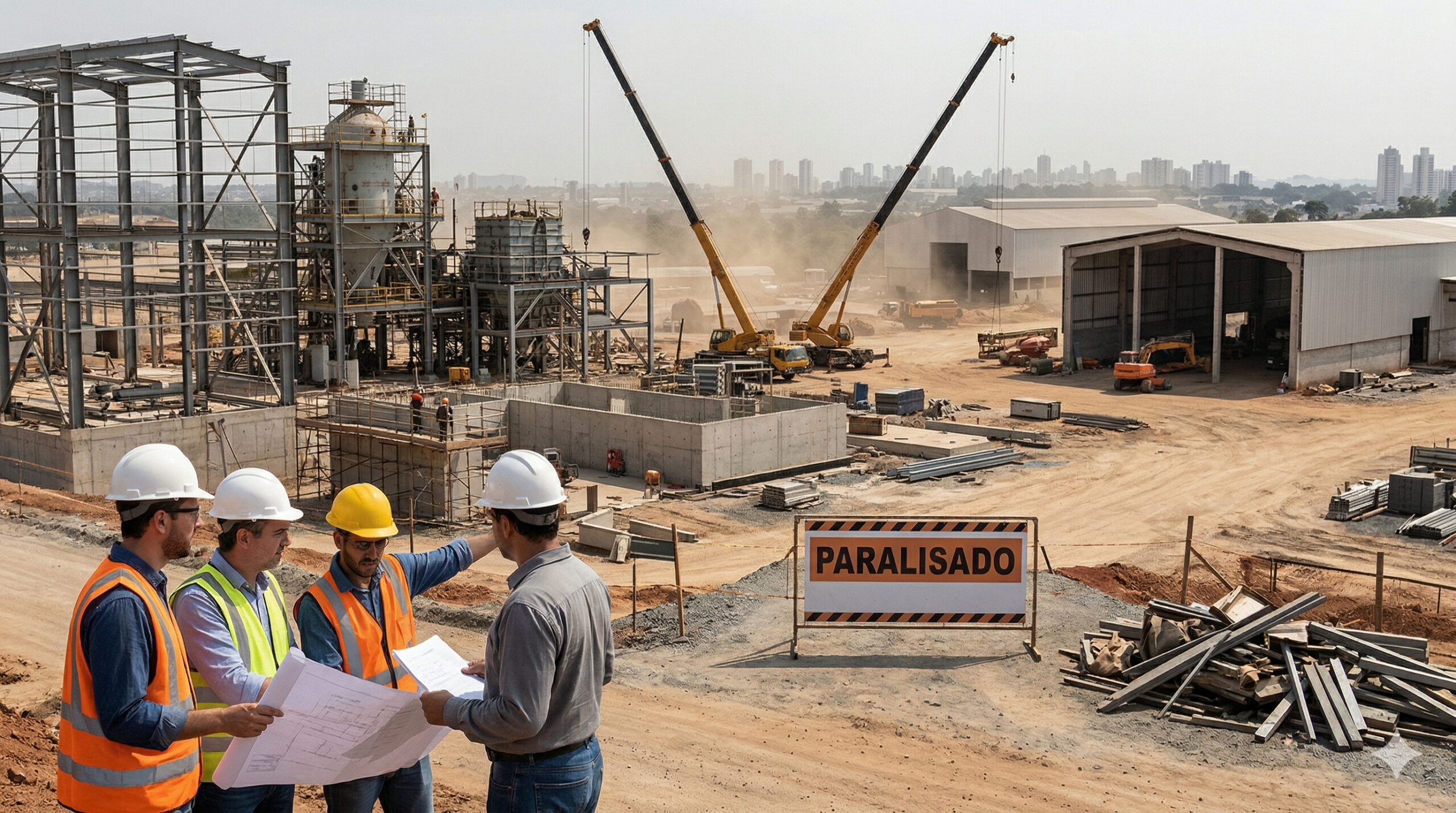
The lack of welders, electricians, and operators becomes a structural threat in 2025, with the construction industry and manufacturing already suffering from delays, cost pressures, and labor shortages in Brazil.
-
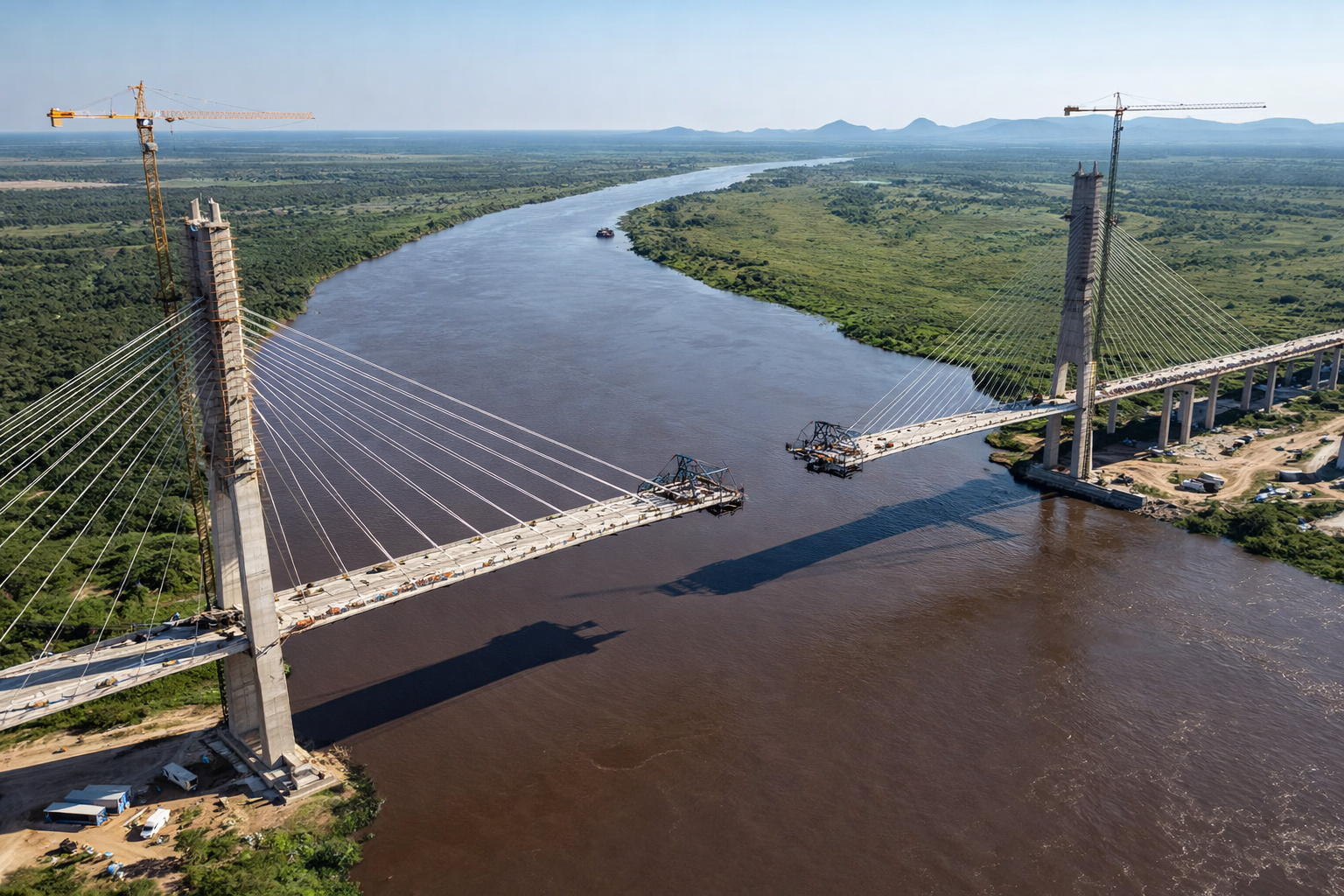
Brazil and Paraguay are just 46 meters away from a historic union on the bioceanic bridge that promises to revolutionize trade between the Atlantic and the Pacific.
-
With 55 km over the sea, a cost of US$ 20 billion, and enough steel to build 60 Eiffel Towers, China’s largest project has connected Hong Kong, Zhuhai, and Macau in a colossal bridge that defies the logic of engineering.

-
A trick with joint compound transforms a Styrofoam ceiling into a plaster-like ceiling: leveled panels, wires and mesh at the joints, sand, paint, and change the environment while spending little today.




With the peak of coal mining in the 1970s and 1980s, the city blossomed. There were cinemas, bakeries, playgrounds, and even bus lines connecting Kadykchan to other locations in the Magadan region, one of the most isolated places in Russia. The central government maintained funding for the infrastructure to ensure energy production for the eastern regions of the country.
Accelerated Abandonment After Mine Accident
The fall of the Soviet Union in 1991 marked the beginning of the end for the city. The collapse of the centralized state caused a halt in subsidies and the bankruptcy of various industrial operations, including Kadykchan’s coal mines. In 1996, an explosion in one of the mines killed several workers and led to the definitive shutdown of the city’s main production facility.
Without jobs and with the end of government transfers, the residents began to leave their homes. Many moved out in a hurry, abandoning furniture, documents, and personal items. The buildings were quickly emptied, and in less than five years the city was almost completely unoccupied.
A Ghost Town Frozen In Time
Today, Kadykchan remains nearly the same as it was left. The concrete structures are still standing, the windows continue framing empty rooms, and schoolbooks are still stacked on abandoned shelves. In some homes, clothes remain in closets and children’s toys rest in the rooms as if waiting for their owners to return.
Despite the natural deterioration caused by the harsh climate of the region, the condition of the interiors surprises visitors. There are no reports of large-scale looting or vandalism, partly due to the difficulty of access: the location can only be reached by dirt roads for a few months of the year when the weather permits.
Symbol Of The Soviet Collapse
Kadykchan has become a silent symbol of the end of the Soviet era. Its abandonment was not the result of war or environmental catastrophe, but rather of an economic model that collapsed. The city reflects what happened to dozens of other urban centers built solely to serve industrial objectives during the communist regime.
The case of Kadykchan is often cited by researchers and journalists as an example of the so-called “frozen legacy” of the Soviet Union. These are places where urban engineering was entirely subordinated to economic production, without long-term plans for social sustainability or adaptation to future scenarios.
Touristic And Documentary Interests In The Ghost Town
Although it is difficult to reach Kadykchan, the location has started to attract adventurers, photographers, and documentarians interested in ghost towns. Various YouTube channels and websites specializing in extreme tourism have documented expeditions to the site, showcasing the intact scenery and the silent atmosphere of the empty streets.
There is no official security in the area, and visits are not recommended during the harsh winter when temperatures can drop to -50 °C. Nevertheless, interest in places like Kadykchan is growing among those seeking to understand the traces left by totalitarian regimes and forced industrialization policies.

A Ruined Remembrance Of Soviet Engineering
More than ruins, Kadykchan is a physical reminder of how an entire city can emerge from a strategic decision and disappear almost as quickly as it arose. Based on heavy infrastructure and state dependency, the Soviet model of urban development left behind dozens of sites like this, many still hidden in the vastness of Russian territory.
As the city remains silent, the traces of everyday life that once existed there are still visible: sheets on beds, school records, posters on walls, and dishes on the table. Kadykchan is now one of the best-preserved ghost towns in Russia, an intact portrait of an era that no longer exists — but still echoes through the concrete.









Seja o primeiro a reagir!