





 Portuguese
  English
  Spanish
  3 min of reading
  7 comments


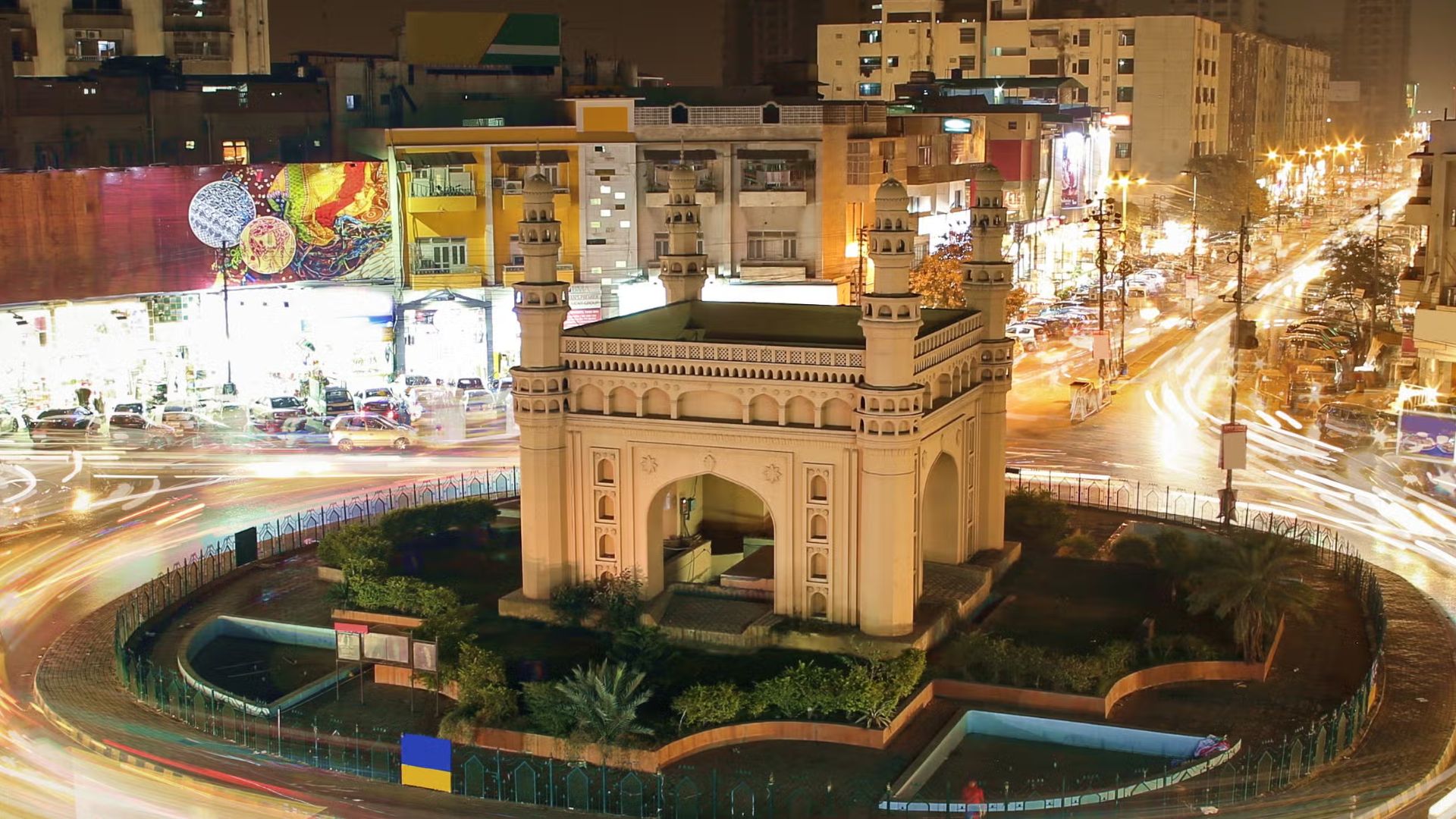


With Low Rent, Affordable Food, and Cheap Transport, Karachi, Pakistan, Is Rated as the Most Economical City to Live and Visit This Year, Offering Cultural and Historical Experiences Without Breaking the Budget
Karachi, the largest metropolis in Pakistan, was named in 2025 as the most economical city in the world to live and visit. According to surveys released by international portals, the financial capital of the country offers an extremely low cost of living compared to urban centers in Europe and North America. Rent, food, and transport are among the main factors that make it possible to live like a “King Spending Pennies” in the region.
The city, with over 15 million inhabitants, has rental prices significantly below the global average. A small apartment in central areas costs a fraction of what one would pay in London, New York, or São Paulo. This difference in housing costs is one of the pillars that sustain Karachi’s position in affordability rankings.
Another highlight is food. Popular restaurants offer full meals at symbolic prices. This factor allows both residents and tourists to explore Pakistani cuisine without straining their budgets, enhancing the perception that Karachi is today one of the most financially advantageous destinations.
-
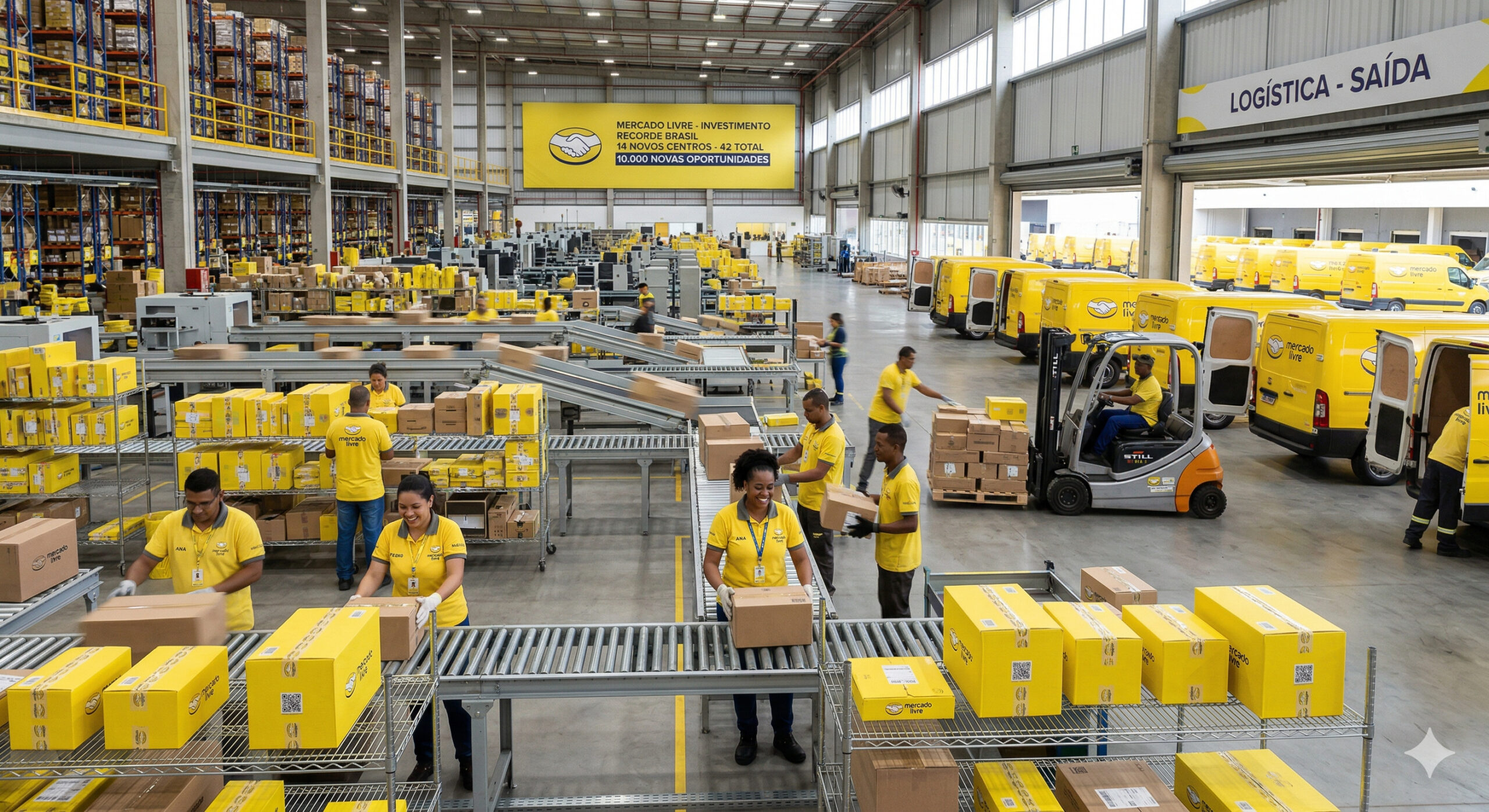
Mercado Livre “opens the vault” and announces a record investment of R$ 57 billion in Brazil in 2026, a value 50% higher than the previous year, with an expansion plan that includes 14 new logistics centers, totaling 42 units in the country and hiring an additional 10,000 employees.
-
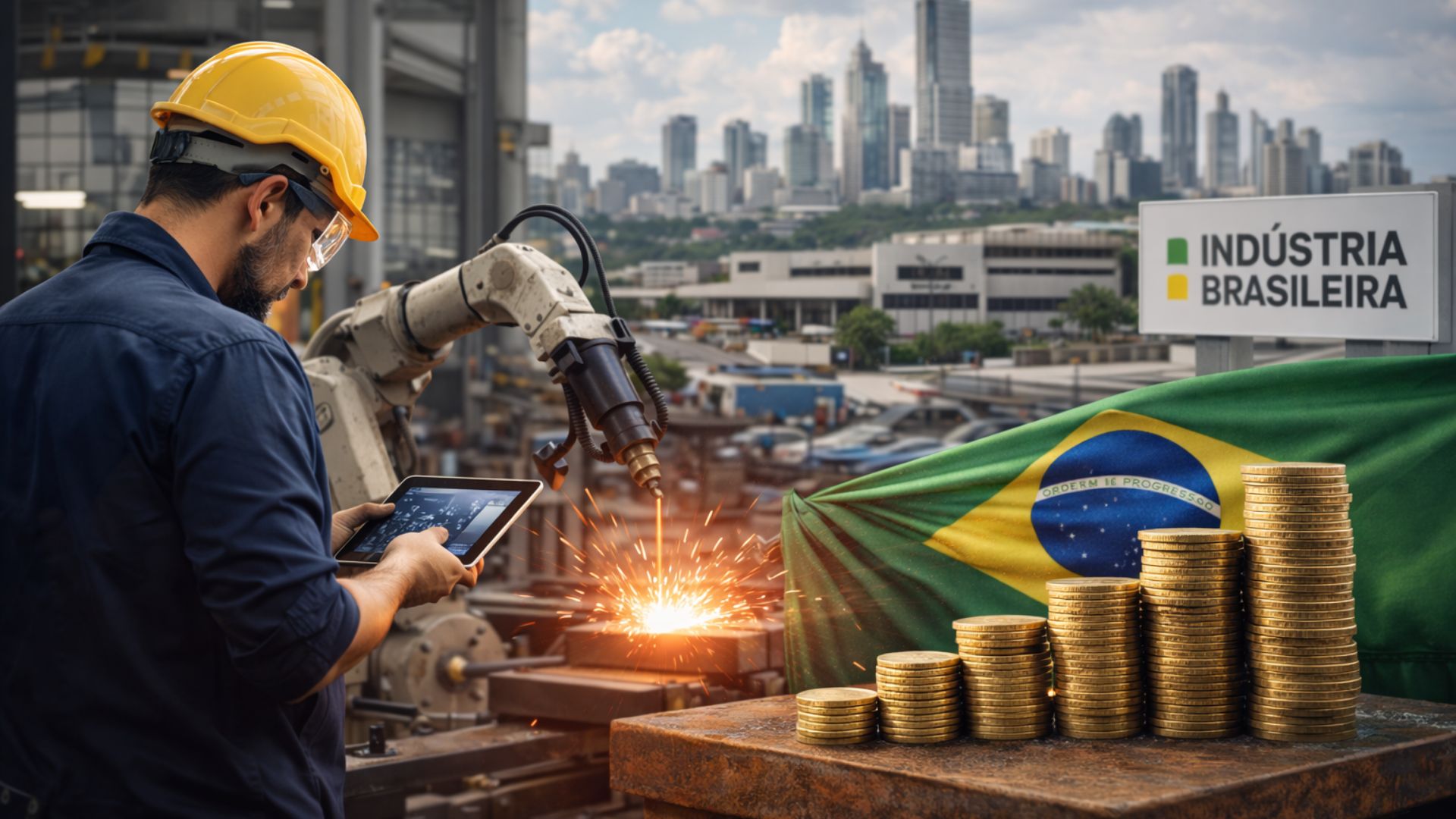
How investment in technology can revolutionize the national economy and enhance industrial gains, according to a study that highlights the direct impact on productivity, innovation, and wealth retention within Brazil.
-
The largest food company on the planet, JBS, has just opened a 4,000 square meter laboratory in Florianópolis to develop customized proteins that modulate muscle mass gain, immune response, and metabolic performance.

-
After nearly 30 bids and competition among industry giants, a Spanish company purchases one of the largest airports in Brazil for almost R$ 3 billion and takes over the management of Galeão in a concession that will last until 2039.


Shopping and Essential Costs
In local markets, the prices of basic products such as fruits, vegetables, and grains are well below the standard found in other Asian metropolises. The clothing sector is also considered highly competitive, with clothing sold at prices that have little impact on family budgets.
Despite this, imported items still have high prices due to customs tariffs. This scenario encourages the consumption of local goods and invigorates the domestic economy, keeping the focus on what is produced within the country.
For visitors, this characteristic is an added attraction, as it encourages experiencing Pakistani culture through typical products and traditional services. This cultural immersion is possible without the need for significant financial investments.


Low-Cost Tourism and Leisure
Tourism in Karachi also benefits from economic accessibility. Museums, local fairs, and public squares offer affordable leisure options, some even free on specific days. Urban Beaches and parks have become meeting points that do not require significant spending, strengthening the city’s image as a low-cost destination.
Visitors also find religious and historical sites that offer rich experiences in learning and culture. Faith tourism, widely present in the region, is among the most sought-after segments, reinforcing Karachi’s role as a cultural and spiritual hub.
Moreover, those who plan ahead can take advantage of free admission days at museums and galleries, increasing the possibility of exploring the city economically.
Benefits and Challenges
According to information from the magazine Ana Maria, the cost of living in Karachi is considered one of the lowest in the world, providing financial relief for both residents and tourists. This scenario favors those who wish to redirect part of their income toward leisure, education, or personal improvements.
However, experts remind us that the city’s infrastructure presents challenges, such as frequent congestion and developing public services. Therefore, despite the economic advantage, it is important for visitors and new residents to be aware of the cultural and structural differences compared to major Western capitals.
Still, Karachi maintains its prominent position in 2025 as the cheapest city to live and visit, reinforcing its relevance in the global landscape.
Imagine having the chance to live or travel to a destination where everything costs pennies: would you embark on this experience?






Reportagem preguiçosa , so fala , nada de exemplo
O que ninguém sabe é que lá tudo dar cria, por isso é tudo quase de graça. Kkkkk
Queria ver se com uma possivel realização da COP no Paquistão essas “babas de quiabo” iriam existir. Ou então a ONU devia cancelar a edição brasileira e agendar nas terras paquistanesas, onde parece que tudo é mais barato.