





 Portuguese
  English
  Spanish
  4 min of reading
  0 comments


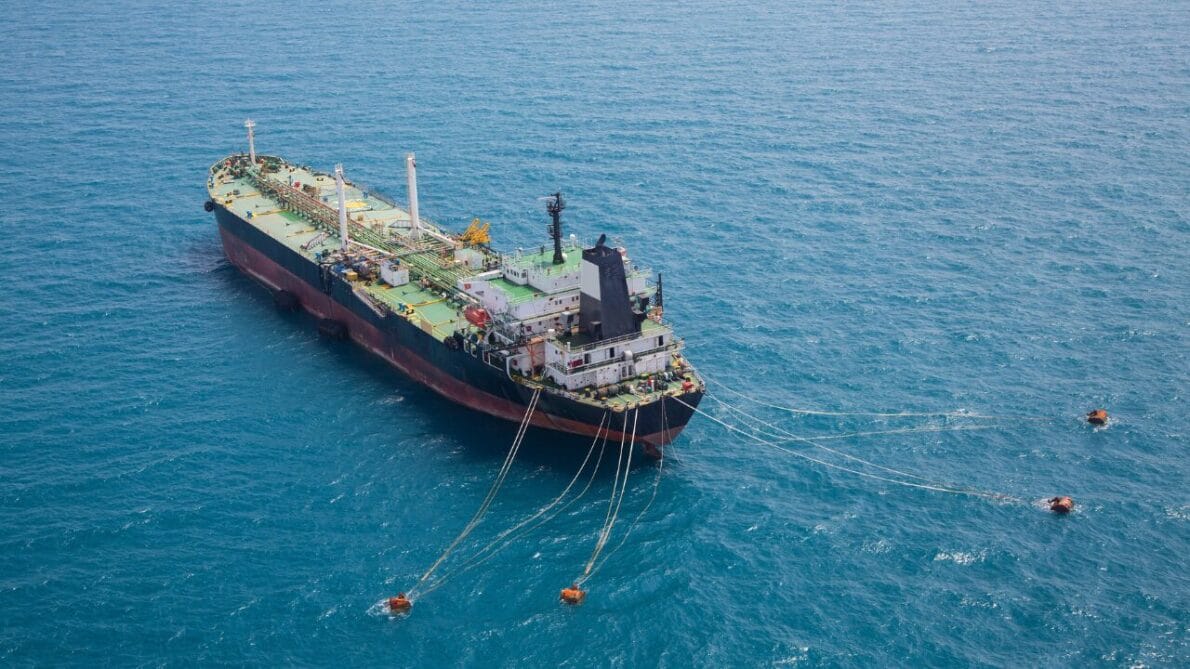
Karoon Energy Advances in Santos Basin with Neon Field, Projects Start of Production in 2029 and Seeks Partner to Enable Investment.
Karoon Energy has taken a strategic step in developing the Neon field, located in the Santos Basin, by announcing this week the transition of the project to the “Define” phase — the last step before the final investment decision (FID).
The field, located 75 kilometers northeast of the Baúna field, the company’s current flagship in Brazil, could see its first oil production in 2029 if the schedule proceeds as planned. The expectation is that Neon will become a new pillar for the oil company, with an estimated capacity of up to 108 million barrels.
Neon Project by Karoon Energy Enters New Planning Phase
The “Define” phase marks the technical and commercial maturation of the project, encompassing activities such as detailed engineering studies (FEED), defining the number and design of wells, negotiating key contracts, and searching for a suitable FPSO.
-
Petrobras evaluates suspension of sales to distributors and considers canceling the cooking gas auction following guidelines from the Federal Government.

-
Lula reveals a masterstroke by Petrobras to undo a deal made by Bolsonaro, which involves the return of an important refinery that currently produces less than half of what was expected and makes Brazil dependent on international diesel.
-
A study confirms that the natural gas sector will reduce greenhouse gas emissions in Brazil by 0.5% and accelerate the energy transition by 2026.

-
Petrobras implements a severe adjustment and confirms a 55% increase in the price of aviation kerosene with a proposal for installment payments for the companies.

The initial concept envisions the use of a redeployed FPSO, with the capacity to process up to 50,000 barrels of oil per day — a volume sufficient to absorb the peak production of the Neon field, while also allowing for future expansions.
In addition, Karoon Energy is assessing the installation of four producing subsea wells and one gas reinjection well in the first phase. In the future, other wells may be incorporated into the project in a second development phase.
Farm-Down Will Be Essential to Enable Investment
Another strategic move by Karoon will be the “farm-down” process, scheduled to begin in the second quarter of 2025. The company seeks a partner to take between 30% and 50% of the project, a condition deemed essential to reach the final investment decision.
Even before the official marketing starts, the company revealed that there is already significant interest from potential partners.
Karoon’s goal is to complete this negotiation by the end of 2025. If the agreement materializes and the market scenario remains positive, the final investment decision should occur around mid-2026.
Potential of Karoon Energy’s Neon Field Gains New Momentum with Seismic Review
According to Karoon Energy’s CEO, Julian Fowles, the advancement to the Define phase is a direct result of intensive technical work conducted over the past year.
The company reprocessed the 3D seismic data and revised the geological models based on data from the Neon-1 and Neon-2 wells.
This effort led to a reassessment of the oil volumes in the field, which now has contingent resources of:
- 59.8 million barrels (1C)
- 86.5 million barrels (2C)
- 108 million barrels (3C)
Additionally, 6.7 million barrels of prospective resources (2U) have been recognized for the first time. The update of the data was validated by independent experts from Miller and Lents Ltd., consolidating the commercial potential of the project.
Long-Term Horizon: Neon Could Become a New Regional Hub
Karoon Energy is also already envisioning the strategic role that the Neon field may play in the company’s future.
In addition to being an autonomous asset, the field could become a development hub for other nearby discoveries, such as the 27 million barrels of contingent resources 2U in Goiá and the still prospective volumes in Neon West.
This possibility paves the way for an extension of the field’s lifespan until the 2040s, increasing the economic and operational attractiveness of the investment.
Financial Viability Reinforces Confidence in the Project
The estimated costs for the first phase of development of the Neon field range between US$ 900 million and US$ 1.2 billion.
According to Karoon Energy, with Brent crude oil priced at US$ 65, the return on investment would occur in approximately two years, with an internal rate of return (IRR) greater than 20%.
The company believes that the development of additional resources could further improve the financial indicators of the project, making it one of the most promising bets in the company’s portfolio.
Karoon Energy Strengthens Presence in Brazil
With the transition of the Neon project to the Define phase, Karoon Energy reaffirms its strategy of expansion in Brazil and its commitment to the sustainable development of offshore assets.
The Baúna field, also located in the Santos Basin, will continue to be an important pillar until Neon comes into production — which is expected to happen in 2029 if the planned milestones are met.
The consolidation of the Neon field as a new production hub reinforces Karoon’s position in the Brazilian oil and gas market, while also attracting investments and new partners to the country’s energy sector.








-

Uma pessoa reagiu a isso.