





 Portuguese
  English
  Spanish
  5 min of reading
  0 comments


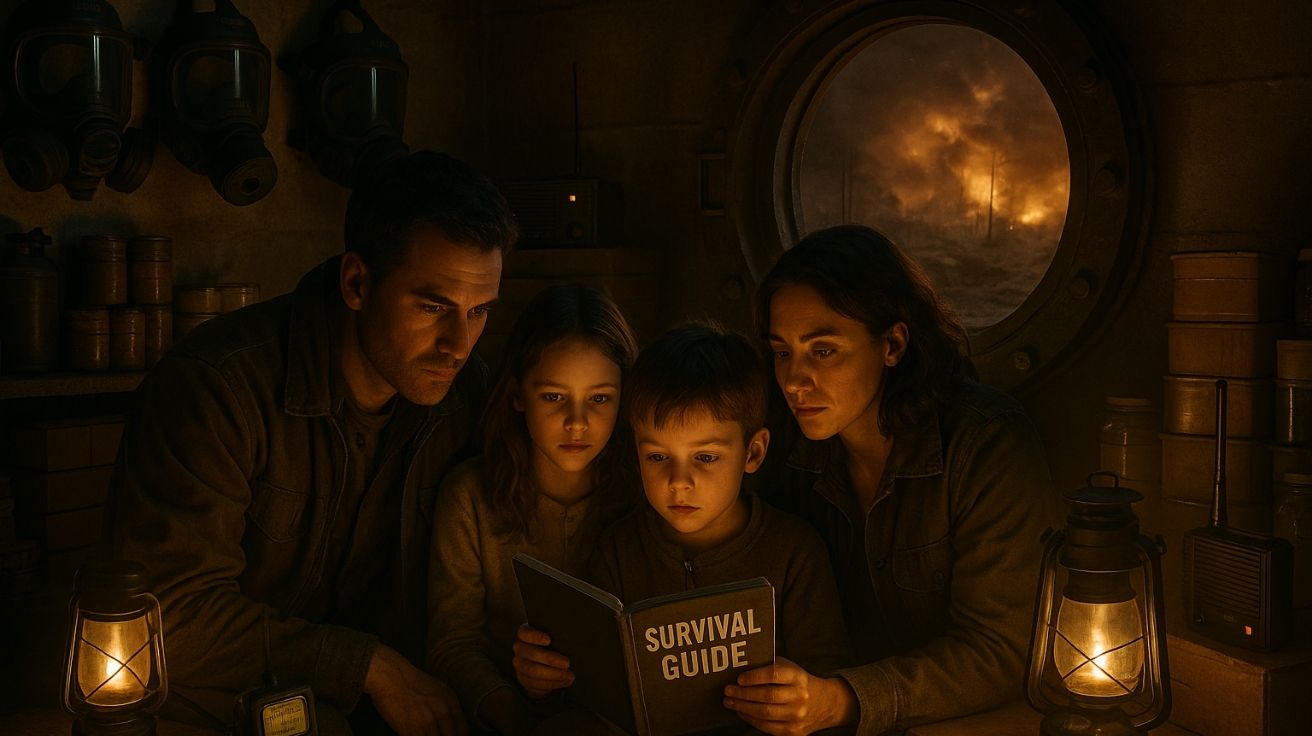
From Military Masks to Radiation Detectors, View the Complete and Updated List of Essential Equipment to Assemble an Effective Nuclear Survival Kit and Avoid Lethal Exposure in Case of War or Accident
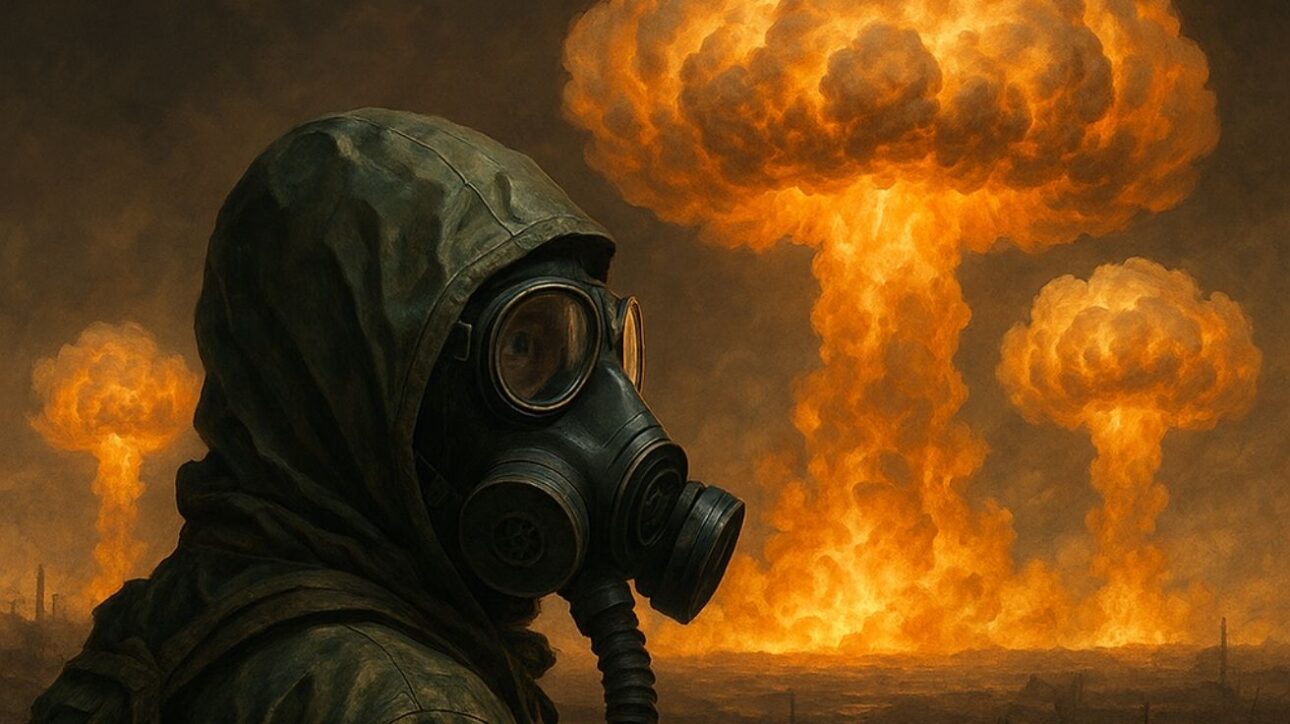
The Growing Threat of Nuclear Wars and Radioactive Disasters Has Reignited Global Alerts for Home Preparedness. Faced with this scenario, Military Experts and Preparedness Platforms Released, in 2025, the Indispensable Items to Assemble an Effective Nuclear Survival Kit, Capable of Saving Lives in Extreme Situations. The Focus is on Protecting the Human Body Against Radioactive Particles, Ensuring Access to Potable Water, Long-lasting Food, Light, and Communication in Powerless or Infrastructure-less Environments.
Based on Practical Guides, Technical Lists, and Updated Professional Recommendations, We Have Compiled Comprehensive and Optimized Content to Help You Assemble a Nuclear Kit at Home with the Right Equipment and Avoid Fatal Preparation Mistakes.
ARTICLE CONTINUES BELOWSee also
Finland, the happiest country in the world, wants to hire 140,000 technology professionals and is eyeing Brazilians: visas are issued in just two weeks and salaries with a 37-hour workweek are surprising.

Mr. Mário reveals the technique of the caipira papaya: he cuts the fruit in half, discards the seeds from the tip, and plants the ones from the back to increase the chance of a productive female tree.

Few remember, but the submarine that disappeared in 1968 with 52 crew members was found after 51 years at the bottom of the sea at more than 2,000 meters, intriguing the entire world.
With 1,200 tons suspended, the Japan mega-structure in a grid shape with a floating sphere from Fuji TV features two 25-story towers connected by elevated walkways, titanium panels, and impresses the world with its ability to reduce wind impact.

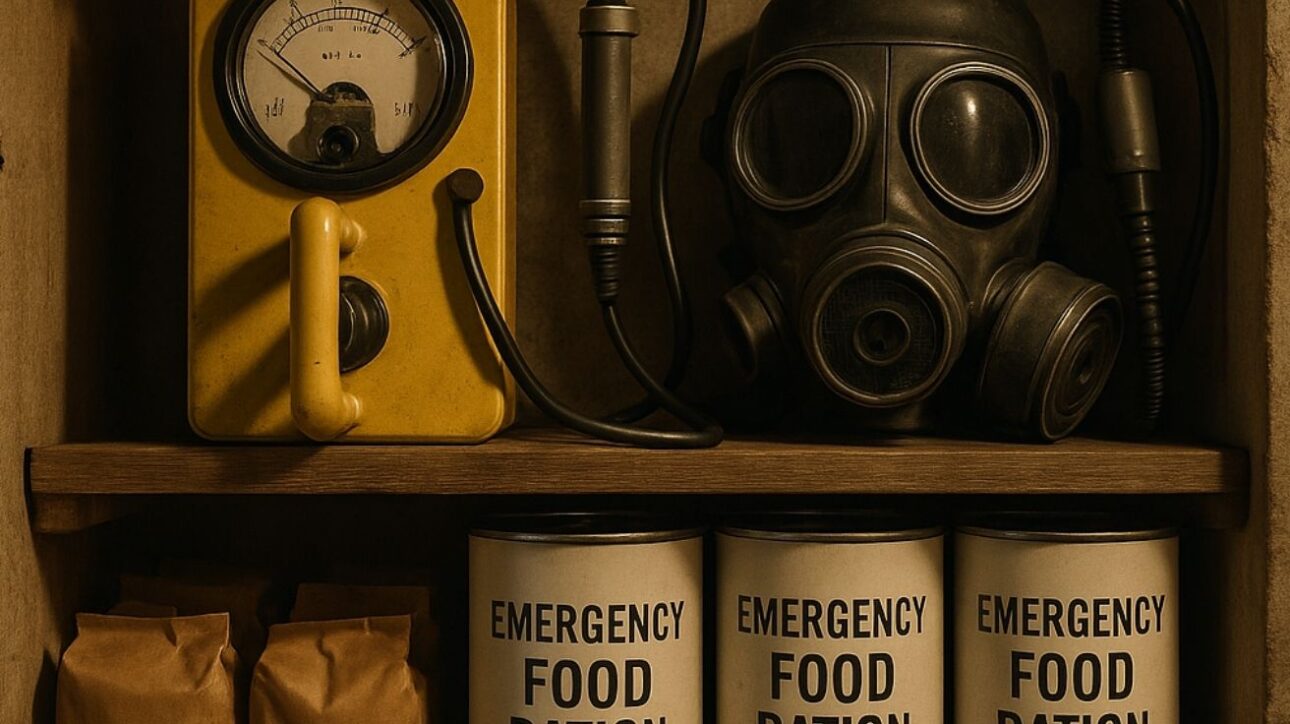
Nuclear Kit 2025: Why You Need to Be Prepared Now
With Over 450 Active Nuclear Reactors in the World and Growing Tensions Between Military Powers, the Risk of Nuclear Accidents or Attacks Has Never Been More Real. In such a scenario, Survival Does Not Depend on Luck, but on Strategic Preparation.

The concept of a Nuclear Survival Kit Goes Beyond Canned Food and Flashlights. It Includes Respiratory Protection, Specific Medications, Radiation Detectors, and Decontamination Protocols. A Good Nuclear Survival Kit Typically Contains CM-6M or CM-7M Masks, CBRN NBC-77 SOF Filters, Potassium Iodide Tablets, and a Reinforced Military Transport Case.
Sean Gold, Former Emergency Management Specialist for the US Air Force, Emphasizes That Time, Distance, and Isolation Are the Three Pillars of Protection Against Radiation, and All of This Depends on Having the Right Equipment Within Reach. According to Him, the Most Common Failure Is Not Properly Storing Kits or Not Training the Use of Equipment at Home.
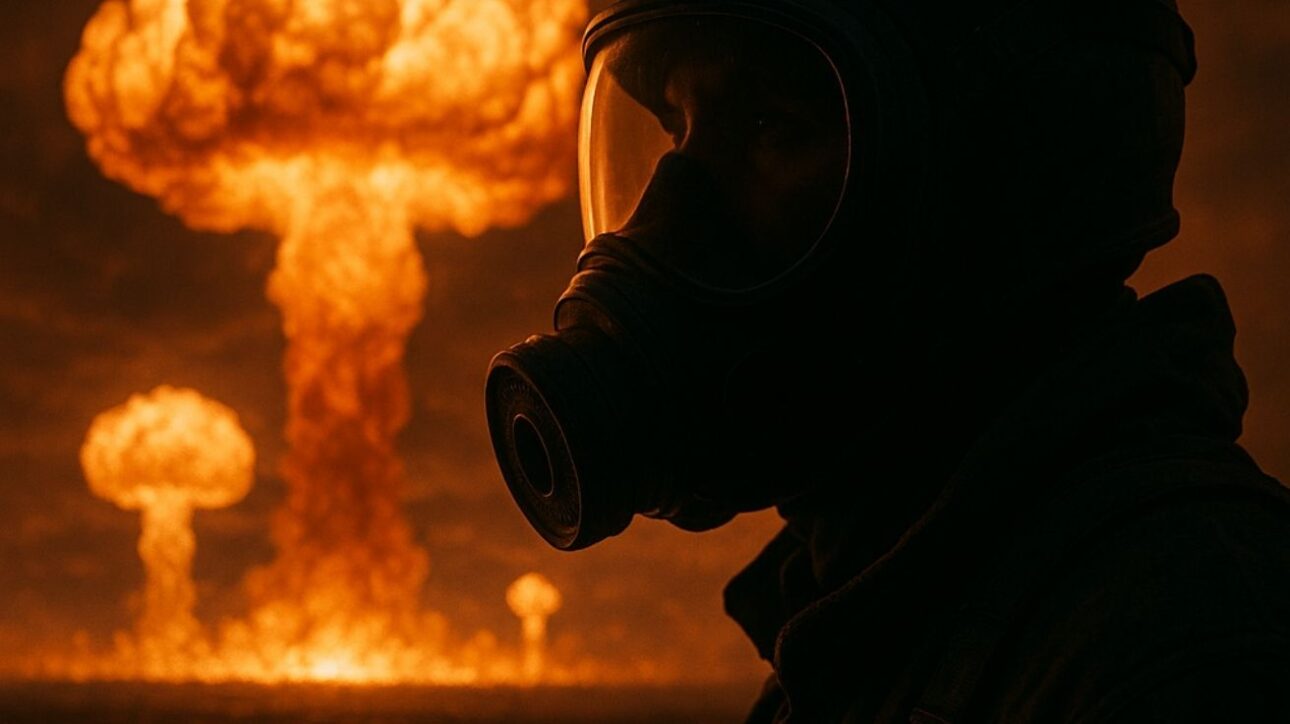
What Really Saves Lives in a Nuclear Disaster
The Keyword Here Is Radiation. Prolonged Exposure Can Cause Everything from Severe Burns to Death from Radiation Poisoning. Therefore, The First Line of Defense Is Personal Protective Equipment (PPE), Such As:
• Gas Masks with CBRN Filters: Models Like the CM-6M Protect Against Radioactive Dust, Chemical Vapors, and Biological Agents.
• Child Respirators Like the CM-3M, Developed by the Israeli Defense Forces, Efficiently Protect Children in Emergencies.
• Full-Coverage Clothing, Like Rayguard Overalls, Along with Nitrile Gloves, Extra Boots, and Raincoats, Help Contain External Contamination.
• Potassium Iodide Tablets (Such as ThyroSafe): Prevent the Body from Absorbing Radioactive Iodine, Drastically Reducing Thyroid Cancer Risks.
Complementary Items Such As Disposable Ponchos, Extra Clothes, and Additive-free Wet Wipes Are Essential for Quick Changes and Body Decontamination. According to TruePrepper, It Is Necessary to Anticipate Multiple Clothing Changes and Immediate Removal of Exposed Clothing to Prevent Dermal Absorption of Nuclear Particles.
How to Detect, Avoid, and Act in Contaminated Environments
The Invisible Presence of Radiation Makes Detectors One of the Pillars of the Nuclear Kit. The Portable Geiger-Muller Geiger-2, for Example, Offers Real-Time Readings and Has a Compact Format, Easy to Store and Transport.
Complementing, Dosimeter Cards Like the RADTriage50 Indicate Accumulated Exposure Over Time, Allowing Individuals to Know When to Seek Shelter or Evacuate. It Is Also Important to Calibrate Equipment with the Background Radiation Levels of Your Area, As Sean Gold Advises.
The Ideal Is to Store Detectors in Faraday Bags, Protecting Them from Electromagnetic Pulses (EMPs), Common in Nuclear Explosions. These Bags Prevent Vital Electronic Devices for Communication or Navigation from Being Rendered Useless.
Moreover, Having Local Maps with Escape Routes, Shelter Zones, and Pre-defined Family Plans Are Advantages That Increase the Chances of Survival.
Water, Light, and Communication: The Three Pillars of Prolonged Survival
Even in Extreme Situations, Humans Need 1 Gallon (3.8 L) of Water per Day. The Ideal Kit Should Combine Mineral Water in PET Bottles (Stored in a Cool, Dark Place) with Gallons of Treated Tap Water, Properly Labeled and Replaced Every 6 Months.
Alternative Sources Such as Purification Tablets, Portable Filters, and Boiling Systems Are Fundamental to Prevent Illness in Environments Without Sanitation. Regarding Food, Bars Such as Clif Bar, Datrex, SOS Food Labs, and Mainstay Offer High Caloric Density and Long Shelf Life, Up to 5 Years.
To Maintain Visibility and Orientation, the Kit Should Include:
- LED Flashlights and Headlamps
- AA and AAA Batteries, with Rechargeable Alternatives and Solar Chargers
- Emergency Radios with NOAA and Hand Crank, Like Models with USB Input
- Water-resistant Walkie-talkies with Long Range, Especially Useful in Areas Without Cell Signal
Where to Store, When to Review, and How to Ensure Your Kit’s Effectiveness
The Effectiveness of the Kit Depends on Both the Contents and Where It Is Stored and How It Is Maintained. Experts Recommend Organizing Kits in Boxes Separated by Categories (Food, Light, PPE, Communication, and First Aid) and Keeping Them in Easy-to-Access Locations with Moderate Ventilation, Such as Central Closets, Thermal Storage Rooms, or Underground Shelters.
Inspect Everything Every 6 Months, Checking the Expiration Dates of Food, Medications, and Batteries. Keep A Printed or Digital Inventory, Updated with Replacement Dates and Product Names.
Masks and Suits Should Be Tested Before Actual Use, and Filters Need to Be Sealed Until Used. Avoid Storing Near Fuels, Solvents, Sparking Electronic Devices, or Areas with High Heat Variations.
And Finally, All Household Members Should Know the Storage Location and Basic Use of Each Item in the Kit. As MIRA Safety Highlights, “The Best Kit Is One That You Can Use Quickly, Even in the Dark, Even in Panic.”








-

Uma pessoa reagiu a isso.