





 Portuguese
  English
  Spanish
  3 min of reading



Klabin CEO Claims There Is Increased Market Demand for Pulp, Justifying Expansion of Production Capacity
Klabin (KLBN11), the largest producer and exporter of paper in Brazil and which invested R$ 188 million for the expansion of its factory in Fortaleza, is considering an increase in its fluff pulp production capacity, in a context of continuous rise in prices and market demand for the product, as stated by the company’s CEO, Cristiano Teixeira, this Wednesday (04).
Fluff pulp is used in products such as disposable diapers and pads, as it ensures the absorption capacity and retention of liquids in these items.
In response to an analyst’s question during the conference regarding the results of the first quarter of this year, Teixeira stated that fluff pulp is part of Klabin’s production portfolio. According to him, the company is very comfortable and secure in the market, and the pulp is approved by virtually all top-tier customers worldwide.
The CEO of Klabin also mentioned, without giving further details, that an increase in fluff pulp production capacity is being evaluated.
Company Reduced Fluff Production in the First Quarter Compared to Last Year
According to Money Times, Klabin, which is undertaking a billion-dollar expansion of pulp and packaging paper production capacity in the state of Paraná, reported a 17% decrease in the production of “long fiber/fluff” pulp in the first quarter, compared to the same period in 2021. In total, 98 thousand tons were produced.
However, sales were 95 thousand tons, and there was a revenue growth of 19%, considering that the price per ton was 30% higher in the same comparison.
When asked about the demand outlook for internal and external products, Cristiano Teixeira stated that, in the second quarter, a “very slight” recovery has been observed in the demand for cardboard and corrugated paper compared to the first quarter, largely due to greater seasonality in the inflationary scenario. Regarding the external market, the Klabin president stated that export margins “are good.”
Klabin to Begin Cargo Handling Operations Focused on Pulp at the New Terminal in the Port of Paranaguá by 2022
The pulp production company Klabin has been carrying out construction works for a new cargo handling terminal at the Port of Paranaguá. During last Thursday (04/14), it revealed that the works should be completed at the beginning of the second half of 2022. With this, pulp export operations could begin later this year, according to the company’s projections.
-
Historic bankruptcy of Centauro shocks the market, and the century-old company puts more than 500,000 products, machines, and complete infrastructure up for online auction.

-
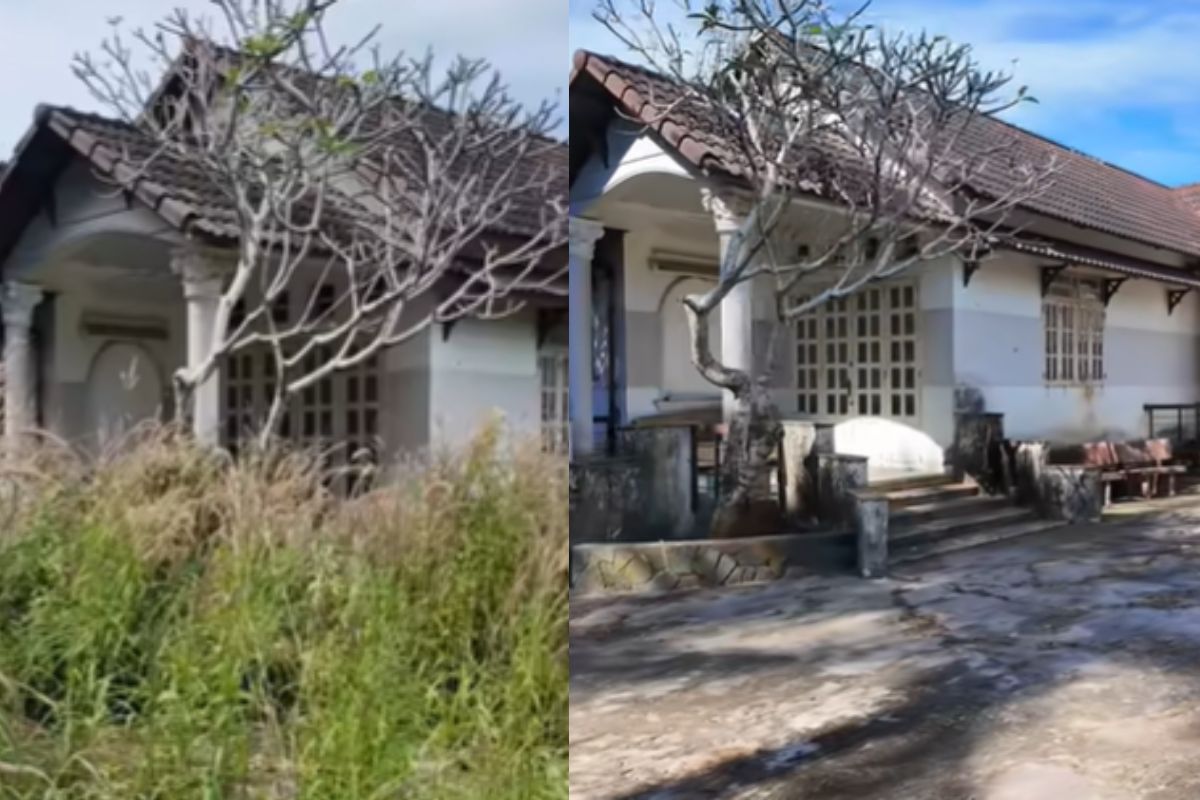
Abandoned house for 15 years disappears in the woods, shocks owner with unrecognizable scenery and is reborn in an intense transformation after almost 90 hours of work in just 10 days.
-
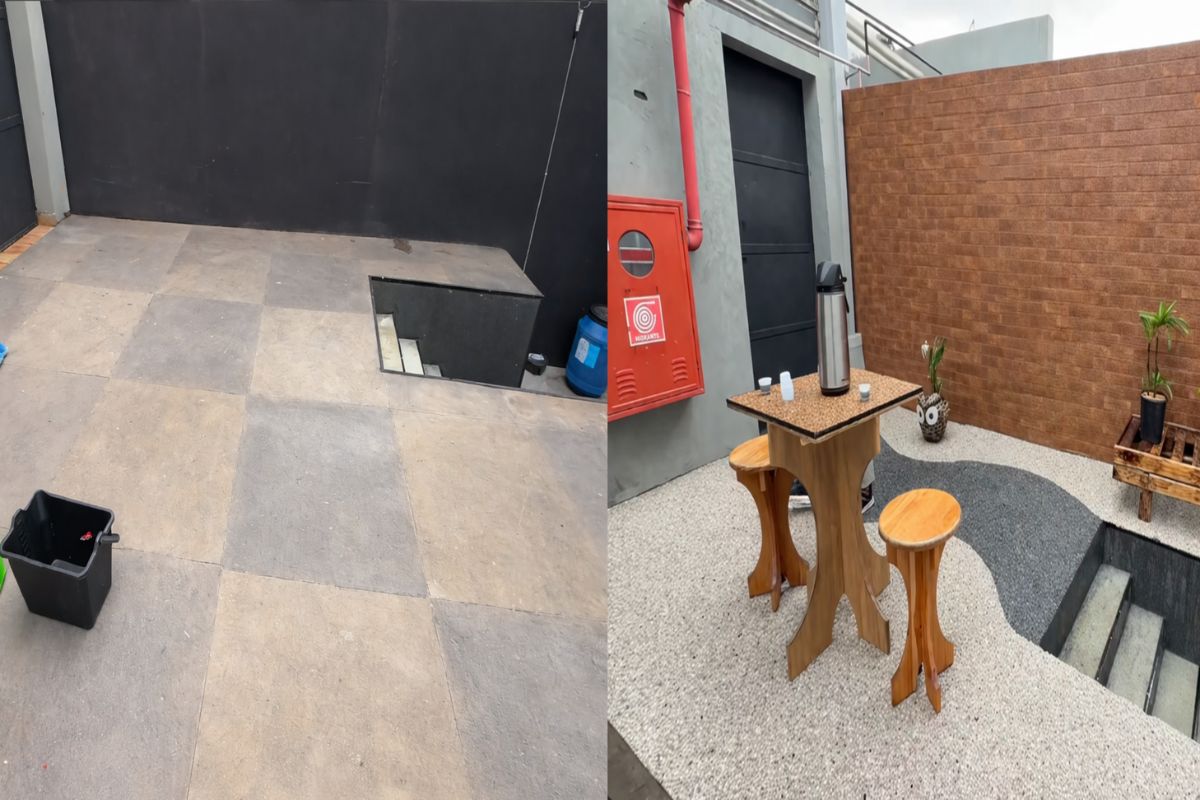
In just three hours, a natural stone floor transforms the entrance of the house with an organic effect, immediate drainage, and a sophisticated non-slip finish that doesn’t puddle water, dries quickly, and impresses with the final result.
-
‘Interlocking brick’ made of earth arrives in the construction industry with cost reductions of up to 40% on the project.


Klabin, a giant in pulp production in the country, commented on the completion deadline for the construction of its new terminal at the Port of Paranaguá and stated that the works should be finalized at the beginning of the second half of 2022, so that cargo handling operations focused on this product can commence right after the terminal’s delivery.
The investment made by the pulp manufacturer Klabin is estimated at around R$ 120 million, with an industrial unit in Telêmaco Borba, in Campos Gerais and, after the start of construction in June 2021, the terminal’s delivery is getting closer. Klabin’s new terminal has an area of 27,530 square meters and was awarded to the company in a bidding held by Portos do Paraná in August 2019, with an initial contract expected for 25 years, which can be extended up to 45 if the company wishes to continue managing the cargo handling activities.
For more information, access the full article here.








Seja o primeiro a reagir!