





 Portuguese
  English
  Spanish
  5 min of reading
  0 comments


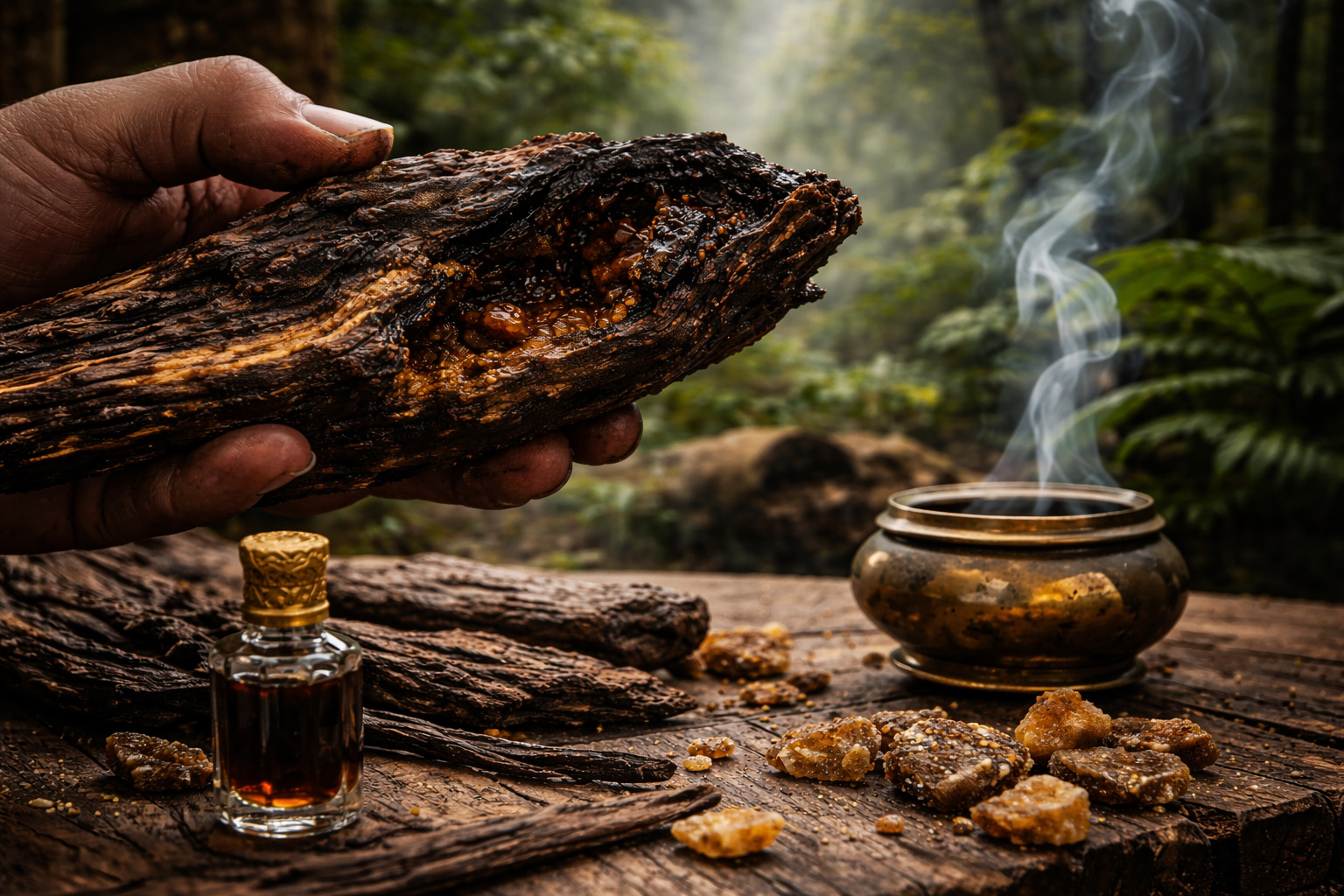
Article Explains How Kynam Emerges, Why This Resinous Wood Is Extremely Rare, How Much It Is Worth in the Global Market, and What Environmental Challenges Surround Its Exploitation
In an increasingly attentive global market for rare natural resources, Agarwood — known in its noblest forms as Kynam or Kyara — has come to be referred to as “forest gold”.
This reputation did not arise by chance.
In varieties considered purer, Kynam can reach values close to US$ 10,000 per gram, surpassing the price of many precious metals in the international market.
-
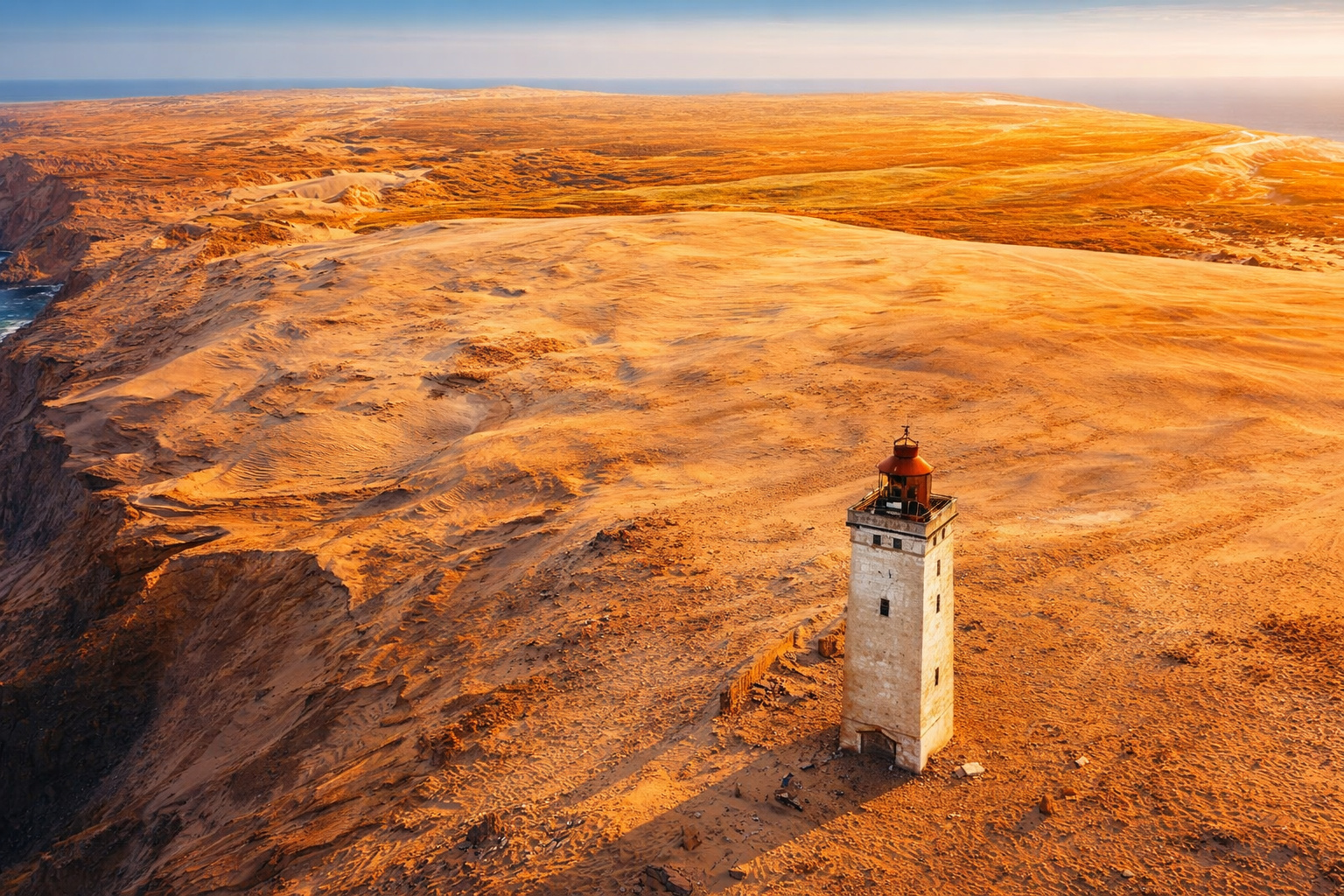
Attracting around 250,000 people a year, a lighthouse 200 meters from the sea, on a 60-meter high cliff, on the North Sea coast in Denmark, becomes one of the most impressive examples of how nature can threaten historical buildings.
-
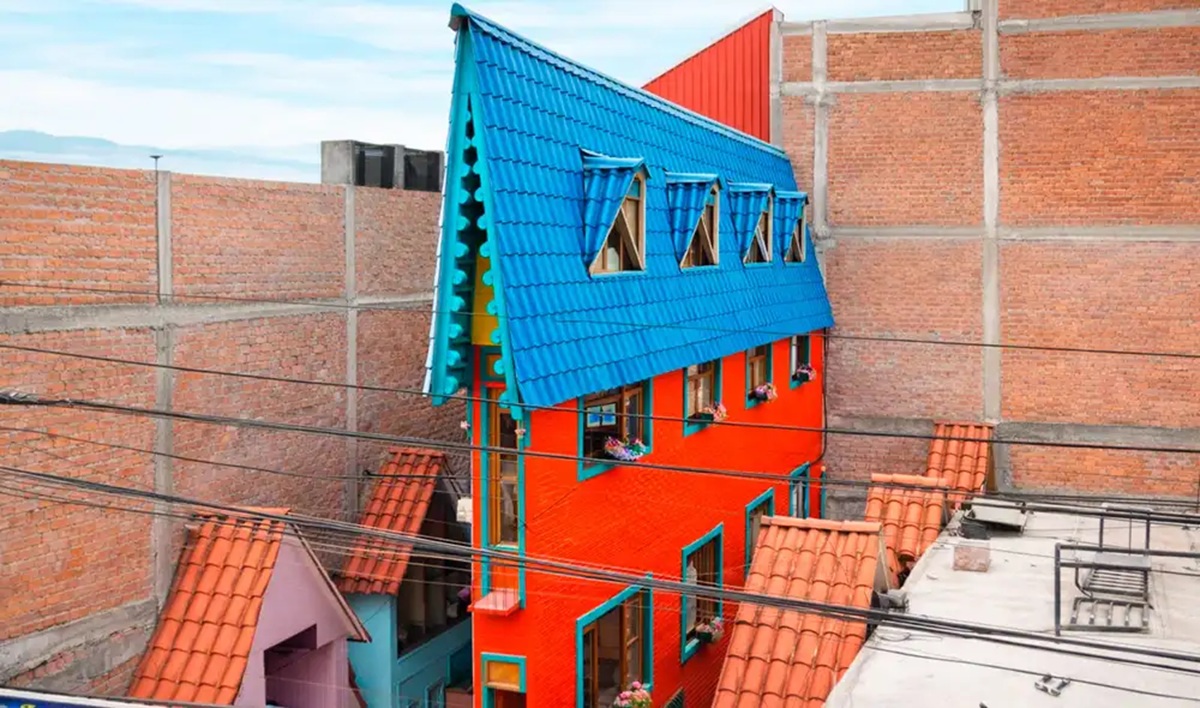
The narrowest house in the world is only 63 centimeters wide, but inside it can accommodate a bathroom, kitchen, bedroom, office, and even two staircases.
-
In the middle of the sea, these enormous concrete and steel structures, built by the British Navy to protect strategic maritime routes, look like they came straight out of a Star Wars movie.

-
For years, no one could cross a neighborhood in Tokyo because of the tracks, but an impressive solution changed mobility and completely transformed the local routine.


For this reason, experts in botany and perfumery classify this resinous wood as the most expensive wood in the world.
Consequently, global interest in this raw material is growing rapidly and raising debates about rarity, sustainability, origin, and the potential for cultivation outside Asia.
How Kynam Forms in Aquilaria Trees
First of all, Kynam emerges from a complex natural process involving Aquilaria trees.
When the tree trunk suffers an injury or infection caused by fungi or bacteria, the plant activates a defense mechanism.
As a result, protective resin begins to form inside the wood.
Over time, this resin imparts an intense, deep, and sweet aroma, highly valued in perfumery and cultural rituals.
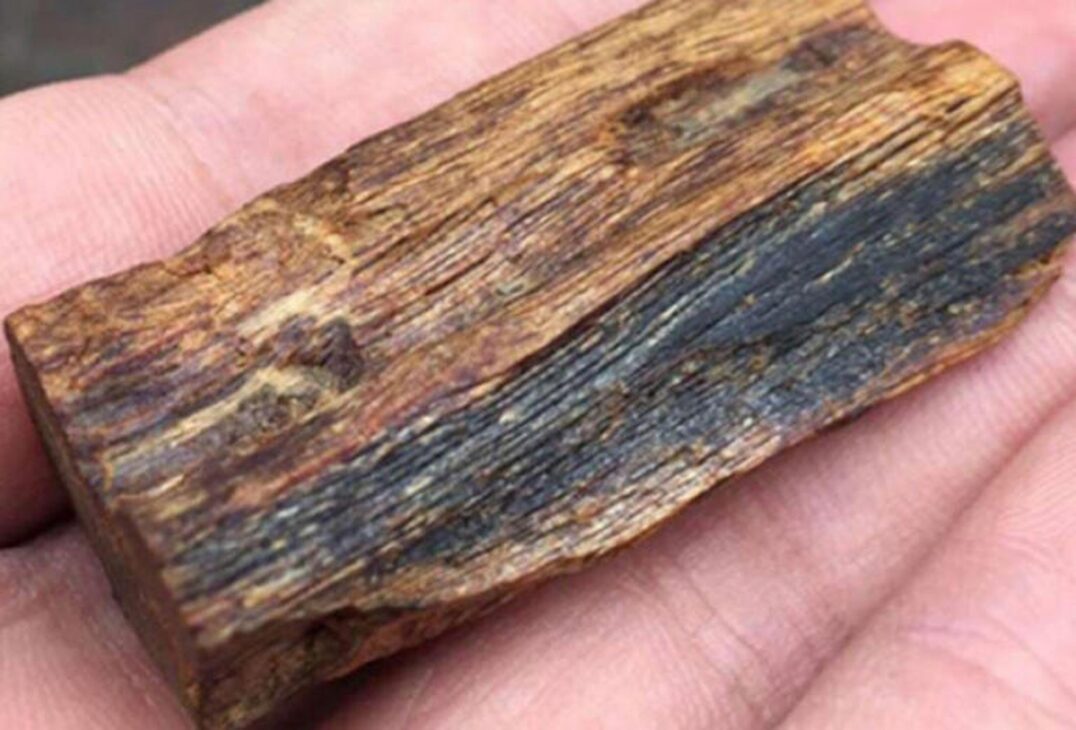
However, only a small fraction of trees develop this resin in sufficient quantities.
According to botanist Dr. Helena Matsuda, a researcher in tropical forest ecology, less than 10% of Aquilarias in natural environments produce resin at a commercial level.
Moreover, only an even smaller fraction reaches the quality standard classified as Kynam.
For this reason, the scarcity of the wood is extreme.
Where Aquilaria Trees Grow
Naturally, Aquilaria trees develop in humid tropical forests of Southeast Asia.
Among the main countries where they occur are:
• Vietnam
• Laos
• Cambodia
• Thailand
• Malaysia
• Indonesia
• India
• Bangladesh
Furthermore, these trees generally grow in dense forests, with high humidity and well-drained soils.
They often appear in remote and hard-to-reach areas.
Another important factor is that not all species of Aquilaria produce aromatic resin.
As a result, the global supply of high-quality Agarwood remains naturally limited.
Additionally, intensive exploitation throughout the 20th century significantly reduced natural populations, according to forestry researchers.
Why Kynam Is Considered the Most Expensive Wood in the World
Within the Agarwood realm, Kynam represents the highest level of aromatic quality.
Experts describe its scent as extremely complex.
Among the sensory notes frequently mentioned are moist wood, medicinal herbs, honey, and sweet smoke, along with a persistent resinous base.
According to perfumer Eduardo Nassar, a specialist in Eastern raw materials, one gram of Kynam can fetch up to US$ 10,000 in specialized markets, depending on the origin and purity.
In luxury perfumery, small quantities are used in microdoses, serving as a secret olfactory signature.
Therefore, on international lists of rare commodities, Agarwood frequently appears alongside products like premium saffron and certain types of caviar.
In some collector circles, Kynam is treated almost like an aromatic artwork.
Cultural, Religious, and Medicinal Uses
Aside from perfumery, Agarwood has various traditional applications.
Firstly, the oil extracted from resinous wood — known as oud — is obtained through distillation.
This ingredient is widely used in luxury fragrances in the Middle East, Europe, and Asia.
Moreover, in many Asian countries, Agarwood chips are slowly burned to scent environments.
Temples, homes, and ceremony locations use the wood to produce a dense and characteristic aromatic smoke.
In traditional medicine, systems like Ayurveda and Traditional Chinese Medicine utilize the resinous wood in historical formulations.
These preparations aim for relaxation and respiratory and digestive balance.
Furthermore, in religious contexts, Buddhist, Islamic, and Shinto communities use Agarwood as a symbol of spiritual purification.
In many Asian cultures, burning this wood indicates respect in family ceremonies and important festivities.
How the Agarwood Market Works
The global trade of Agarwood operates at different quality levels.
At the top of the scale are Kynam and Kyara, considered the rarest types.
Below them are woods used in premium incense.
Commercial extracts are used in perfumes and aromatic products on a larger scale.
Among the values most cited by specialists are:
• High-Purity Kynam: up to about US$ 10,000 per gram
• Medium-Quality Agarwood: hundreds or thousands of dollars per kilogram
• Distilled oud oil: thousands of dollars for bottles between 10 ml and 50 ml
Despite these high values, experts emphasize that the market still has little international standardization.
As a consequence, many transactions occur in private auctions or discreet agreements, primarily in Asia.
This characteristic reinforces the product’s aura of exclusivity.
Is There Agarwood Cultivation in Brazil?
In recent years, research has begun to explore the cultivation of Aquilaria outside Asia.
In this context, Brazil has become part of some experimental projects.
Regions with warm and humid climates, such as parts of the Amazon, the Northeast, and the Southeast coast, are being analyzed by researchers.
Moreover, studies test inoculation techniques to induce resin formation in a controlled manner.
According to researcher Helena Matsuda, Brazilian plantings are still limited and experimental.
By 2026, the country has not yet appeared among the world’s major Agarwood producers.
However, research continues to advance in forest management, productivity, and genetic selection.
Sustainability and Conservation of Species
Due to intense exploitation over the past decades, several species of Aquilaria have become internationally protected.
Today, many of them are included in the Convention on International Trade in Endangered Species of Wild Fauna and Flora (CITES).
This international agreement regulates global trade in wild Agarwood and requires licenses and specific documentation for export.
To reduce pressure on natural populations, experts advocate various measures.
Among them are:
• commercial plantings in agroforestry systems
• controlled inoculation techniques
• wood traceability programs
• conservation projects and seed banks
According to perfumer Eduardo Nassar, the future of Agarwood depends on the balance between global demand and responsible forest management.
Thus, high-end consumers have begun to value not just the wood’s rarity.
They also seek guarantees of legal origin and environmental sustainability.
In light of this scenario, the so-called forest gold continues to spark global interest, while also driving debates about conservation and responsible trade.
Do you believe that controlled cultivation can secure the future of Agarwood without compromising natural forests?






Seja o primeiro a reagir!