





 Portuguese
  English
  Spanish
  3 min of reading
  8 comments


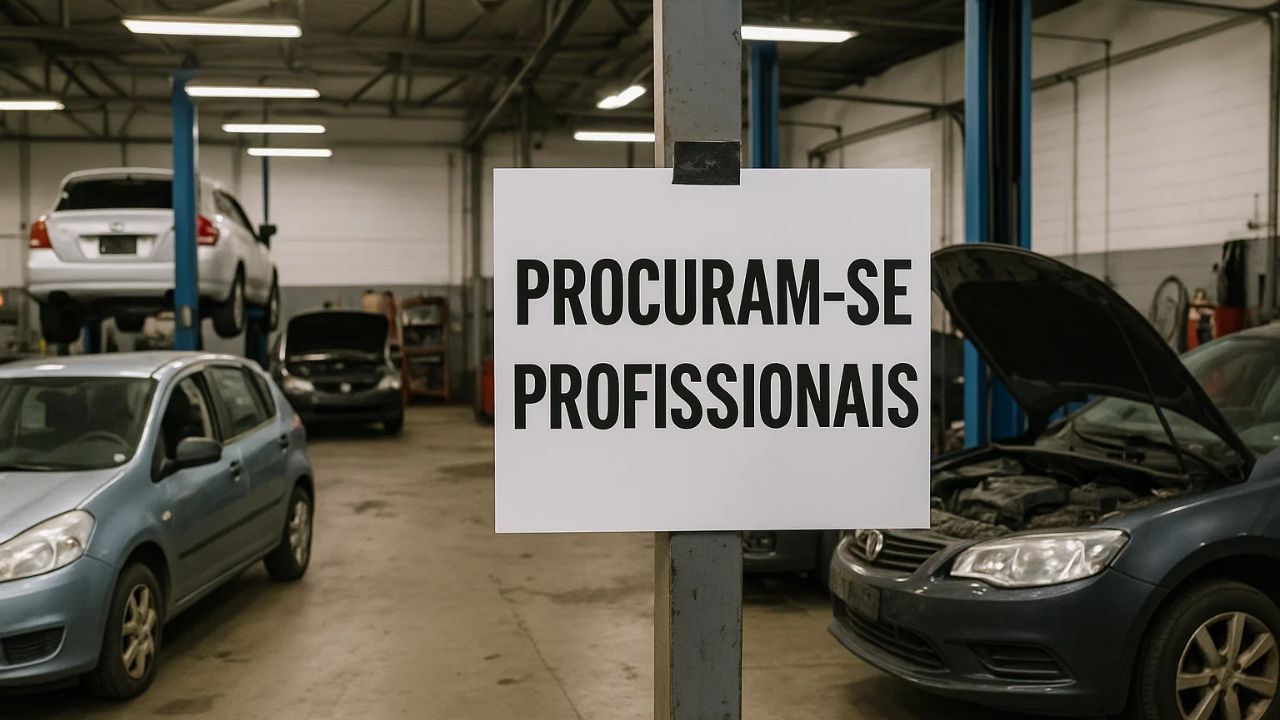


The Lack Of Skilled Labor Challenges Mechanical Shops And Changes The Profile Of The Sector, Research Points Out. See The Main Challenges, Changes In The Sector And The Growing Female Presence.
The lack of qualified labor has become the biggest challenge for mechanical shops in Brazil, according to a survey by Oficina Brasil.
The study, conducted in different regions of the country, revealed that one in three establishments suffers from a lack of specialized professionals, a number nearly four times higher than the second biggest problem in the sector.
This shortage directly impacts the routine of the workshops, which now service an average of 123 vehicles per month, a 52.5% increase compared to 2020.
-
A new law being voted on in Brazil proposes a minimum fare of R$ 10 per trip and R$ 2.50 per kilometer for Uber and 99 drivers, and promises to ensure they earn as well as taxi drivers did during the golden age of taxis in the country.

-
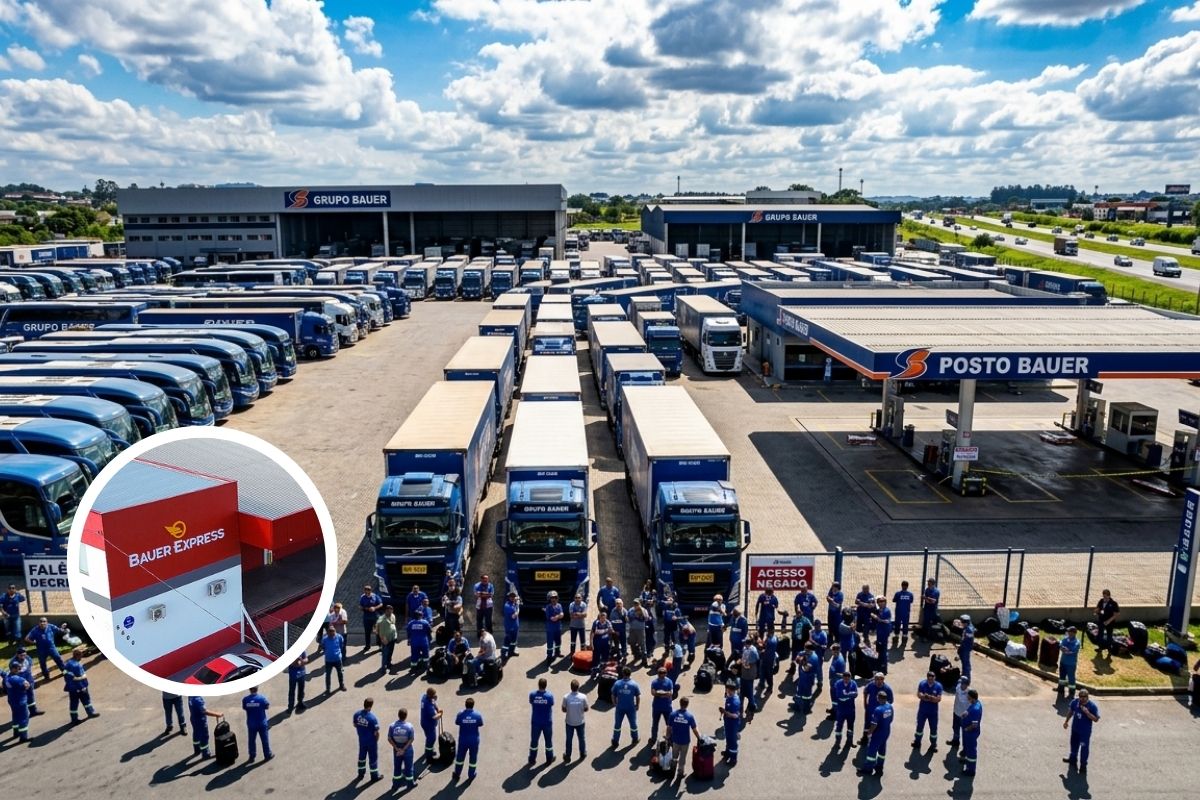
Bauer Group collapses after failed judicial recovery: 25 years, 800 vehicles, and a network of gas stations leave a debt of R$ 50 million and 100 layoffs, exposing costs, tight margins, and expensive credit in Brazil.
-
Premium Brazilian brand born during the pandemic brings fine cocoa from Bahia to Switzerland, Germany, and France, has won 9 awards, and claims to have the 2nd best milk chocolate in the world: meet Luz Cacau.

-
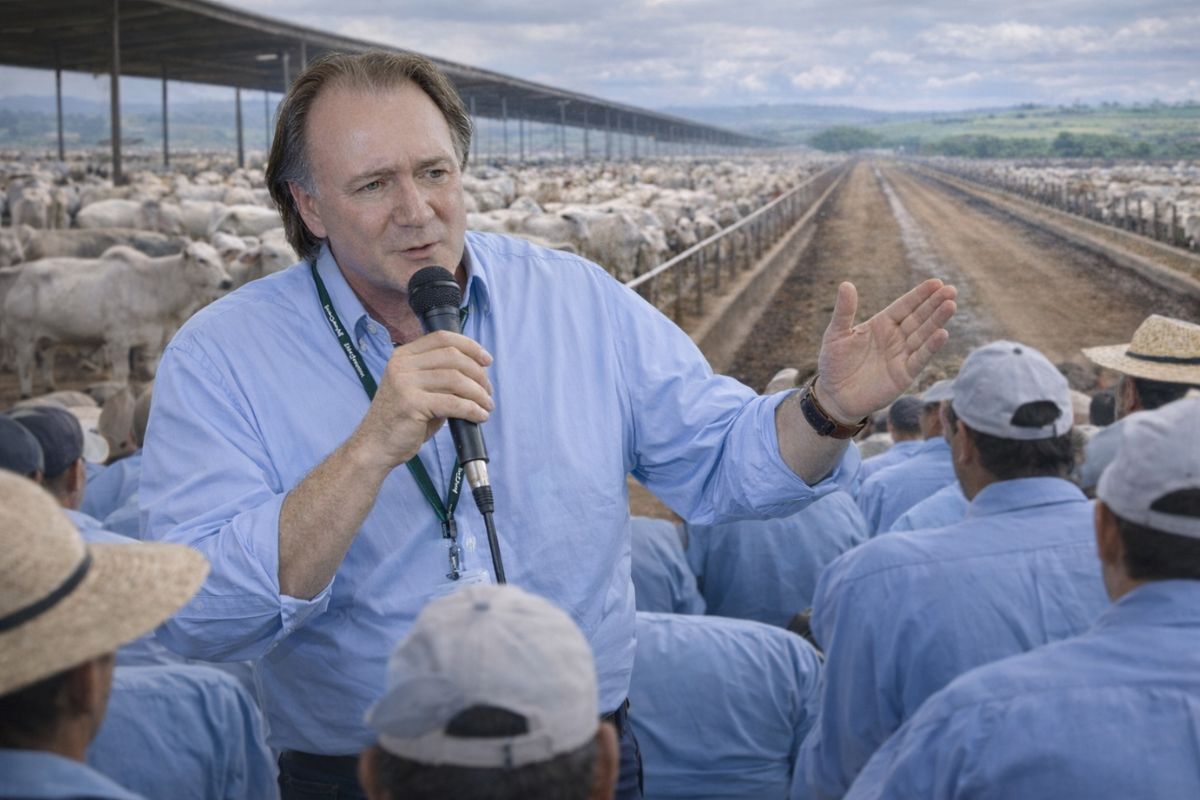
Júnior Friboi has just purchased one of the largest feedlots in all of Brazil, located in Goiás, with the capacity to produce 180,000 cattle per year, and the manager has already come forward to reassure employees about layoffs.

The scenario explains why this issue worries entrepreneurs and professionals: without enough technicians, overwork is inevitable and can compromise service quality.
Lack Of Skilled Labor: Main Demands Of The Automotive Sector
According to the research, the lack of qualified labor (33%) clearly leads the list of challenges faced.
Following this are points such as: meeting customer expectations (8.3%), delays in parts delivery (7.4%), and difficulty in attracting new customers (7.1%).
Other recurring problems were also mentioned, such as lack of parts (6%), high prices (5.4%), and even the quality of supplies (4%).
These data show that, although the lack of professionals is the biggest concern, the sector still faces various obstacles in daily management.
How Mechanical Shops Handle Changes In Consumption
The survey also pointed out transformations in the process of purchasing parts.
Today, 72.3% of purchases are made through digital channels, such as WhatsApp or phone, while only 7% occur directly at the counter.
Another interesting fact is that the repairers themselves have started to make purchases in 56.8% of cases, reducing the shop owner’s dependence.
Moreover, the sector moves approximately R$ 67.6 thousand in parts monthly, with an average ticket of R$ 550 per service. This highlights the financial weight that the segment represents in the automotive market.
Growth Of Female Participation In Shops
Another highlight of the research is the significant increase in the female presence in mechanical shops.
Since 2019, there has been a growth of 230% in the number of female repairers, which now represents 16.5% of the sector.
Among younger professionals, the numbers are even more striking: 43% of women are under 24 years old and 37% are under 29 years old.
Additionally, 68% of them already hold management positions, demonstrating that the change is not only quantitative but also qualitative.
Future Of Mechanical Shops In Light Of The Skilled Labor Shortage
The data from the research makes it clear that the lack of skilled labor will continue to be a central challenge for mechanical shops in the coming years.
However, the growth of digitization, combined with greater diversity in the sector, may open new opportunities for companies that know how to adapt.
In the meantime, the pressure for professional qualification remains an urgent agenda, as the sector experiences a time of high demand and transformation in the profile of its workers.









Mão de obra não e valorizada , cliente querendo colocar peças falsificada , exigindo sem ter condições, mecanica hoje e pra quem tem sangue frio
Analisei os comentários feitos por alguns leitores e percebi que não são familiarizados com realidades do segmento de oficinas de reparação. No contexto de os donos pagarem uma miséria para funcionários, tem-se que levar em conta se o funcionário é capacitado, tem conhecimento técnico e cursos e também se dá o respeito como profissional. Na questão ganhos, a complexidade do serviço dentro das tecnologias embarcada nos veículos exige resiliência dos profissionais, o que poucos tem é com isto dificultam os ganhos em todos os sentidos. Fazendo com que o oficio os assuste e não incentive outros jovens abraçar a carreira.
Deixei a mecânica que foi a minha paixão desde criança pois ninguém quer pagar um salário justo pela minha qualificação.
É só pagar salário justo que aparece rapidinho