





 Portuguese
  English
  Spanish
  4 min of reading
  0 comments


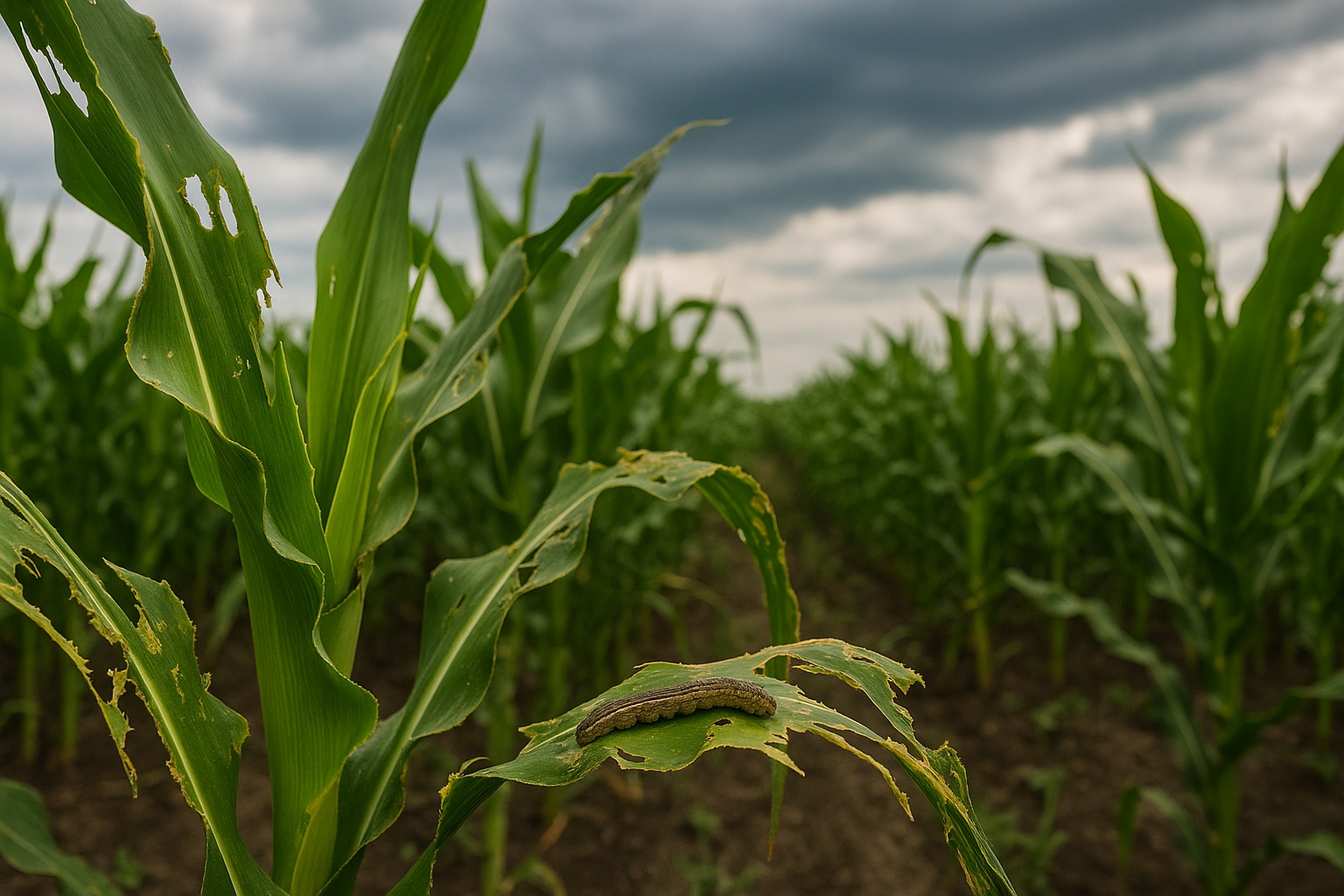
The Corn Leafworm Hits 80% Of Corn Crops And May Cause Historic Damage Of R$ 35 Billion In 2026, Threatening Brazilian Harvest And Exports.
The Brazilian corn, a pillar of agribusiness and the basis for animal feed, ethanol, and exports, may face one of the biggest challenges in its history in 2026. The corn leafworm (Spodoptera frugiperda), considered one of the most devastating pests on the planet, has already been identified in 80% of the crops in the country, according to recent alerts from Embrapa and the National Confederation of Agriculture (CNA). The forecast is dramatic: if there is no effective control, losses may exceed R$ 35 billion, jeopardizing not only domestic supply but also Brazil’s competitiveness in the global market.
What Is The Corn Leafworm And Why Is It So Dangerous
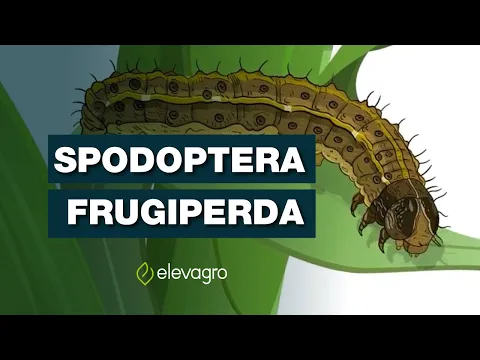

Originating from the Americas, the corn leafworm has perfectly adapted to the Brazilian tropical climate. Its name comes from the habit of hiding in the “leaf sheath” of corn plants, which makes control difficult. It feeds on the leaves and developing ear, drastically reducing productivity.
A single female can lay up to 1,000 eggs, ensuring population explosions in just a few weeks.
-
The eggshell that almost everyone throws away is made up of about 95% calcium carbonate and can help enrich the soil when crushed, slowly releasing nutrients and being reused in home gardens and vegetable patches.

-
This farm in the United States does not use sunlight, does not use soil, and produces 500 times more food per square meter than traditional agriculture: the secret lies in 42,000 LEDs, hydroponics, and a system that recycles even the heat from the lamps.

-
The water that almost everyone throws away after cooking potatoes carries nutrients released during the preparation and can be reused to help in the development of plants when used correctly at the base of gardens and pots, at no additional cost and without changing the routine.

-
The sea water temperature rose from 28 to 34 degrees in Santa Catarina and killed up to 90% of the oysters: producers who planted over 1 million seeds lost practically everything and say that if it happens again, production is doomed to end.


The major issue is its resistance: the pest has developed tolerance to various insecticides and even to transgenic Bt corn varieties, which were previously seen as a definitive solution. This forces producers to spend increasingly on pesticides and integrated control technologies, raising production costs.
A Billion-Dollar Impact On Agriculture
Corn is the second-largest agricultural crop in Brazil, with a planted area exceeding 22 million hectares. It not only guarantees grain exports but also serves as the basis for feeding poultry and swine, sectors that have turned the country into a global powerhouse.
With the threat of the leafworm, experts warn that the 2026 harvest could lose up to 20% of its total production, a blow equivalent to R$ 35 billion in market values.
The cascading effect would be immediate: an increase in the price of chicken and pork, rising costs of corn ethanol production, and pressure on the final consumer.

To give an idea, in states like Mato Grosso and Paraná, the leafworm is already responsible for up to 40% of localized losses in some crops, according to regional surveys.
The Challenge Of Control And The Risk Of Resistance
The management of the corn leafworm is complex. The continuous use of the same active ingredients has led to the creation of resistant populations, rendering some control practices obsolete. Bt corn, which expresses toxic proteins for the pest, has lost efficacy in several regions.
Today, Embrapa’s recommendation is to use Integrated Pest Management (IPM), combining crop rotation, alternating use of insecticides, constant monitoring, and the release of natural enemies, such as wasps and entomopathogenic fungi. But in practice, large-scale application still faces bottlenecks, especially among small and medium producers who do not have access to more expensive technologies.
A Problem That Does Not Stop In The Fields
The threat of the leafworm goes beyond corn. In off-seasons, the pest migrates to other crops, such as soybeans, cotton, and rice, expanding the reach of the damage. This increases pressure on agricultural pesticides and poses a risk of even greater ecological imbalances.
Additionally, there are social impacts: in areas highly dependent on corn production, such as Western Bahia and Northern Mato Grosso, significant losses may reduce the income of family farmers, compromise cooperatives, and affect export programs that sustain local economies.
Embrapa Researchers Assert That The Corn Leafworm Should Be Treated As A Permanent Pest, Not As A Seasonal Occurrence
Embrapa researchers assert that the corn leafworm should be treated as a permanent pest, not as a seasonal occurrence. This requires coordinated public policies, investment in genetic and biotechnological research, and long-term strategies to reduce dependence on chemicals.
If nothing is done, Brazil risks experiencing an unprecedented crisis in the corn sector in 2026 — with direct repercussions on inflation, exports, and the country’s image as an agricultural powerhouse. The enemy is small, but its power of destruction is colossal.
The battle against the corn leafworm can become a turning point. If the country can implement an efficient management model, it could consolidate its position as a global leader in corn, ensuring stability for a strategic sector. But if it fails, the 2026 harvest may go down in history as the year when a silent pest exposed the vulnerabilities of the world’s largest tropical agricultural power.
The war is declared — and the future of Brazilian corn depends on the response that will be given now.










Seja o primeiro a reagir!