





 Portuguese
  English
  Spanish
  3 min of reading
  0 comments


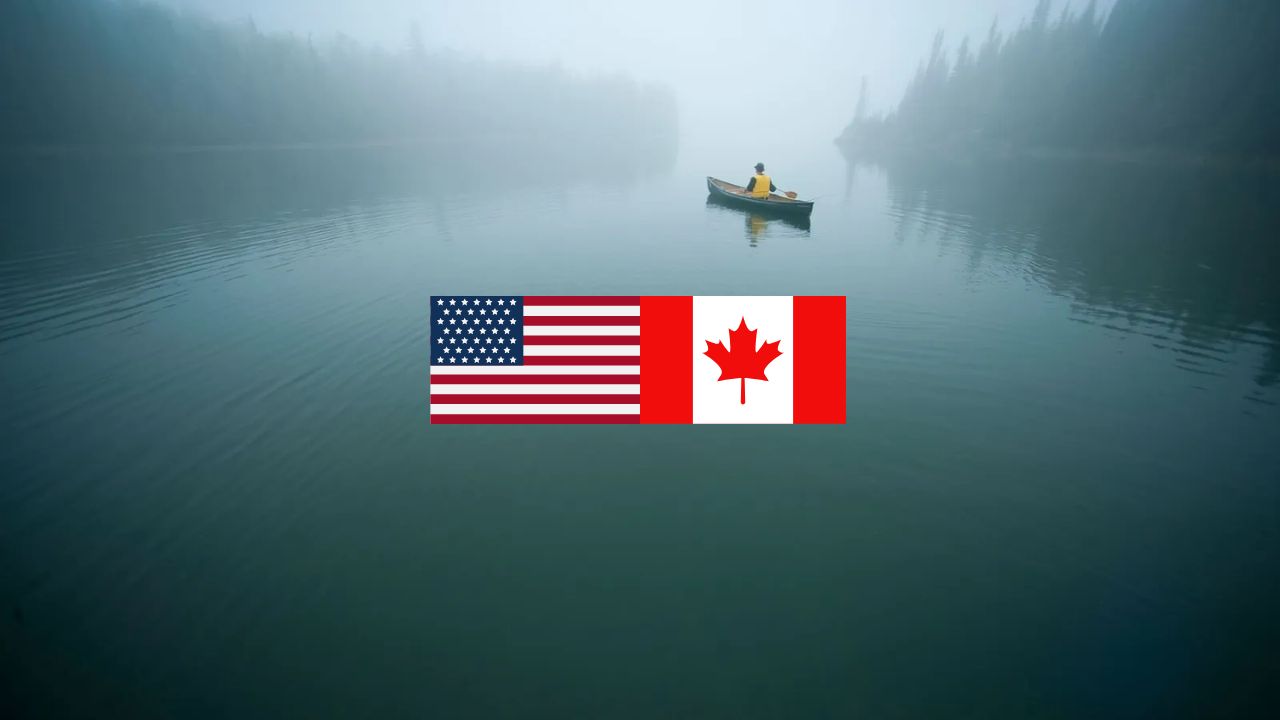
Discover Why Lake Superior Is the Largest Freshwater Lake in the World in Territorial Extension, Its Dimensions, Geological Origin and How It Changes Throughout the Seasons.
The Lake Superior, located between the United States and Canada, does not draw attention only for being the largest freshwater lake in the world in territorial extension, but for the way it dominates the landscape and redefines the environment around it.
Instead of a static scene, it behaves like a living organism, changing radically throughout the year.
Its extremely clean and clear waters support different aquatic species and, at the same time, offer numerous possibilities for human use, varying with the season.
-
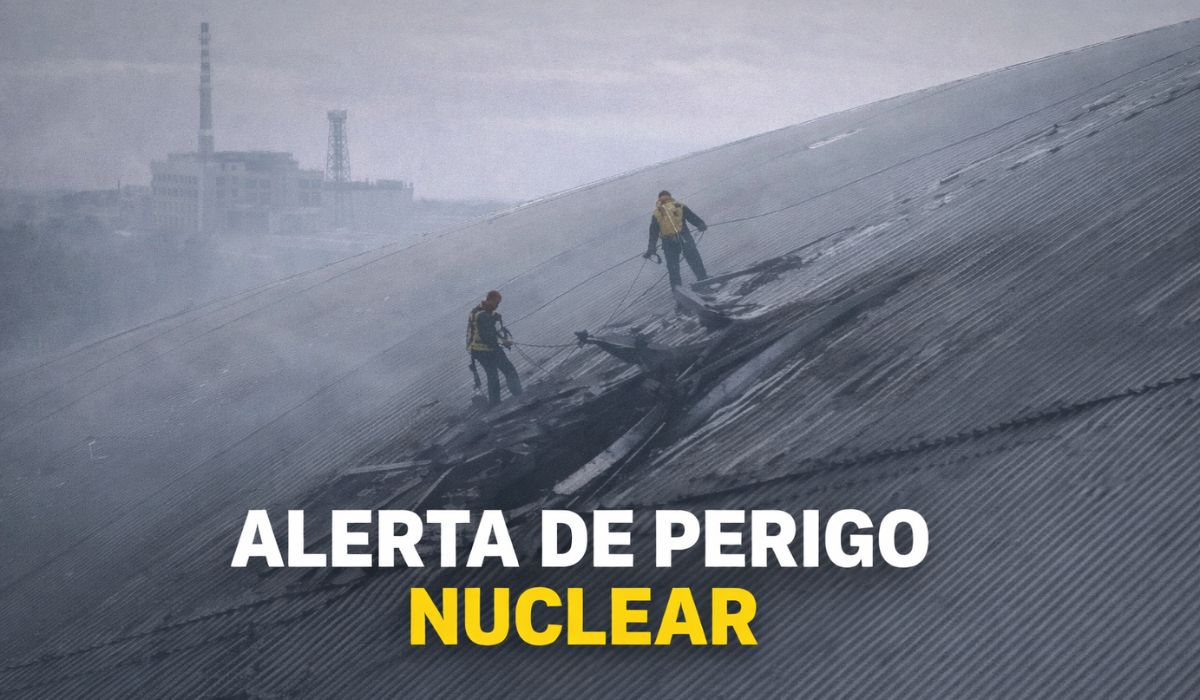
The gigantic steel shell built to contain Chernobyl for a century has been pierced by a drone, exposing a critical system and creating a hole that could cost over 500 million euros to repair.
-
Brazilian Navy reaches a new level by taking over an airport with a 1,600-meter runway used by 1,800 military personnel and autonomous attack drone testing.

-
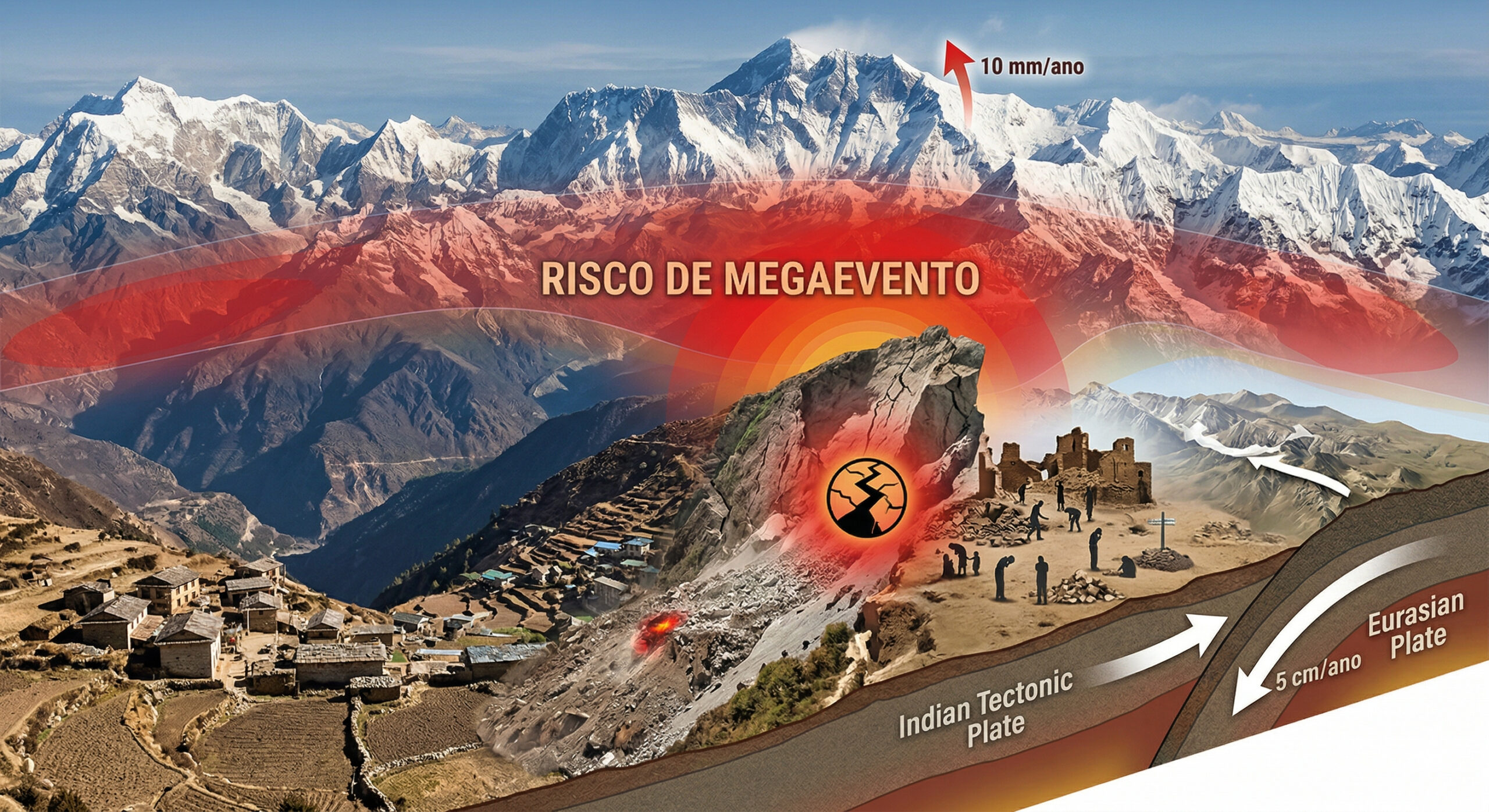
The Himalayas continue to grow to this day, with tectonic plates advancing 5 cm per year, mountains rising up to 10 mm annually, and the 2015 earthquake that killed 9,000 people may have increased the risk of an even larger seismic mega-event.
-
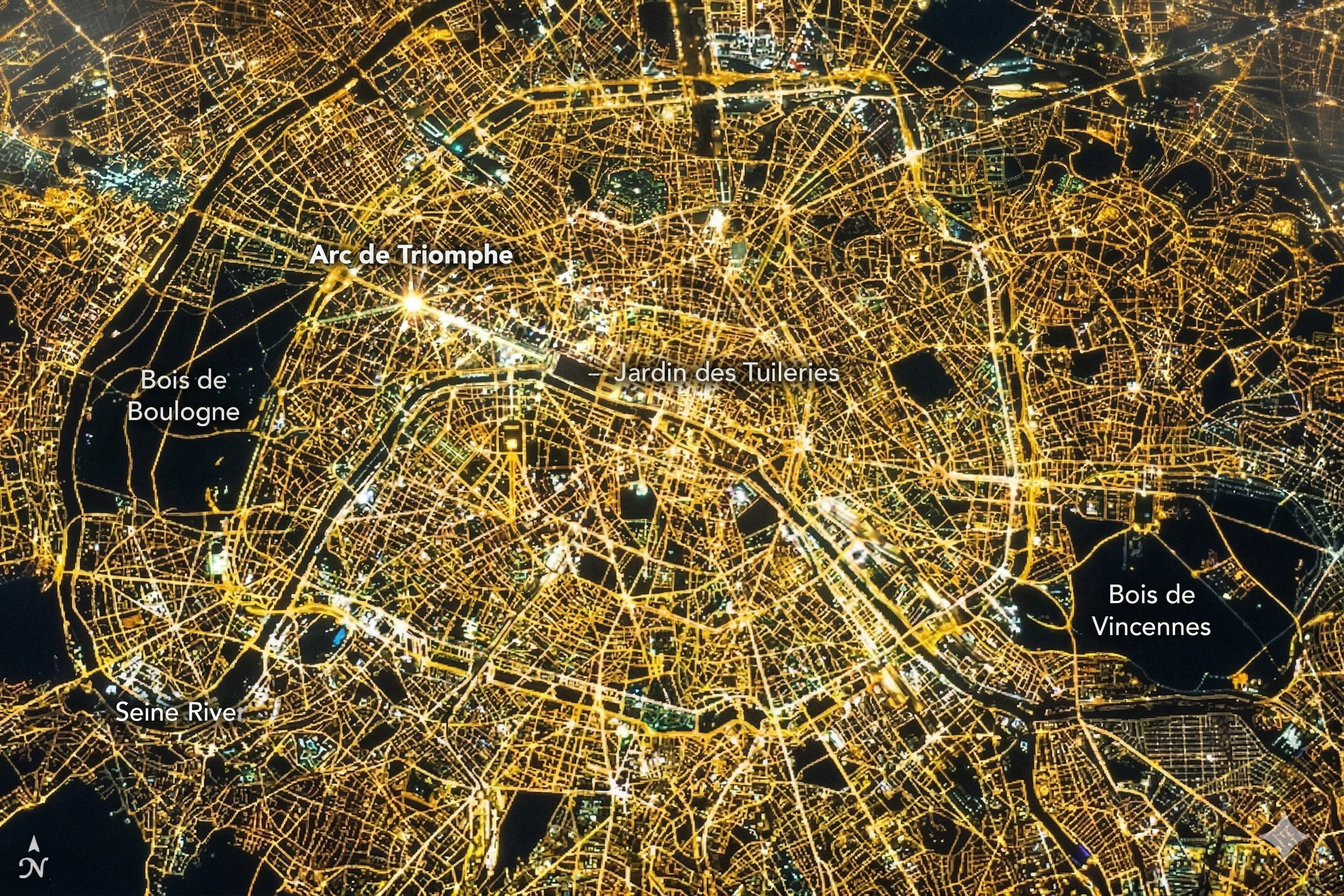
At an altitude of 400 km by astronauts from the International Space Station, Paris transforms at night into a golden mesh so precise that it reveals the outline of the Seine River, avenues, and entire neighborhoods like a luminous map drawn over the Earth.

Thus, the lake is not just a geographical landmark, but a central element of the natural dynamics of the region.
Lake Superior: A Lake That Impresses First by the Numbers
Even before being observed up close, Lake Superior asserts itself through its dimensions.
According to the United States Environmental Protection Agency (EPA), the lake reaches 563 kilometers in length and 257 kilometers in width.
This combination results in an area of over 82 thousand square kilometers, capable of storing approximately 12,100 cubic kilometers of water.
It is precisely this extent that grants the lake the title of largest freshwater lake in the world in territorial extension, surpassing other bodies of freshwater when the criterion is surface area.
Winter Transforms Water into Solid Territory
When temperatures drop, Lake Superior takes on a completely different role.
During the winter, between 40% and 95% of its surface freezes, creating an unusual landscape for a lake of this scale.

During this period, cities around begin to attract visitors interested in ice activities.
Bayfield stands out as one of the most recommended destinations, serving as a base for frozen trails, mountain biking, and cross-country skiing.
Depending on the ice formation, a rare phenomenon occurs: the freezing of the so-called “sea caves.”
Summer Returns Movement to the Shores of the Lake
With the end of winter, Lake Superior changes its personality once again.
The trails around the bay become accessible, and contact with the water takes center stage, with activities such as ferry rides and Stand Up Paddle.
Still, the lake maintains one of its most striking characteristics.
Even in the warmest months, the water temperature remains low, averaging only 12 °C, reinforcing the contrast between the external climate and the aquatic environment.
A Story Shaped by Ancient Geological Forces
The origin of Lake Superior dates back to events that occurred over 1.2 billion years ago.
Scientists explain that a natural phenomenon caused a major rupture in the North American territory, leaving a scar that extended from Kansas to Minnesota.
Over time, this region underwent natural transformations that shaped the lake.
Even with limited human occupation, the area gained strategic importance, becoming a reference for navigation and energy production.
A Shared Natural Heritage
Today, Lake Superior does not belong solely to the geography of the United States or Canada.
It acts as a connecting element between the two countries, influencing the climate, the landscape, and how people relate to the natural environment.

By bringing together gigantic dimensions, crystal-clear waters, and extreme seasonal changes, the largest freshwater lake in the world in territorial extension reaffirms its uniqueness.








-

-

-

-

-

10 pessoas reagiram a isso.