





 Portuguese
  English
  Spanish
  5 min of reading
  0 comments


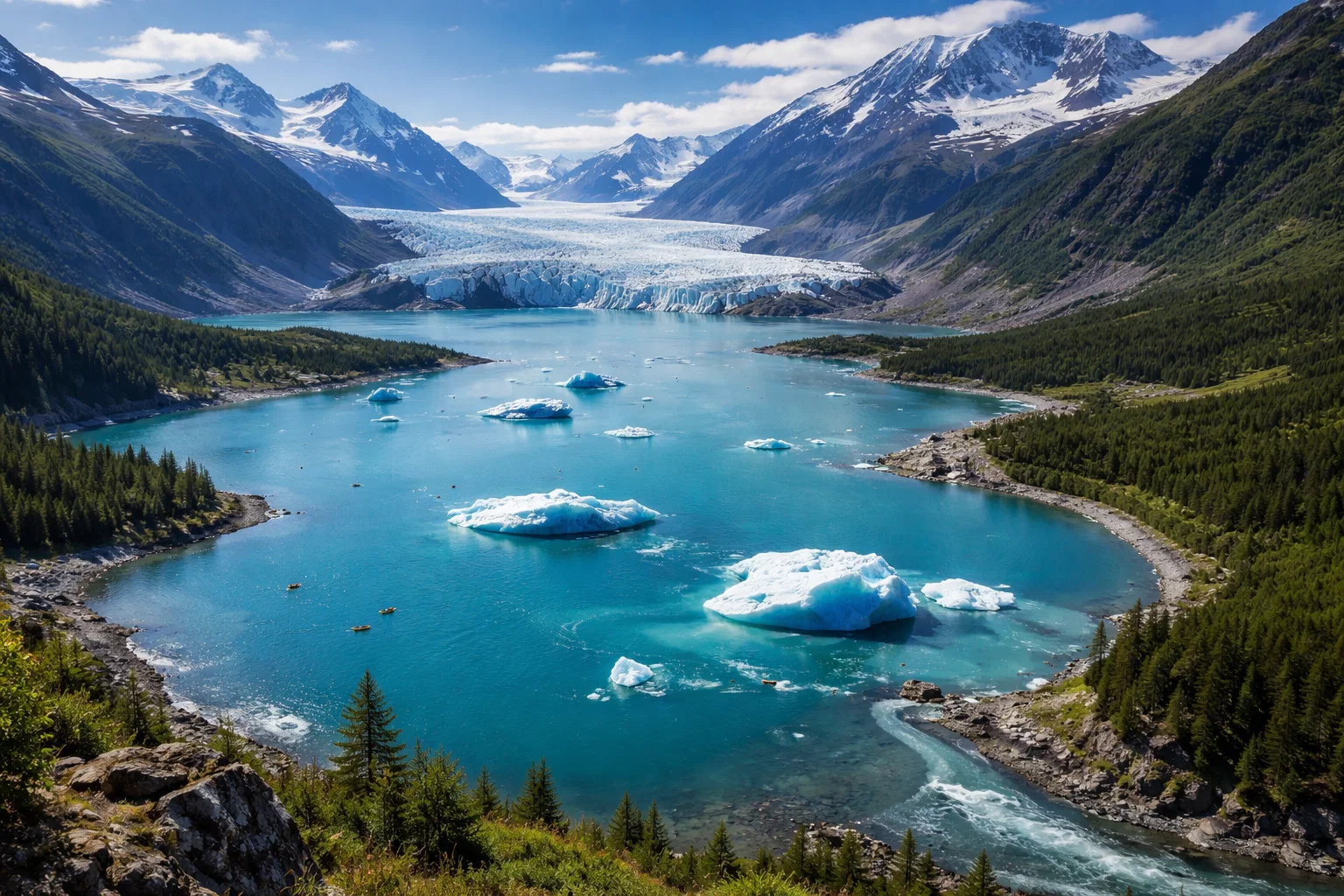
Accelerated Melting in the Alaska Mountains Is Creating Hundreds of New Giant Glacial Lakes That Could Quadruple in Size in the Coming Decades and Alter Rivers, Salmon Habitats, and Even the Course of a Large River System
Something unexpected is happening in the mountains of southeast Alaska. Where there was once only solid ice and exposed rock, enormous lakes of milky blue water are beginning to appear and grow at a speed that surprises scientists.
These natural reservoirs are emerging as giant glaciers retreat and leave deep troughs in the terrain, carved over thousands of years. Now these spaces are being filled with meltwater.
The result is a phenomenon that could completely reshape the landscape of one of the coldest regions on the planet. And the impact goes far beyond local geography.
-
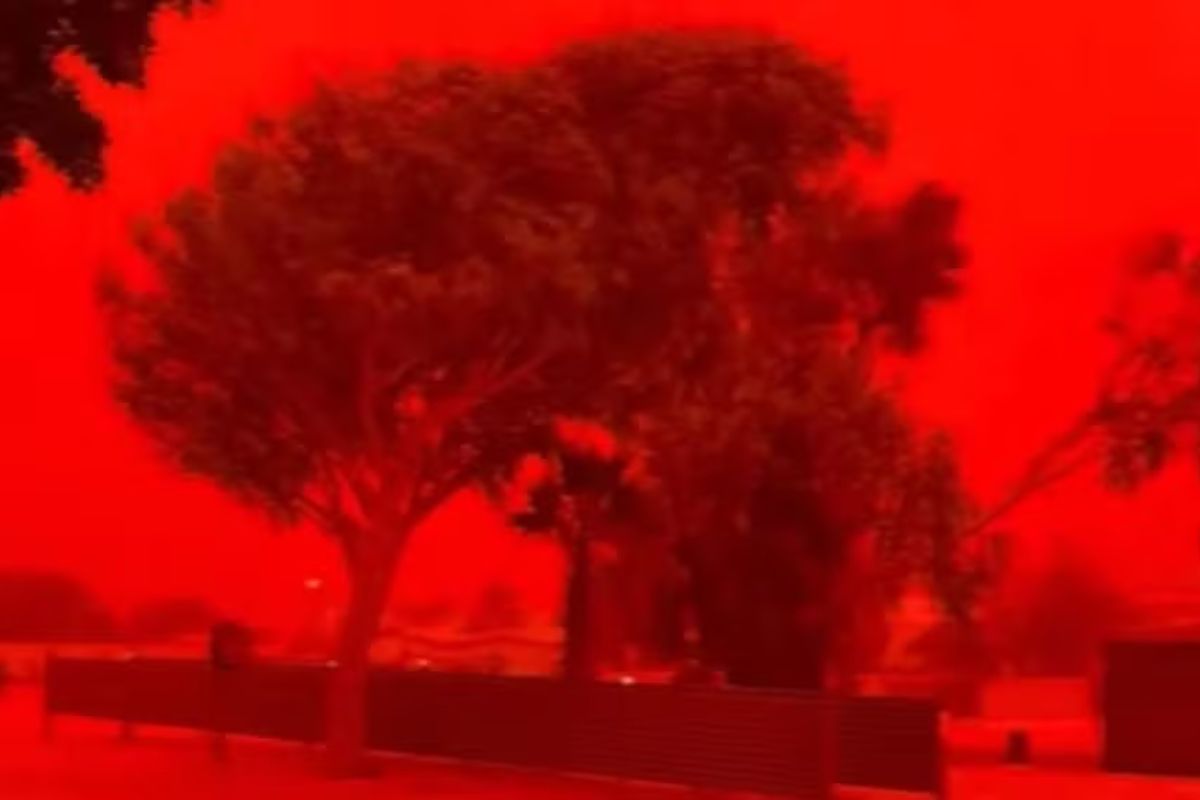
Residents of Australia woke up to a sky completely red like blood before the arrival of Cyclone Narelle, which hit the coast with winds of 250 km/h, tearing off roofs and lifting iron dust in a scene they described as apocalyptic.
-
New 100% clean fuel produced in Brazil could retire diesel.

-
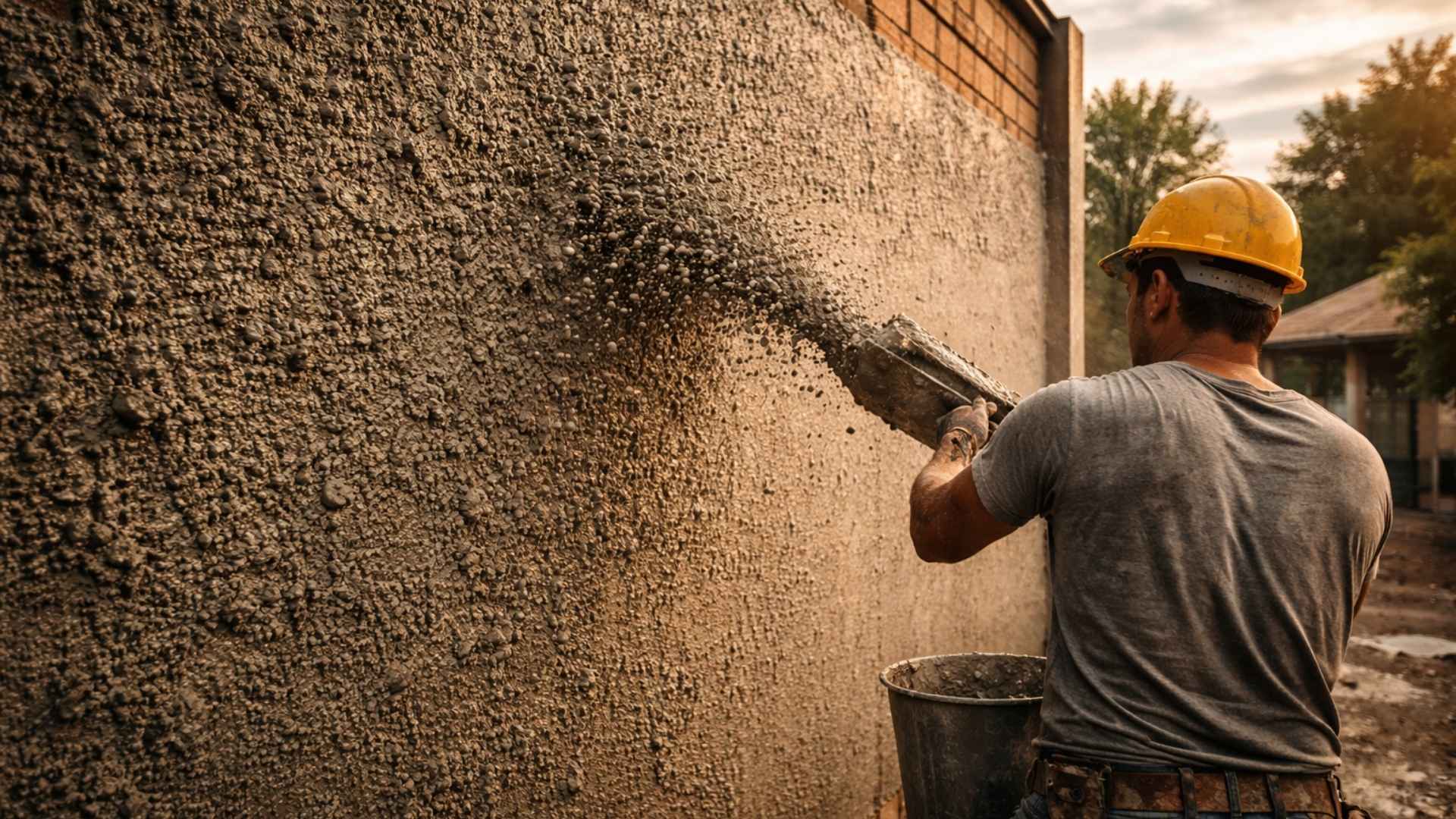
Plastered walls become a trend and end up being the perfect choice for finishing; the secret of the 2 coats that prevent waste in painting.
-
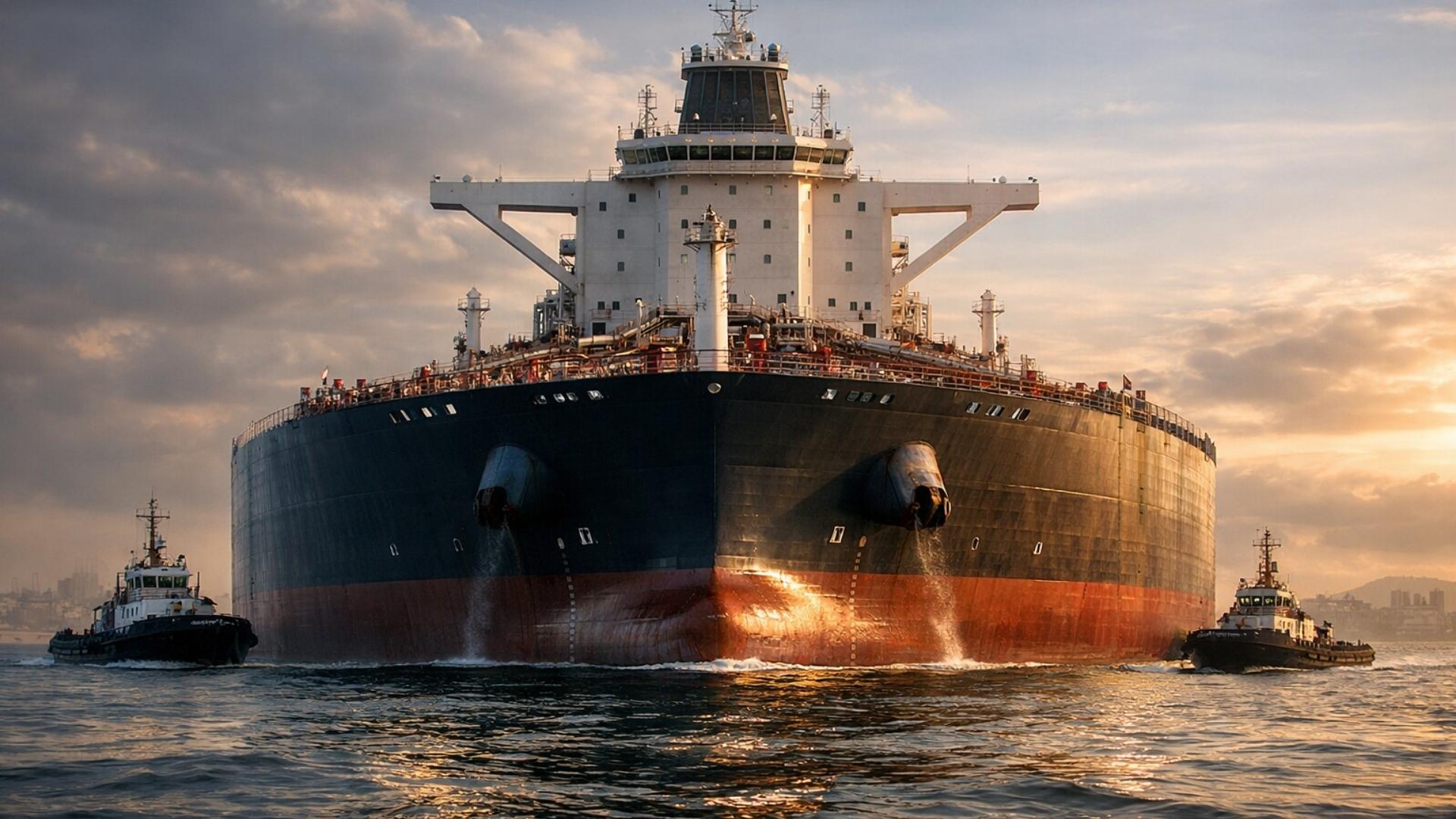
With 333 meters and equivalent to a 20-story building: China launches a supertanker that transports 2 million barrels, has 540,000 m² of area, and saves $5 million per year.

Experts believe these lakes could reach an impressive scale in the coming decades.
The Accelerated Retreat of Ice in the St. Elias Mountains Is Creating a Lake System That Could Reach an Area Comparable to a Small U.S. State
Along the coast between Alaska and Canada, the St. Elias Mountains hide more than a hundred lakes formed by direct contact between ice and water.
These giant lakes have already grown by about 60 percent since 1986. Today they occupy approximately 1,300 square kilometers.
The number alone is impressive. But projections indicate something even larger.
According to experts, these natural reservoirs could expand to cover about 5,500 square kilometers. To visualize the scale, it would be an area similar to the territory of the U.S. state of Delaware.
The reason for this growth lies in the behavior of water itself.
Lakes absorb heat from the sun more easily than surfaces covered in ice. When a glacier ends in a lake, melting tends to accelerate.
The result is a continuous cycle: more ice melts, the lake grows, and the larger lake accelerates melting even further.
The Geological Secret Hidden Beneath the Ice Reveals Thousands of Kilometers of Valleys Carved by Ancient Glaciers
To understand how far this process can go, researchers analyzed satellite images combined with estimates of ice thickness.
The goal was to identify geological structures hidden beneath the current glaciers.
What appeared in the analyses surprised even experienced specialists.
Under the ice, there are about 4,200 square kilometers of deep troughs, carved by ancient glaciers over glacial eras. These natural corridors function like true basins ready to receive water.
As the ice continues to retreat, these cavities begin to transform into new lakes.
This process explains why many scientists believe that much of these natural reservoirs will be fully formed by the end of this century.
The Expansion of Lakes Is Changing the Natural Engineering of Rivers and Opening New Habitats for Salmons
The growth of these lakes does not merely alter the map of the region. It also changes the behavior of rivers.
When a glacier ends directly on solid ground, meltwater often carries large amounts of sediment. This creates unstable rocky plains and channels that constantly change direction.
These conditions are challenging for many fish species.
The presence of lakes completely changes this scenario.
Water remains in the lake for some time before flowing to the rivers. During this period, sediments settle on the bottom and the water temperature rises several degrees.
This detail alters the entire dynamics of the river system.
More stable rivers allow vegetation to grow along the banks and create more favorable environments for various species of salmon, one of the region’s most important natural resources.
Estimates suggest that by the end of the century, up to 6,000 kilometers of rivers in southeast Alaska could transform into suitable habitats for some species of this fish.
The Growth of Lakes Also Brings Unexpected Risks, Sudden Floods, and Changes in the Course of Entire Rivers
Not everything about this phenomenon represents ecological benefits.
The increase of these natural reservoirs can provoke abrupt changes to the landscape.
In some cases, giant lakes dammed by ice release large volumes of water all at once. These sudden discharges cause rapid and dangerous floods.
Residents of Juneau face this problem. At least once a year, a lake dammed by the Mendenhall Glacier releases water abruptly, causing floods that sweep through urban areas.
Some homes have had to build protective barriers to contain the water.
There is also another possible effect.
The retreat of two glaciers could allow neighboring lakes to connect. When this happens, the flow of water may open a new path to the ocean.
Experts believe that this process could alter the course of the Alsek River, one of the major river systems in the region.
The Advancement of These New Giant Lakes Reveals a Planet in Transformation and a Phenomenon That Could Redefine Entire Landscapes in the Coming Decades
The accelerated growth of these natural reservoirs shows a scenario of deep transformation in the glacial regions of the planet.
Landscapes once dominated by permanent ice are beginning to give way to networks of lakes, more stable rivers, and new ecosystems.
At the same time, this process brings natural risks and rapid changes that could affect nearby cities.
For scientists, understanding where these lakes will emerge is essential to predict how rivers, habitats, and even waterways may change in the future.
Alaska has become a natural laboratory for this transformation.
And what is happening there could foreshadow changes that other glacial regions around the world will also soon face.
What do you think about these giant changes happening in the Arctic? Do you believe the growth of these lakes could bring more environmental benefits or more risks to local communities? Share your thoughts in the comments.





-

-

2 pessoas reagiram a isso.