





 English
  Francês
  Alemão
  Italiano
  Japonês
  Norueguês
  Portuguese
  Spanish
 3 min of reading


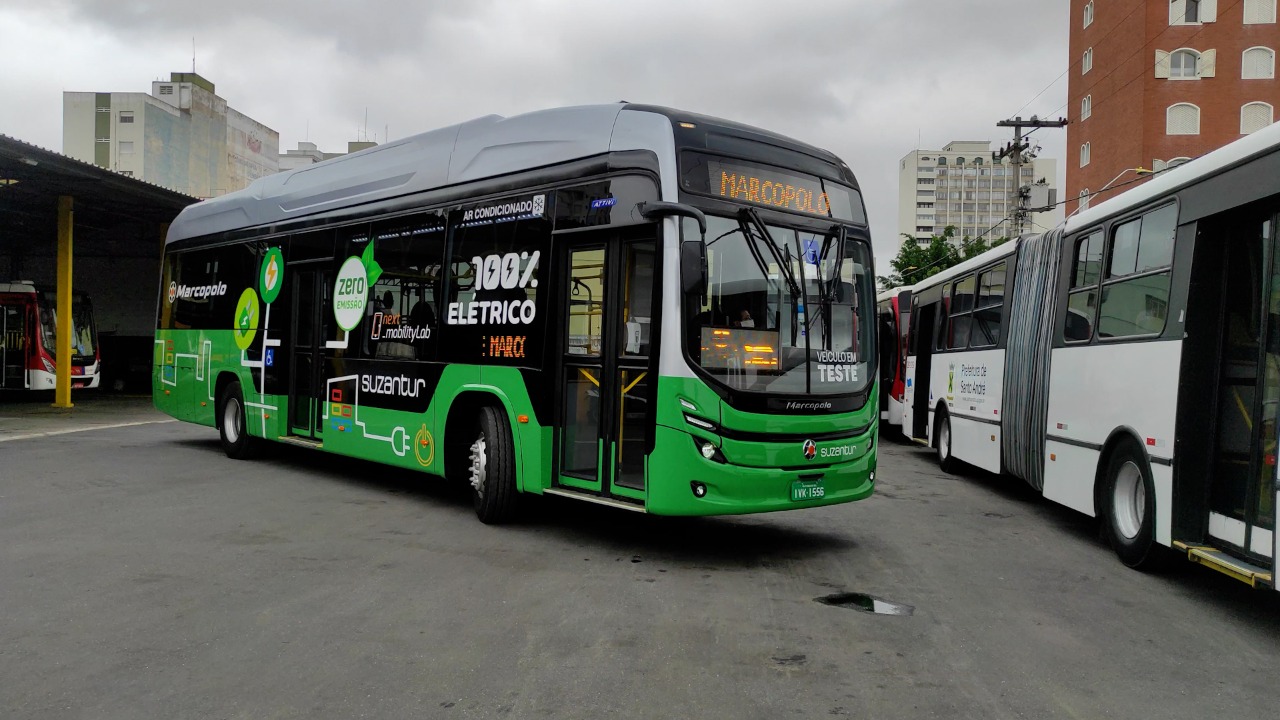
Marcopolo Unveils Electric Bus Launch, the Attivi, at Lat.Bus 2022 in August. Now, the World’s Third Largest Bus Manufacturer Announces an International Partnership to Support the Launch of Its Zero-Emission Buses.
According to a statement released by Marcopolo this week, the partnership will be with Zenobē, which will provide the electric bus launch with an energy efficiency management platform for Marcopolo’s electric Attivi buses in Brazil, Latin America, and North America starting in 2023.
Meet the Company Behind the Launch of the Electric Bus
Zenobē is an international company focused on electric vehicle fleets and battery energy storage, headquartered in the United Kingdom with operations in Australia, New Zealand, Europe, and the United States. Marcopolo’s goal is to leverage Zenobē’s expertise and enhance its global experience in fleet electrification and smart charging software to develop electric vehicle solutions for public transport with the launch of the electric bus.
This includes testing different charging solutions and finding the best battery efficiency to support the launch of Marcopolo’s new 100% electric bus, the Attivi.
-
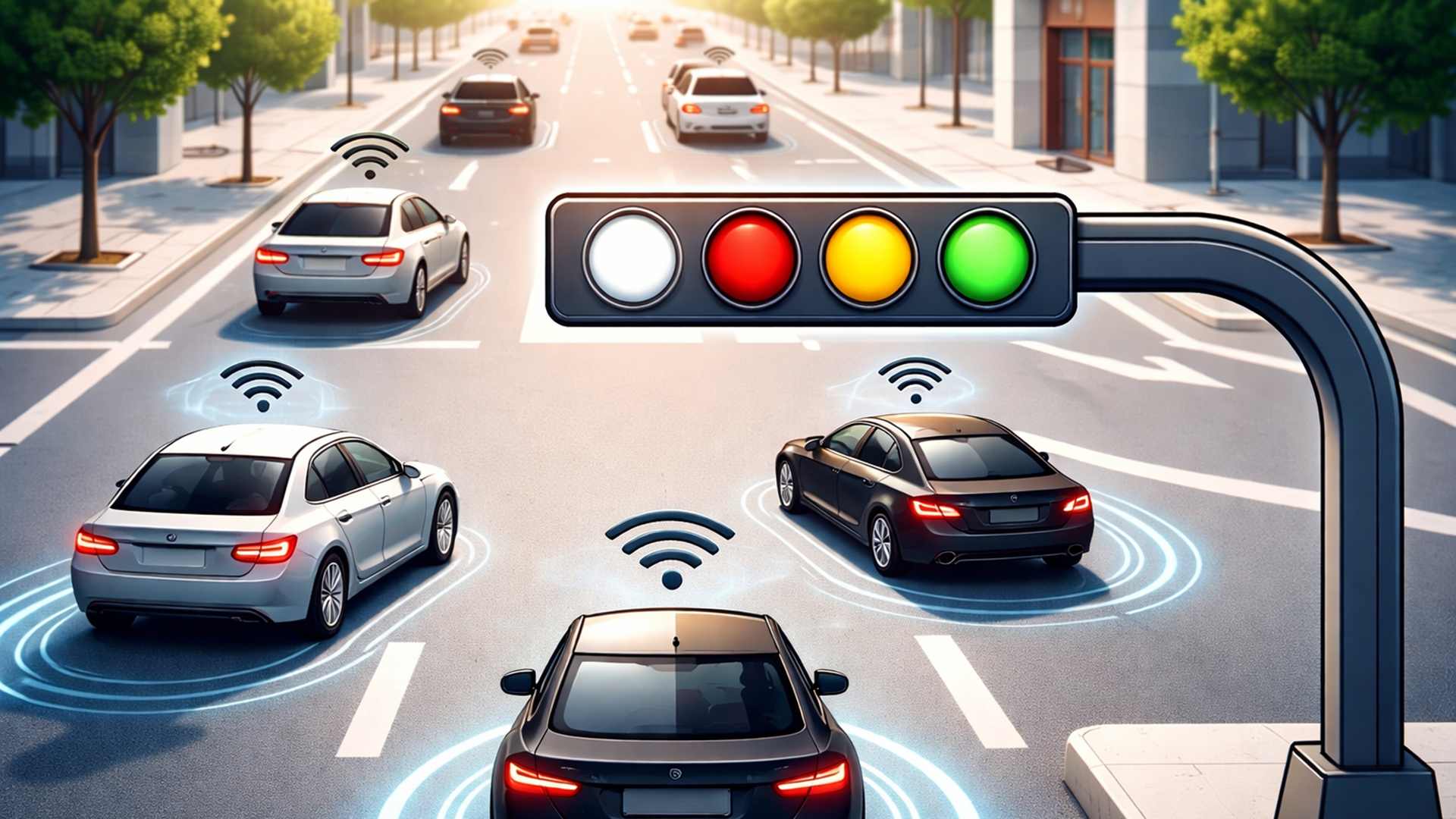
Engineers propose a fourth traffic light for intersections – the change promises to affect crossings, queues, and waiting times.
-
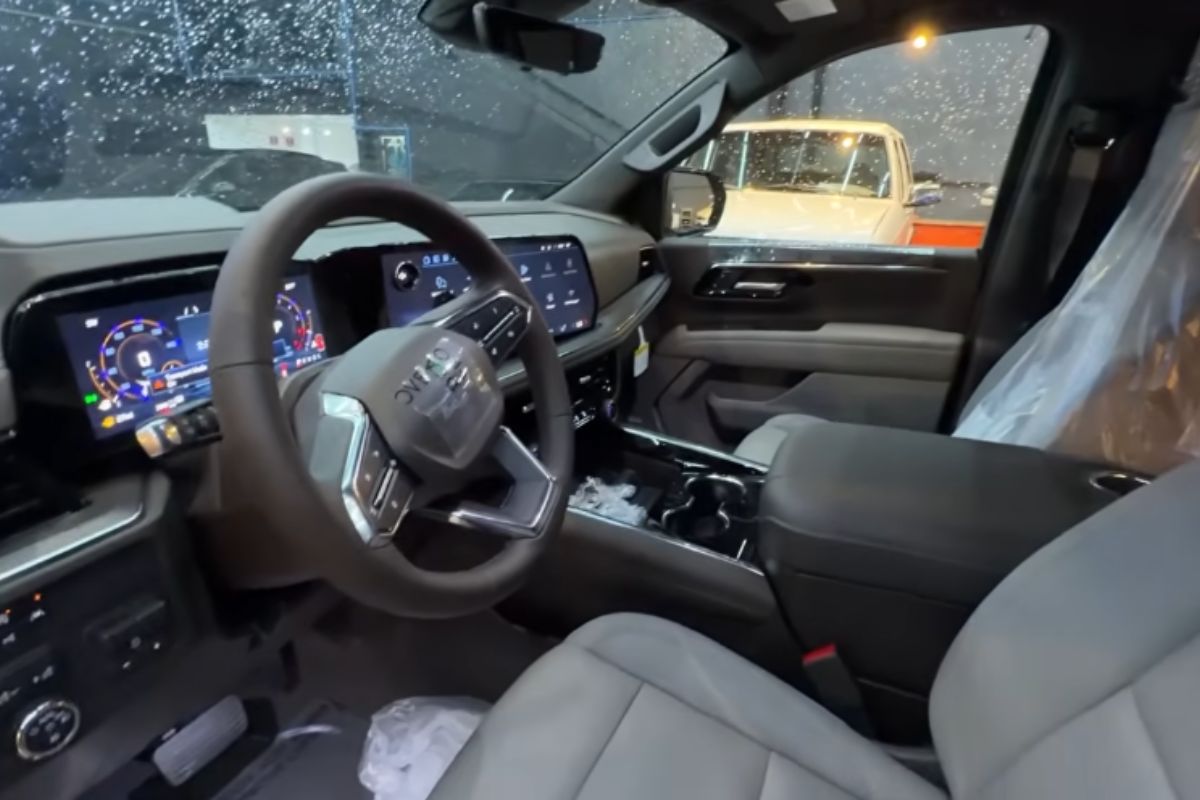
Chevrolet Suburban Z71 lands in Brazil with a V8 engine, off-road design, air suspension, seven seats, and colossal size, a rare version imported for around R$ 1.3 million with luxury and exclusivity.
-
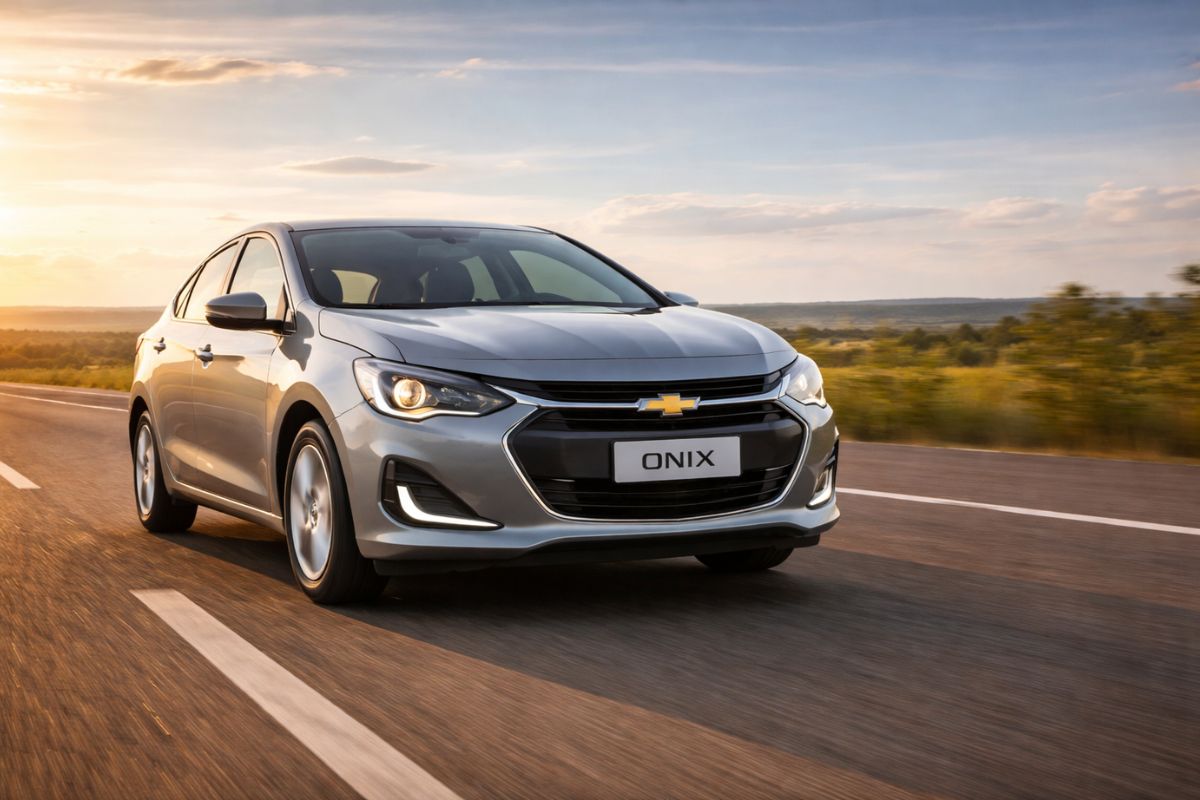
The Chevrolet Onix 1.0 turbo achieves 17.7 km per liter on the highway and ranks among the three most economical cars in Brazil in 2026, alongside two more expensive Toyota hybrids available at dealerships.
-
Little sister of the Hilux: Toyota launches Land Cruiser FJ with 4 radical versions, 2.7 engine with 166 hp and 4×4 traction with locking.

The partnership aims to support Marcopolo’s Energy Transition project, which provides service plans, after-sales services, and spare parts for developing comprehensive solutions for sustainable urban mobility, including charging systems and battery maintenance.
Finally, sustainable mobility is part of the company’s ESG strategy, which already has more than 350 electric and hybrid buses operating on partner chassis in countries like Argentina, Colombia, Australia, and India, in addition to Brazil.
What Are Electric Buses?
Electric buses are powered by electric motors. They are powered by batteries installed beneath the floor or on the roof, depending on the configuration. Key highlights include zero emissions, quieter operation, and better acceleration compared to conventional buses that run on diesel and emit pollutants and particulates into the air. Unlike trolleybuses, electric buses eliminate the infrastructure needed for a constant connection to the grid. They also have greater freedom of movement, which is very important for urban traffic.
Electric buses feature regenerative braking. That is, they recover energy from the batteries when the brakes are applied. The average energy consumption ranges from 1.04 to 1.59 KWh/km, which translates to a cost of about R$ 0.50 per kilometer traveled. In a diesel bus, the cost per kilometer is five times higher: R$ 2.50.
In Brazil, most electric buses have chassis, propulsion systems, and batteries produced by BYD, a Chinese company with a factory in Campinas (SP). The bodies are supplied by several manufacturers, including Caio, Marcopolo, Comil, among others.
Meet Marcopolo
Marcopolo S.A. is a Brazilian multinational company that manufactures bus bodies, headquartered in Caxias do Sul, in the state of Rio Grande do Sul, Brazil.
Responsible for nearly half of national production, it is the largest bus body manufacturer in Latin America and the third largest in the world.
It has 10 factories spread across the globe, and its buses are present in more than 100 countries. It operates factories on the American, African, and Asian continents.






Seja o primeiro a reagir!