Portuguese
  Spanish


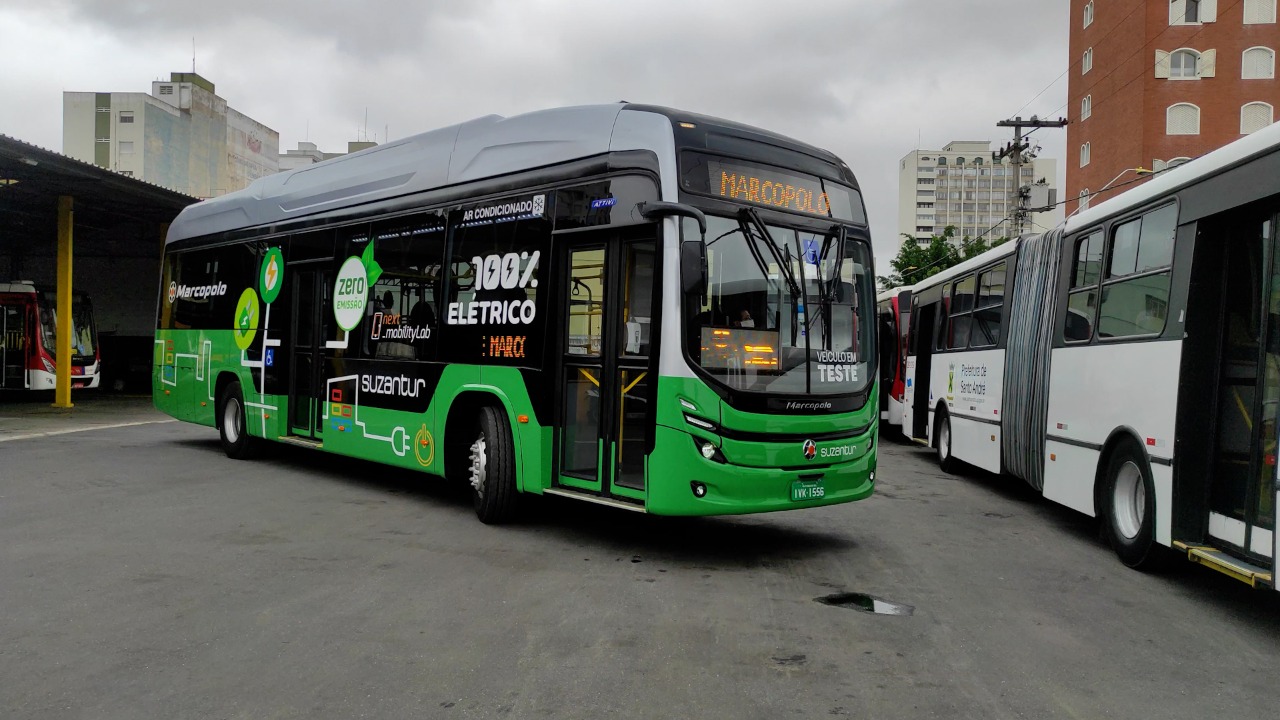

Marcopolo Unveils Electric Bus Launch, the Attivi, at Lat.Bus 2022 in August. Now, the World’s Third Largest Bus Manufacturer Announces an International Partnership to Support the Launch of Its Zero-Emission Buses.
According to a statement released by Marcopolo this week, the partnership will be with Zenobē, which will provide the electric bus launch with an energy efficiency management platform for Marcopolo’s electric Attivi buses in Brazil, Latin America, and North America starting in 2023.
Meet the Company Behind the Launch of the Electric Bus
Zenobē is an international company focused on electric vehicle fleets and battery energy storage, headquartered in the United Kingdom with operations in Australia, New Zealand, Europe, and the United States. Marcopolo’s goal is to leverage Zenobē’s expertise and enhance its global experience in fleet electrification and smart charging software to develop electric vehicle solutions for public transport with the launch of the electric bus.
This includes testing different charging solutions and finding the best battery efficiency to support the launch of Marcopolo’s new 100% electric bus, the Attivi.
-
End of an era in Brazil: beloved sedan by Brazilians is discontinued despite having a 2.0 engine with 151 hp, CVT transmission, 466-liter trunk, and up to 650 km of range.

-
New Law Proposal in Brazil Could Heavily Penalize Drivers: Dangerous Overtaking May Become a Serious Offense with Fines Increased Tenfold and a 12-Month License Suspension; Update on 2026 Progress

-
Electric Revolution: Watts W125 Motorcycle Offers 160 km Range, 90 km/h Speed, and Affordable Price Starting at $3,000
-
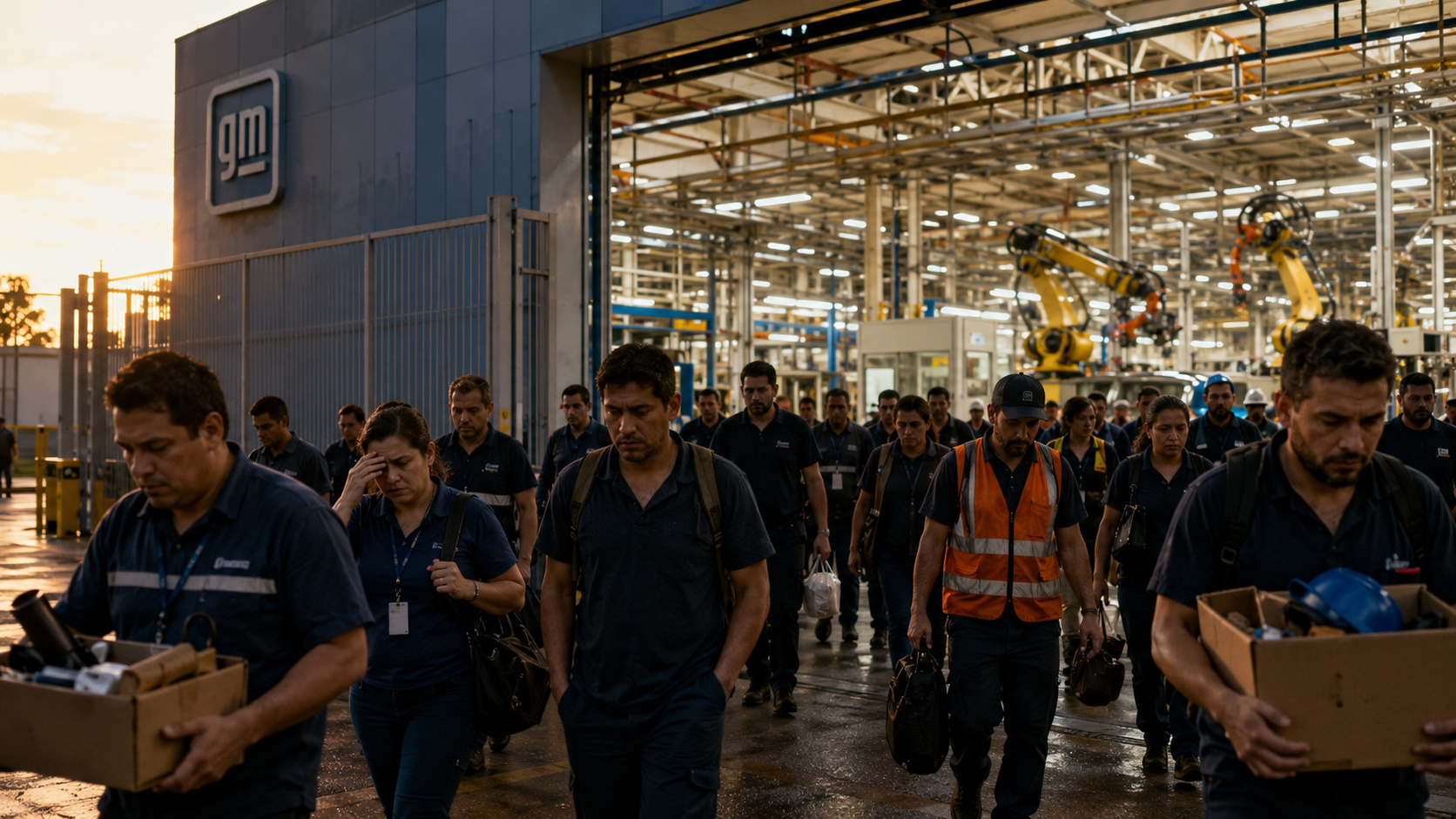
General Motors Replaces Over a Thousand Workers with 50 Cobots at Electric Vehicle Plant, UAW Union Criticizes Move Amid Industry’s Automation Push


The partnership aims to support Marcopolo’s Energy Transition project, which provides service plans, after-sales services, and spare parts for developing comprehensive solutions for sustainable urban mobility, including charging systems and battery maintenance.
Finally, sustainable mobility is part of the company’s ESG strategy, which already has more than 350 electric and hybrid buses operating on partner chassis in countries like Argentina, Colombia, Australia, and India, in addition to Brazil.
What Are Electric Buses?
Electric buses are powered by electric motors. They are powered by batteries installed beneath the floor or on the roof, depending on the configuration. Key highlights include zero emissions, quieter operation, and better acceleration compared to conventional buses that run on diesel and emit pollutants and particulates into the air. Unlike trolleybuses, electric buses eliminate the infrastructure needed for a constant connection to the grid. They also have greater freedom of movement, which is very important for urban traffic.
Electric buses feature regenerative braking. That is, they recover energy from the batteries when the brakes are applied. The average energy consumption ranges from 1.04 to 1.59 KWh/km, which translates to a cost of about R$ 0.50 per kilometer traveled. In a diesel bus, the cost per kilometer is five times higher: R$ 2.50.
In Brazil, most electric buses have chassis, propulsion systems, and batteries produced by BYD, a Chinese company with a factory in Campinas (SP). The bodies are supplied by several manufacturers, including Caio, Marcopolo, Comil, among others.
Meet Marcopolo
Marcopolo S.A. is a Brazilian multinational company that manufactures bus bodies, headquartered in Caxias do Sul, in the state of Rio Grande do Sul, Brazil.
Responsible for nearly half of national production, it is the largest bus body manufacturer in Latin America and the third largest in the world.
It has 10 factories spread across the globe, and its buses are present in more than 100 countries. It operates factories on the American, African, and Asian continents.