





 Portuguese
  English
  Spanish
  5 min of reading
  2 comments


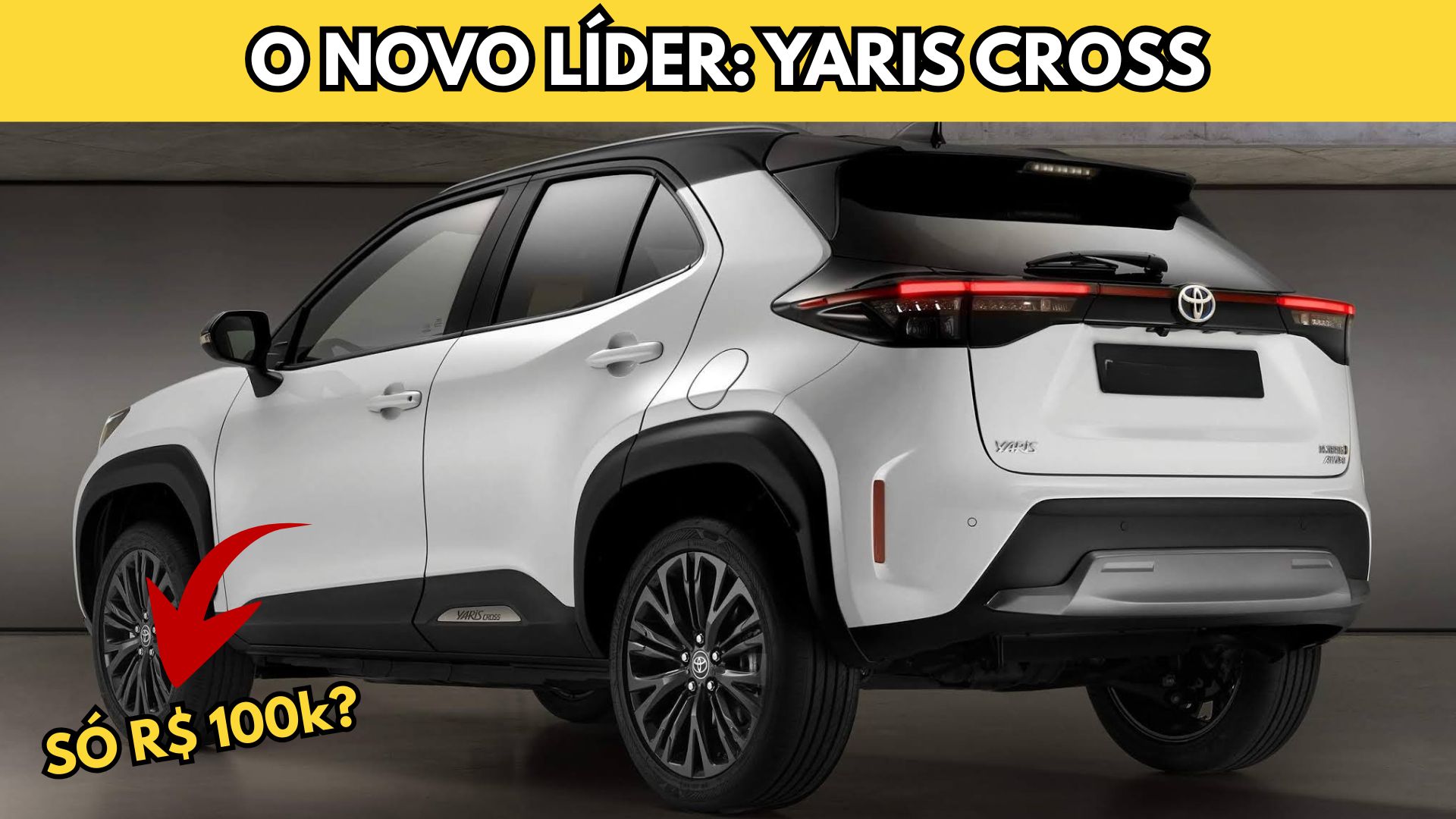


Toyota Yaris Cross 2026 Launches In October With Five Versions (Flex And Hybrid), Fuel Consumption Of Up To 30-32 Km/L, 471 Liters Of Space, And Premium Technology Packages.
Toyota confirmed that the Yaris Cross 2026 will be launched in Brazil in October 2025, to replace the Yaris hatch and sedan models that were discontinued. The new compact SUV will be offered in five versions: XR Flex, XRE Flex, XRX Flex, XRE Hybrid, and XRX Hybrid. The brand aims to combine efficiency, technology, and versatility to attract those seeking their first SUV or a more modern option in the segment.
Impressive Fuel Consumption: Up To 30-32 Km/L In Hybrid Versions
One of the major highlights of the Yaris Cross 2026 is its fuel efficiency. The hybrid versions, under the conditions mentioned by the sources, can record 30 km/L or even 32 km/L in urban cycles, depending on fuel and testing conditions.
This performance places the new Yaris Cross among the most economical compact SUVs in the Brazilian market, surpassing many competitors in urban fuel usage.
-
The car stored for 38 years: when opening the barn door, what appears is breathtaking and looks like a scene from a movie!

-
Fiat works miracles in the Brazilian market, lowers the price of its 0 km hatch to R$ 69,990, reestablishes the model as the cheapest car in the country, and reignites the battle against Kwid and C3.
-
Chevette with cooking gas: How the gas cylinder ends up being used in cars clandestinely and why this makeshift solution can result in leaks, explosions, damaged engines, and seized vehicles.

-
Fiat launches the new 2027 Toro hybrid with 48V, 176 hp, an electric motor of 15.5 hp, a 0.85 kWh battery, up to 7% fuel savings, 8% fewer emissions, and possible exemption from IPVA.



The flex versions will keep the 1.5 aspirated engine with about 110 hp (when using ethanol), always with a CVT transmission, promising decent efficiency given the relatively low weight of the vehicle for the segment (approximately 1,150 kg).
The hybrids will use a 1.5 Atkinson cycle engine combined with an electric motor, with total power close to 113 hp (according to hybrid standards used in markets like Thailand), offering superior fuel economy and potential tax benefits or IPVA exemptions in certain states.
Technical Specifications Of The Versions: XR Flex, XRE Flex, XRX Flex, XRE Hybrid, And XRX Hybrid
Here are the confirmed or estimated specifications for each version of the Yaris Cross 2026:
| Version | Engine / System | Estimated Power | Transmission | Estimated Urban Fuel Consumption* | Main Features |
|---|---|---|---|---|---|
| XR Flex | 1.5 Flex Aspirated Engine (Gasoline/Ethanol) | ~ 110 hp (Ethanol) | CVT | Between 11-14 km/L (Ethanol/Gasoline) | Entry-level version, aimed at those who sought simpler Yaris hatch/sedan; good basic equipment |
| XRE Flex | Same 1.5 Flex Engine | ~ 110 hp | CVT | Similar to XR Flex | Intermediate equipment: larger multimedia system, more comfort, better upholstery, possibly larger wheels |
| XRX Flex | 1.5 Flex Engine | ~ 110 hp | CVT | Equal to XRE or slightly inferior if heavier | Top flex version: premium finish, convenience extras, more refined appearance |
| XRE Hybrid | 1.5 Hybrid Atkinson Cycle Engine + Electric Motor | ~ 113 hp Combined | Hybrid Transmission / Hybrid CVT | Close to 30-32 km/L in urban use | Hybrid version with economic benefits, electric power for short trips, more advanced interiors |
| XRX Hybrid | Same 1.5 Hybrid + Electric Motor Setup | ~ 113 hp | Hybrid / Hybrid CVT | Equal to XRE Hybrid, potentially better on the highway | Top hybrid version, with all possible equipment, premium finish, advanced safety technology |
*Estimated Fuel Consumption Based On Toyota’s Statements And The Asian Market; values in Brazil may vary according to fuel, emission legislation, and adaptations.
Design, Dimensions, And Interior Space: Comfort And Style Of A Premium Compact SUV
- The Yaris Cross measures approximately 4.31 meters in length, 1.77 m in width, and 1.61 m in height, with a wheelbase of 2.62 m.
- The trunk has a capacity of 471 liters in the flex versions (and around 466 liters in the hybrids), one of the largest in the compact segment.
- The external design features a modern style: LED headlights, possible panoramic sunroof in hybrid versions, integrated or refined-looking door handles, a higher waistline, and visual details reminiscent of more sophisticated SUVs.
Technology And Safety Equipment: High Standards For The Segment
Even the most basic versions promise a good technology package. Expected items include:
- ~10.25-inch multimedia center with wireless connectivity for Android Auto and Apple CarPlay;
- Digital instrumentation (modern instrument panel, possibly 7 inches or more in hybrid versions);
- Active safety package: automatic emergency braking, lane departure warning, lane-keeping assist, adaptive cruise control;
- Comfort items such as automatic digital air conditioning, multifunction steering wheel, good upholstery quality; top hybrid versions may gain sunroof or superior tech data.

Estimated Prices And Market Positioning
Based on projections from sources, the Yaris Cross 2026 is expected to be positioned in Brazil as follows:
- Flex versions (XR, XRE, XRX) should start around R$ 130,000 and increase based on equipment and finishing.
- Hybrid versions (XRE Hybrid, XRX Hybrid) will likely be priced between R$ 170,000 and R$ 190,000, depending on taxes, imports, or local production.
This positioning indicates that Toyota aims to attract both those looking for an efficient compact SUV and those seeking an accessible hybrid but with a complete package. The expectation is that the hybrid flex will be a competitive advantage if it maintains fiscal benefits or lower operational costs.
Comparison With Competitors: T-Cross, Creta And Hybrid Rivals
For those researching compact SUVs currently, the Yaris Cross 2026 enters as a strong competitor:
- Compared to the Volkswagen T-Cross, it should have better fuel consumption in hybrid versions and more trunk space.
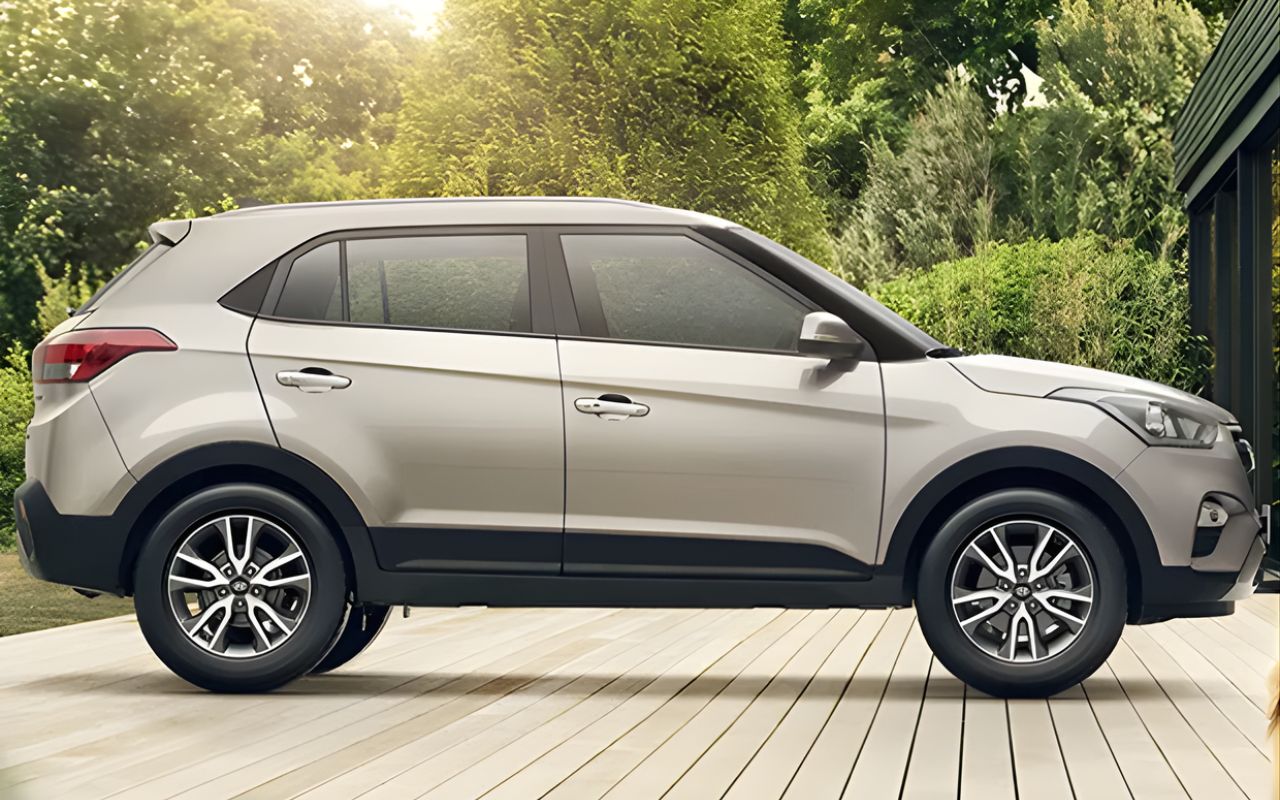
- In comparison to the Hyundai Creta, it excels in economy in hybrid versions and style (top hybrid versions with more equipment).
- In markets or states with incentives for hybrids, the Yaris Cross hybrid may stand out, especially with the promise of 30-32 km/L or more in urban use, which very few SUVs in the segment deliver.
Expectations, Launches, And Impact On The Brazilian Market
Toyota confirms the launch for October 2025, meaning it will take advantage of the end of the year to release the new line before 2026. This fact has already generated expectations among consumers, dealers, and competitors, who need to prepare for a model that promises to combine efficiency, economy, technology, and a strong brand image.
If it maintains cost-effectiveness, especially in hybrid versions, the Yaris Cross 2026 could:
- Capture buyers migrating from smaller cars and hatchbacks;
- Attract those who delayed buying a hybrid SUV due to fears of high costs;
- Apply pressure on prices and equipment contents of competitors;
- And establish a new minimum consumption standard for compact SUVs.








Se modelo intermediário ficar abaixo de 120k vou aguardar caso contrário compro C3 Aircross…
Se modelo intermediário ficar abaixo de 120k vou aguardar caso contrário compro C3 Aircross …