





 Portuguese
  English
  Spanish
 5 min of reading
  0 comments


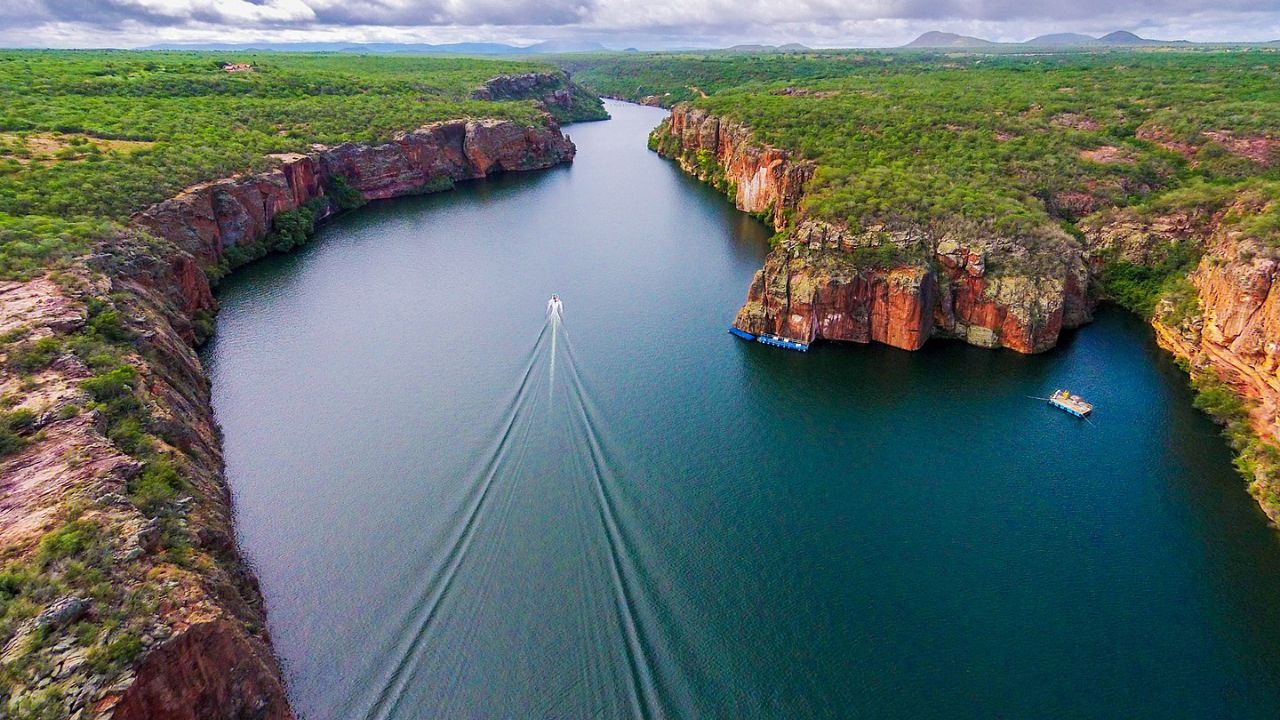
The Largest Rivers In Brazil Go Beyond Beauty: They Are Essential For The Economy, Biodiversity, And Supply. See What The Main Ones Are And Their Curiosities.
Brazil Houses Some Of The Largest Rivers On The Planet, in volume, length, and importance. From the Amazon to the Pantanal, these waterways cut through entire states, connect communities, and sustain unique ecosystems. The largest rivers in Brazil not only supply millions of people but also drive the economy, facilitate transportation, and maintain the biodiversity of entire regions.
In this article, you will learn about the 10 largest rivers in Brazil, their main characteristics, remarkable curiosities, and why they deserve attention and preservation.
Amazon River: The Largest And Most Voluminous On The Planet
The top of the list of the largest rivers in Brazil belongs to the Amazon River, with an incredible length of 6,992 km.
-
Roman game becomes an enigma for 40 years in the Netherlands, until AI and 3D scanning test 100 rules, run 1,000 simulations, and identify a “blocking game” that no one has been able to decipher since 1984.

-
A scientist proved with a thermal camera that the fan does not cool the environment but reduces the temperature of your skin by up to 6 degrees thanks to a natural mechanism of the human body that almost no one understands how it really works.

-
Scientists find a new explanation for the origin of Earth, which may have formed solely from material close to the Sun, changing an old theory and indicating that Jupiter may have been the cause of it all.

-
Brazilian beaches are among the most contaminated in the world by cigarette butts, with levels up to 40 times above the global average and areas where this waste already represents the majority of all the trash found.


It flows through the states of Amazonas, Pará, and Amapá, being responsible for about 20% of the freshwater that flows into the oceans. Its average flow of 209,000 m³/s makes it the most voluminous river in the world.
Additionally, the Amazon is home to the largest freshwater biodiversity on the planet, directly influencing the global climate.
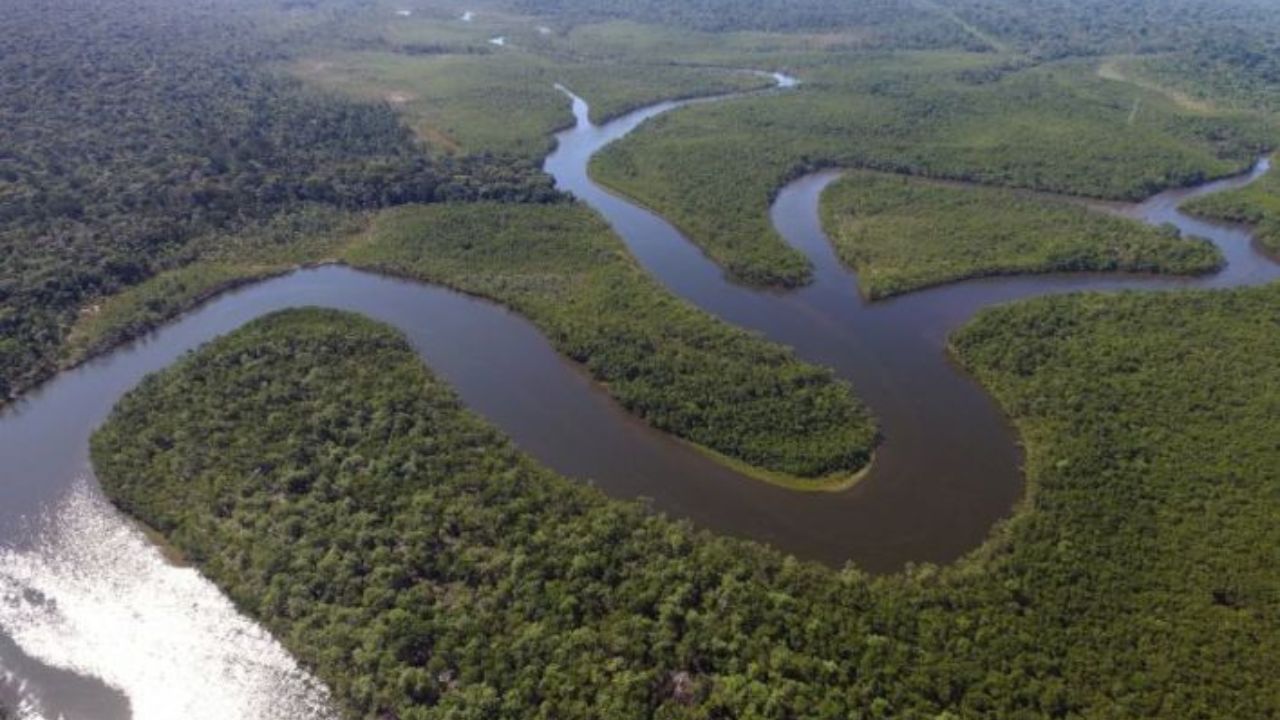
Paraná River: Energy And Tourism In One River
With a length of 4,880 km, the Paraná River flows through regions of São Paulo, Paraná, Mato Grosso do Sul, and Minas Gerais.
Its importance goes beyond its length: it is responsible for powering plants such as Itaipu, one of the largest in the world. Furthermore, it is home to the world-renowned Iguaçu Falls, attracting tourists from all over the globe.
Madeira River: Transport And Life In The Amazon
The Madeira River rises in Bolivia and flows through Rondônia and Amazonas, with a length of 3,315 km.
It is one of the main tributaries of the Amazon, with a flow of 31,200 m³/s, and is essential for transporting goods in the northern region.
It is also home to iconic species, such as tambaqui and pirarucu.
Purus River: Curves And History
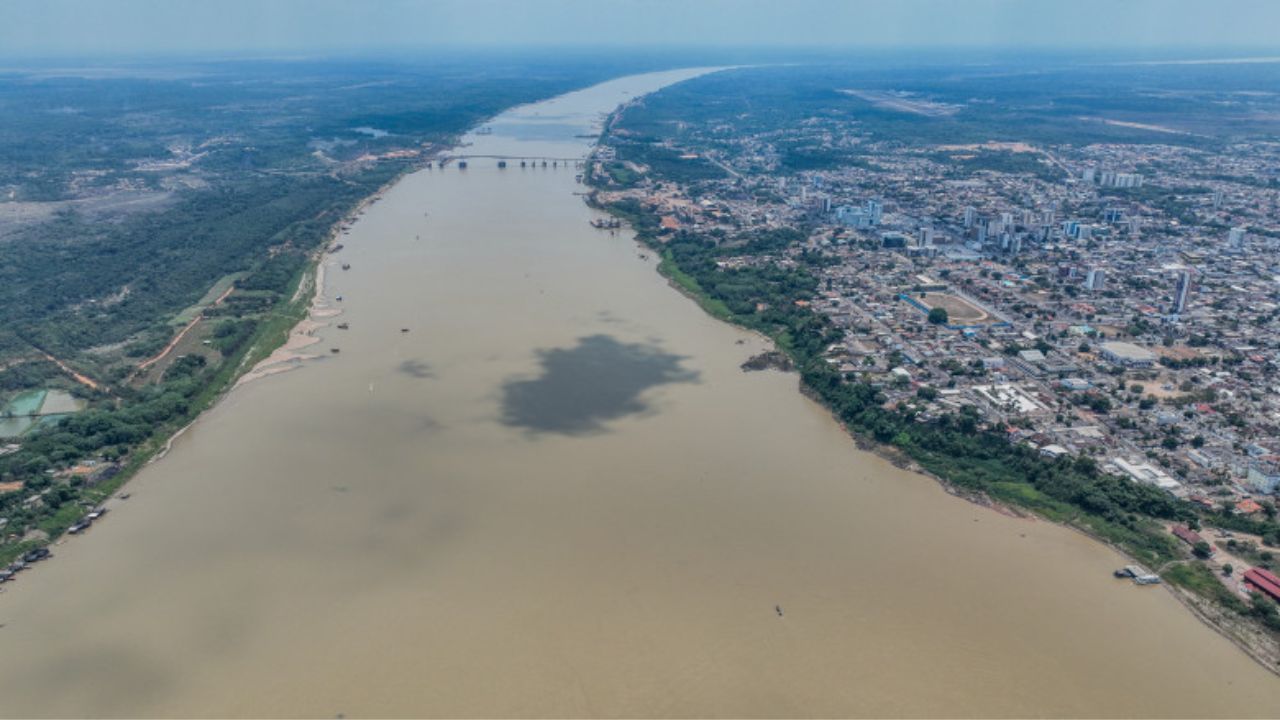
The Purus River, with 3,218 km, stands out for its winding path and dark waters.
It flows through the state of Amazonas and was explored in 1904 by journalist Euclides da Cunha. The Purus is one of the most navigable rivers in the Amazon, facilitating transport in isolated areas.
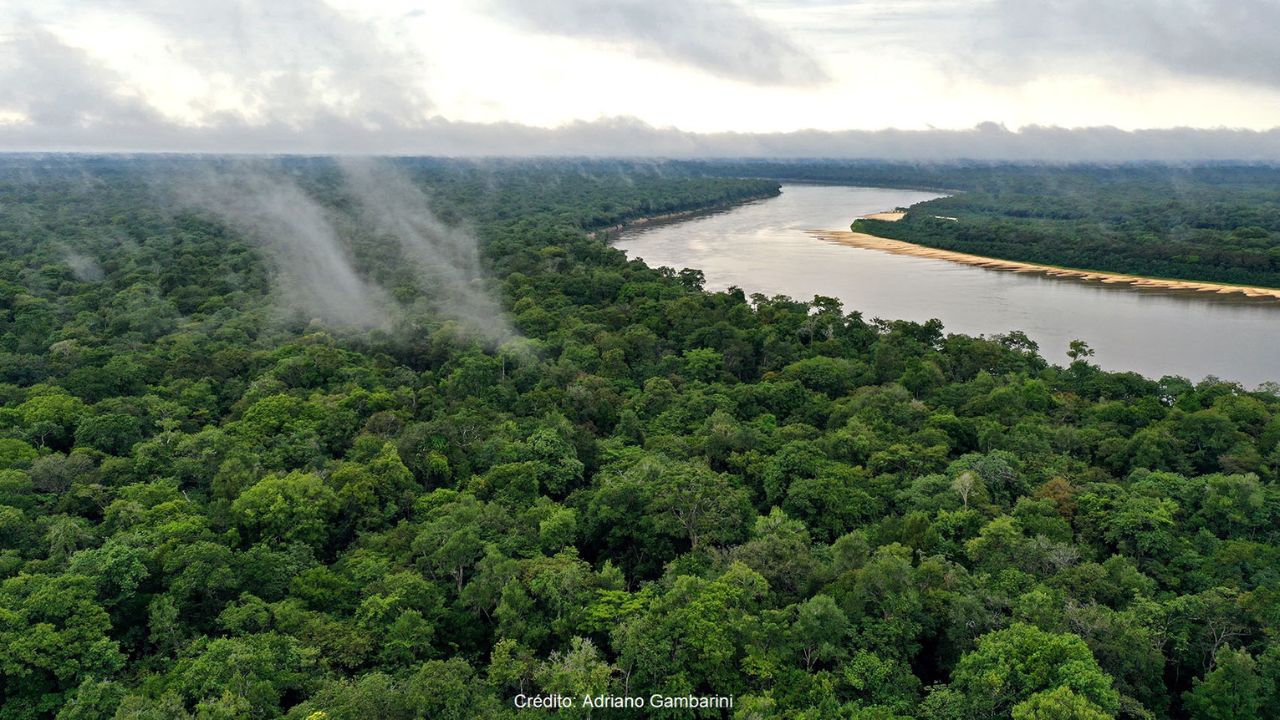
São Francisco River: The Old Chico Of Brazil
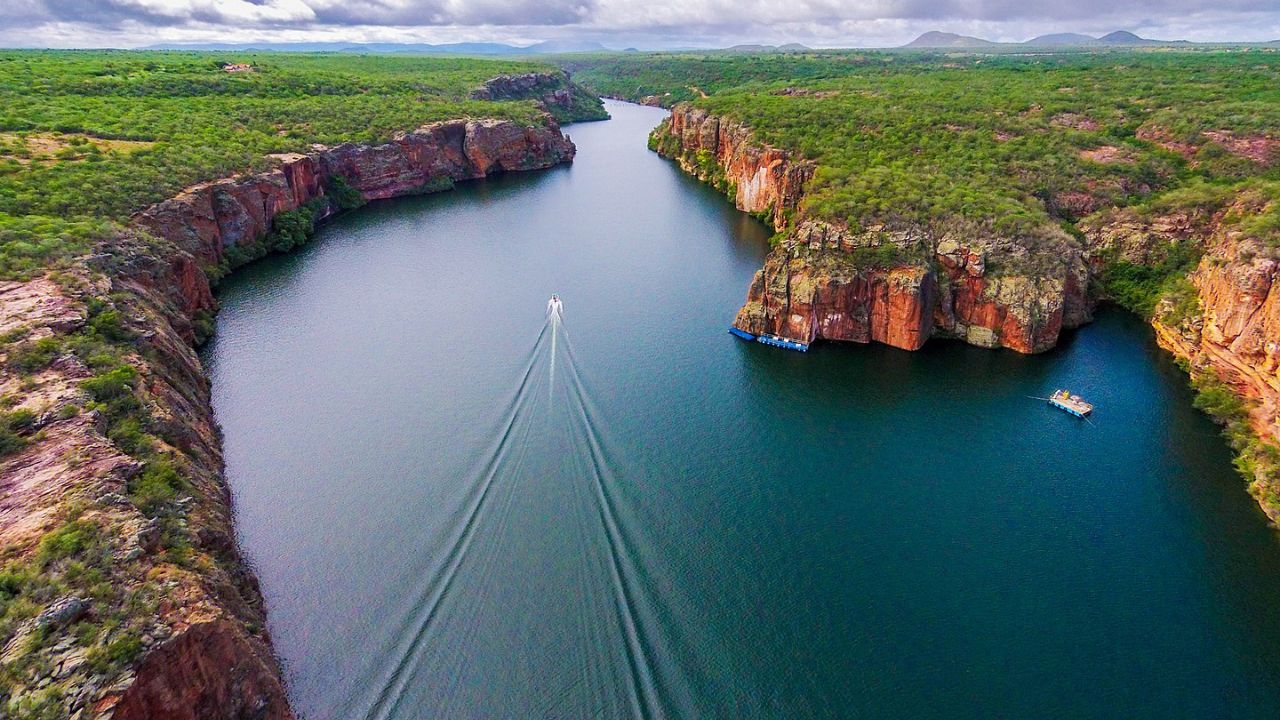
The famous São Francisco River rises in Minas Gerais and flows through Bahia, Pernambuco, Alagoas, and Sergipe, totaling 3,180 km.
Known as “Old Chico”, it plays an essential role in supplying water and irrigating the Northeast. Currently, it is undergoing transposition works to bring water to semi-arid regions.
Tocantins River: Navigation And Energy
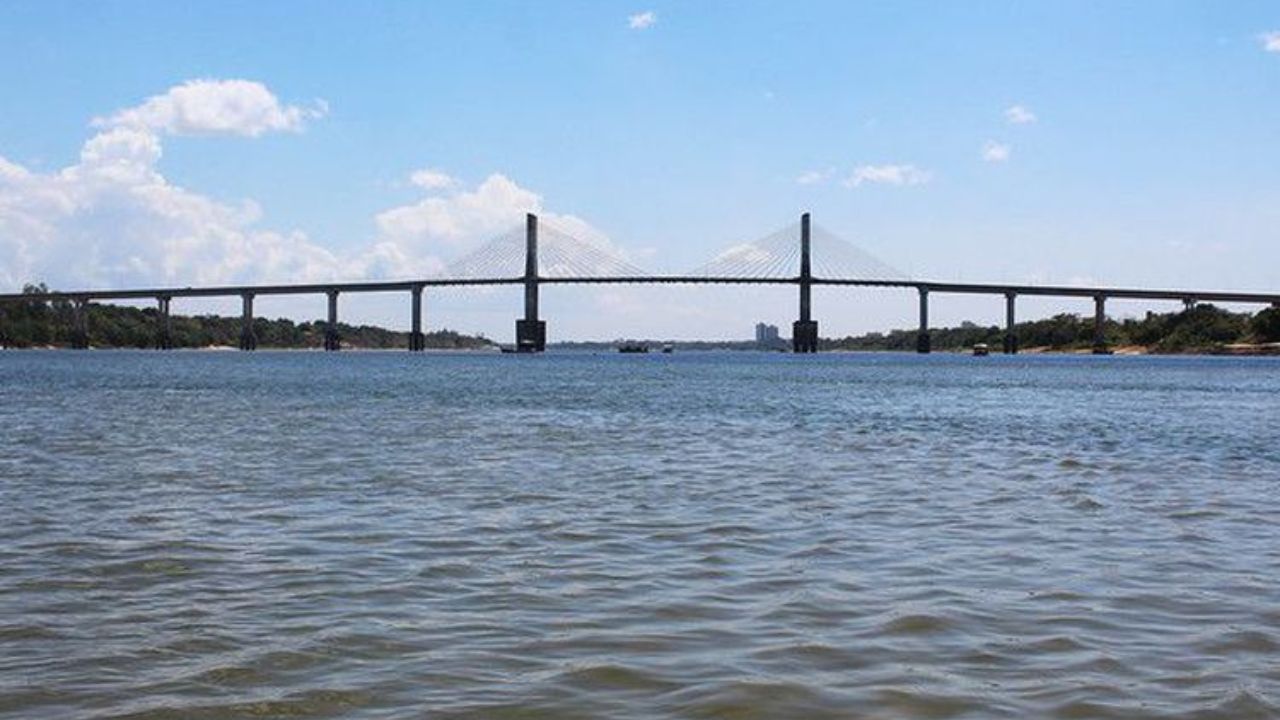
With a length of 2,699 km, the Tocantins River flows through the states of Tocantins and Pará.
Its average flow of 13,598 m³/s favors transportation and energy generation, especially through the Tucuruí Hydroelectric Plant, one of the largest in the country.
Araguaia River: Biodiversity And Leisure
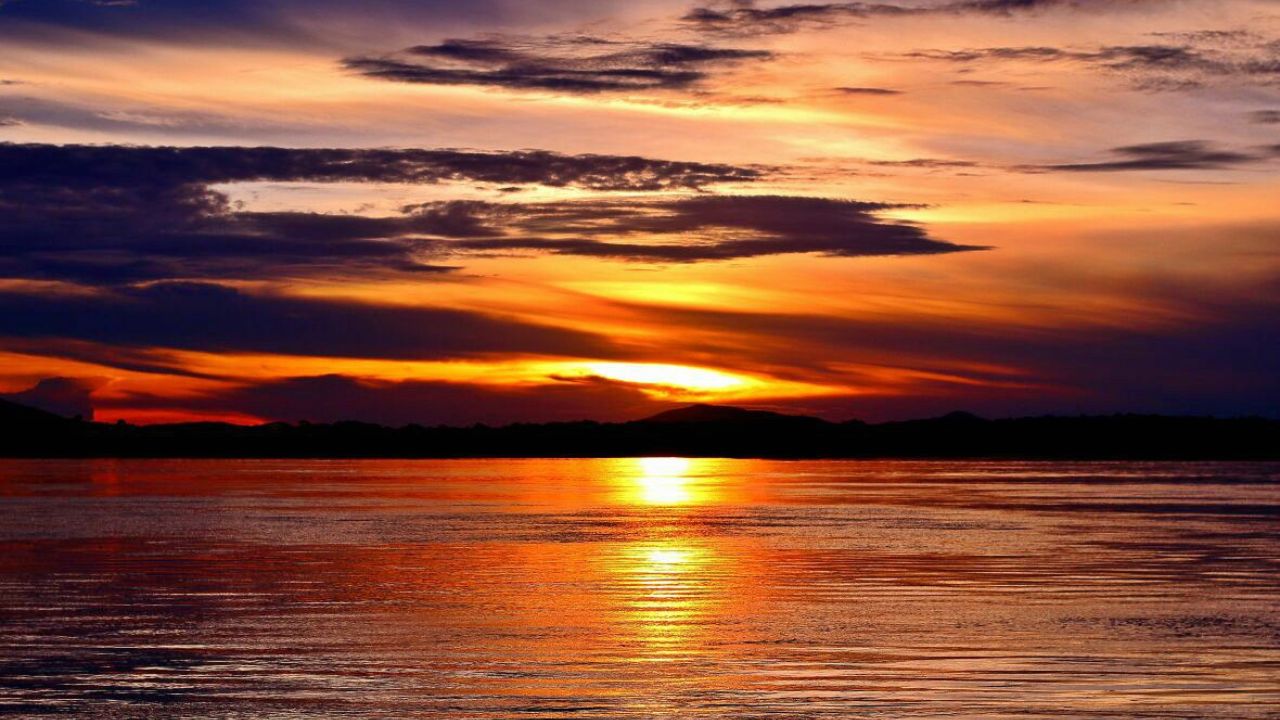
The Araguaia River, with 2,627 km, is one of the largest in the Midwest and famous for its freshwater beaches.
Additionally, it is home to the Ilha do Bananal, the largest river island in the world, becoming a natural sanctuary of great importance.
Paraguai River: Vital For The Pantanal
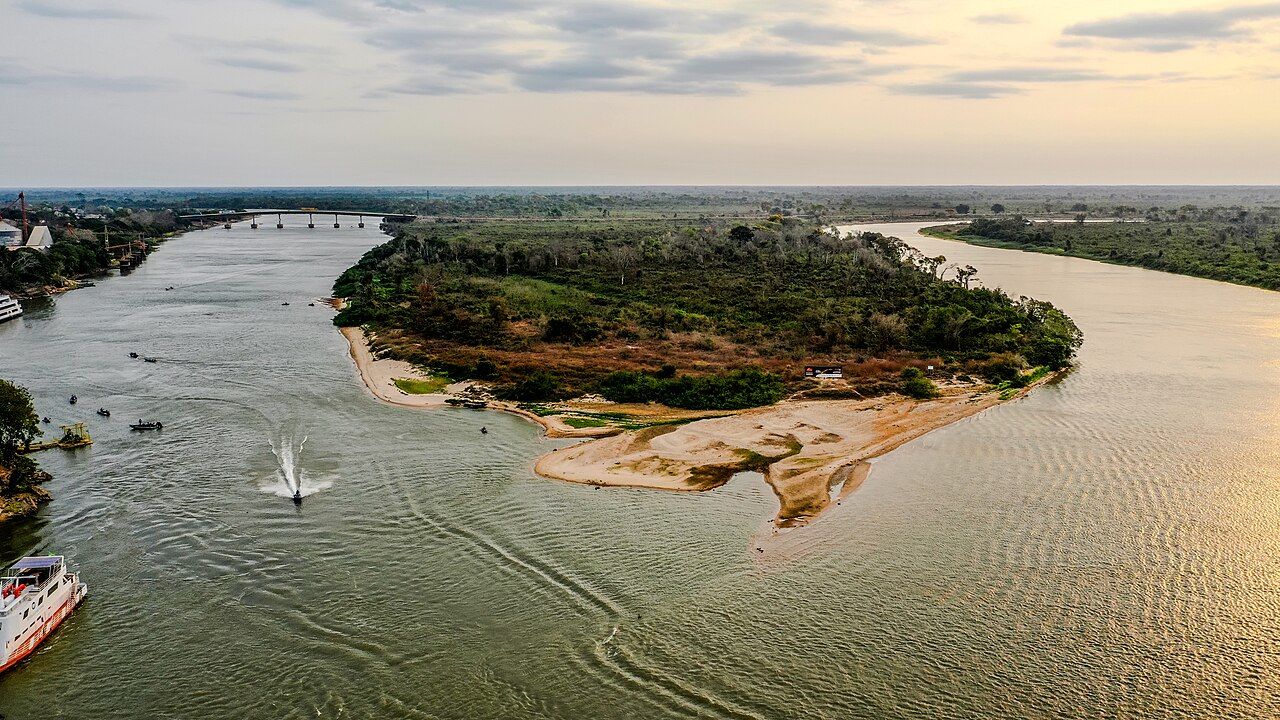
With a length of 2,549 km, the Paraguai River is essential for the Pantanal, one of the largest wetland ecosystems on the planet.
It also forms part of the natural border between Brazil and Paraguay, being strategic for trade and transport in South America.
Juruá River: Natural Pathway In The Forest
The Juruá River flows 2,410 km through the states of Acre and Amazonas.
With a flow of 4,765 m³/s, it is essential for isolated riverside communities, serving as a means of access where there are no roads. Its wild landscape is impressive.
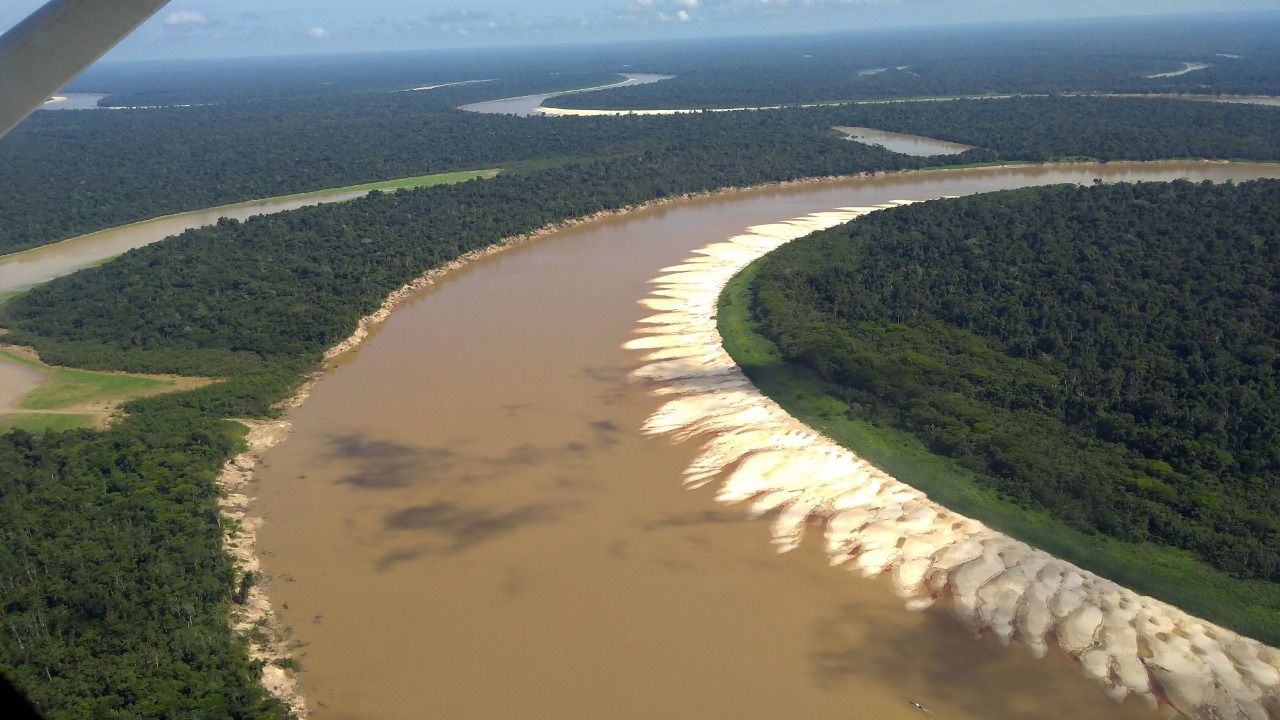
Xingu River: Energy And Indigenous Resistance
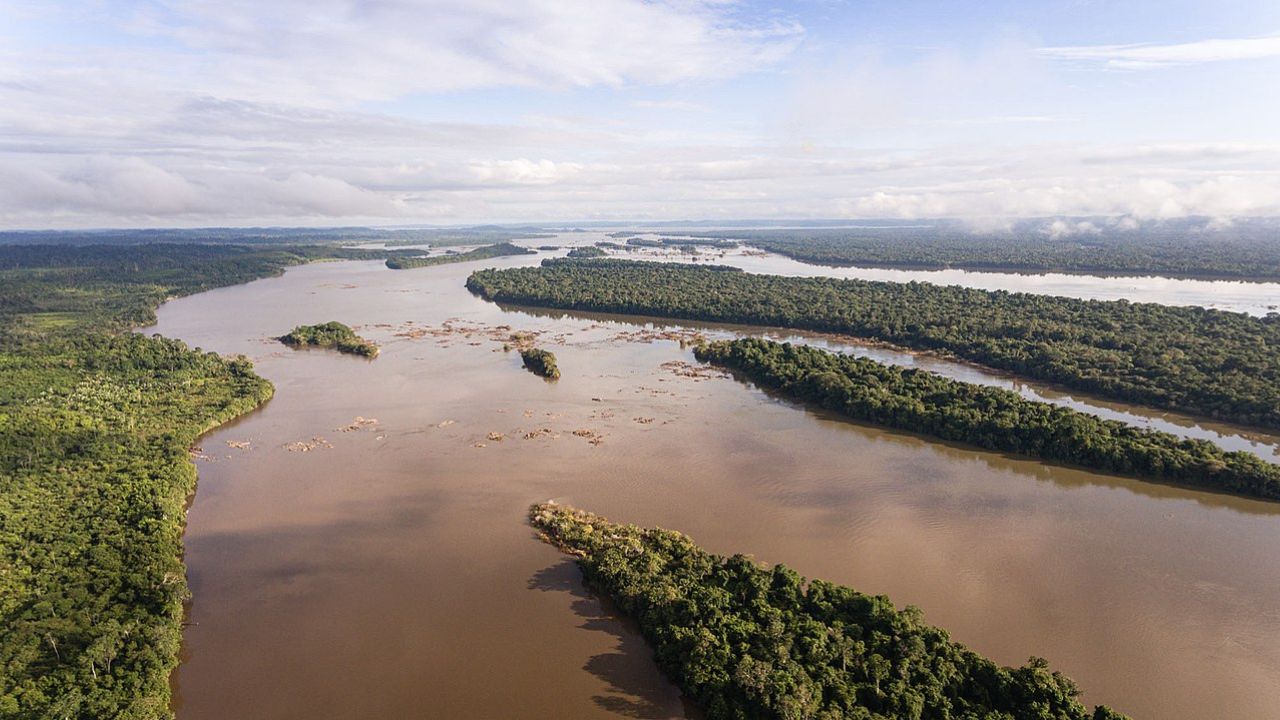
Closing the list of the largest rivers in Brazil, the Xingu River has a length of 1,870 km and flows through the states of Pará and Mato Grosso.
It is known for housing the controversial Belo Monte Dam and for being traditional territory of various indigenous communities.
Why Preserve The Largest Rivers In Brazil?
More than bodies of water, the largest rivers in Brazil sustain entire populations, maintain biodiversity, generate energy, and contribute to the economy.
Preserving them is ensuring quality of life, water security, and environmental balance for future generations. Knowing these rivers is the first step toward valuing them.
The largest rivers in Brazil are true natural treasures, essential for the present and future of the country. Protecting these giants is preserving life in all its forms — from the Amazon fish to the Northeastern farmer.
The measurements of the rivers presented in this article may vary depending on the adopted measurement criteria and the date when the data were collected or released. Therefore, the indicated lengths are estimates based on the most reliable sources available to date.
With information from Agro Em Campo.






-

-

-

3 pessoas reagiram a isso.