





 Portuguese
  English
  Spanish
  4 min of reading
  0 comments


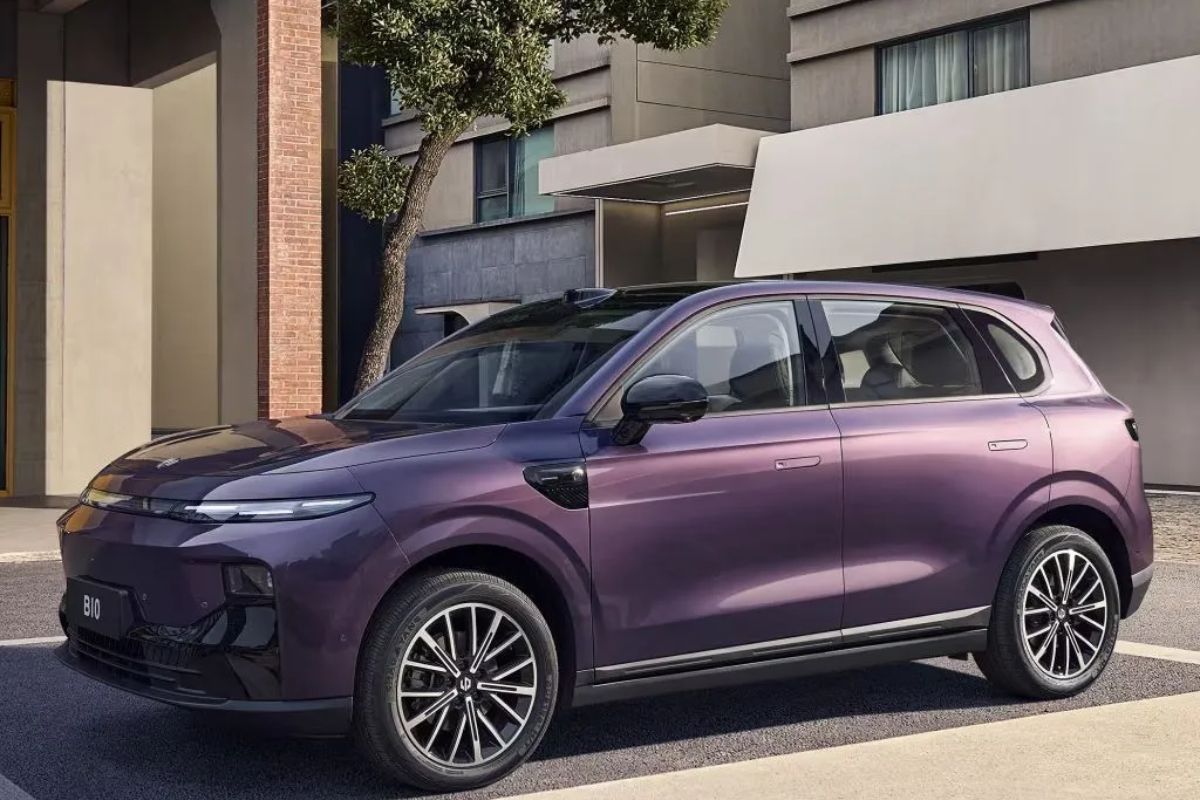
The Leapmotor B10 has a 56.2 kWh battery, travels up to 288 km in the Inmetro cycle, recharges from 30% to 80% in 16 minutes, and will be produced in Goiana (PE), at the Stellantis hub.
The Leapmotor B10 has officially started being sold as the brand’s entry-level 100% electric model, with a public price of R$ 182,990 and an offer of R$ 175,990 when trading in a used vehicle. The proposal is to target the electric SUV segment with a package of power, connectivity, and fast charging.
In addition to the price, the Leapmotor B10 comes with specific conditions for certain audiences and a direct incentive in the charging infrastructure, as the model comes with a free wallbox and installation voucher, which reduces the initial cost for those entering the electric world.
Prices of the Leapmotor B10 and special conditions
The Leapmotor B10 has a full price list depending on the buyer’s profile. In addition to the public price, there are conditions aimed at fleet operators and buyers with benefits.
-
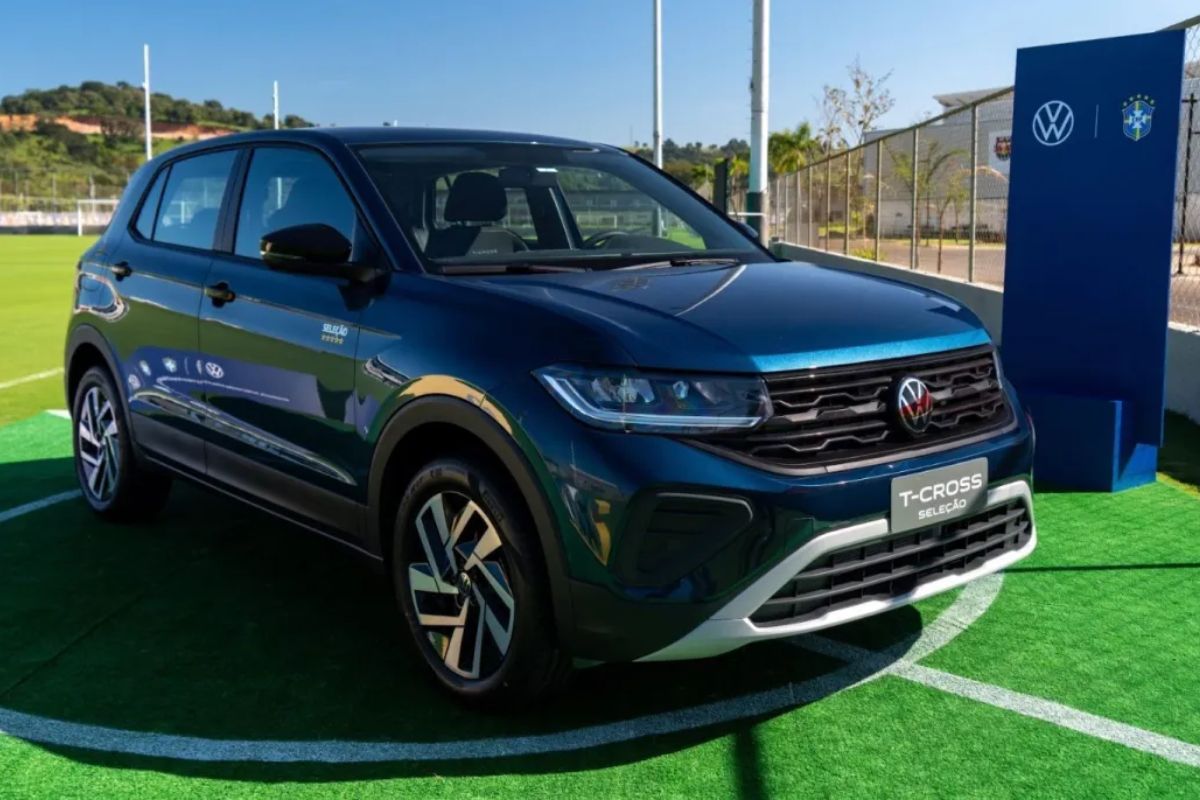
Volkswagen launches T-Cross Seleção for R$ 129,990 with 17” wheels, exclusive CBF design, Norway Blue color, and enhanced package; special edition for the 2026 World Cup arrives at dealerships in May.
-
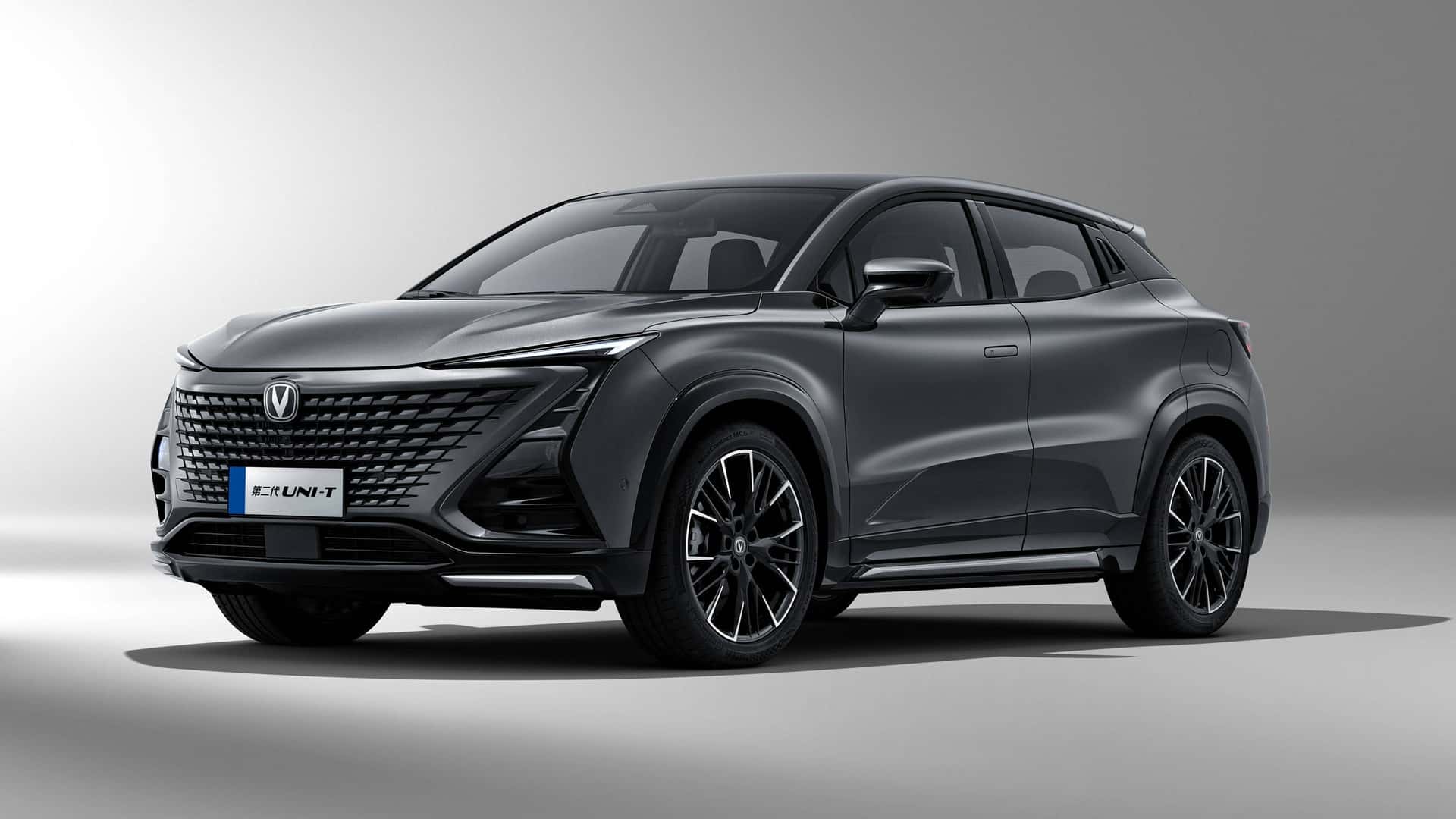
Changan: ‘new Chinese’ arrives in Brazil with 164 years of history and the medium SUV Uni-T
-
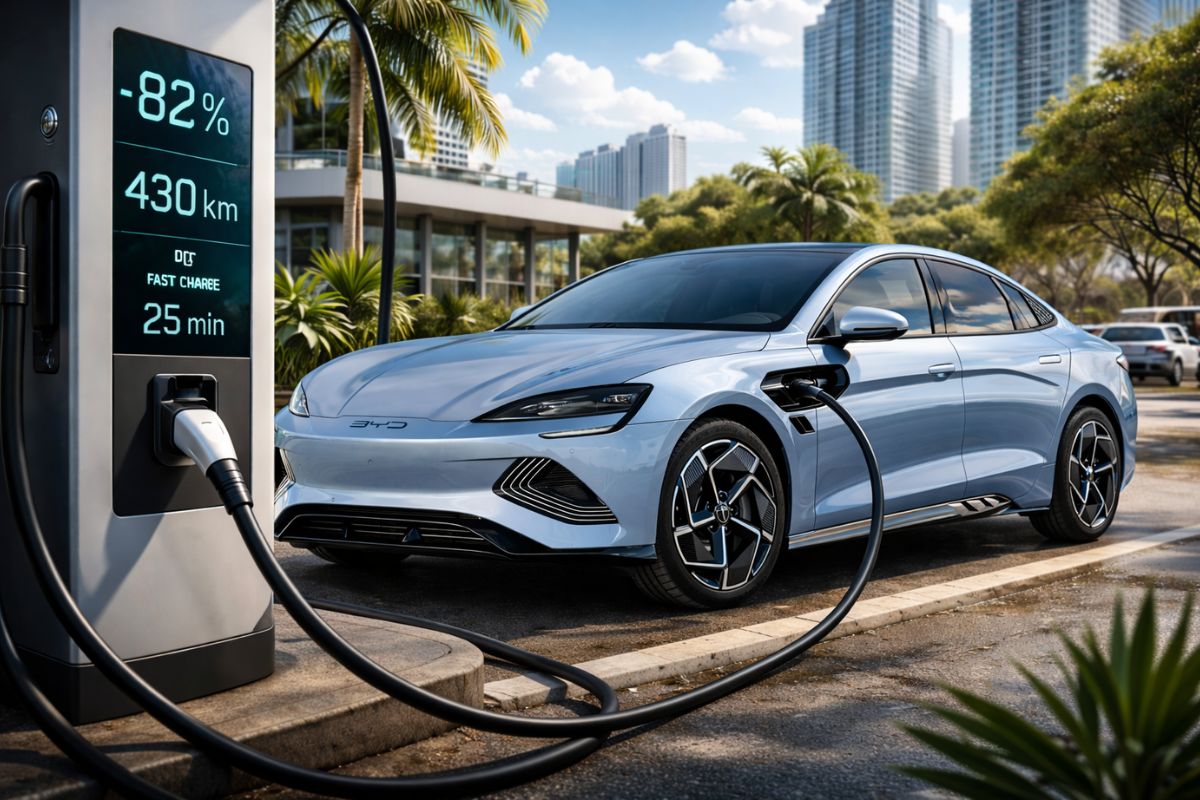
BYD’s electric car with 530 hp and 0-100 in 3.8 s costs R$ 270,000: absurd silence, real range close to 430 km, charging 20-80% in 25 min, but without a spare tire and high IPVA.
-
A dealership in the USA highlights the gap with Brazil: 2024 RAV4 for $31,000, 2022 Silverado for $32,000, and 2024 GMC 2500 diesel for $63,000, while equivalent SUVs and pickups cost much more in Brazil.

The reported prices for the Leapmotor B10 are: R$ 182,990 at the public price, R$ 175,990 with the trade-in offer, R$ 141,190 for taxi drivers, R$ 161,390 for people with disabilities (PcD), and R$ 168,290 for CNPJ. The wallbox and installation voucher are included as bonuses, helping to speed up the home charging routine.
Motor, performance, and battery of the Leapmotor B10
In terms of mechanics, the Leapmotor B10 delivers 218 hp of power and 24.4 kgfm of torque. The SUV accelerates from 0 to 100 km/h in 8 seconds and has a maximum speed limited to 170 km/h.
The battery of the Leapmotor B10 is 56.2 kWh. With this setup, the range reaches 288 km in the Inmetro cycle, while the autonomy in the WLTP standard is 361 km. This number places the car close to the 300 km range in the homologated use in Brazil, with a greater margin in international cycles.
Recharge in 16 minutes and what this means in practice

One of the most striking points of the Leapmotor B10 is the charging time. With a fast charger of 140 kW, the SUV achieves 30% to 80% in 16 minutes.
In practice, this places the Leapmotor B10 in a charging range designed for short stops, reducing the feeling of “lost time” during longer trips. This is a strong argument for those who rely on public charging part of the week.
Design and cabin: large screens, wireless mirroring, and finishing
Visually, the Leapmotor B10 features LED taillights, 18-inch wheels, and a design that blends robustness and sportiness. It is an SUV with the presence of a larger car, even being the entry point of the brand.
Inside, the Leapmotor B10 bets on screens and connectivity. The multimedia center has 14.6 inches with the LeapOS system, in addition to Android Auto and Apple CarPlay with wireless mirroring.
The instrument panel is an 8.8-inch digital LCD display, and the car also includes wireless charging for mobile phones and soft touch door panels.
Trunk, frunk, and useful space in daily life

The Leapmotor B10 has a 365-liter trunk and also adds 21.5 liters in the frunk, the compartment under the hood.
In practice, this helps to separate cables and smaller items without occupying the main trunk, something that often makes a difference in electric vehicles when the owner needs to carry charging accessories.
Safety list and driving assistance of the Leapmotor B10
In terms of safety, the Leapmotor B10 brings an extensive list of assistance features. Among the items are:
AEB (autonomous emergency braking)
BSD (blind spot detection)
DDAW/ADDW (fatigue and distraction alerts with camera)
DOW (door opening alert)
ELKA (emergency lane-keeping assistance)
FCW (front collision warning)
HOD (hands detection on the wheel)
ACC (adaptive cruise control)
ISA (intelligent speed assist)
LCC (lane centering assistance)
LDW/LKA (lane departure warning, lane keeping, and correction)
RCTA/RCTB (rear cross-traffic alert with braking)
RCW (rear collision warning)
TJA (heavy traffic assist)
It is a package that targets the standard of more expensive SUVs, especially for those who value assistance on the road and in traffic.
National production confirmed in Goiana and Stellantis’ plan
Stellantis has confirmed that the Leapmotor B10 and the C10 will be the first models of the brand to be produced at the Automotive Hub of Goiana (PE). Local production is a central piece to expand Leapmotor’s presence in the country.
According to Herlander Zola, president of Stellantis for South America, “local production of Leapmotor at our factory in Goiana (PE) is a key element in the strategy to consolidate and expand the brand’s reach in Brazil and South America”. In practice, nationalization is a sign of a long-term bet, not just a one-time import.
Do you think the Leapmotor B10 will become one of the most desired electric vehicles in Brazil because of its price and fast charging, or does the autonomy of 288 km in the Inmetro still weigh in the decision?








Seja o primeiro a reagir!