





 Portuguese
  English
  Spanish
  4 min of reading
  0 comments


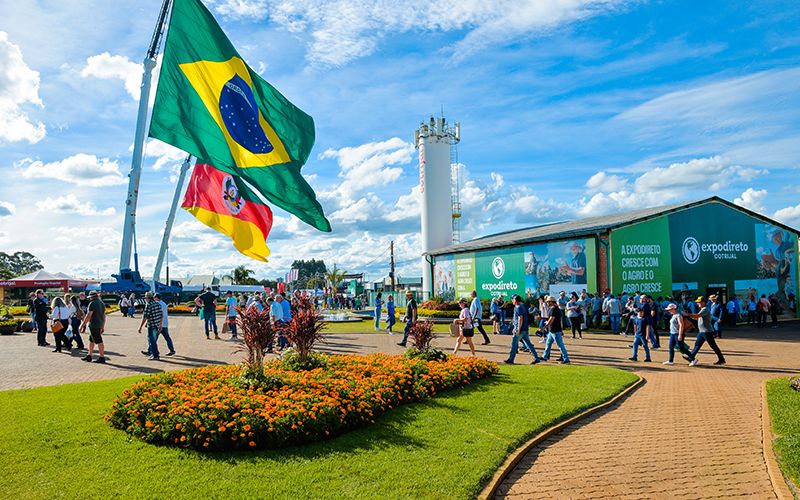
Discover The Challenges That Hinder The Growth Of Renewable Energy In Brazil, From Legal Insecurity To Environmental Barriers And The Lack Of Infrastructure. Understand How These Factors Affect Investments And The Future Of The Sustainable Energy Matrix.
The energy transition represents one of Brazil’s major challenges in achieving a sustainable energy matrix. For this, the country relies on sources such as solar, wind, hydropower, and biomass. However, experts warn that legal insecurity and environmental barriers hinder the expansion of renewable energy in the country.
In light of this scenario, the 25th Expodireto Cotrijal, held in March 2025, promoted discussions to analyze the main obstacles to the development of the sector. According to the Correio do Povo website, during the event, experts highlighted that legal insecurity, the lack of state policies, and the limitations imposed by environmental legislation are the main barriers to the advancement of renewable energy in the state. (Correio do Povo)
On one hand, legal instability in the energy sector stands out as one of the biggest problems. On the other hand, frequent changes in regulations create uncertainty and affect investments. Furthermore, the absence of long-term public policies undermines the security of projects.
-
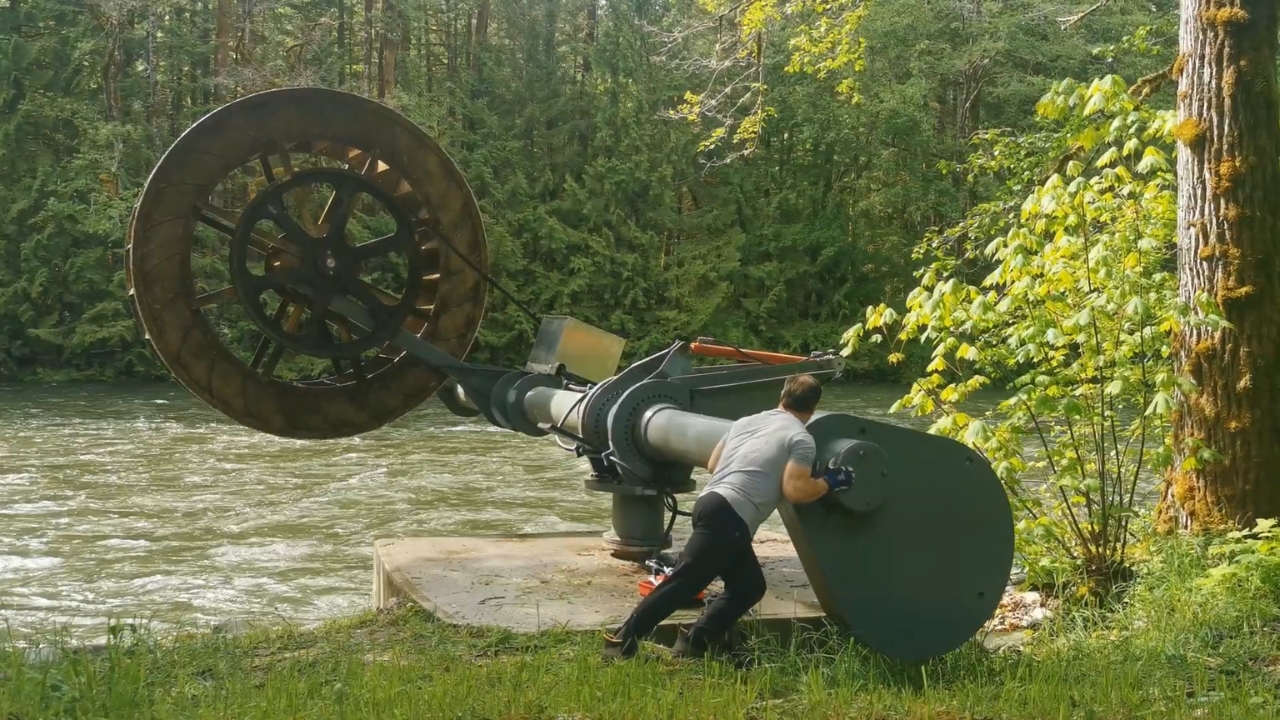
A Canadian retiree creates a hydroelectric system on a real river, generating energy continuously throughout the day and demonstrating how the power of water can supply a house with stability even in a simple structure.
-
Petrobras reaffirms its commitment to the market and ensures that it will carry out the energy transition safely to maintain national sovereignty.

-
Researchers discover a possible hydrogen deposit of up to 46 million tons beneath an ancient coal basin, and the volume could exceed half of the entire global production.

-
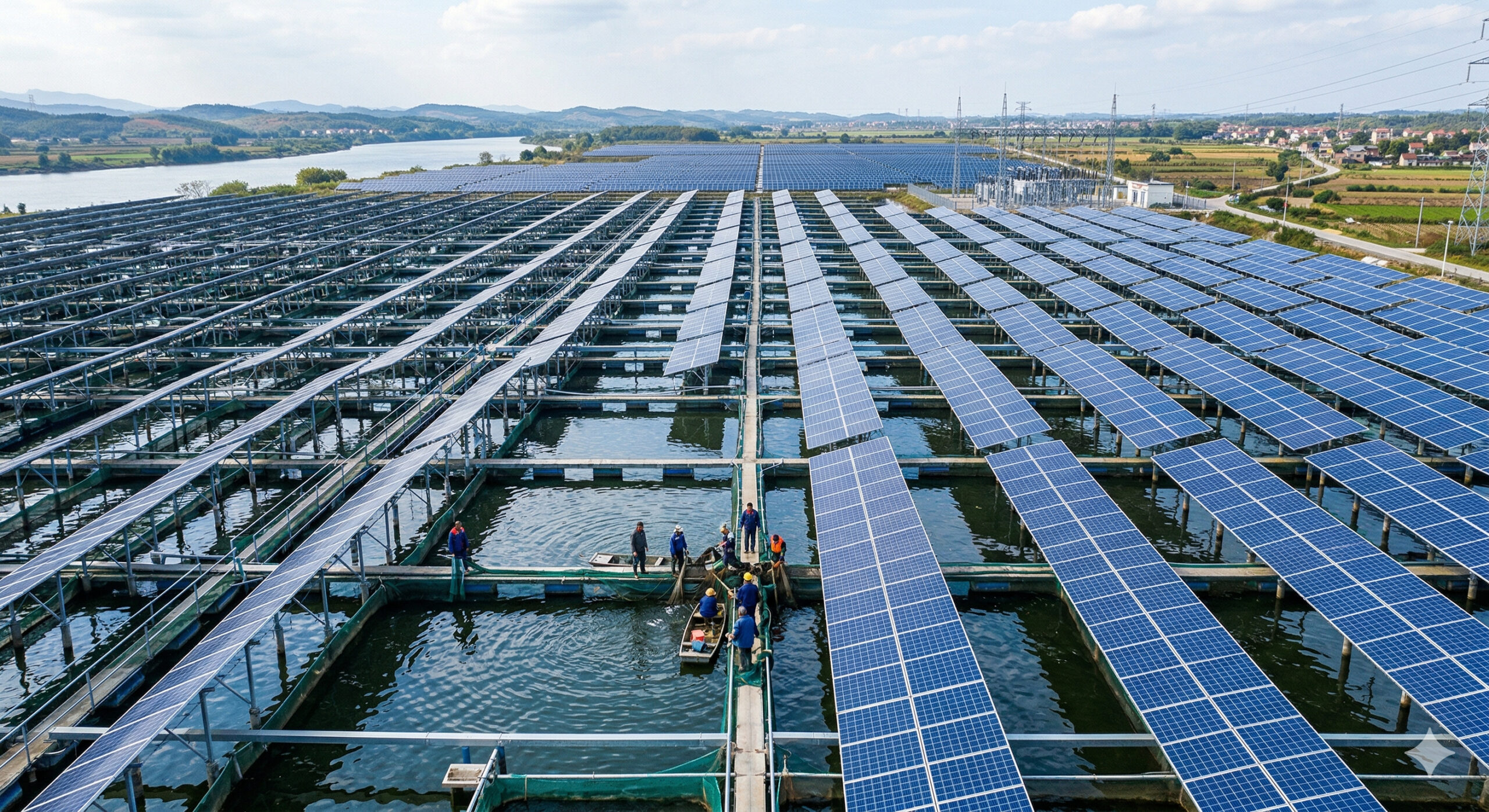
China bets on the Fishery-PV model and transforms fish farms into giant solar plants, covering ponds with panels that generate energy while utilizing the same space for large-scale aquaculture production.

For Brazil to advance, the sector needs a more stable environment, avoiding sudden changes that could compromise the economic viability of ventures.
The director of Wind at the Union of Renewable Energy Industries of Rio Grande do Sul (Sindienergia-RS), Guilherme Sari, emphasizes that Brazil has abundant natural resources to generate clean and diversified energy. However, structural challenges hinder the decarbonization of the economy.
The Environmental Challenges That Hinder The Energy Transition
In addition to legal insecurity, bureaucracy in environmental licensing also hampers the growth of renewable energy in Brazil. Solar power plants and wind farms frequently face delays due to complex regulatory requirements.
Moreover, the lack of standardization in state licensing processes creates an even more challenging environment for investors. According to the Além da Energia website, many projects stumble upon difficulties in obtaining licenses, which leads to legal insecurity and project stagnation. (Além da Energia)
According to Alexandre Lietzke, planning manager at the Regional Bank for Development of the Extreme South (BRDE), Brazil needs a more efficient approach to prevent long environmental approval timelines from hindering investments in the energy transition.
Another crucial factor concerns compensation for carbon credits. While other markets, such as the European, already use this mechanism as a source of revenue, Brazil still faces difficulties in establishing an efficient model. Thus, the incentive for new sustainable projects remains limited.
At the same time, the environmental sector demands clear rules to reduce environmental impacts from new plants. However, excessive bureaucracy often impedes the advancement of renewable energy.
As a consequence, investors redirect funding to countries with more agile regulations. This compromises the growth of the sector in Brazil and reduces the country’s competitiveness in the global clean energy market.
The Lack Of Infrastructure And Its Impact On Renewable Energy Generation
In addition to the legal and environmental difficulties, the lack of infrastructure also compromises the sector. Distributed energy generation, especially solar, requires modern transmission networks to meet the new demand.
However, without an efficient electricity grid, various projects become unviable. The president of the Ocergs System, Darci Hartmann, advocates for the implementation of state policies, and not just government policies.
He states that this is an essential step to ensure the continuity of initiatives in the renewable energy sector.
On the other hand, the connectivity of new energy sources to the National Interconnected System (SIN) also poses a critical challenge. Although many regions have great potential for wind and solar energy, the infrastructure remains insufficient to integrate this production into the national electricity grid.
Without investments in modernizing the electricity grid, renewable energy generation becomes underutilized. As a result, the financial return for investors is negatively affected. Additionally, the stability of the energy matrix may be compromised.
Therefore, the diversification of the electricity matrix needs to be accompanied by improvements in the distribution system. This ensures that issues such as energy waste and difficulties in continuous supply are avoided.
The Future Of Renewable Energy In Brazil
Brazil has a great potential to lead the global energy transition. However, legal insecurity, environmental barriers, and infrastructure shortages continue to hinder the advancement of renewable energy.
In this context, it is crucial for the country to adopt more stable public policies, modernize its environmental licensing system, and invest in the expansion of the electricity grid.
If Brazil wishes to consolidate a sustainable energy sector, it must provide a favorable regulatory environment. Otherwise, the country will lose valuable investment opportunities and technological development.
Therefore, only with strategic planning and solid policies will it be possible to ensure a more secure and sustainable energy future.






-

Uma pessoa reagiu a isso.