





 Portuguese
  English
  Spanish
  5 min of reading
  0 comments


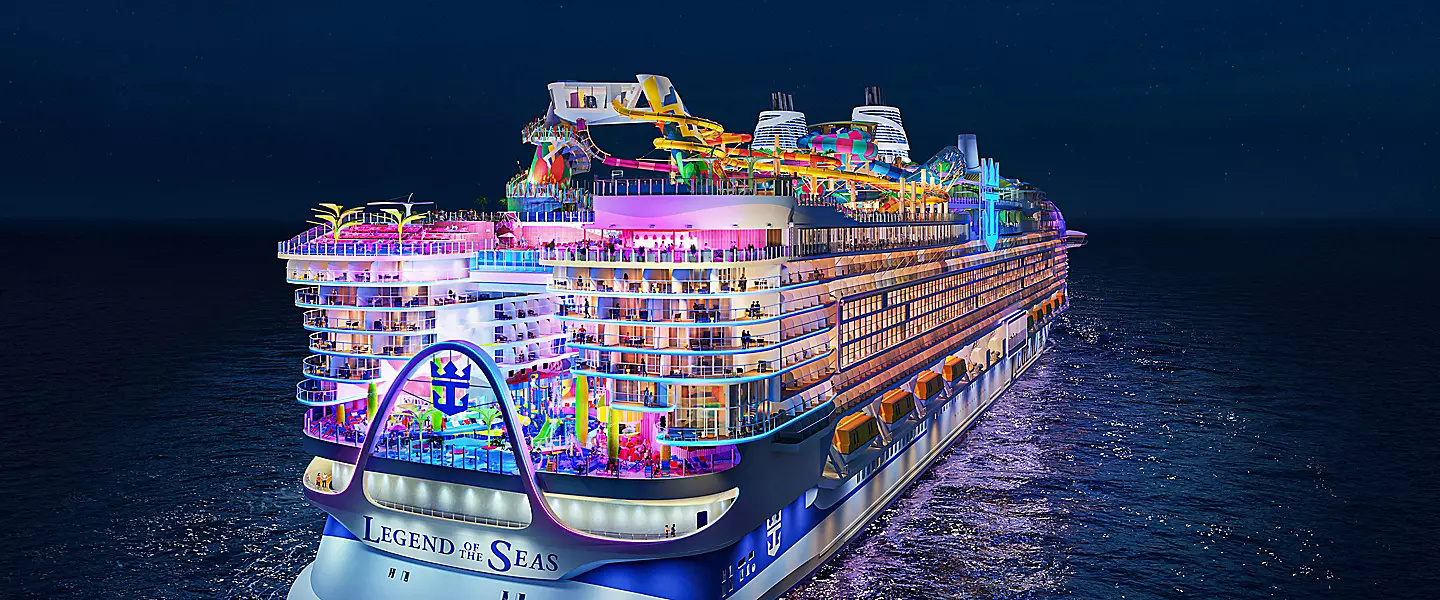
Legend of the Seas Will Be One of the Largest Cruise Ships in the World When It Debuts in 2026, at 365 Meters Long, 250,000 Tons, and Advanced Technology of the Icon Class.
The cruise industry is in a constant race for larger, more technological ships capable of transporting thousands of passengers around the world. Within this competition, Royal Caribbean has created the Icon class, considered a new generation of mega cruise ships. The Legend of the Seas, set to debut in 2026, will be the third member of this class and is expected to rank among the largest passenger ships ever built in the history of navigation. According to information released by the company and specialized cruise portals, the ship will have approximately 250,800 gross tons and around 365 meters in length.
These dimensions place the ship in the same category as giants like the Icon of the Seas, which currently holds the title of the largest cruise ship on the planet. Beyond its impressive size, the Legend of the Seas is part of Royal Caribbean’s strategy to redefine the concept of modern cruising, combining tourism, entertainment, technology, and infrastructure comparable to that of a small floating city.
The New Generation of Mega Cruise Ships from Royal Caribbean
The Icon class represents a significant evolution compared to the company’s previous classes, such as Oasis and Quantum, which dominated the ranking of the largest ships for over a decade. The sequence of ships in the new class includes:
-
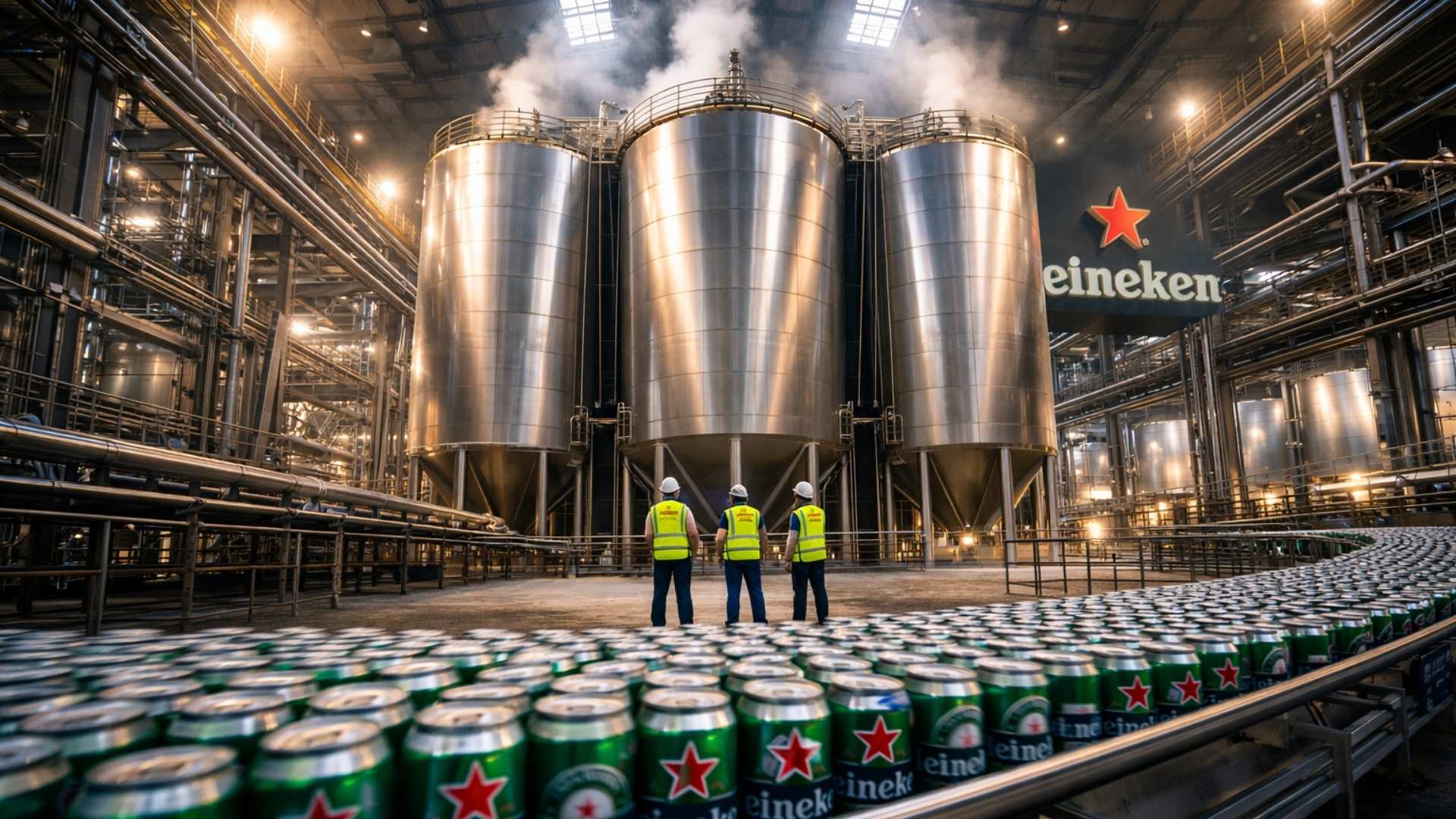
Heineken’s factory in Brazil produces 300 million beer cans in just 4 months, reaches 1 million hectoliters, received R$ 2.5 billion, and is already projecting an annual capacity of 5 million with sustainable technology.
-
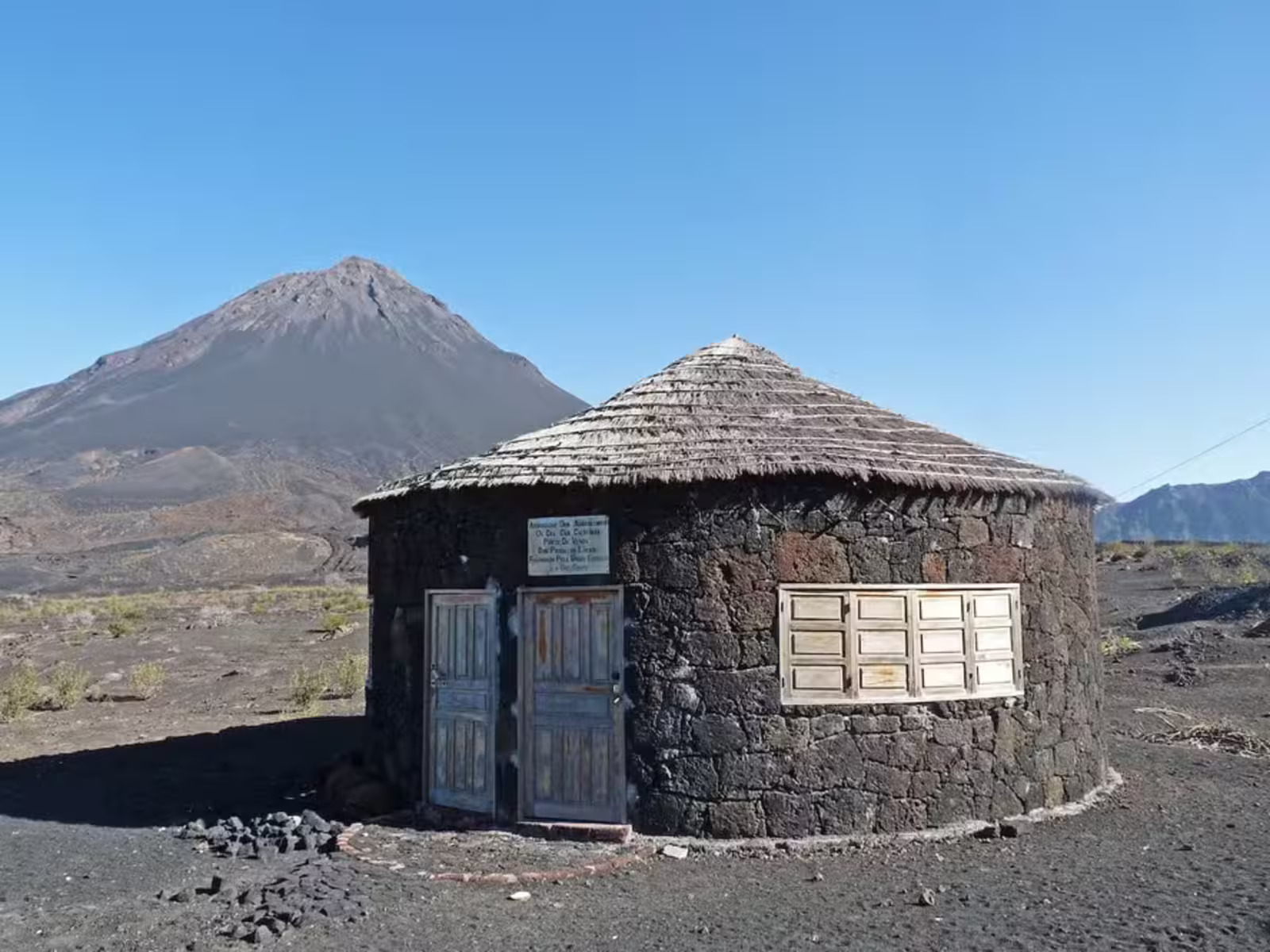
Inside an active volcano in Africa, residents use volcanic rocks to build houses in an impressive setting.
-
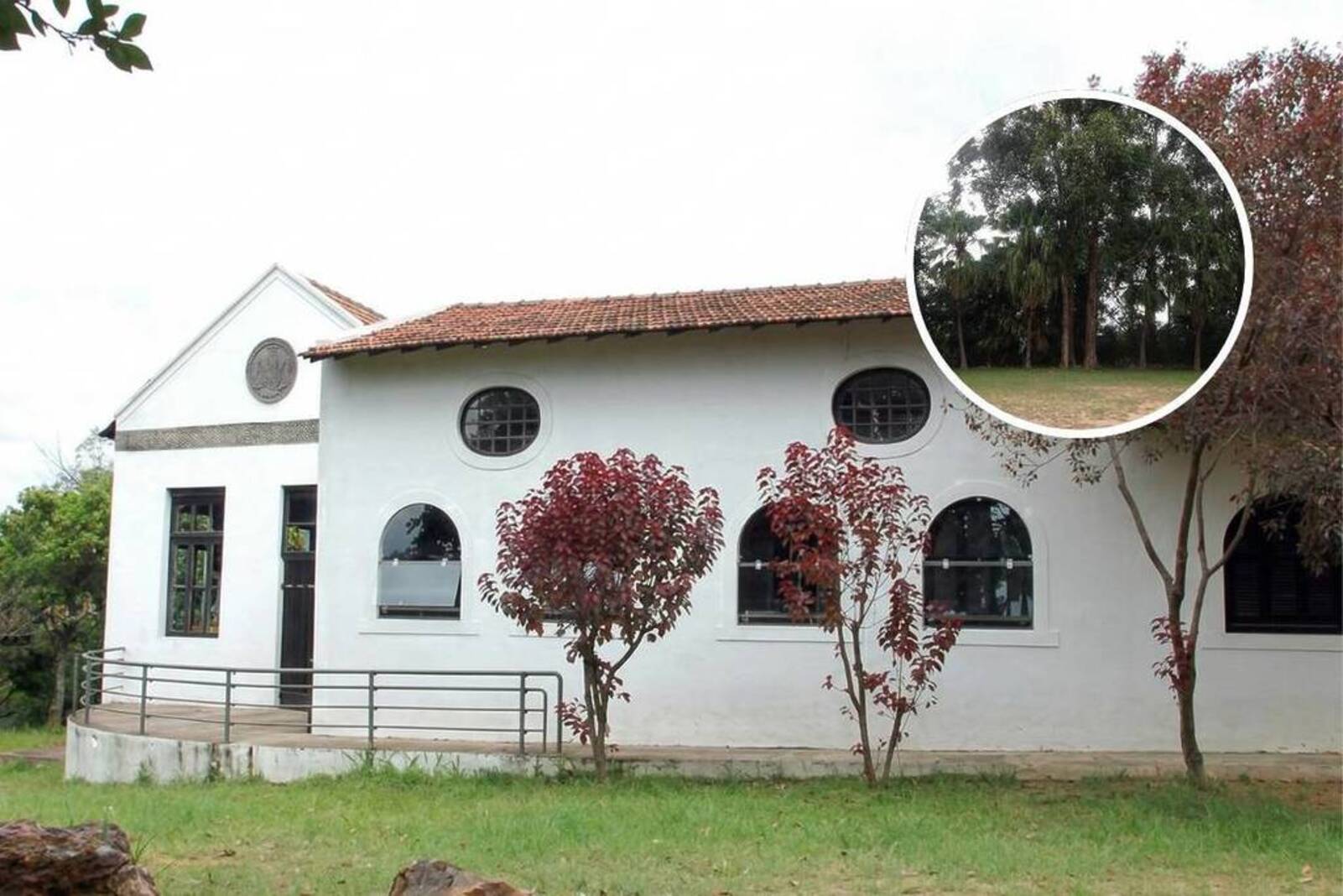
After 14 years of waiting, a rammed earth mansion built in 1702 in the North Zone of São Paulo will become a park with leisure facilities and green areas, with a million-dollar investment.
-
With 2 unfinished nuclear reactors, up to 25 billion in costs, and proven fraud, the Nukegate case has left 800,000 consumers still paying today for energy that will never be produced.

- Icon of the Seas — inaugurated in 2024
- Star of the Seas — scheduled for 2025
- Legend of the Seas — scheduled for 2026
These vessels are designed to push the limits of size, energy efficiency, and onboard entertainment offerings. Each ship in the Icon class functions as a floating tourist complex, featuring dozens of restaurants, water parks, residential areas, theaters, and recreational structures distributed over multiple levels.
This trend reflects a shift in the cruise industry: instead of merely transporting passengers between destinations, ships have begun to offer comprehensive onboard experiences, transforming the vessel itself into a tourist attraction.
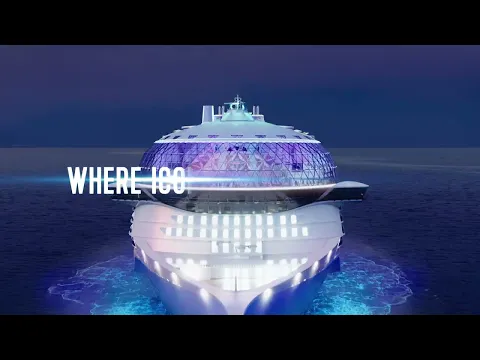

Impressive Dimensions: The Size of the Legend of the Seas
The Legend of the Seas impresses primarily with its size. Among the key technical data released for the ship are:
- Gross Tonnage: approximately 250,800 tons
- Length: approximately 365 meters
- Width: approximately 64 meters
- Number of Decks: more than 20
- Passenger Capacity: more than 5,600 in double occupancy and up to around 7,000 at maximum capacity
- Crew: approximately 2,300 people
To understand the scale of this ship, just compare it with some known landmarks. At 365 meters in length, the Legend of the Seas will be longer than:
- three aligned football fields
- the height of the Eiffel Tower if laid horizontally
- many historical aircraft carriers
This scale transforms the ship into a true urban complex on the sea, capable of operating as an independent tourist destination.
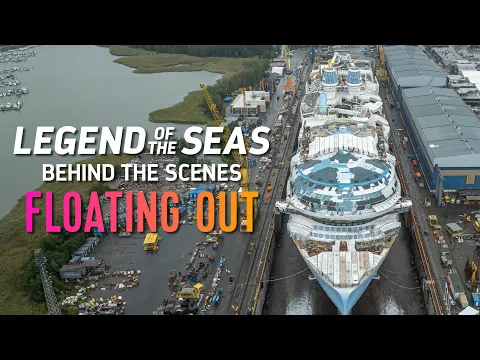
Construction at the Meyer Turku Shipyard
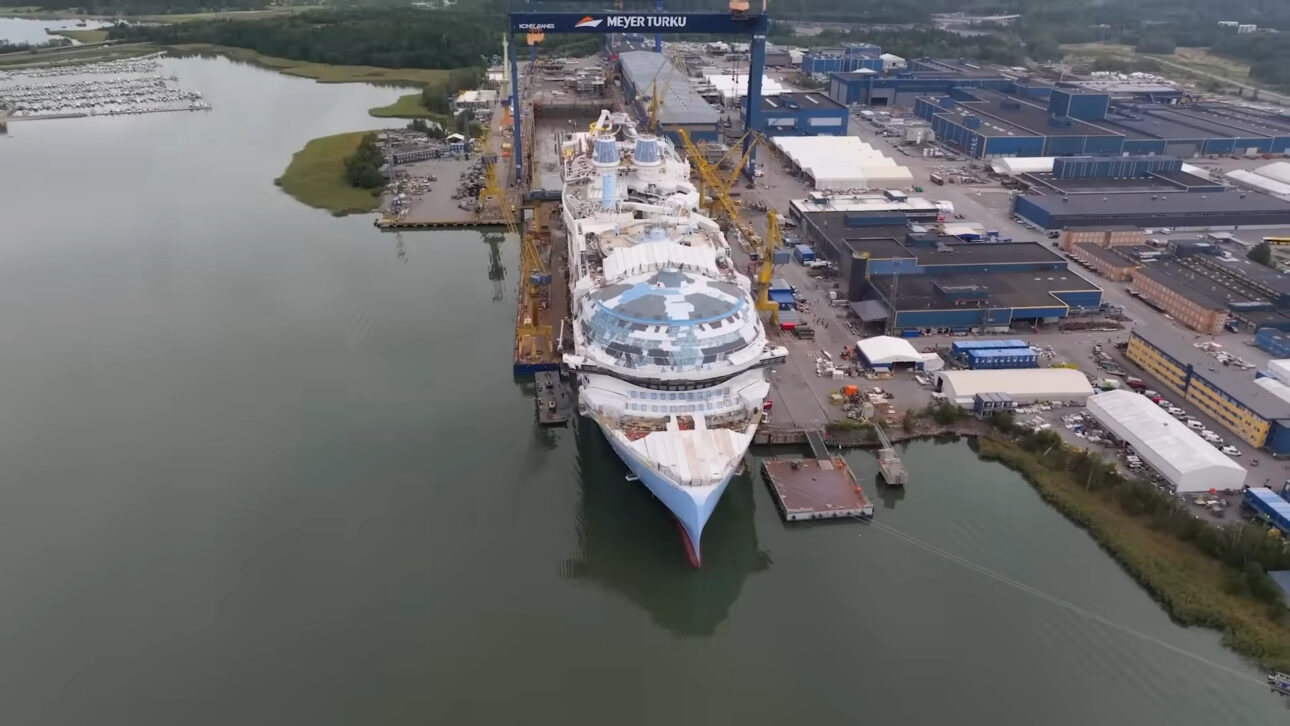
Like other ships in the Icon class, the Legend of the Seas is being constructed at the Meyer Turku shipyard in Finland. This shipyard is one of the most advanced in the world for building passenger ships and has produced many of the largest cruise ships in history.
The construction process involves:
- thousands of specialized workers
- modular assembly in large structural blocks
- digital engineering control systems
Ships of this scale require years of planning and construction. The integration of systems includes everything from engines and electrical systems to complex hospitality infrastructures. The final result is a vessel that combines naval technology, structural engineering, and design aimed at high-standard tourism.
Technology and Energy Efficiency
Another highlight of the Icon class is the use of more efficient technologies to reduce environmental impact. The Legend of the Seas is set to use LNG (liquefied natural gas) as its main fuel, an alternative considered cleaner compared to the traditional heavy fuel oil used by ships.
This type of propulsion allows for a significant reduction in:
- sulfur oxide emissions
- particulate emissions
- some CO₂ emissions
Moreover, the ship incorporates modern energy management systems, including:
- heat recovery from engines
- digital optimization of energy consumption
- advanced waste and water treatment systems
These technologies are part of a growing trend in the maritime industry to reduce environmental impacts without compromising vessel performance.
Internal Structure Comparable to a Small City
What truly differentiates the Icon class ships is the internal infrastructure. These vessels are designed to offer a complete leisure and entertainment experience, with a variety of environments distributed across different thematic zones. Among the structures present in this type of ship are:
- giant water parks
- panoramic pools
- spa and wellness areas
- dozens of restaurants and bars
- theaters and show arenas
- shopping areas
- children’s and family clubs
The idea is for passengers to have access to a variety of activities throughout the trip, making the ship a destination in itself.
This strategy has increasingly been utilized by major cruise companies to attract new audiences and expand the global maritime tourism market.
The Economic Impact of the New Generation of Cruises
Ships of the scale of the Legend of the Seas represent gigantic investments. The construction of vessels of this class can cost over US$ 2 billion, considering engineering, technological systems, and tourism infrastructure.
This type of investment has a significant impact on different sectors:
- shipbuilding
- international tourism
- maritime logistics
- entertainment industry
Additionally, ships of this scale generate thousands of direct and indirect jobs, both during construction and operation. Each voyage involves teams for hospitality, entertainment, maintenance, engineering, and various services.
The Global Growth of the Cruise Industry
The emergence of giant ships like the Legend of the Seas reflects the global growth of the cruise industry. In recent decades, the number of passengers opting for this type of travel has increased significantly.
Before the pandemic, the sector moved over 30 million passengers annually worldwide.
With the resumption of tourism activities, major companies have resumed investing in even larger ships capable of transporting thousands of people in a single trip. The Icon class represents an important step in this evolution.
A New Era for the Largest Ships in the World
For many years, the title of largest cruise ship on the planet was contested between various vessels of the Oasis and Quantum classes. Now, the Icon class ushers in a new phase in this race.
With the Legend of the Seas scheduled for 2026, Royal Caribbean consolidates a fleet of mega ships that redefine the size, capacity, and level of infrastructure of modern tourist vessels.
These sea giants demonstrate how naval engineering has evolved in recent decades, allowing structures with hundreds of meters in length and dozens of decks to operate safely on international routes.
More than just simple means of transport, these ships have become true floating tourist complexes, capable of carrying thousands of people while crossing oceans and connecting destinations around the globe.





Seja o primeiro a reagir!