





 Portuguese
  English
  Spanish
  6 min of reading
  2 comments


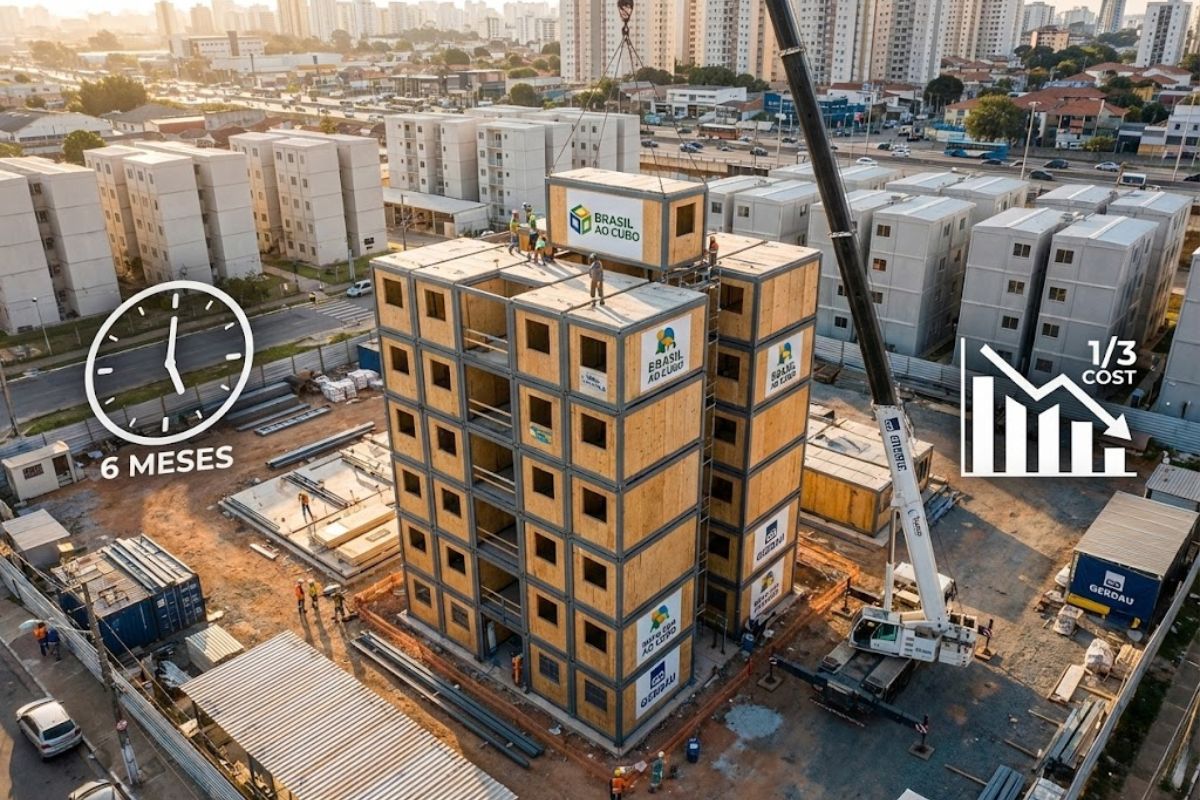


Brazil Cubed Startup, Supported by Gerdau and Dexco, Bets on Volumetric Modular Construction to Compete in the Minha Casa Minha Vida with Buildings Up to Ten Stories Built in Six Months, Reducing Costs by One-Third and Promising Thousands of Affordable Apartments Starting in 2025 Nationwide
In 2025, Brazil Cubed, a construction tech based in Tubarão, Santa Catarina, will erect an eight-story building in the tier 3 of Minha Casa Minha Vida, betting on volumetric modular construction to assemble apartments like Lego blocks in record time. Most of the work will be done in a factory, with nearly finished modules arriving at the construction site just for assembly.
The project, with an estimated General Sales Value of 39 million reais, marks the company’s most aggressive entry into the housing program and anticipates an expansion plan that includes a new factory in the Southeast by 2028 and popular towers of more than eight stories launched starting in 2027. The ambition is to transform Minha Casa Minha Vida into one of the main growth engines of the construction tech.
Construction Lego Joins the Fight for Minha Casa Minha Vida
Brazil Cubed is one of the pioneers of so-called modular construction in the country and became known as the “Lego of construction” because much of the work happens in an industrial environment and only later moves to the site.
-
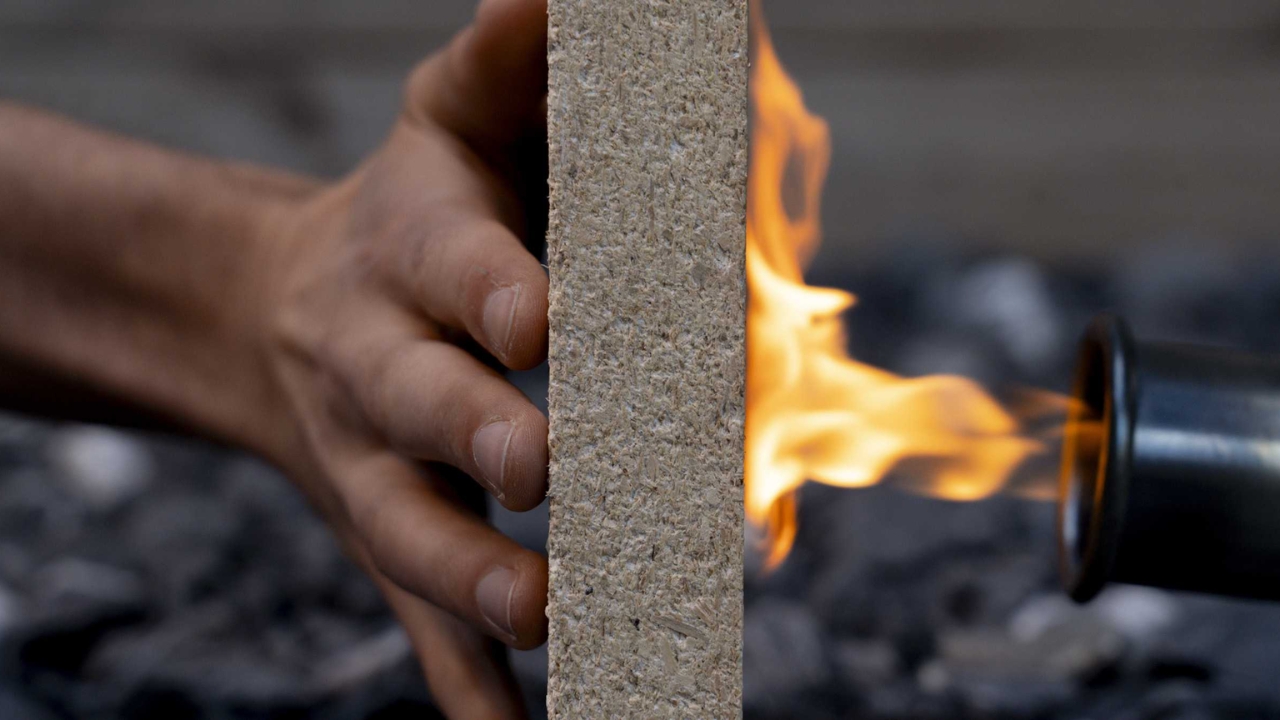
Scientists transform sawdust into fire-resistant panels, stabilize the compound with an enzyme extracted from watermelon seeds, and turn waste into promising material for construction.
-
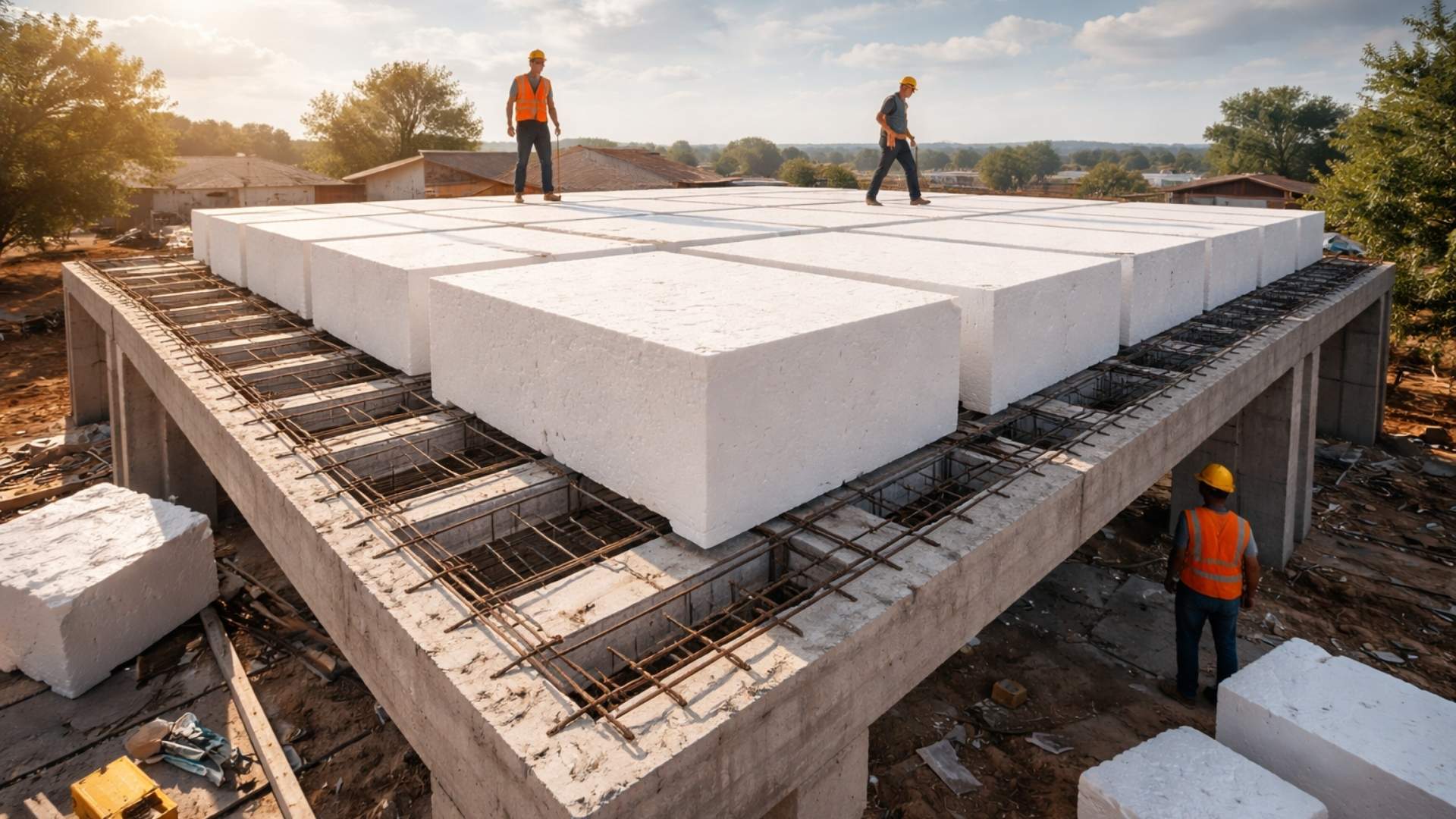
Forget concrete: architects are replacing tons of concrete with giant blocks of expanded polystyrene to build the roofs of houses and reduce structural weight by up to 50%, cut costs, improve thermal insulation, and speed up construction.
-
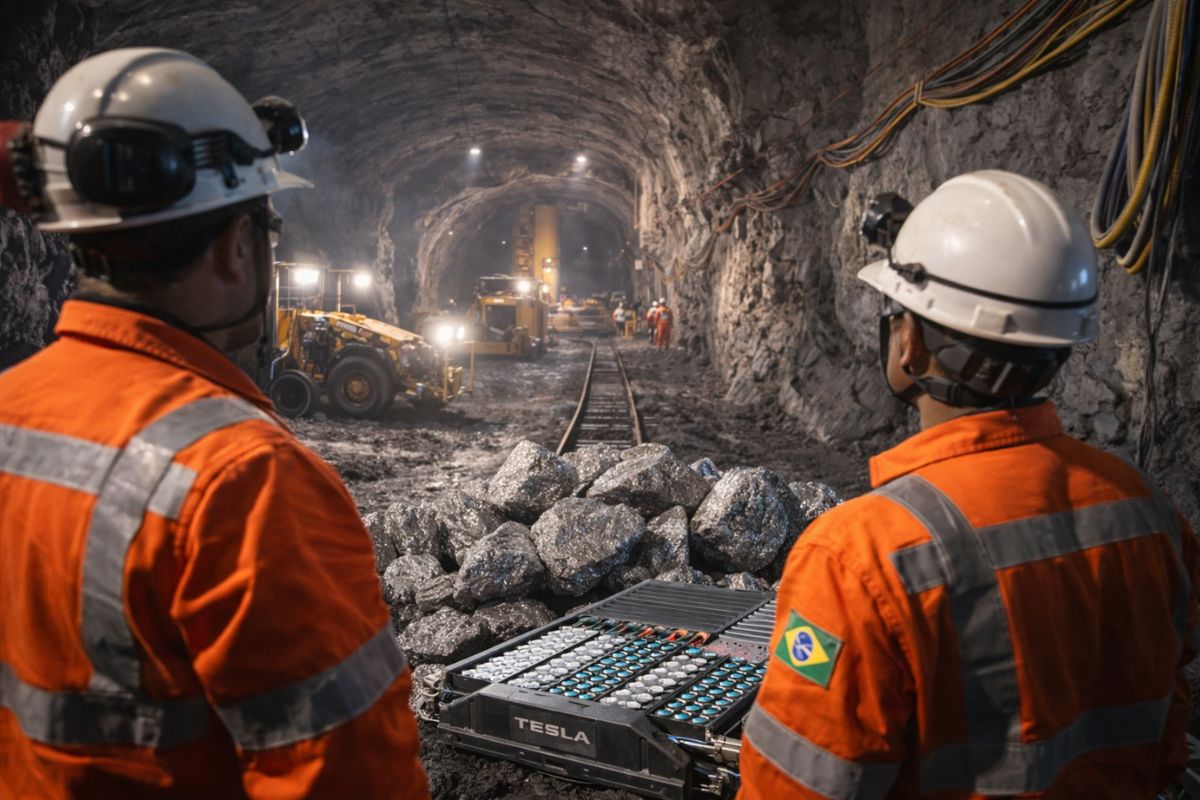
The Brazilian state enters the center of the global race for critical minerals by starting the construction of the largest underground nickel mine in Latin America, a mineral essential for electric car batteries that the entire world is competing for at this moment.
-
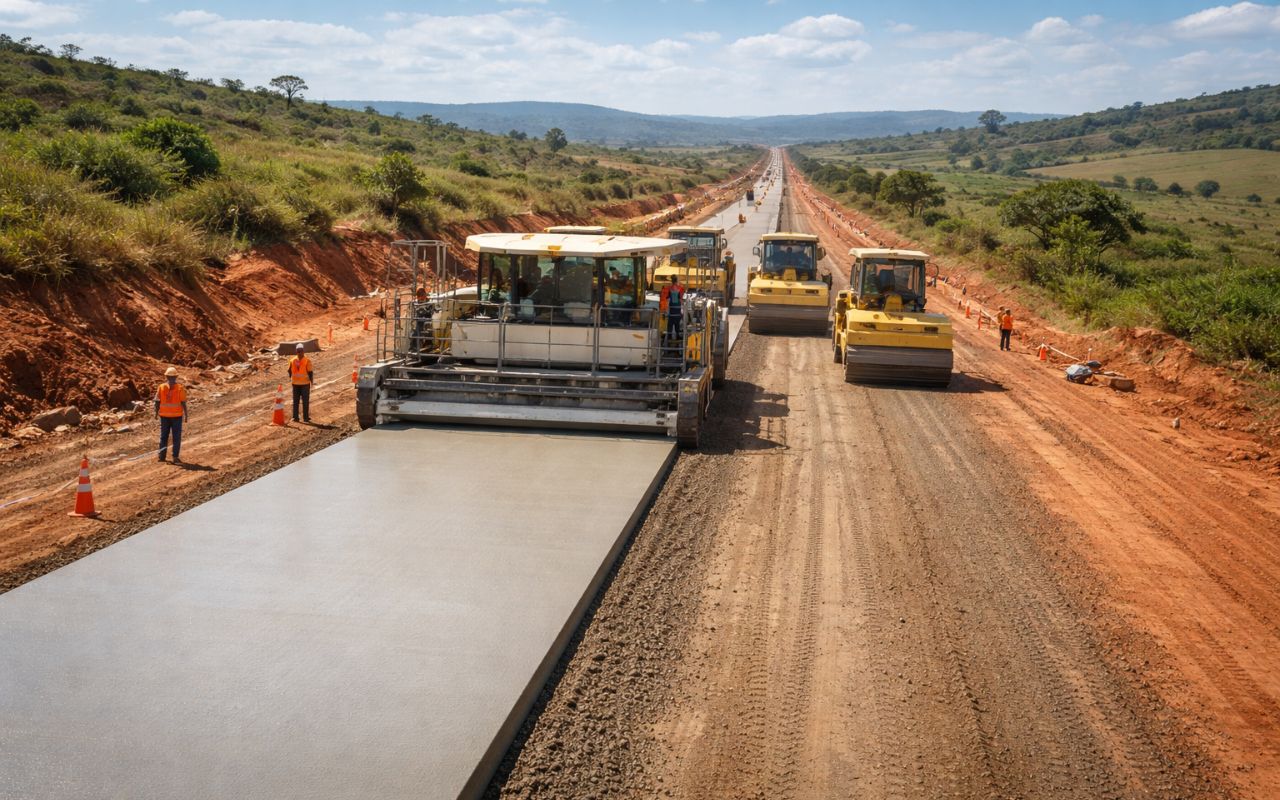
New CCR concrete paving technology promises roads up to 3x more durable, less maintenance, and cost reduction in Brazil.

The modules arrive almost ready, reducing the need for professionals on the construction site and shortening timelines. So far, the company had operated in Minha Casa Minha Vida only in smaller, two-story ventures.
With the eight-story building in Tubarão, the company decides to compete equally with large construction firms in one of the most competitive segments of the popular market.
The strategy is to make Minha Casa Minha Vida a turning point in revenue, significantly increasing the program’s weight in total income in the coming years.
How Brazil Cubed’s Volumetric Modular Construction Works
The new Minha Casa Minha Vida project in Tubarão will be built using volumetric modular construction. In this model, buildings are assembled from modules produced in an industrial plant, transported by trucks, and positioned on-site like large three-dimensional blocks.
Each module has a metal structure, a rectangular shape, and about 50 square meters, functioning as the base of the apartment’s rooms.
These modules leave the factory with most of the finishing already installed, including finishes, frames, and much of the internal installations.
On-site, the blocks are fitted and interconnected, allowing for adjustable measurements of the spaces with relative flexibility.
The promise is that this industrialization will make Minha Casa Minha Vida projects more predictable, with less waste, less rework, and easier-to-meet schedules.
Costs Drop by One-Third and Timelines Shorten to Six Months
According to founder and CEO Ricardo Mateus, a former welder who became an engineer and founded Brazil Cubed in 2016, the turning point happened about two years ago when the company decided to invest in an assembly line with 100% standardized products.
Standardization, the executive claims, allowed for a reduction of the average construction costs by approximately one-third compared to the company’s initial contracts.
Today, the average cost declared by Brazil Cubed is 2,900 reais per square meter, a level the company considers equivalent to traditional construction. The difference, Mateus argues, lies in productivity.
The goal is to erect a ten-story building in six months, which represents about a quarter of the time spent using conventional methods, employing about half the number of professionals, combining the factory and site teams.
On-site labor can also be less specialized, as the focus shifts to assembly rather than piece-by-piece construction.
Factories, Capacity, and Upcoming Popular Launches
Currently, Brazil Cubed operates a single factory in Tubarão, responsible for an annual capacity equivalent to 1,056 apartments.
To transform Minha Casa Minha Vida into a central hub for the business, the company plans to open a new industrial plant in the Southeast region of the country, with location details still undisclosed.
With both factories operational, the construction tech projects to reach 4,032 units per year by 2028. By 2027, the plan is to launch at least eight towers with more than eight stories framed in the Minha Casa Minha Vida, replicating at scale the model that is starting to be tested in the eight-story building in Tubarão.
The idea is for the housing program to serve as a showcase for the potential of modular construction in large-scale residential projects.
Billion-Dollar Portfolio and Major Investors in the Business
Despite the increasing focus on Minha Casa Minha Vida, the largest share of revenue still comes from industrial installations. In 2025, Brazil Cubed will total around 1.1 billion reais in projects, including participation in the development of a mega plant for Arauco in Mato Grosso do Sul and works for giants like Suzano, Ambev, and Vale.
This portfolio serves as a foundation for the expansion into the popular housing market.
The progress is bolstered by significant corporate partners. The steelmaker Gerdau began investing in the construction tech in 2020 and currently holds approximately 44% of the capital.
Dexco, owner of brands like Deca and Hydra, invested 89 million reais through the corporate venture capital fund DX Ventures and now controls 19.9% of Brazil Cubed.
For Dexco, supporting modular construction is also a way to accelerate solutions for the housing deficit and workforce bottlenecks in the sector.
Housing Deficit, Labor Shortage, and Competition with Rivals
From the investors’ perspective, Brazil Cubed helps address a growing issue: the shortage of workers in the construction industry.
The average age of construction workers is around 39 years, while many young people prefer to engage in activities related to the new economy, such as services on digital platforms.
By transferring part of Minha Casa Minha Vida into a climate-controlled factory with career plans, the hope is to attract new worker profiles and reduce material waste in the production process.
The company, however, is not alone.
Other construction companies are betting on modular construction solutions in Brazil, each with its own design, including Tecverde in partnership with Arauco, Alea, linked to Tenda, and SteelCorp, by Roberto Justus, which has investments from Reag and Banco Master.
At the same time, nearly the entire supply chain still operates based on traditional construction, making the shift to this model slower.
Even so, conventional companies in the sector are already looking for Brazil Cubed in search of productivity for projects that can also be framed within Minha Casa Minha Vida.
When Modular Construction Stops Being a Niche
Internationally, modular construction solutions have existed for at least two centuries and have been used for decades in developed countries.
The difference is that, according to recent reports from consulting firms such as McKinsey, the combination of data, technology, and automation has been allowing this model to finally achieve scale and competitiveness against conventional construction.
These studies indicate that modular construction can address some of the industry’s most urgent challenges, such as low productivity growth, global labor shortages, the housing deficit, and carbon dioxide emissions.
By applying this logic to Minha Casa Minha Vida projects, Brazil Cubed bets that the pieces of its own steel and concrete Lego are fitting together at the right moment, connecting social demand, technology, and heavy industry.
And you, would you accept to live in an apartment from Minha Casa Minha Vida assembled in six months like a construction Lego or do you still trust more in traditional buildings raised brick by brick?










Não
Sim