





 Portuguese
  English
  Spanish
  6 min of reading
  0 comments


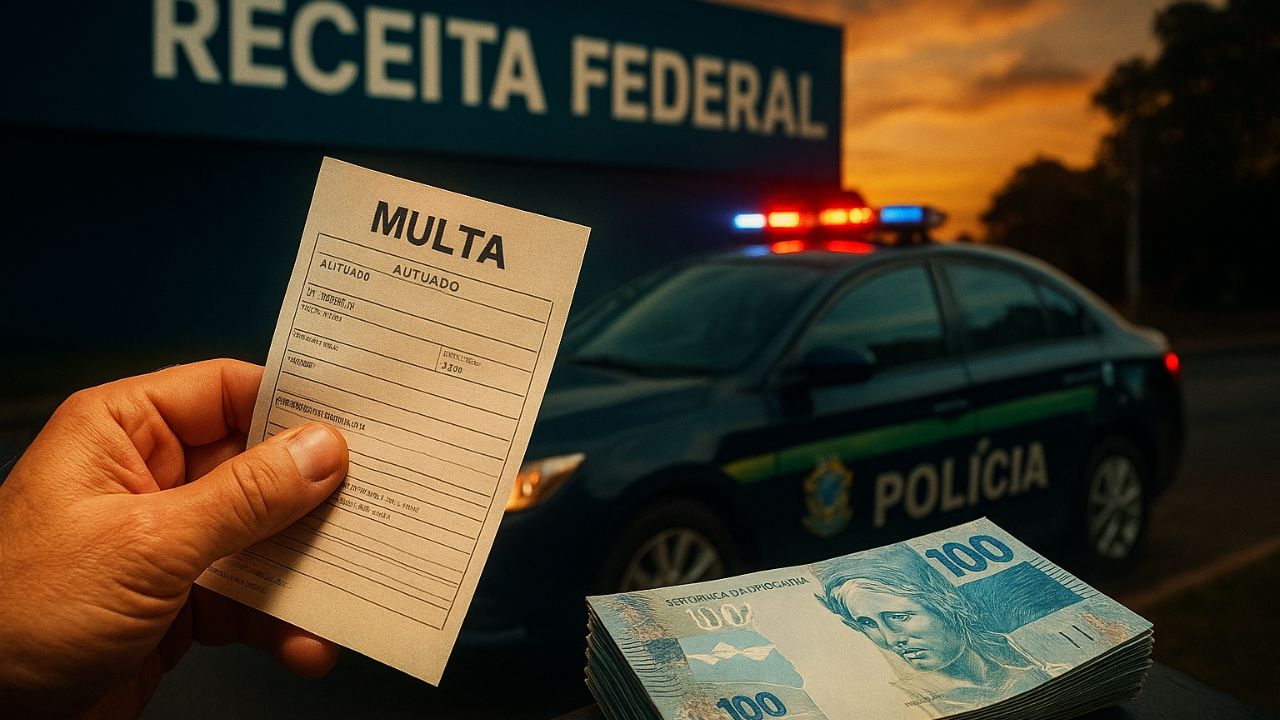
A Federal Law Determines That All Revenue from Infractions Must Be Reinvested in Traffic Improvements, But the Lack of Clear Data Prevents Citizens from Monitoring How the Money Is Actually Spent.
The destination of billion reais collected annually from traffic fines in Brazil is one of the best-kept secrets of public administration. Although a clear and specific federal law, the Brazilian Traffic Code (CTB), stipulates that every cent paid by a rule-breaking driver must be earmarked for exclusive use in road improvements, a genuine “blackout” in transparency prevents society from overseeing the complete cycle of money. The result is a chasm of distrust that fuels the popular perception of a “ticket industry” more interested in collecting than in educating.
As enforcement intensifies, as indicated by a 43% increase in the number of fines applied by the Federal Highway Police (PRF) just between 2022 and 2023, accountability does not keep pace. The systemic failure to present clear reports on how these resources are converted into new asphalt, efficient signage, or educational campaigns undermines the legitimacy of the system. The law promises a virtuous investment cycle, but reality delivers a maze of opaque data and transparency portals that hide more than they reveal.
The Earmarked Money: What Does the Federal Law Say?
At the heart of the entire discussion is Article 320 of the Brazilian Traffic Code (CTB). This legal provision is the cornerstone that defines the mandatory route for fine money. In a categorical manner, the article establishes that the revenue collected must be applied, “exclusively”, in five strategic areas: signage, traffic engineering, field operations, policing, enforcement, and traffic education. The word “exclusively” is the key to the entire system, as it legally prohibits governments from using these amounts to cover generic budget expenses, such as health, payment of employees from other areas, or any other purpose not directly related to improving road safety.
-
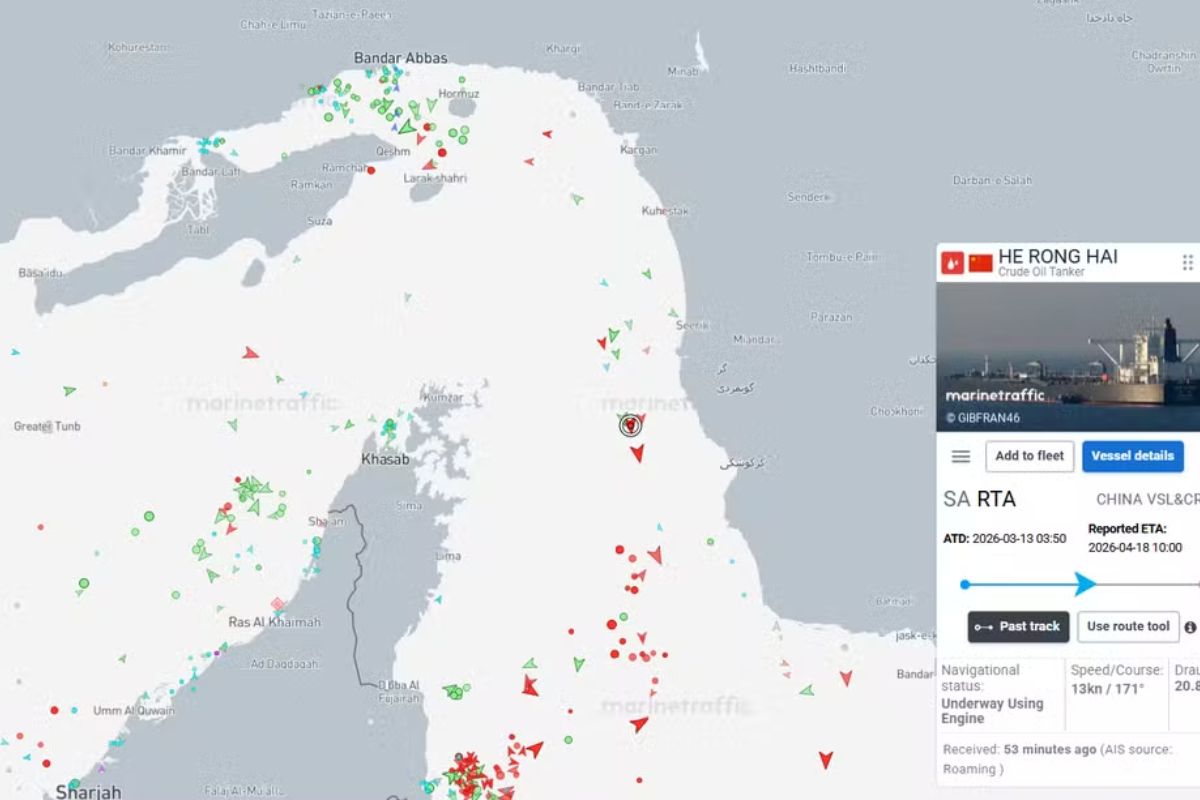
Two Chinese supertankers chartered by Asia’s largest refiner have just crossed the Strait of Hormuz and may be the first to leave the Persian Gulf since the ceasefire between the United States and Iran on a route that still has mines and uncertainties.
-
While Havan earns R$ 50 million per day throughout the year, Cacau Show managed six times more in just 24 hours, totaling half a billion reais in two days of Easter.

-
Weak dollar or strong real? The American currency plummets for the third day, approaching R$ 5 and surprising the market with global inflation and tensions in the Middle East that continue to create global uncertainty.

-
China’s investments in Brazil in factories, energy, oil, electric cars, and new industrial projects double to $4.2 billion, making the country the 3rd largest global destination for Chinese capital.

This determination transforms the fine into a “designated revenue”, meaning money with a linked destination that cannot be diverted. This means that, in practice, the amount paid for speeding should, by law, turn into a new traffic light, the painting of a crosswalk, the pothole repair operation on a road or the purchase of breathalyzers for the police. The detailing of what can be paid for is so specific that it includes everything from the acquisition of vehicles and uniforms for agents to the construction of sidewalks, bike lanes, and the conduct of educational campaigns in schools. Any use outside these guidelines is illegal under the law.
Billions at Stake: Federal Revenue and the Failure of Accountability


To understand the magnitude of the amounts involved, just look at the figures from the federal sphere. Data from the Federal Highway Police (PRF) shows that the number of fines jumped from 4.1 million in 2022 to 5.9 million in 2023, a 43% growth in just one year. Of this total, more than half (about 3 million) were for speeding, the most common infraction on federal highways. This billion-dollar revenue, however, enters a system where traceability becomes a challenge, even on official government portals.
The problem is compounded when the federal government itself seems to circumvent the spirit of federal law. The CTB stipulates that 5% of all revenue collected from fines in the country must be allocated to the National Fund for Traffic Safety and Education (FUNSET). However, an analysis by the National Confederation of Municipalities (CNM) points out that, historically, the Union fails to apply these resources, withholding funds from the fund to meet fiscal goals. This practice, identified by the CNM, is proof that the “blackout” in transparency is not merely an oversight but a strategy that diverts resources from traffic education to the general government budget, directly contradicting what Article 320 mandates.
The Blind Spot: Why Monitoring the Money in Your City Is Nearly Impossible?
If tracking federal resources is complex, the situation at the state and, especially, municipal levels can be described as a genuine black box. It is at the municipal level that most fines are imposed and where citizens should feel the positive impact of investments. However, it is exactly there that transparency is most fragile. Many municipalities simply do not publish the detailed reports of revenue and expenses required by law, or do so in such a technical manner and hidden in their portals that consultation becomes unfeasible for the average citizen.
This widespread opacity is the main fuel for distrust. When a driver is fined by a hidden radar in their city and, months later, passes by the same location and the pavement remains potholed and the signage poor, the conclusion that the system aims only to collect becomes almost inevitable. The absence of clear and visible accountability hinders the creation of a trust bond between enforcement and the public. The law exists to ensure that punishment benefits the collective, but without transparency, it becomes a dead letter, and the fine is seen merely as a disguised tax.
Myths and Truths: What the Law Actually Says About Traffic?
The gap left by the lack of clear information opens space for the dissemination of myths that can cost the driver dearly. Knowing the reality is the first step toward safer and more conscious driving, avoiding infractions due to pure ignorance.
- Running a red light at dawn doesn’t incur a fine? False. The Brazilian Traffic Code does not provide for time exceptions for this infraction, which is considered very serious. The penalty is the same, regardless of whether it is day or night. The only exception occurs when there is a specific sign allowing a right turn even with the signal closed.
- If the notification doesn’t arrive by mail, I don’t have to pay? False. Although postal notification is common, traffic authorities may notify the offender electronically (for those who have joined the SNE) or, as a last resort, via official gazette. The responsibility to monitor the vehicle’s status lies with the owner.
- Radars are just ‘money traps’? Partially False. Although there are cases of irregularly installed or poorly signaled equipment, which is illegal and should be contested, radars are considered an effective tool for curbing speeding, one of the main causes of fatal accidents. The law requires clear signage regarding the maximum speed of the road. The debate should be about the transparency of installation criteria, not about the existence of the equipment.
- The money from the fine goes to the government’s general fund? Legally False, Practically Opaque. This is the heart of the problem. The federal law, according to Article 320 of the CTB, prohibits this. The money is “earmarked” for traffic. However, the chronic failure of transparency, as demonstrated by the withholding of FUNSET funds pointed out by the CNM, prevents citizens from verifying this application in practice. It is this opacity that makes the myth so powerful and credible.
The analysis of the facts reveals a paradox: Brazil has a robust legislation that should ensure that every fine translates into more safety on the streets and roads. However, this very structure is undermined by a culture of opacity that hinders social control and fuels the narrative of a “ticket industry”. The problem is not the lack of a federal law, but the glaring lack of commitment to comply with it transparently.
In your city, can you see the fine money being applied to improvements? Does the lack of transparency regarding this federal law fuel distrust in accountability? We want to know your real experience. Leave your opinion in the comments.








Seja o primeiro a reagir!