





 English
  Francês
  Alemão
  Italiano
  Japonês
  Norueguês
  Portuguese
  Spanish
  3 min of reading


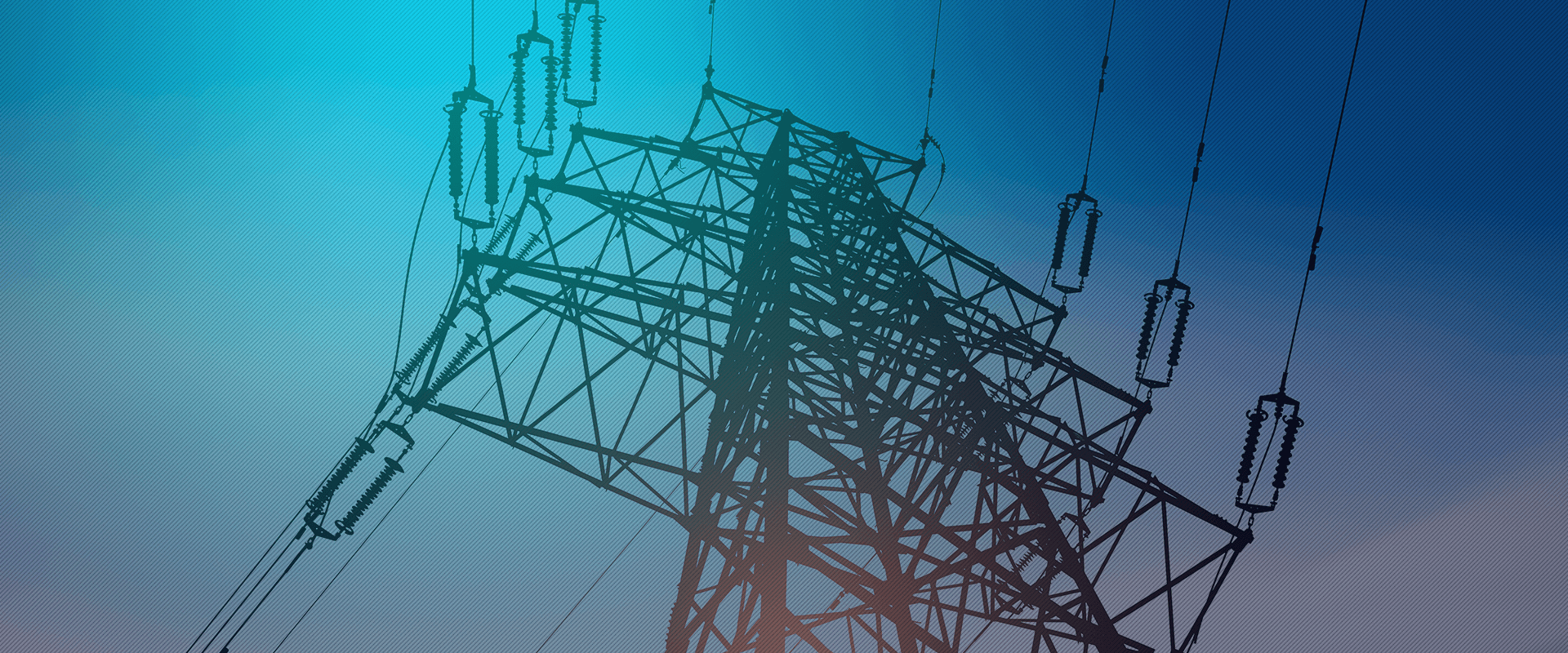
Although There Are Billion-Dollar Investments in the Auction, The Power Transmission Lines Present Problems That May Cause Enormous Losses
Scheduled to take place on June 30 of this year and with total investments of R$ 15.293 billion, the next power transmission line auction is expected to construct 5,291 kilometers of new networks throughout Brazil. The expectation is that 31.4 thousand job vacancies will be available while the works are being carried out, over a period that may vary between 42 and 60 months.
Read Also:
- Engie Brasil Energy Company Aims to Increase Its Solar and Wind Energy Matrix by Targeting Transmission Auctions and Analyzing the Integration of Hydrogen Percentages into the Gas Transport Network (TAG) in the Future
- Neoenergia Starts Operation of a Long-Distance Transmission Line Between North and Northeast
- Rio Grande do Norte Will Invest R$ 2.3 Billion in Wind Energy Project This Year
According to the website Broadcast, the power transmission lines will be deployed in the states of Acre, Amapá, Amazonas, Bahia, Espírito Santo, Mato Grosso and Mato Grosso do Sul, Minas Gerais, Pará, Rondônia, Santa Catarina, São Paulo, and Sergipe. According to the auction rules, the concessions, which had been divided into 13 lots, will have a 30-year term, which can be extended for the same amount of time.
The auction notice for billion-dollar investments is expected to be published by May 26, just over a month before the event. Contracts are to be signed on September 30.
-
Rio Grande do Sul accelerates energy transition: State invests in renewable technologies and consolidates decarbonization strategies and pathways to attract billions in new industrial investments.

-
With 160,000 m² of collectors, an area larger than 20 football fields, Silkeborg, in Denmark, hosts a solar thermal plant that heats 19,500 homes and could become the largest solar heating plant in the world.

-
A study reveals the expansion of renewable energy procurement in Brazil and shows how companies are taking advantage of opportunities to reduce expenses, ensure energy efficiency, and strengthen strategic environmental commitments.

-
Mato Grosso do Sul excels in the sugar-energy sector: the state reaches a milestone of 22 operating mills and accelerates the production of clean energy in MS with a focus on sustainability.

The power transmission lines present some limitations that constitute a recurring problem in the electrical sector. Just like the investments from the auction, this problem has caused the country, in recent years, billion-dollar losses, as countless wind farms and hydroelectric power plants were completed but failed to have means capable of evacuating the produced energy. Currently, this obstacle also affects new solar power plants or photovoltaic plants.
According to data provided by the Brazilian Solar Photovoltaic Energy Association (Absolar), in 2019, 33 thousand megawatt-hours (MWh) were not launched into the system due to a lack of power transmission lines. The following year, this figure rose to 70.8 thousand MWh; in 2021, until August, it reached 105 thousand MWh. In other words, investment losses have been happening more and more frequently.
In reality, the losses from the auction investments total around hundreds of millions of reais, in addition to the fact that there is less energy available for consumption. To avoid power outage cases, Brazil relies on other types of energy sources.
Today, the country has 145,600 km of available power transmission lines, according to information from the National Electric System Operator (ONS). By 2025, the expectation is that this transmission network will have the capacity to reach 184,054 km.
Check out a brief explanatory video from Aneel about how a power transmission auction works: Power Transmission Auctions of Electric Energy
New Renewable Source Technologies Feature 23-Meter Generator That Produces Wind Energy for 24 Hours
No one has ever invested in or consumed as much energy from renewable sources, like wind energy, as now. In the last year, the increase in energy bill amounts exceeded 30% in Brazil, according to the Brazilian Association of Energy Traders (Abraceel), which further encourages the discussion about renewable sources. To also read this other full article from CPG, it is very simple: just click here.






Seja o primeiro a reagir!