






 Portuguese
  Spanish


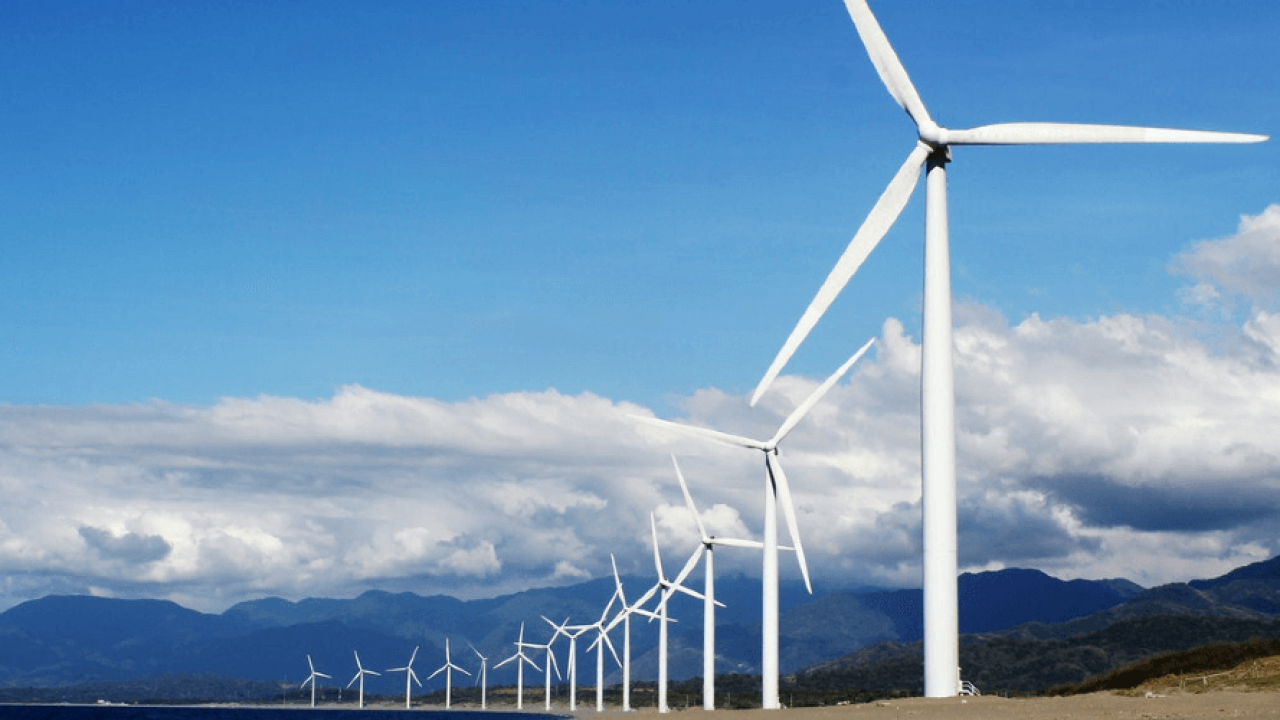

The Wind Energy Enterprise Is the Santo Agostinho Wind Farm, Which Is Being Built in the Cities of Pedro Avelino and Lajes, in the State of Rio Grande do Norte and Its Capacity Is 434 Megawatts
On February 16, the project’s schedule and investment plans from Engie Brazil Energy were presented. There will be 70 wind turbines with a height of 170 meters and they will have the capacity to produce 6.2 MWh per unit at Santo Agostinho. This is equivalent to three times the wind energy that the current equipment is capable of producing. Future investments from Engie Brazil Energy planned for the next five years in Rio Grande do Norte amount to R$ 6.5 billion.
Read Also:
- Brazilian Academic Creates Sail Wind Turbine Capable of Producing Wind Energy with Very Little Wind and High Productivity: The Technology Is Called Wind Cube
- New Technologies for Renewable Sources Include a 23-Meter Generator That Produces Wind Energy for 24 Hours
- A Reference in the Naval Repair Market, Atlantic South Shipyard Targets the Offshore Wind Energy Sector
About Engie Brazil Energy
Engie Brazil Energy established itself in Rio Grande do Norte in 2017. The company has two operational enterprises, Floresta, located in Areia Branca, producing 101 MW, and Assu V, which produces 30 MW. Future enterprises will be solar parks. According to the presented schedule, the first generator will begin operating in September 2022. According to the president of Engie, Eduardo Sattamini, the company is characterized by long-term investments, partnerships, and social responsibility.
As the largest private energy company in the country, Engie operates in the generation, transmission, and commercialization of electricity, energy solutions, and gas transportation. Engie holds the most extensive natural gas transportation network in Brazil, covering 4,500 kilometers and passing through 191 cities in 10 states due to the acquisition of TAG.
According to Tribuna do Norte, the electric matrix of Rio Grande do Norte consists of 87% renewable and clean sources. Rio Grande do Norte has five of the seven sources of energy generation sold in the country. There are 443 enterprises for energy generation, coming from solar, wind, biomass, hydropower, and natural gas.
-
Giant Batteries Take Center Stage in Chile Auction as Company Offers 960 GWh of Solar Energy for Nighttime Use, Aiming to Stabilize Solar Power Supply

-
After a Year of Success in Switzerland, Solar Railway Attracts Italy’s Interest for Clean Energy Transformation
-
Robots Clean Solar Panels in Desert Power Plants Without Water, Preventing Energy Losses
-
Brazil’s Offshore Wind Energy Potential Worth $1 Trillion Stalled by Long-Delayed Agreement



In the wind energy sector, Rio Grande do Norte holds a national leadership position, with 213 plants in operation, featuring over 2,400 turbines and totaling 6.5 GW of power. Furthermore, 44 parks are being constructed with a total capacity of 1.4 GW.
The city of Serra do Mel holds 17% of the installed capacity, making it the largest energy generation hub in the state. João Câmara ranks second with 13%, and Parazinho comes in third with 11%. Rio Grande do Norte has seven offshore wind farm projects that are in the licensing process.
Rio Grande do Norte Government Presents Proposal for the Application of EIA-RIMA to Wind Farms with Over 150 MW
In a new proposal, the Rio Grande do Norte government suggests that new wind energy projects with a capacity above 150 megawatts present environmental impact studies and reports (EIA-RIMA). The proposal counters a recommendation from the State Attorney General’s Office (PGE-RN), which proposed studies for new projects over 10 megawatts (MW). To learn more, check out the full article by clicking here.


