Portuguese
  Spanish




The Differentiated Composition Reorganizes Strategies, Strengthens Niches, and Expands Opportunities for Rural Producers Linked to Dairy Cattle
A highly impactful economic and nutritional alternative is starting to attract national and international attention.
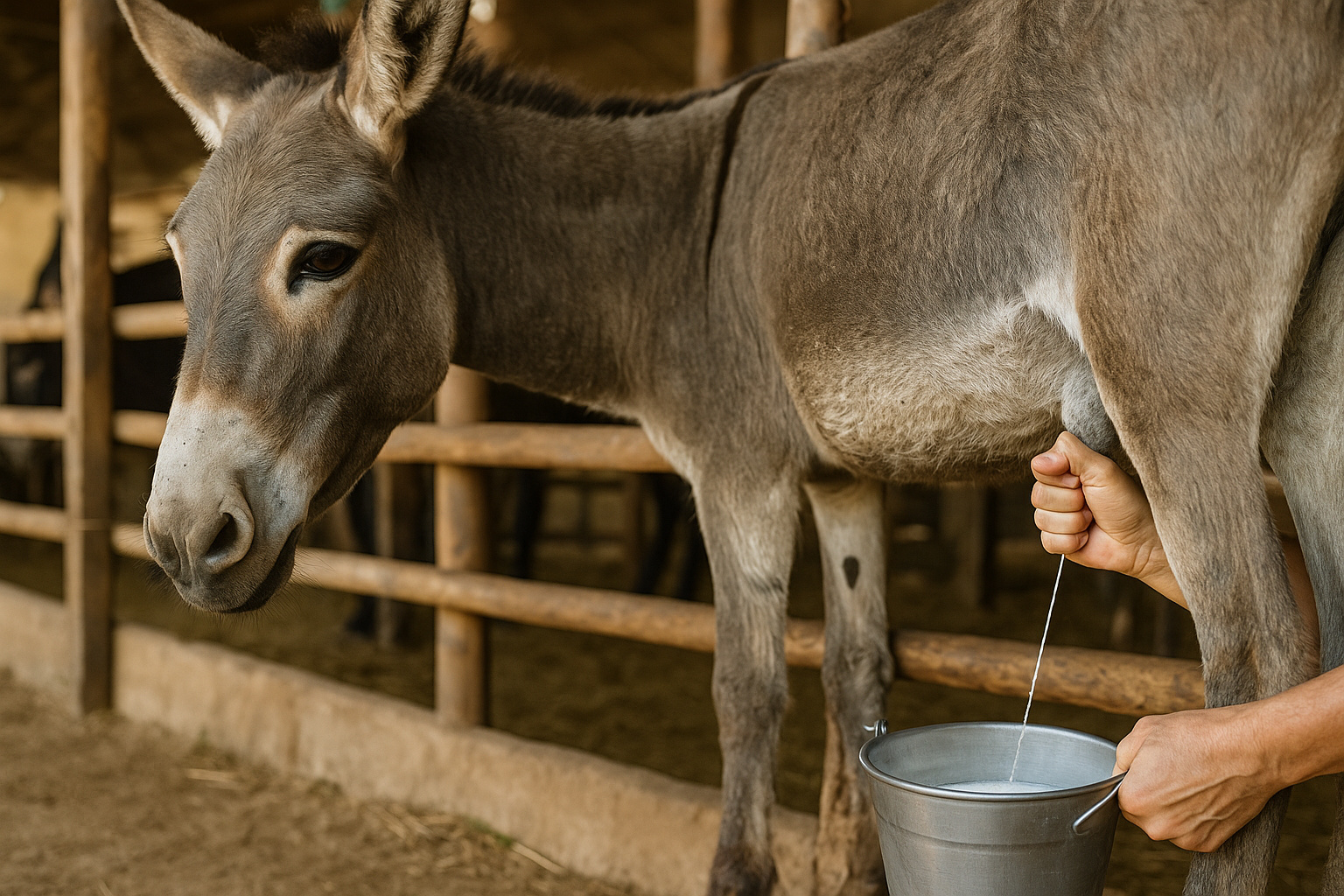
The donkey milk, recognized for its similarity to human milk, emerges as a promising bet to strengthen Brazilian dairy farming, especially because it meets the growing global demand for hypoallergenic and functional products. The strongest demand occurs precisely because European and Asian markets value this type of food and, therefore, pay high prices per liter.
This movement demonstrates how the nutritional composition of the product reorganizes expectations among producers, who see real opportunities to increase income in rural areas with low access to more qualified value chains.
Nutritional Potential Reorganizes Specialized Markets
The technical analysis conducted by specialists reinforces that donkey milk has unique characteristics.
According to Gustavo Carneiro from UFRPE, the product delivers protein and lactose profiles similar to human milk and, consequently, serves children with intolerance to bovine milk proteins. Additionally, the immunological attributes enhance relevance for niches such as children’s nutrition and functional products.
This set of qualities strengthens the production of donkeys (animals of the donkey species, known for their great resistance, hardiness, and adaptability to arid climates), creates new productive dynamics, and at the same time boosts the generation of supplemental income in rural communities that depend on livestock farming.
Cosmetic and Pharmaceutical Expansion Reorganizes the Use of the Product
The cosmetic market also expands the demand for donkey milk, especially because its vitamins, minerals, and bioactive compounds promote hydration, elasticity, and skin regeneration.
Thus, creams, soaps, lotions, and facial masks gain traction among consumers in Europe and Asia seeking natural ingredients.
Furthermore, raw materials derived from donkey farming benefit the pharmaceutical and food industries, as the animal’s skin provides collagen, gelatin, and biopharmaceuticals used in various formulations.
This versatility reorganizes the sector and even favors rural tourism and agrotourism activities linked to artisanal production.
-
India’s Sugar Export Cuts and Ethanol Shift Amid El Niño Threat Could Impact Global Prices and Stocks

-
Quarantine Pest Threatening Palm Trees Puts Brazilian Authorities on Alert, Prompts Monitoring at University of Taubaté and Potential Control Measures Across São Paulo
-
Global Alert: Report Finds 159 Pesticides in Coffee Beans Sold in Europe, Posing Serious Risks to Millions of Farm Workers
-
Low-Demand Brazilian Beef Offal Gains Popularity Abroad: Indonesia Purchases $19.5 Million, Boosting Revenue and Reducing Waste



Research Expands Clinical Perspectives and Strengthens the Sector
Studies conducted at the University of Agreste de Pernambuco analyze the safe use of donkey milk in pediatric ICUs, always following strict management practices, sanitary control, milking, and pasteurization.
Researcher Jorge Lucena highlights that the process is entirely structured to ensure safety, which strengthens scientific evaluations regarding the use of the product in hospitalized infants.
Although the method follows models already used internationally, national research reorganizes expectations about clinical applications and at the same time reinforces the need for solid technical processes within the productive chain.
Circular Economy Strengthens New Productive Models
The donkey farming chain gains even more relevance as it integrates into the logic of the circular economy, allowing waste to generate biogas, fertilizer, or meat and bone meal.
This approach increases the added value and enables small producers to fully utilize the byproducts of the activity.
Thus, if production projections are confirmed, the country could consolidate a structured chain based on innovation, sustainability, and economic diversification based on donkey milk.
The Future of Functional Production and Rural Income
Producers, specialists, and researchers evaluate that the expansion of donkey farming could transform rural areas by offering sustainable alternatives with high added value.
The ability to meet specialized markets (food, cosmetic, and pharmaceutical) reorganizes expectations and strengthens new development routes in the field.
Meanwhile, rural communities seek to understand how this differentiated product could consolidate lasting opportunities.
In light of this advance, do you believe that strengthening donkey farming should prioritize the expansion of functional and cosmetic markets or focus first on structuring the productive chain to increase rural income?